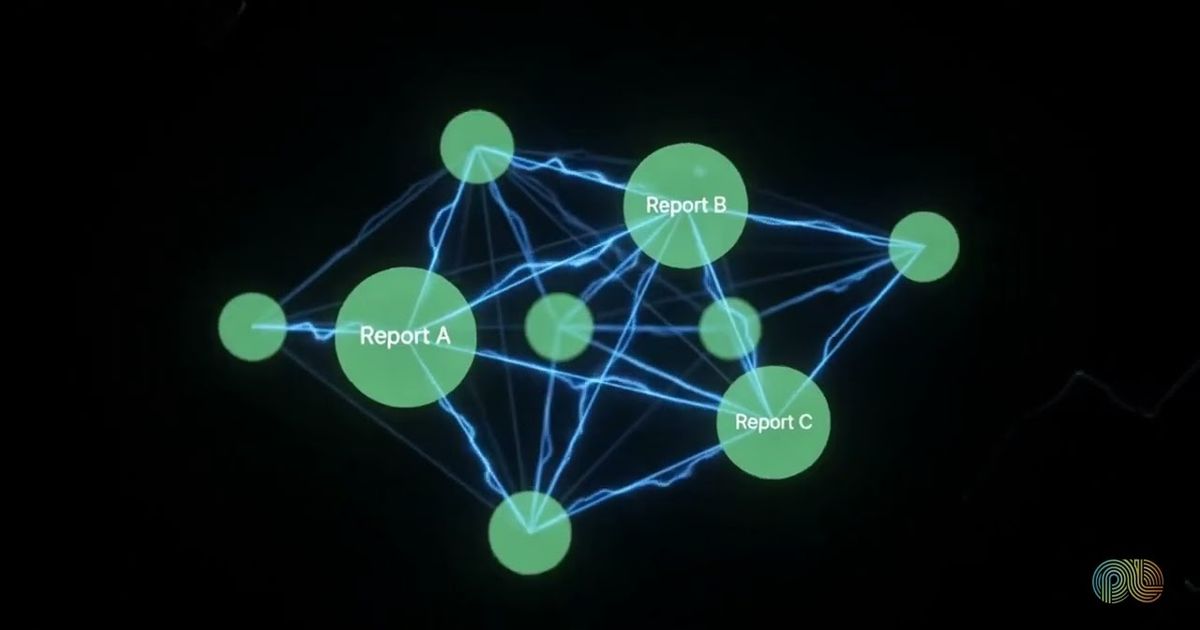
Comparative Theme Analysis Across Research Studies
Comparative theme analysis reveals recurring and changing patterns across studies, groups, methods, products, and time periods while preserving context.

Comparative theme analysis looks at themes across studies, participant groups, time periods, products or research methods to find the similarities and differences that matter. It shows which patterns persist, which are new and how context changes their meaning, so separate findings add up to a cumulative body of evidence you can make better decisions with.
One study can't tell you whether a problem is persistent, brand new or peculiar to that one research context. Comparing themes can. Done well, it shows the broader pattern and keeps the differences that actually mean something.
What is comparative theme analysis?
The systematic examination of themes across multiple sources of research evidence, sometimes called comparative thematic analysis. Each study stops being a standalone investigation, and you start asking how its themes relate to everything else you know.
So what do you compare? Studies run for different projects or business questions; participant groups with distinct needs, roles or experiences; research done before and after a product or market change. Products, journeys, locations and customer segments work too, and so do findings from interviews, surveys, observations or other methods.
You're hunting for repetition and variation at once. A recurring theme may point to a durable pattern. A difference may reveal an emerging behavior, an unmet need or an opportunity no single study could show. Either way, you've gone past basic theme identification into comparative evidence analysis.
How do you compare themes across studies?
Define research objects that can actually be compared, and keep each theme's context attached. Then align related themes, look at how they match and differ, and work out why it matters.
- Select the comparison scope: studies, groups, periods, products, methods or some mix.
- Align related themes. Group concepts that look semantically connected, even when researchers used different labels.
- Examine context: participants, study objectives, product conditions, evidence and timing.
- Interpret the pattern. Classify themes as persistent, emerging, declining or context-specific, then spell out the implications.
Here's how that plays out. Two onboarding studies a year apart both find confusion during account setup. In the first, the confusion comes from unclear instructions. In the second, it may reflect product changes or higher customer expectations. Same label, different cause, and the cause is what tells the team what to fix.

How can AI support comparative theme analysis?
AI is good at discovery across big research collections. It isn't good at deciding what the connections mean, so we think the best setup pairs automated pattern detection with human judgment about context.
What does it save you? Plenty of manual digging, especially in repositories full of inconsistent phrasing or lots of projects: it can group similar themes, surface recurring concepts and suggest relationships across studies.
Researchers are still on the hook for four things. Check whether suggested relationships hold up against the underlying evidence. Interpret differences in participants, products, methods and time periods. Tell similar language apart from genuinely similar experiences. Decide why a recurring or changing pattern matters.
"Setup difficulty" could describe two quite different problems in two studies, so read the original context before you merge them.

What makes theme comparisons reliable?
Four things: consistent coding, structured research objects, semantic relationships and well-kept metadata. With them, researchers can connect findings without tearing them away from their original meaning.
Shared definitions cut accidental variation between analysts and studies. Structured objects keep themes, evidence, participants, methods and decisions identifiable and connected. Semantic relationships let you link related concepts even when the wording differs, and complete metadata (dates, audiences, products, methods, study objectives) gives you the context to compare fairly.
The same groundwork makes it easier to search for and judge hidden patterns across research projects. Skip it and you'll mistake naming differences for real ones, or merge findings that only look alike.
What mistakes should you avoid when comparing themes?
Comparing labels without looking at the evidence and context underneath. Similar wording can hide different experiences, and different wording can describe the same issue.
Watch for these traps too:
- Merging themes before checking how each study defined and coded them.
- Ignoring product changes, participant differences, research methods or elapsed time.
- Treating repetition as proof that every group experiences an issue the same way.
- Accepting AI-suggested relationships without human validation, or dropping source links and metadata when themes get consolidated.
Keep the variation. Forcing every finding into one universal category throws away exactly what comparison is for: understanding what persists, what changes and why those patterns call for different interpretations or actions.
How PulseLake helps
PulseLake keeps research objectives, methods, evidence and decisions in a persistent study context, backed by a research knowledge graph and cross-study search. Specialized agents can help with qualitative analysis and deep research, and evidence provenance, ontology, governance and lineage let researchers inspect how findings connect. To talk about comparative analysis within a broader research system, talk to our team.
Frequently asked questions
Can comparative theme analysis combine qualitative and quantitative research?
It can, as long as you keep track of how each finding was produced. Qualitative evidence may explain experiences and meanings, while quantitative research may show how widely a defined issue appears. Don't treat unlike forms of evidence as interchangeable; connect them and keep their methodological context attached.
How do you know whether two themes are genuinely the same?
Look well beyond the names. Review the underlying evidence, theme definitions, participant groups, research objectives, products, methods and time periods. Two themes line up when they describe the same underlying experience or concept at a sensible level of abstraction. Similar words alone don't qualify.
How often should teams compare themes across their research repository?
Good moments are during synthesis, when you update a recurring study or when you're investigating a decision that spans several projects. Comparison pays off more as a repository grows, since new evidence may strengthen, challenge or refine earlier interpretations. Set the cadence by your research volume and decision needs instead of an arbitrary schedule.