
Notes on running research end to end.
Ideas, methods and product thinking on AI-native research, institutional knowledge and the future of insights work. Prefer to watch? See all videos. Short on time? Common questions, answered directly.
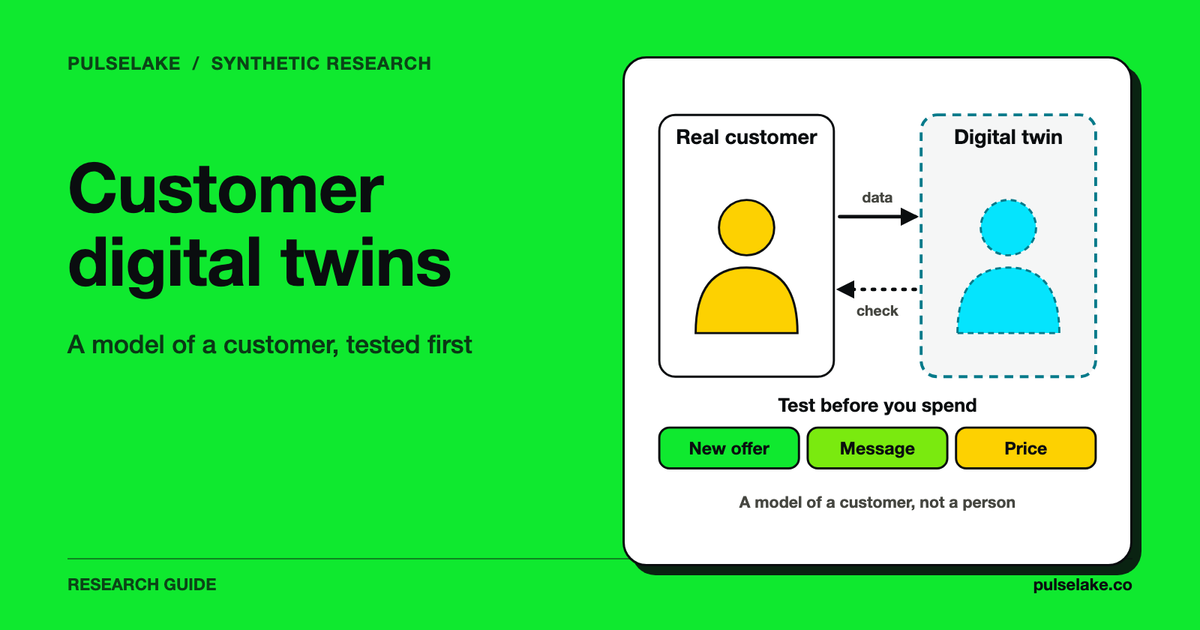
What is a customer digital twin? Definition, uses and limits
A practical definition of customer digital twins, their research uses, evidence requirements and limits.
Read article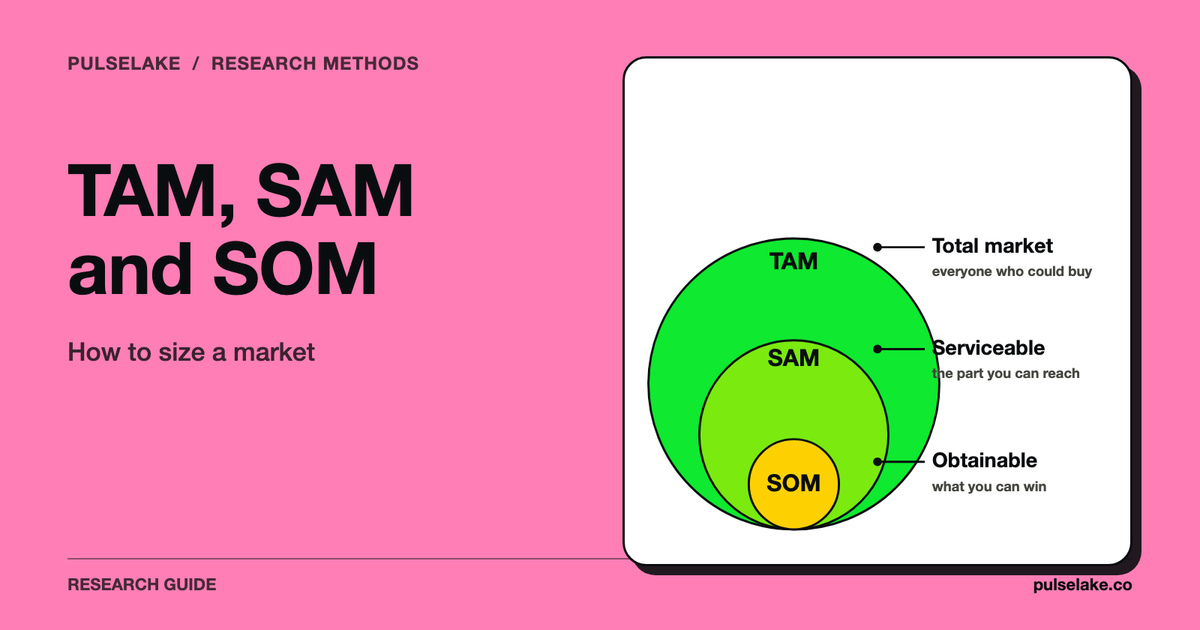
Market Sizing Guide: How to Calculate TAM, SAM, and SOM in 2026
How to calculate TAM, SAM and SOM step by step, with a hypothetical worked example, top-down vs bottom-up, common mistakes and where to find data.
Read article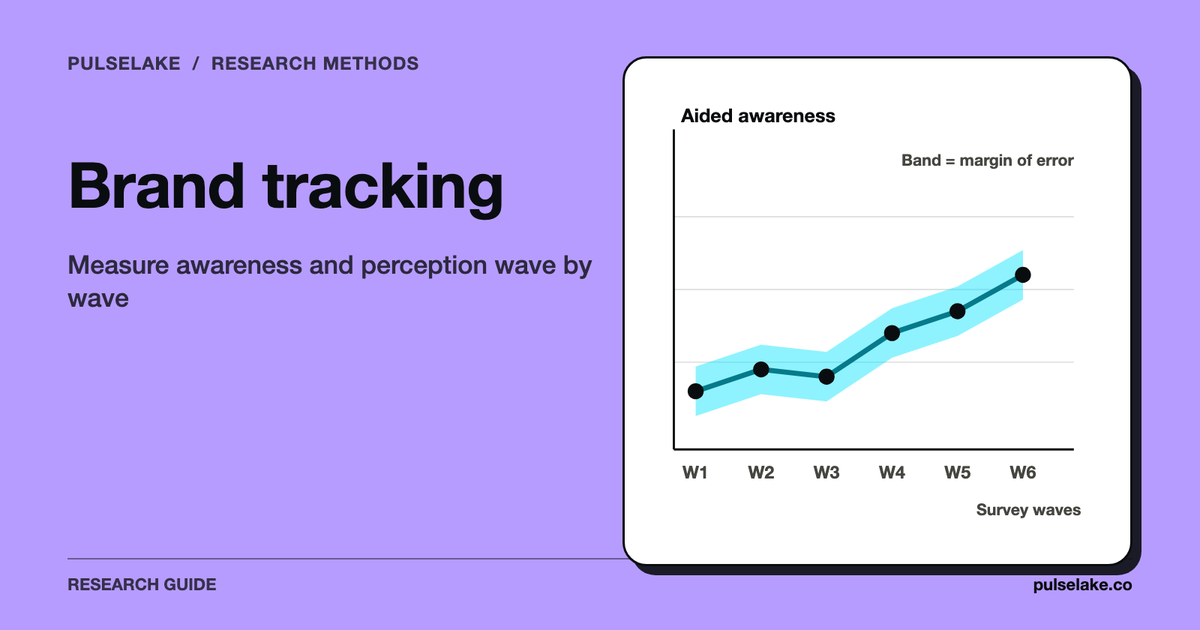
Brand Tracking in 2026: How to Measure Brand Awareness and Perception
How to measure brand awareness and perception with brand tracking and brand health tracking: metrics, survey setup, sample size, and tool options.
Read article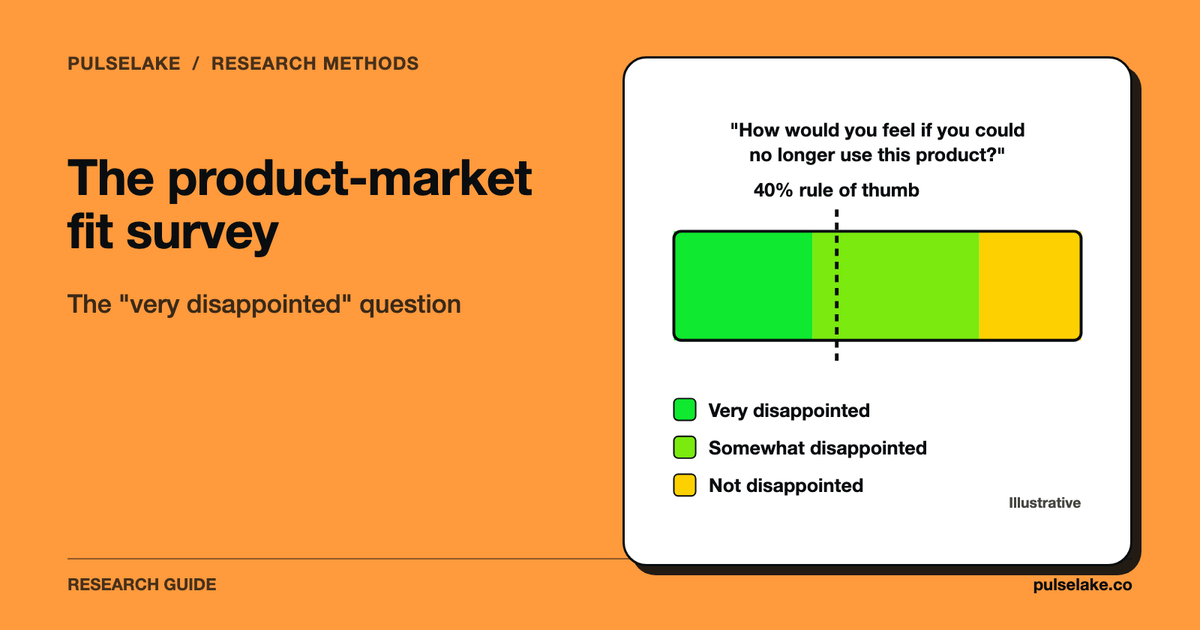
Product-Market Fit Survey Guide: Questions, Metrics, and Analysis (2026)
How to run a product-market fit survey: the Sean Ellis question, the Superhuman PMF engine, a question template, sample size and how to analyze results.
Read article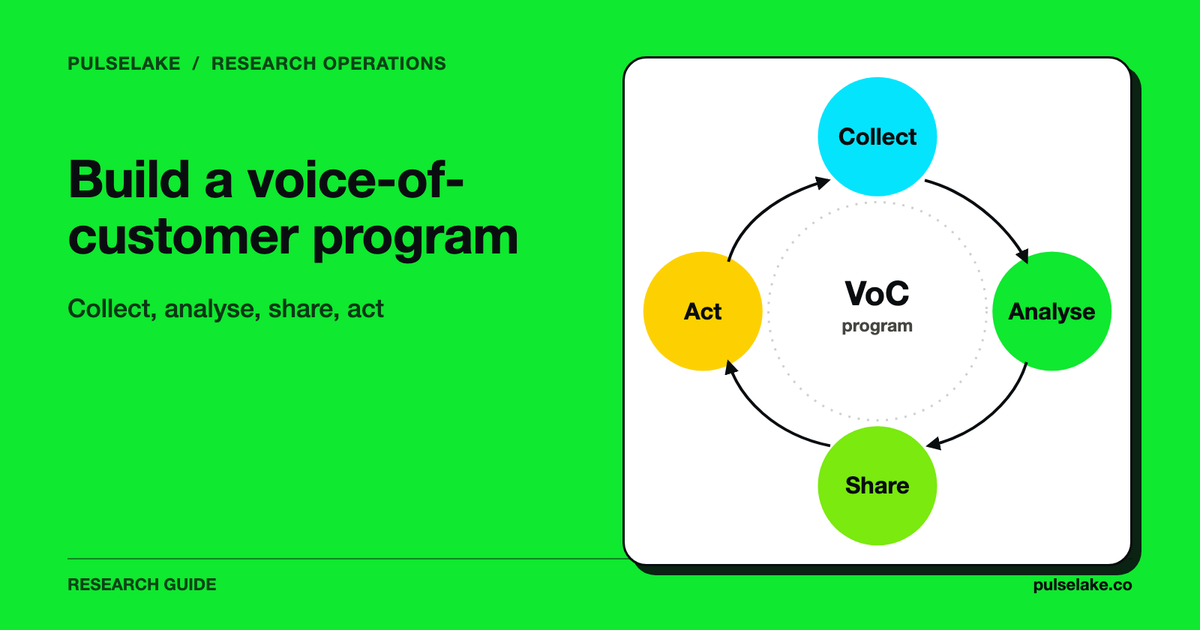
How to Build a Voice of the Customer Program: Templates & Surveys (2026)
Set up a voice of the customer program: a 10-step checklist, survey timing, six copyable question templates, and how to analyze and act on feedback.
Read article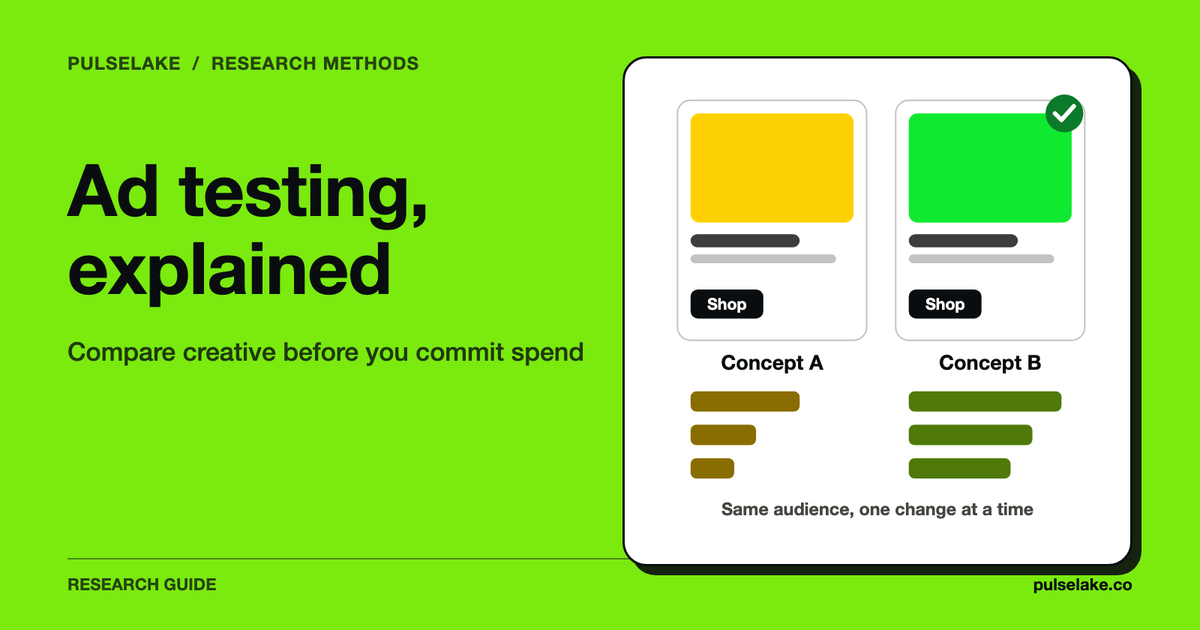
Ad Testing in 2026: How to Test and Optimize Creative Concepts
How to test and optimize ad creative in 2026: concept testing, pre-testing and A/B tests, which metrics fit each stage, and where tools fit.
Read article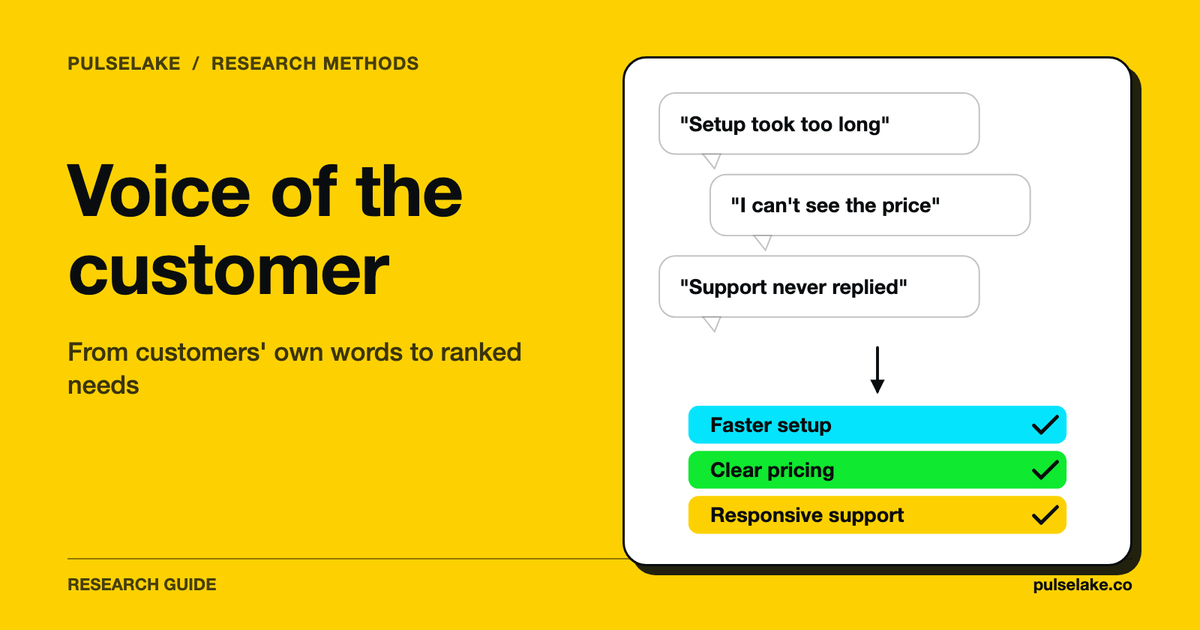
Voice of the Customer (VoC): Frameworks and Research Methods (2026)
What Voice of the Customer (VoC) is, the main research methods and frameworks (needs hierarchy, Kano, journey maps, CTQ), sample sizes and analysis.
Read article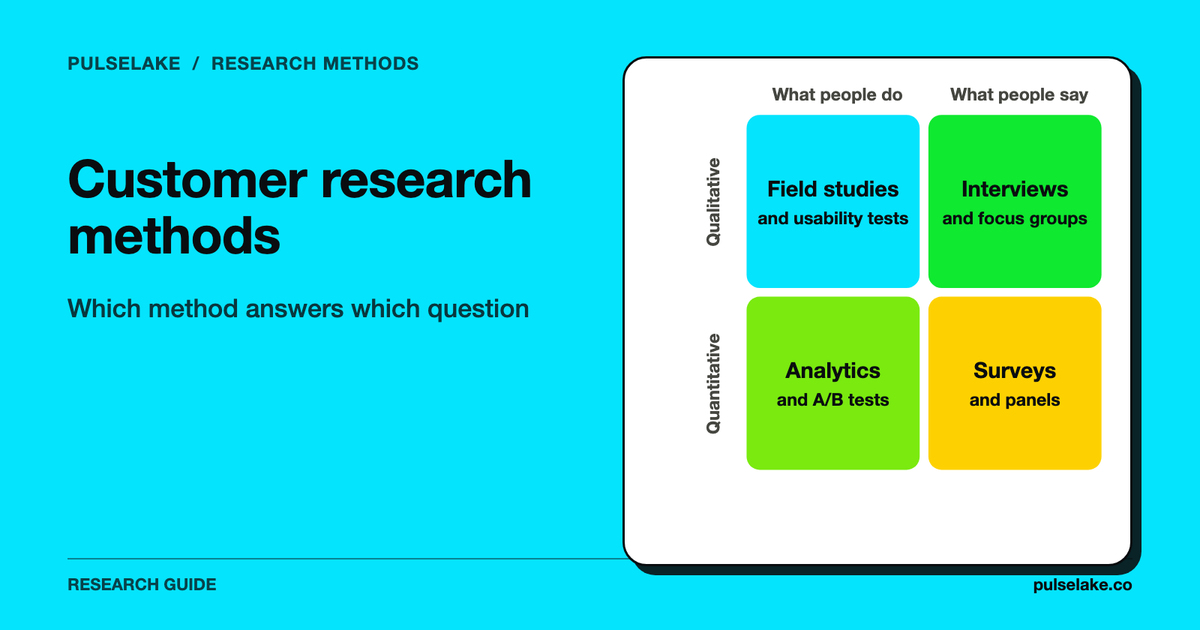
Customer Research Methods: Modern Techniques for Insights Teams (2026)
Customer research methods compared: interviews, surveys, observation and AI-moderated studies, with a step-by-step process and how to choose by question.
Read article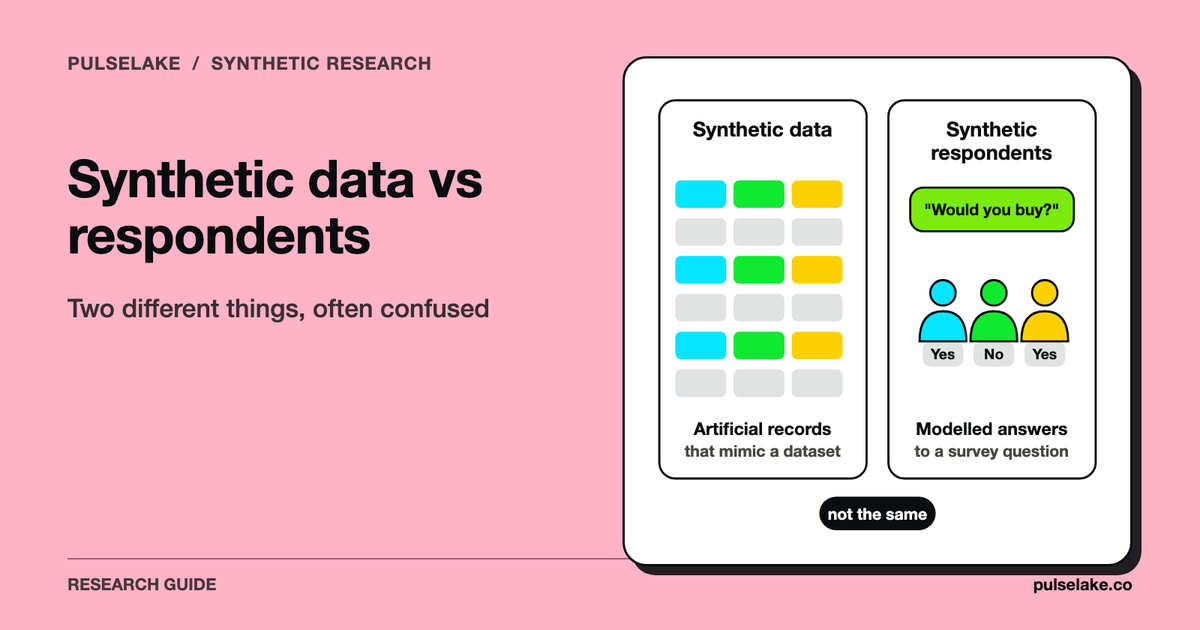
Synthetic data vs synthetic respondents: what's the difference?
Understand synthetic datasets, simulated respondents and the evidence needed before using either in market research.
Read article
SurveySparrow vs SurveyMonkey: which should you use in 2026?
A practical SurveySparrow and SurveyMonkey comparison covering questionnaire logic, feedback workflows, AI analysis, exports and migration.
Read article
Qualtrics vs Medallia: which is better in 2026?
Compare Qualtrics and Medallia by research workflow, experience operations, evidence quality, implementation and procurement scope.
Read article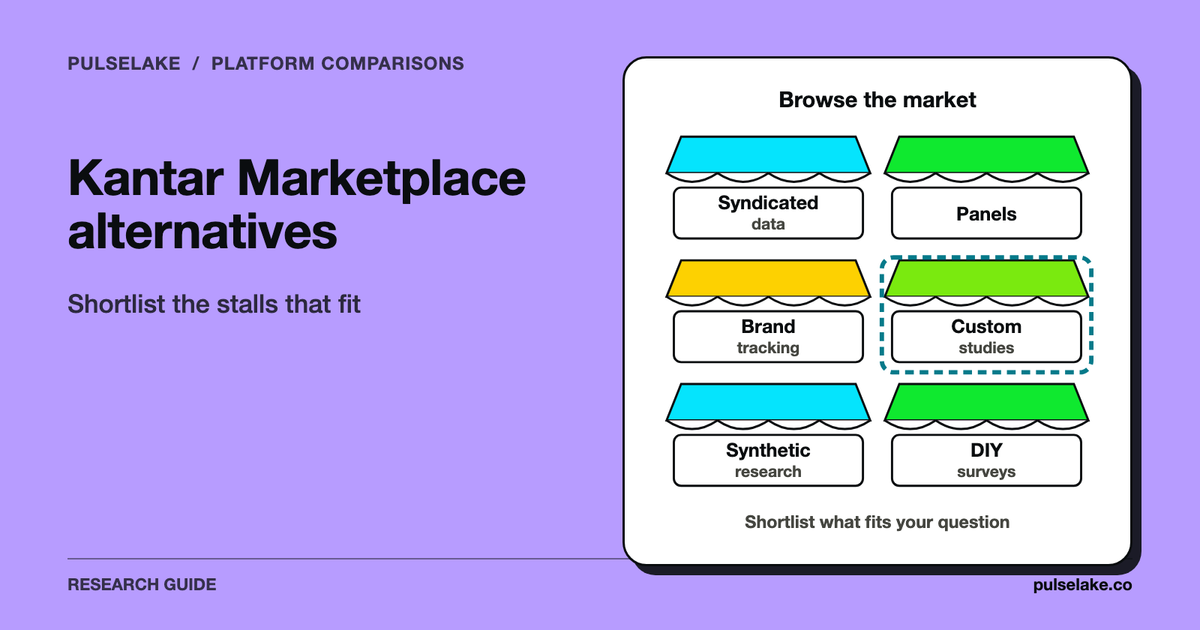
Kantar Marketplace Alternatives (2026)
Compare Kantar Marketplace alternatives by research method, audience access, study flexibility and implementation needs.
Read article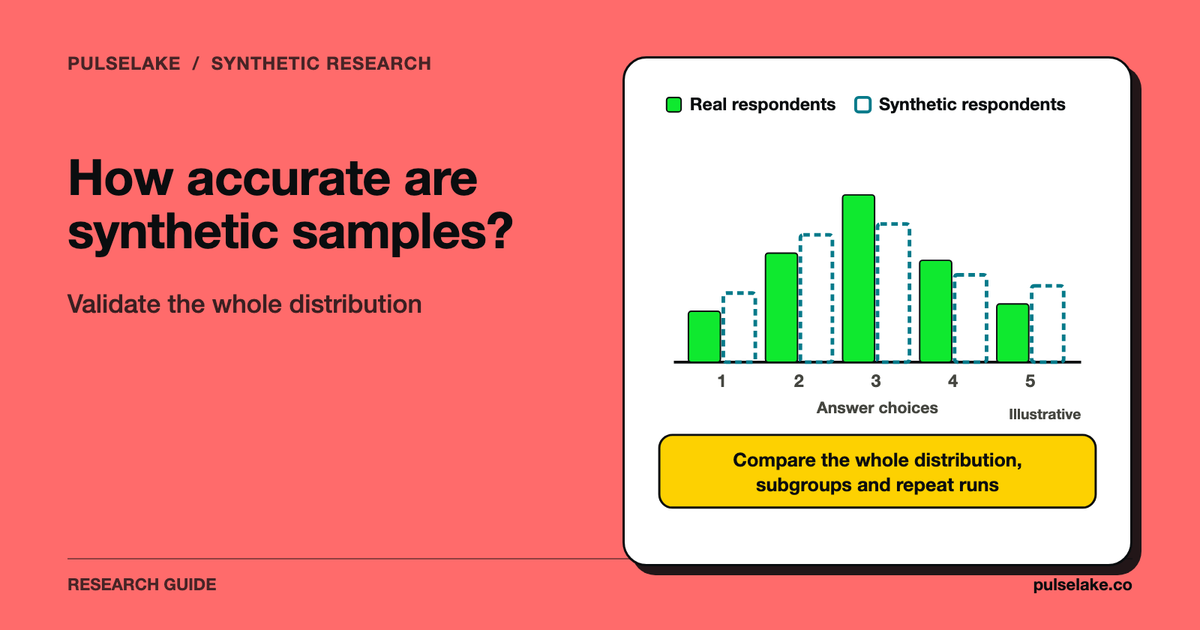
How accurate are synthetic respondents? Validation methods and benchmarks
Assess synthetic respondents against human evidence for a defined audience and decision, without assuming a universal accuracy rate.
Read article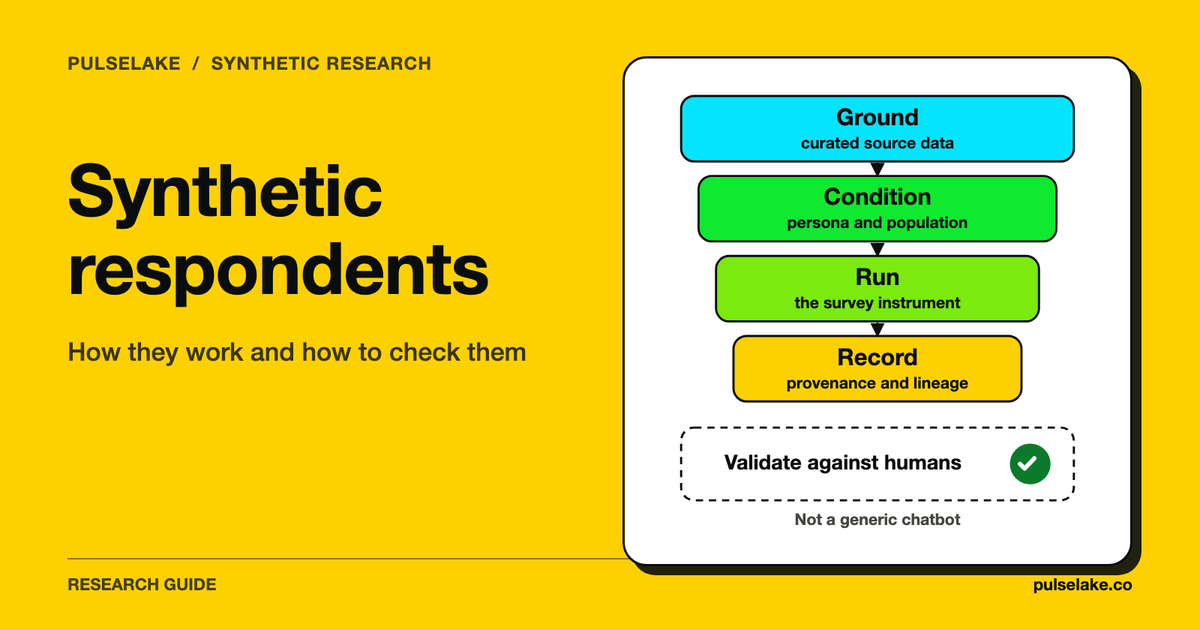
Synthetic respondents in 2026: how they work, how to validate them, and which tools offer them
Compare synthetic research platforms by method, validation, data requirements and the decisions they can reasonably support.
Read article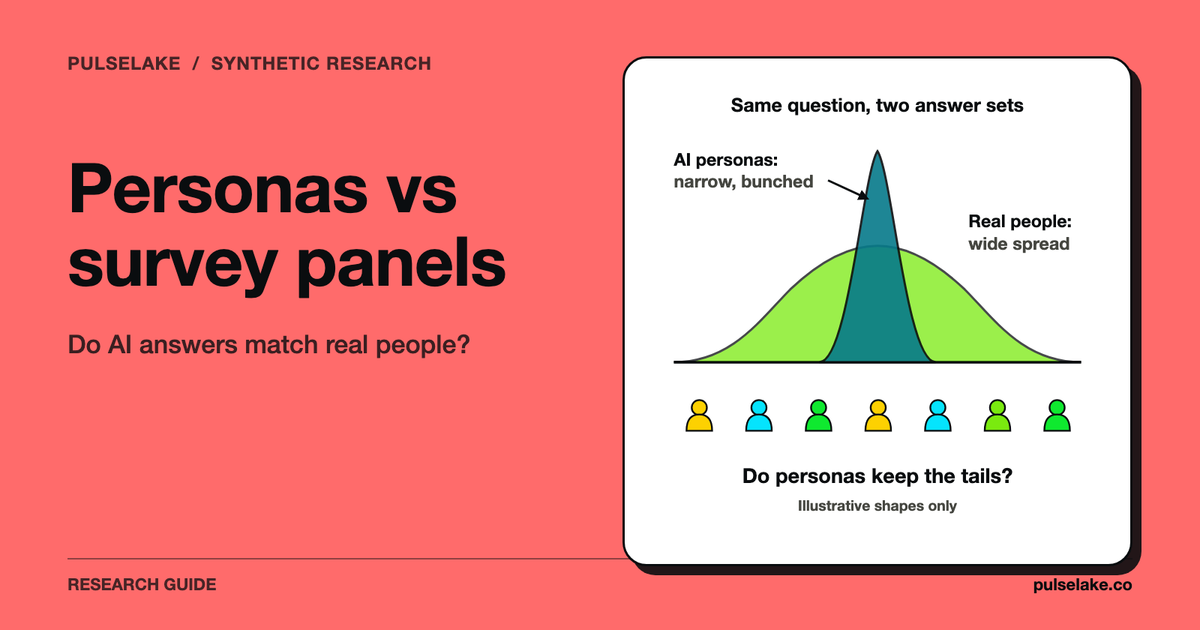
Can AI personas replace survey panels? What research means for buyers
Where synthetic respondents can help with early research, why human panels still matter, and how to evaluate the evidence before making decisions.
Read article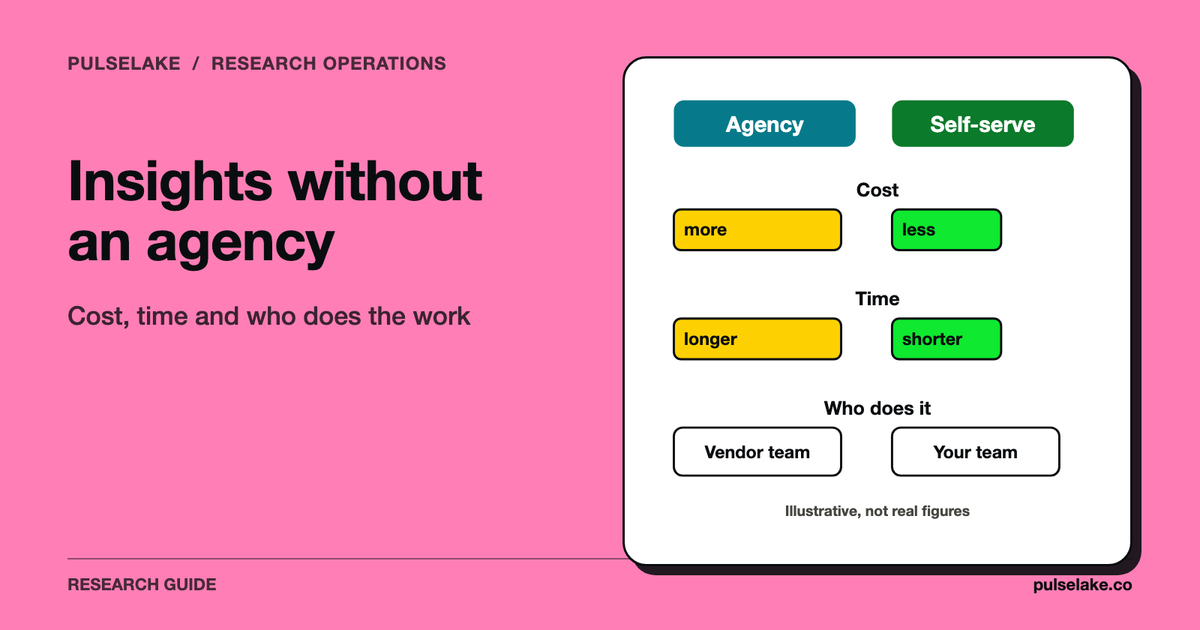
Consumer insights without an agency: comparing cost, time and responsibilities
Compare the responsibilities, cost drivers and trade-offs of running consumer insights internally or working with a research agency.
Read article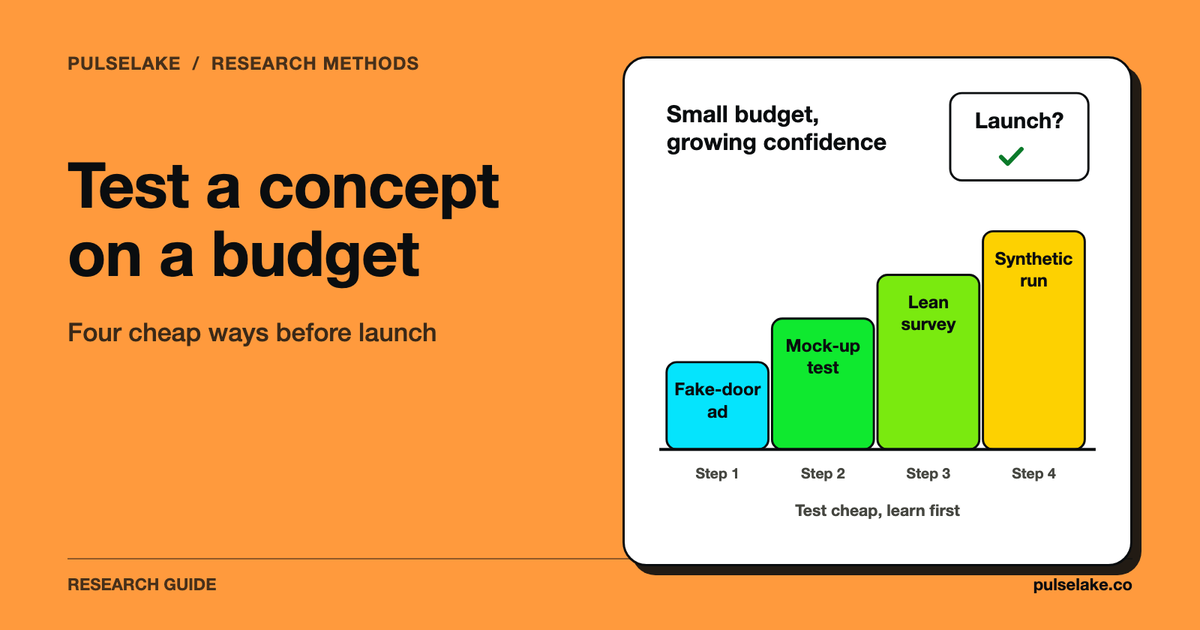
How to Test a Product Concept Before Launch on a Small Budget
Plan a small-budget concept study with a clear decision, focused prototype, relevant participants and a practical analysis process.
Read article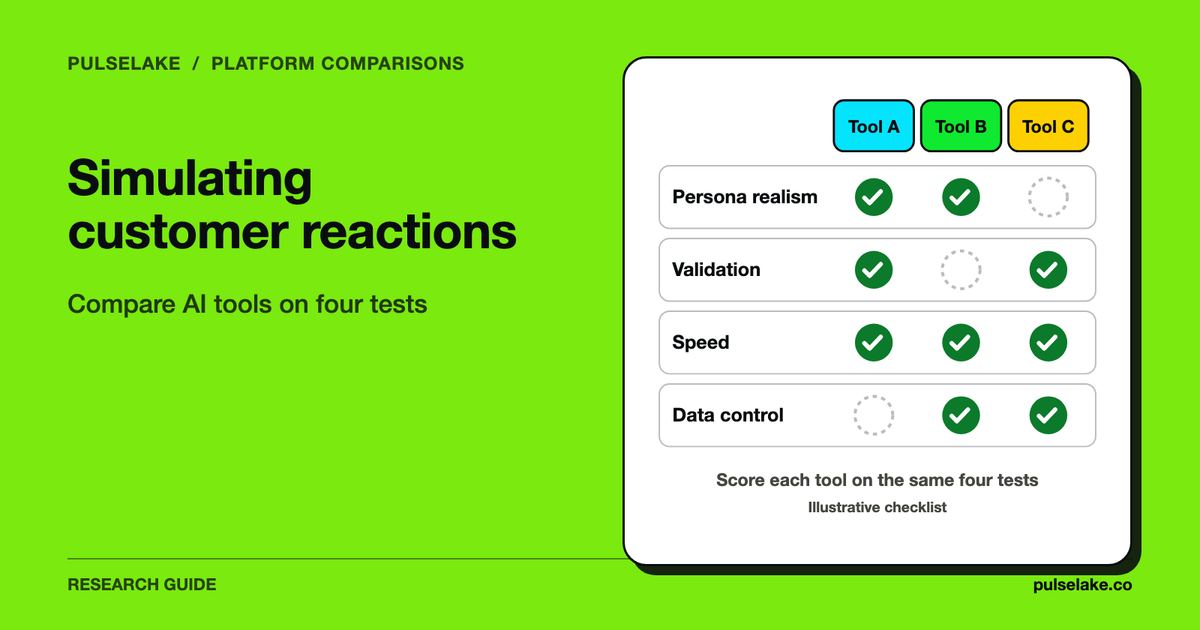
Best AI tools for simulating customer reactions in 2026
Choose tools for simulating customer reactions by research task, evidence quality and the need for validation with real participants.
Read article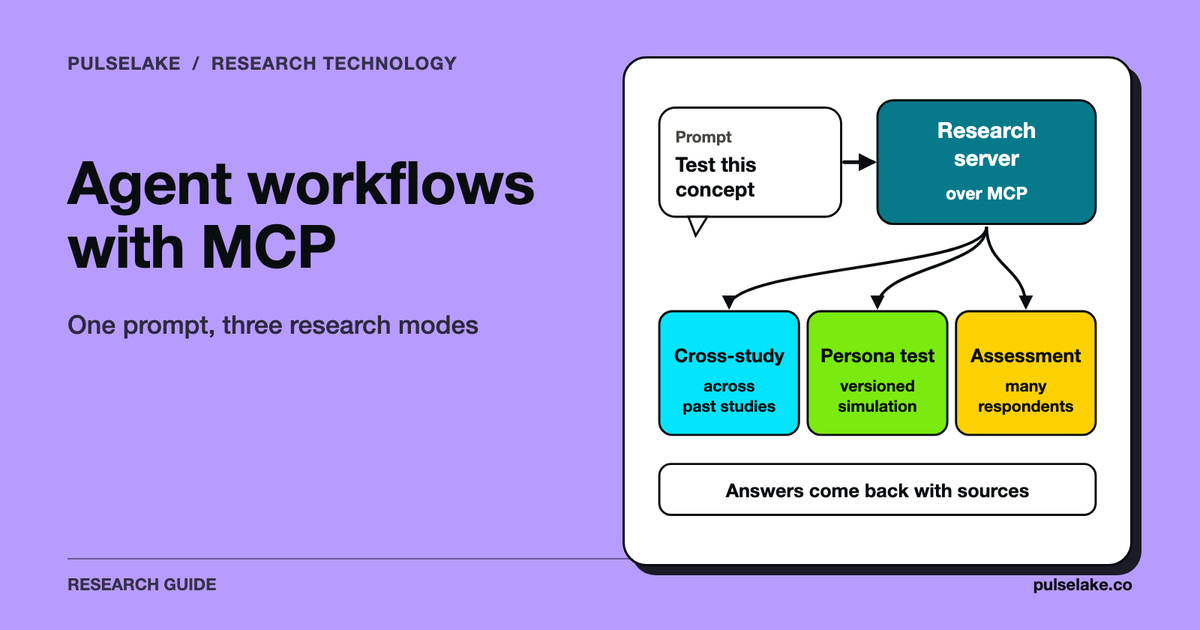
PulseLake AI agent workflows: capabilities and MCP integration questions
How PulseLake connects research frameworks, dimension-based analysis and Copilot calculations—and what to confirm before configuring external agent integrations.
Read article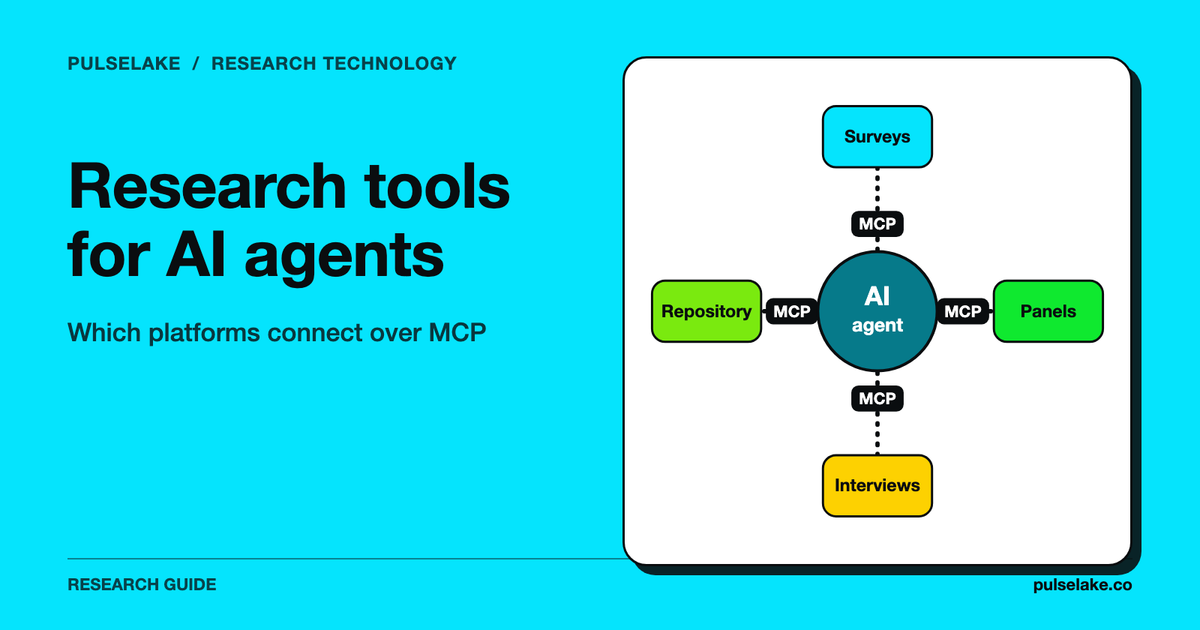
Market research platforms that work with AI agents and MCP (2026)
Compare market research tools for AI agent workflows, including MCP connections, permissions, evidence retrieval and human review.
Read article
Strategic Research Systems: Connecting Evidence to Decisions
Strategic research systems connect evidence, knowledge, research planning, and decisions to organizational goals for stronger long-term direction.
Read article
Research Intake Systems: A Practical Guide
Research intake systems turn requests into clear, prioritized evidence needs by capturing decisions, context, urgency, stakeholders, and existing knowledge.
Read article
Research-Driven Transformation Explained
Research-driven transformation uses continuous evidence and learning to guide organizational change, reduce uncertainty, and improve decisions over time.
Read article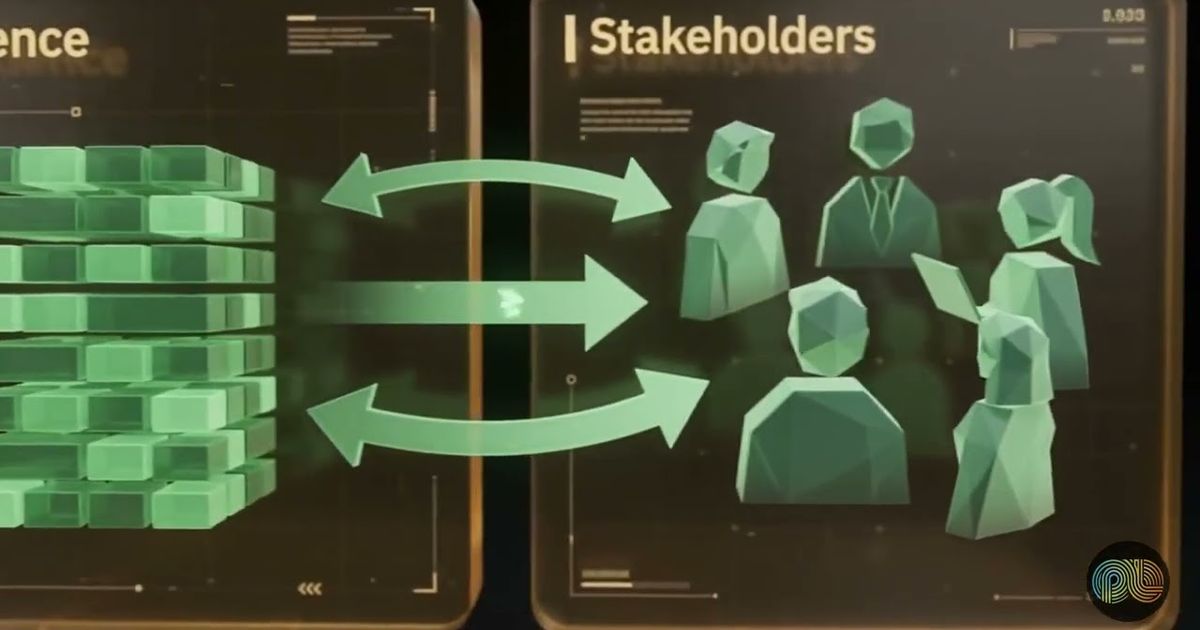
Research Objects vs. Research Reports
Research objects turn questions, evidence, findings, and decisions into structured, reusable knowledge, while reports communicate a project narrative.
Read article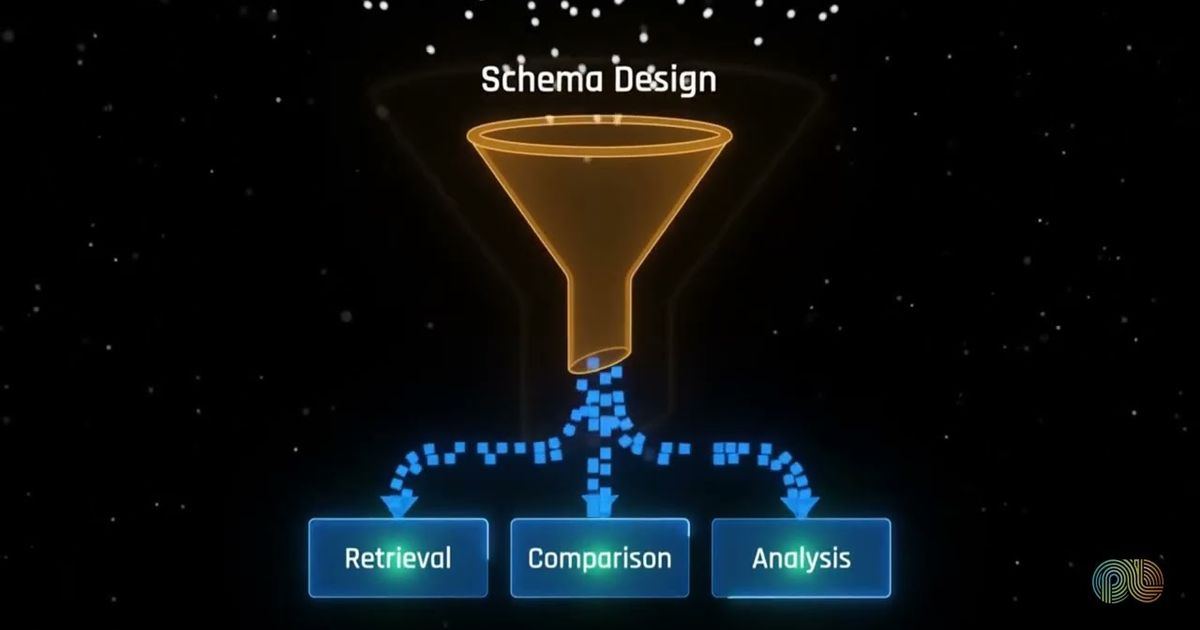
Research Schema Design for Reusable Knowledge
Research schema design organizes questions, evidence, findings, and decisions so knowledge remains understandable, connected, reusable, and adaptable.
Read article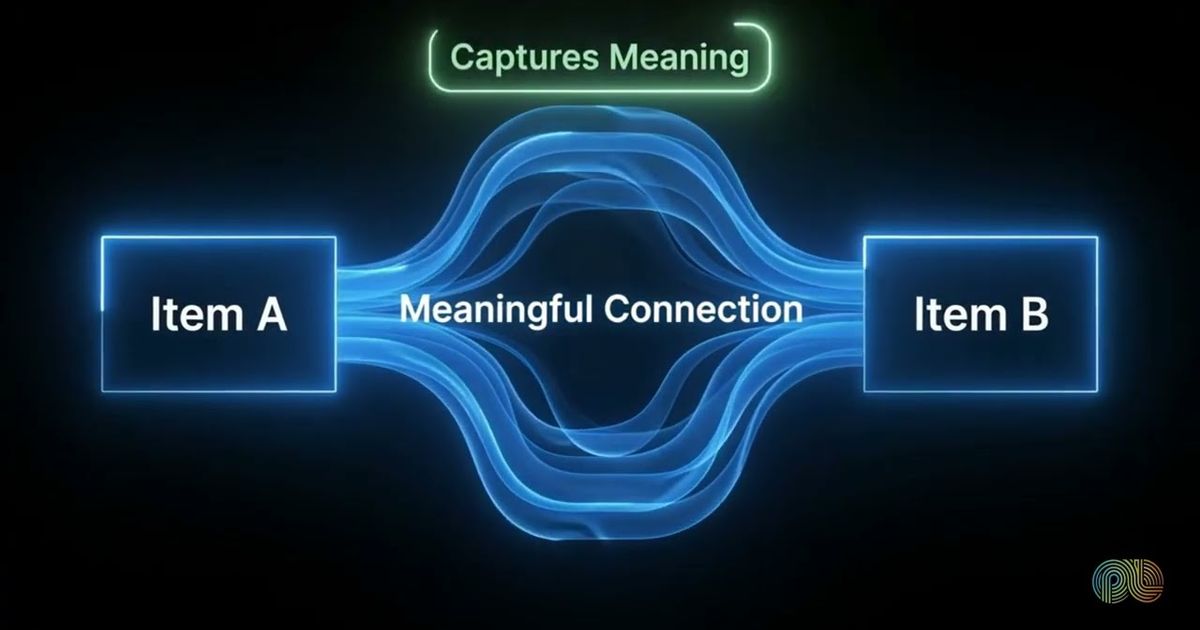
Semantic Relationships in Research Explained
Semantic relationships in research connect evidence, findings, questions and decisions so knowledge is easier to trace, retrieve, synthesize and reuse.
Read article
Research Workflow Automation Explained
Research workflow automation coordinates repeatable processes, reduces operational friction, and frees researchers to focus on analysis and interpretation.
Read article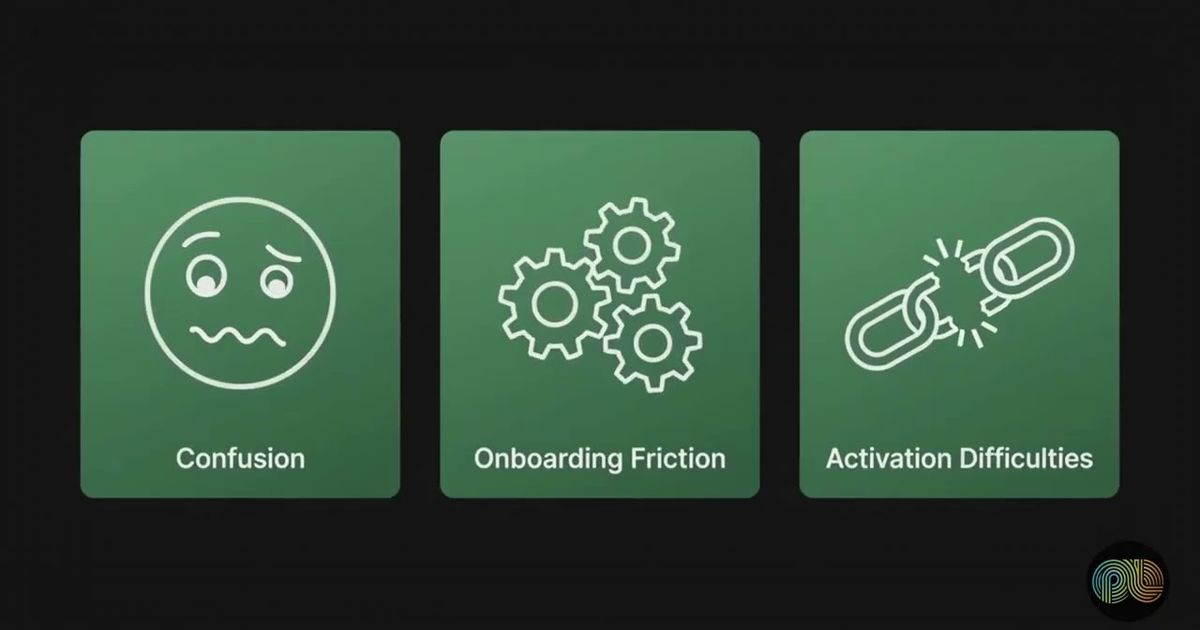
Semantic Search Explained for Research Teams
Semantic search retrieves research by meaning, intent, and conceptual relationships, helping teams find relevant evidence even when wording varies by study.
Read article
Standardized Research Requests
Standardized research requests capture decisions, objectives, audiences, evidence, constraints, and timelines so teams can prioritize work consistently.
Read article
Structured Research Assets: Reusable Knowledge
Structured research assets keep findings, evidence, metadata, and relationships searchable, reusable, and trustworthy across studies and over time.
Read article
Study Templates That Scale Across Research Teams
Study templates that scale create consistent research structures, improve collaboration, support comparison, and preserve room for researcher judgment.
Read article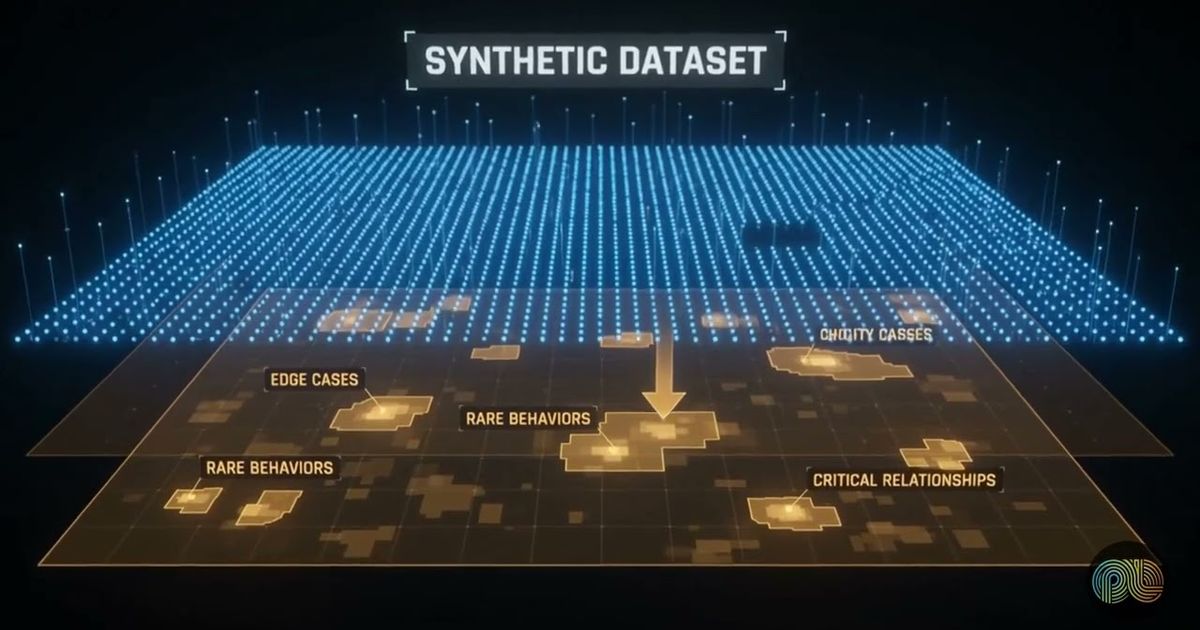
Synthetic Data Validation
Synthetic data validation tests whether generated datasets preserve the distributions, relationships, behaviors, and relevance required for reliable use.
Read article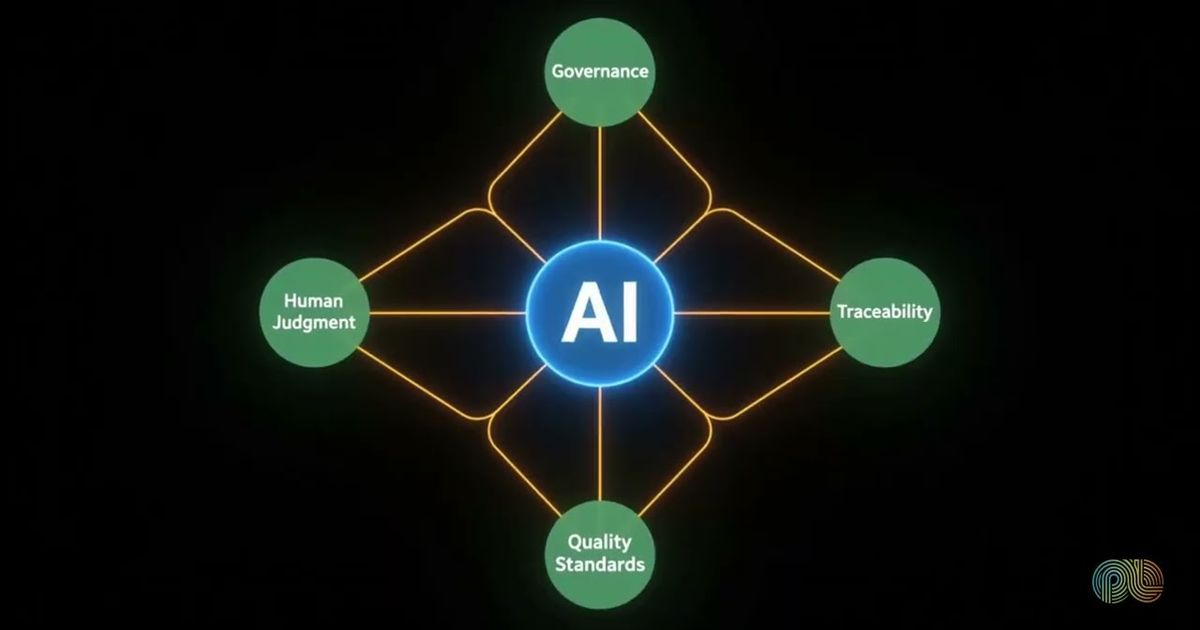
Future of Evidence Systems: Connected, Living Knowledge
The future of evidence systems connects questions, evidence, reasoning, and decisions so organizations can reuse knowledge and make better-informed choices.
Read article
Validating AI Summaries
Validating AI summaries requires tracing claims to source evidence, preserving uncertainty and balance, and applying human review before publication.
Read article
Ontologies vs. Traditional Tagging in Research
Ontologies improve research repositories by modeling concepts and relationships, enabling semantic search, cross-study reasoning and confident evidence reuse.
Read article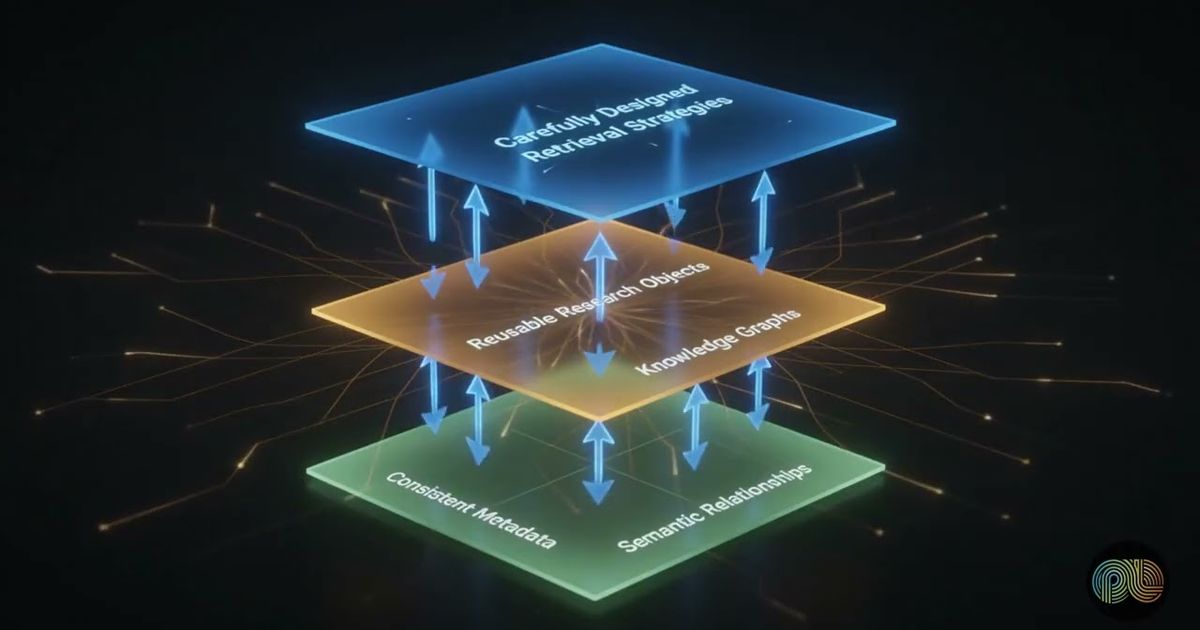
Searchable Organizational Intelligence Explained
Searchable organizational intelligence makes research easier to find, verify, and apply by connecting evidence, findings, decisions, and context.
Read article
Scoring Frameworks for Organizational Assessments
Scoring frameworks turn assessment evidence into consistent evaluations, helping organizations compare capabilities, track progress, and prioritize action.
Read article
Rubric-Based Evaluation for AI Outputs
Rubric-based evaluation defines clear criteria for judging AI outputs, helping teams produce more consistent reviews and targeted, repeatable feedback.
Read article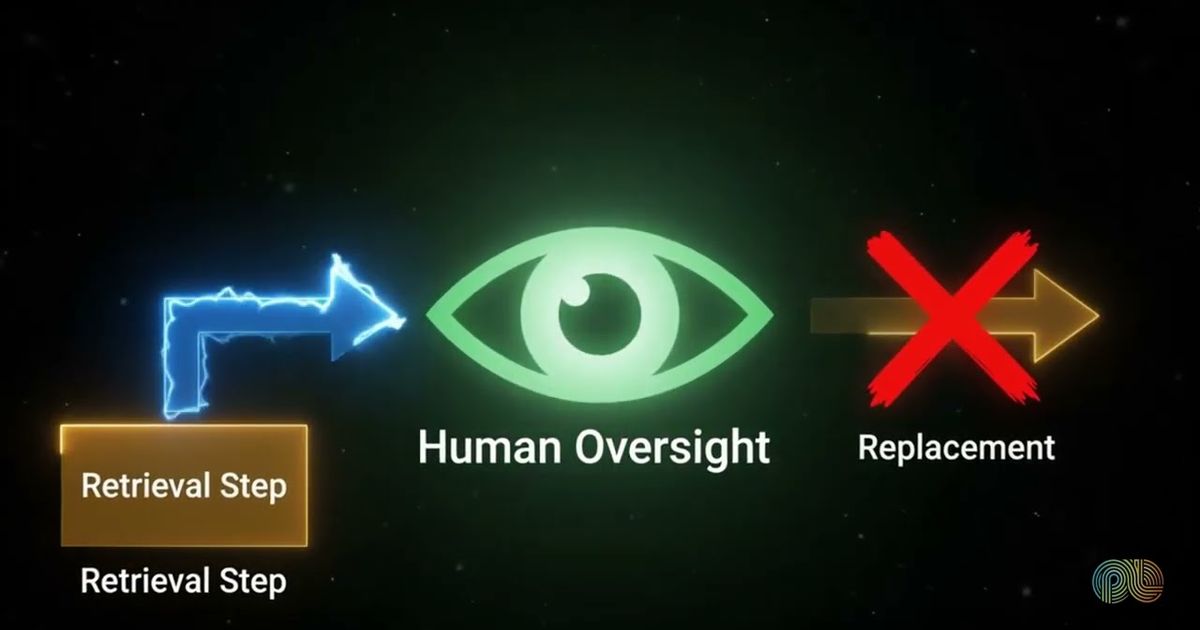
Retrieval Augmented Research Explained
Retrieval augmented research grounds AI analysis in trusted organizational evidence, making findings more accurate, transparent, traceable, and explainable.
Read article
Responsible AI Research: Principles and Practices
Responsible AI research keeps AI-assisted studies fair, reliable, transparent, private, and accountable through evaluation and human oversight.
Read article
Label Disagreement Resolution: A Practical Process
Label disagreement resolution examines conflicting annotations, clarifies guidelines, improves future consistency, and produces more reliable datasets.
Read article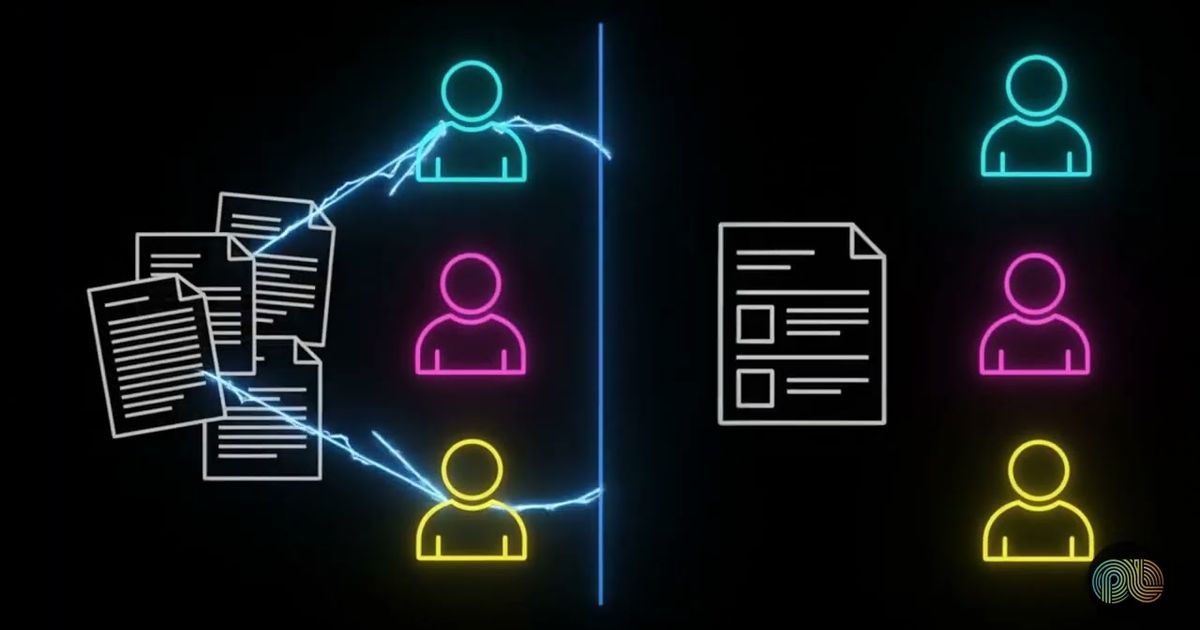
Research Version Control Explained
Research version control tracks meaningful changes, preserves evidence history, and shows teams which research assets are current, approved, and reliable.
Read article
Research SLAs: Setting Clear Service Expectations
Research SLAs define intake, response, priority, communication, and delivery expectations so teams can plan work without sacrificing research quality.
Read article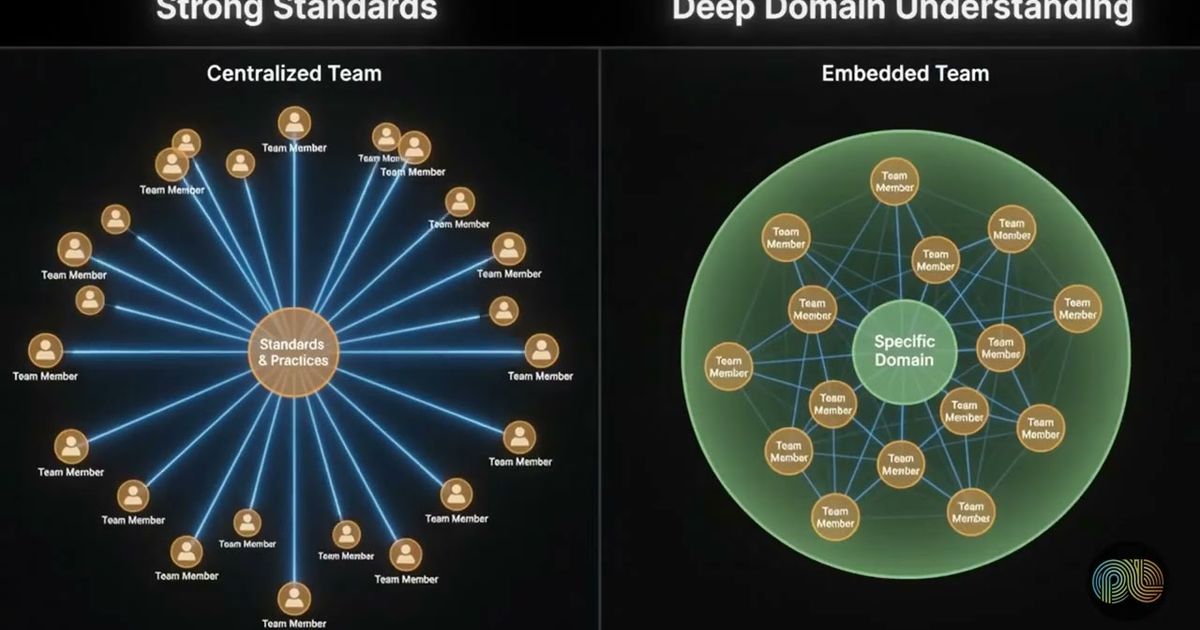
Research Service Models Explained
Research service models define how research is organized, accessed, governed, delivered, and reused so organizations can scale insight sustainably.
Read article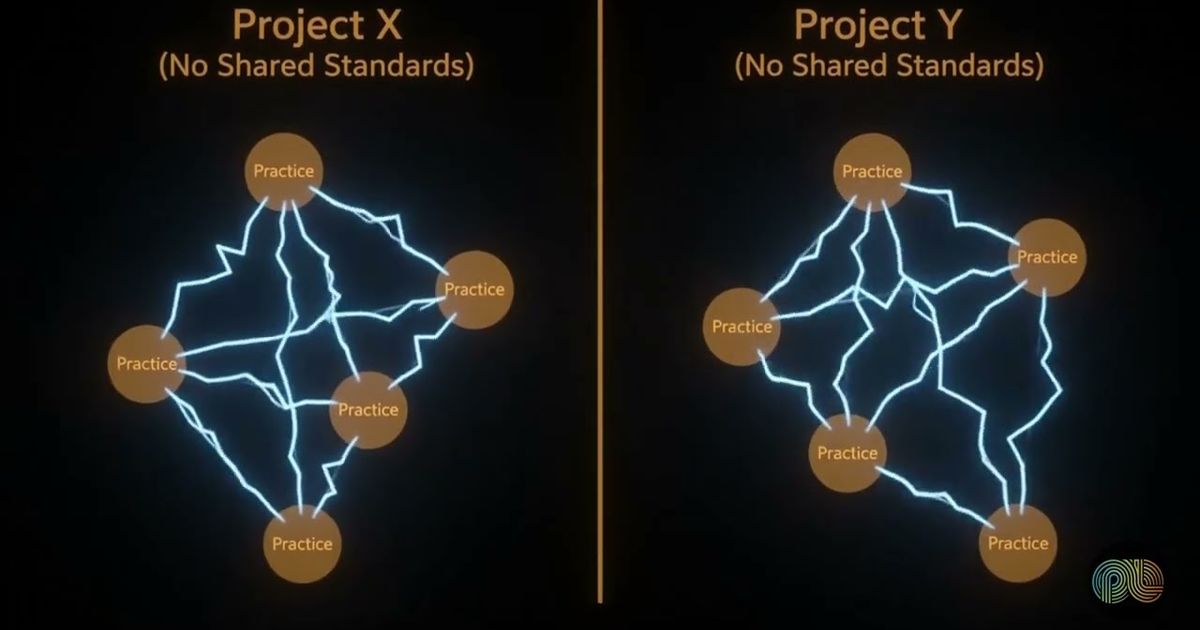
Research QA Checklists for Consistent, Trusted Evidence
Research QA checklists make quality standards visible and repeatable, helping teams catch errors, document evidence, and produce more trustworthy findings.
Read article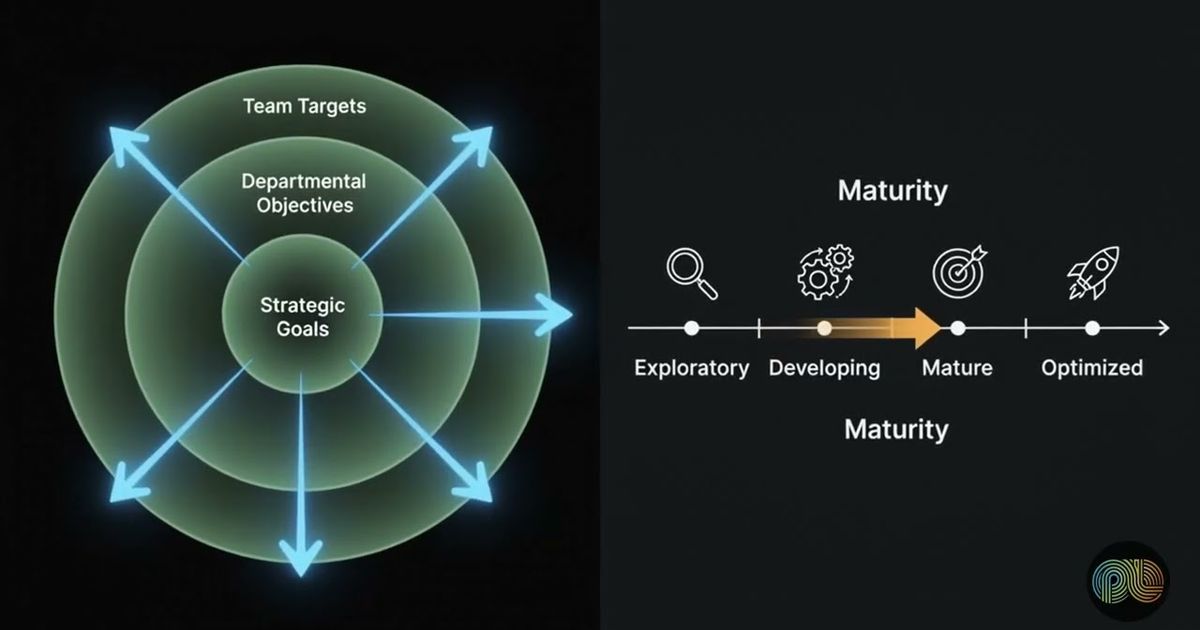
Research Prioritization Frameworks for Better Decisions
Research prioritization frameworks help teams rank requests by strategic value, decision impact, evidence gaps, effort, and available resources.
Read article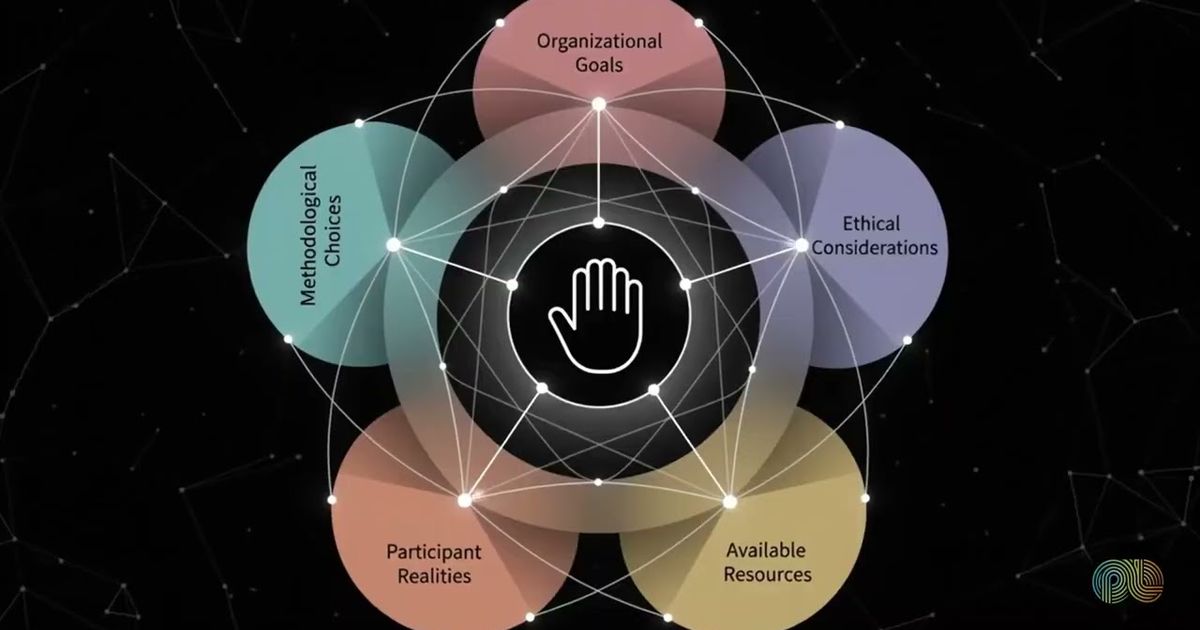
Research Planning With AI
Research planning with AI helps teams explore methods, refine questions, find prior evidence, and build stronger plans while humans retain control.
Read article
Research Narrative Generation Explained
Research narrative generation turns complex findings into clear, evidence-grounded explanations that connect patterns, meaning, and decisions.
Read article
Research Lifecycle Management Explained
Research lifecycle management coordinates every stage of research so evidence stays discoverable, governed, reusable, and valuable beyond one project.
Read article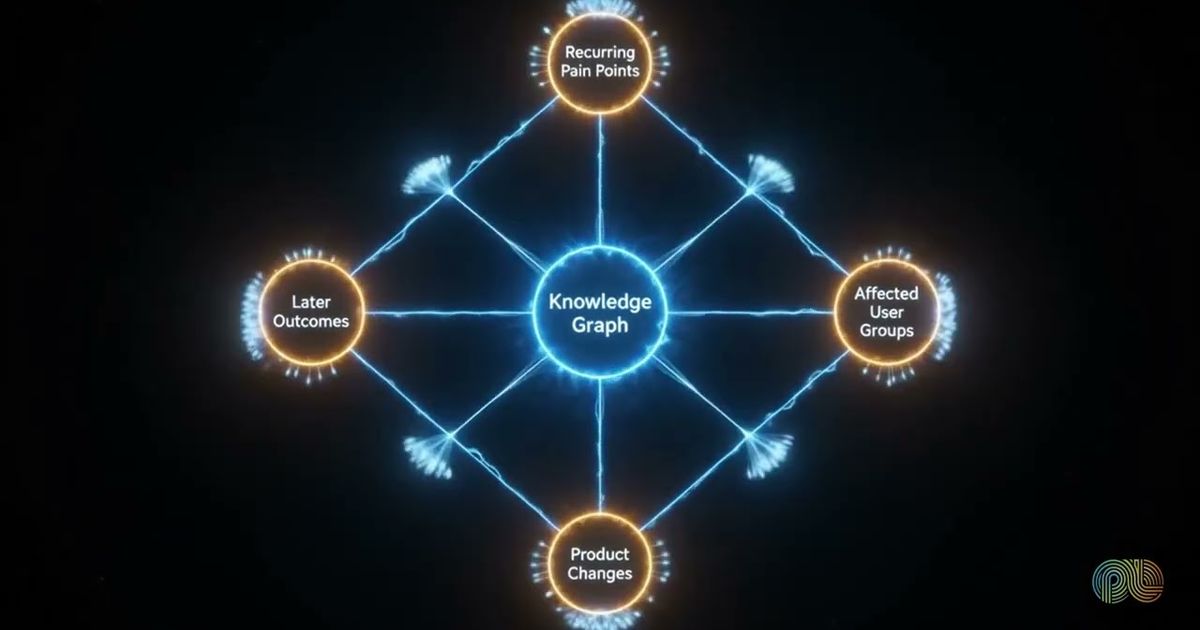
Research Knowledge Graphs: Connecting Evidence
Research knowledge graphs connect studies, evidence, findings, and decisions, making institutional knowledge easier to trace, retrieve, and reuse over time.
Read article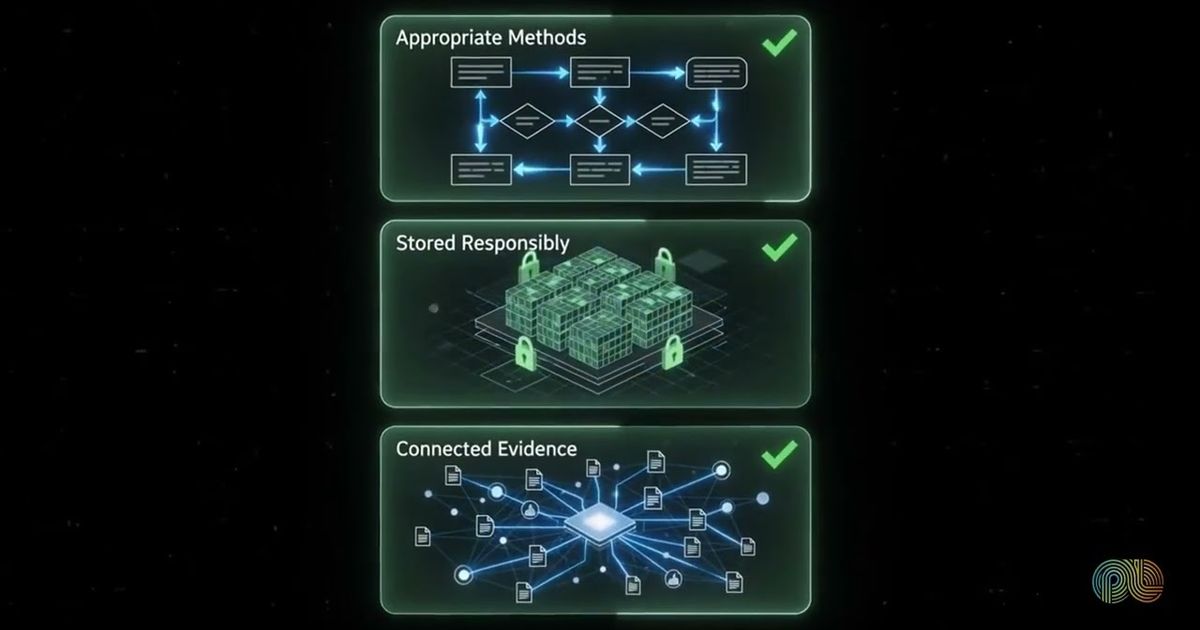
Research Governance at Scale: A Practical Framework
Research governance at scale creates shared standards for ethical, reliable, traceable work while preserving team flexibility and professional judgment.
Read article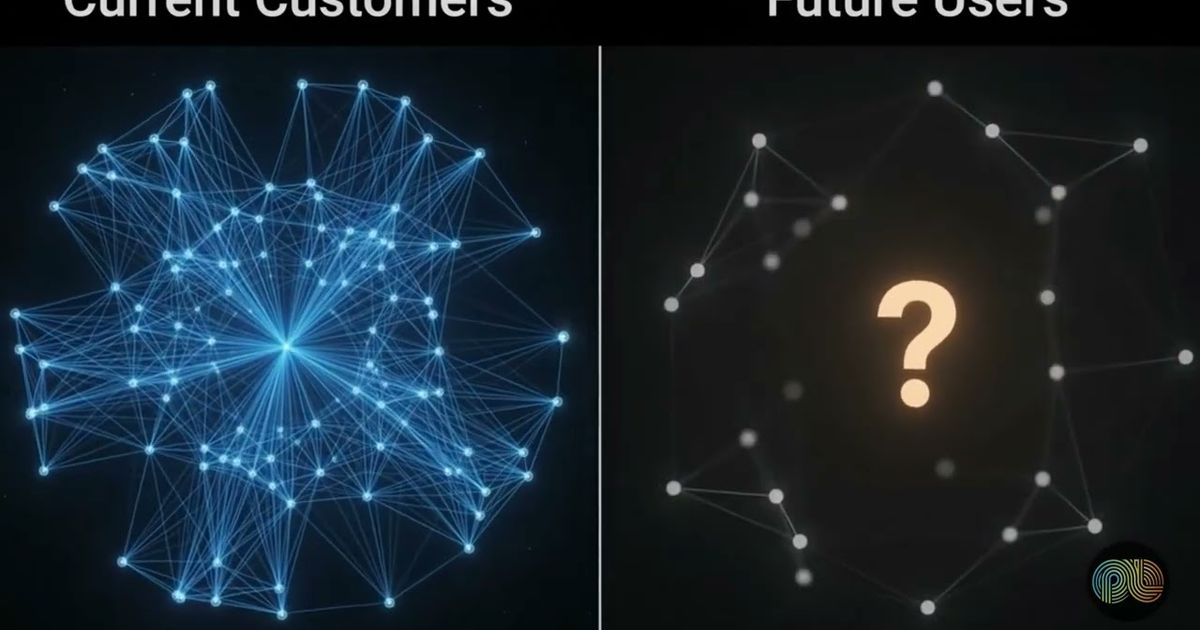
Research Gap Detection: Finding What You Need to Know
Research gap detection finds unanswered questions, weak evidence and missing perspectives so teams can prioritize research that reduces decision uncertainty.
Read article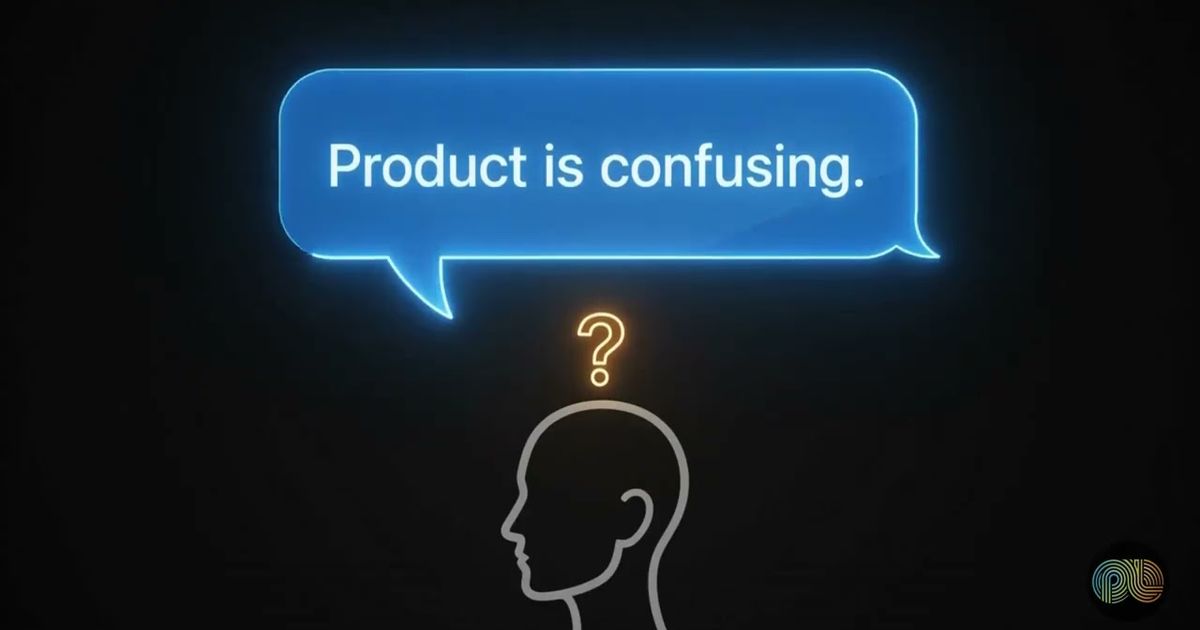
Research Context Windows Explained
Research context windows preserve meaning by pairing evidence with the questions, metadata, and observations needed for accurate interpretation.
Read article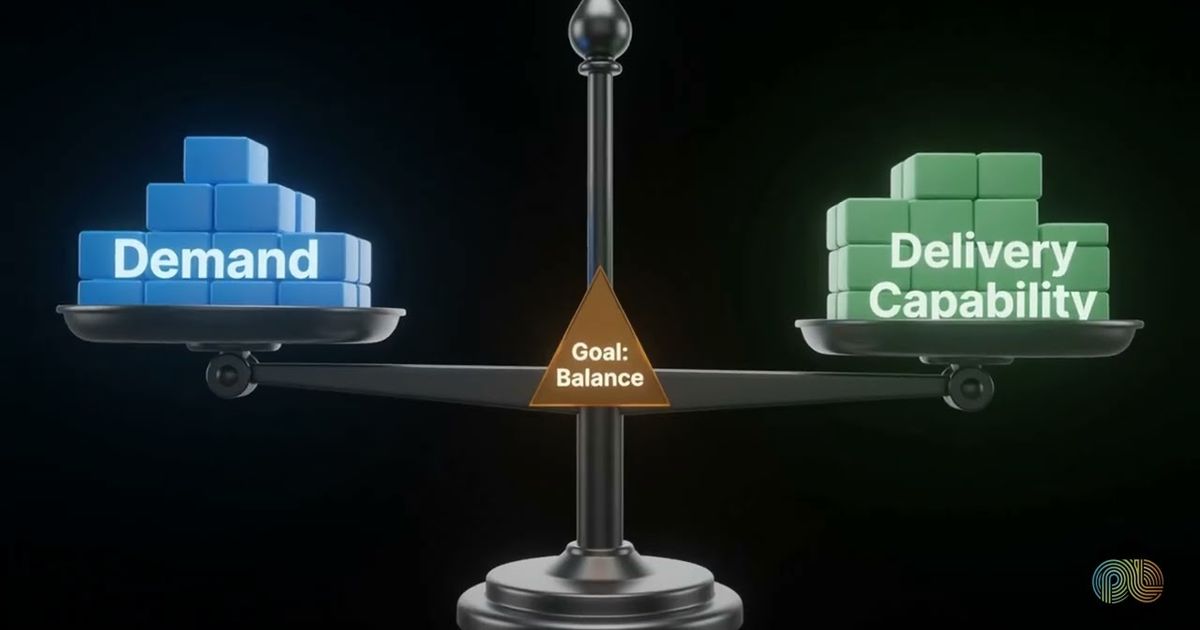
Research Capacity Planning: Balance Demand and Resources
Research capacity planning aligns researcher time, expertise, tools and support with expected demand so teams can prioritize valuable work sustainably.
Read article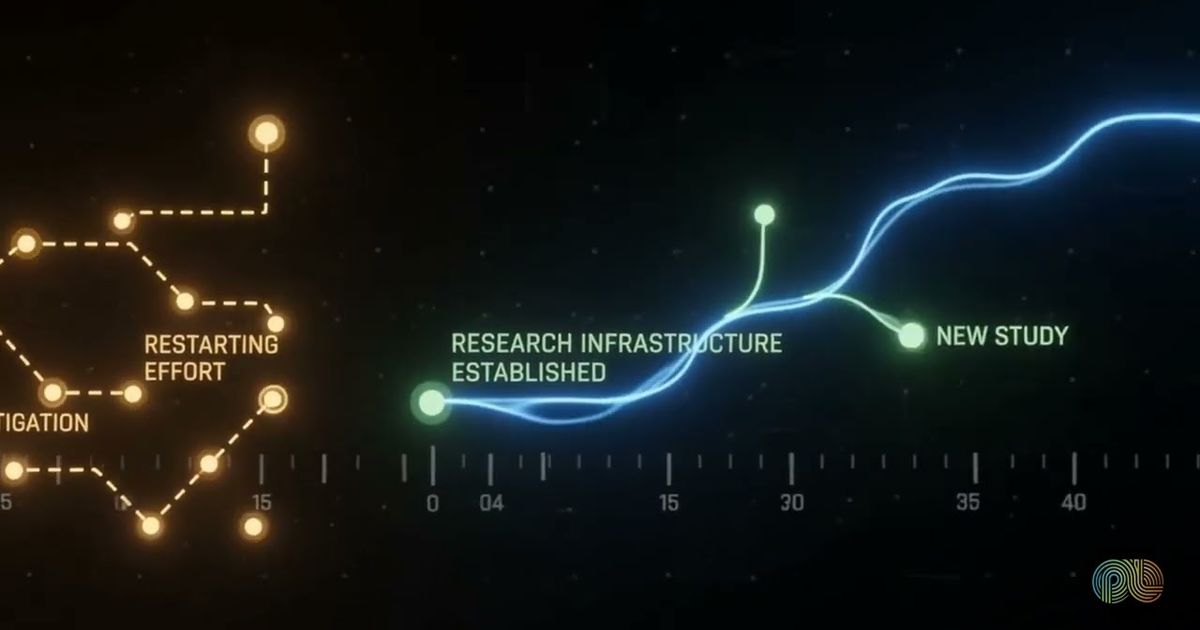
Research as Infrastructure: Building Durable Knowledge
Research as infrastructure connects evidence, methods, metadata, and governance so organizations can reuse knowledge and make more reliable decisions.
Read article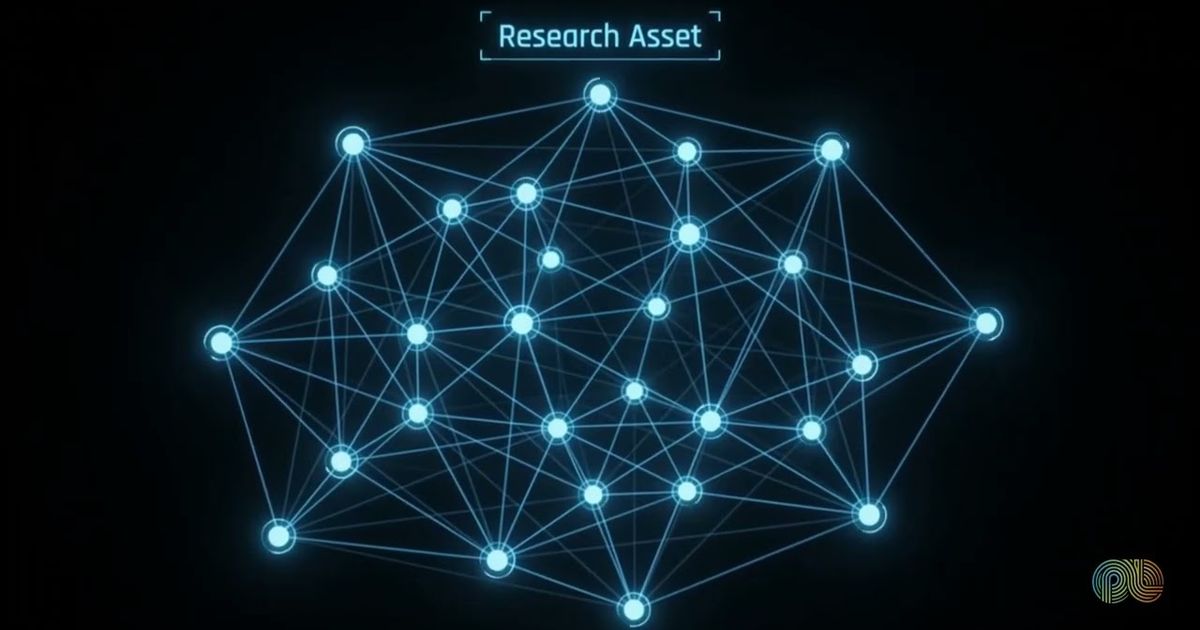
Repository Maintenance for Research Knowledge
Repository maintenance keeps research knowledge organized, current, connected, and trustworthy through metadata, governance, archiving, and review.
Read article
Reference-Based Evaluation for AI Outputs
Reference-based evaluation compares AI outputs with trusted answers, helping researchers assess accuracy, completeness, grounding, and consistency over time.
Read article
Question Level Traceability Explained
Question level traceability links every finding to the research question it answers, improving evidence reuse, gap detection, decisions and AI retrieval.
Read article
Qualitative Coding at Scale
Qualitative coding at scale combines consistent codebooks, human review and AI assistance to analyze growing evidence without sacrificing rigor or nuance.
Read article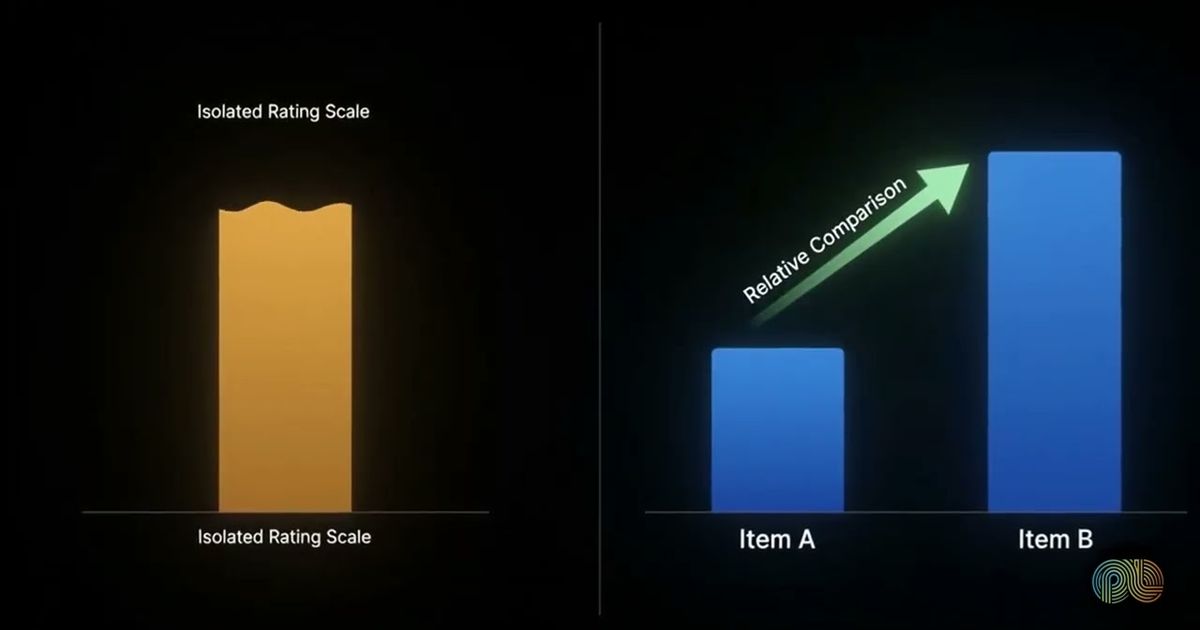
Pairwise Evaluation for AI Outputs
Pairwise evaluation compares two AI outputs against shared criteria, producing more consistent judgments for prompts, models, and research workflows.
Read article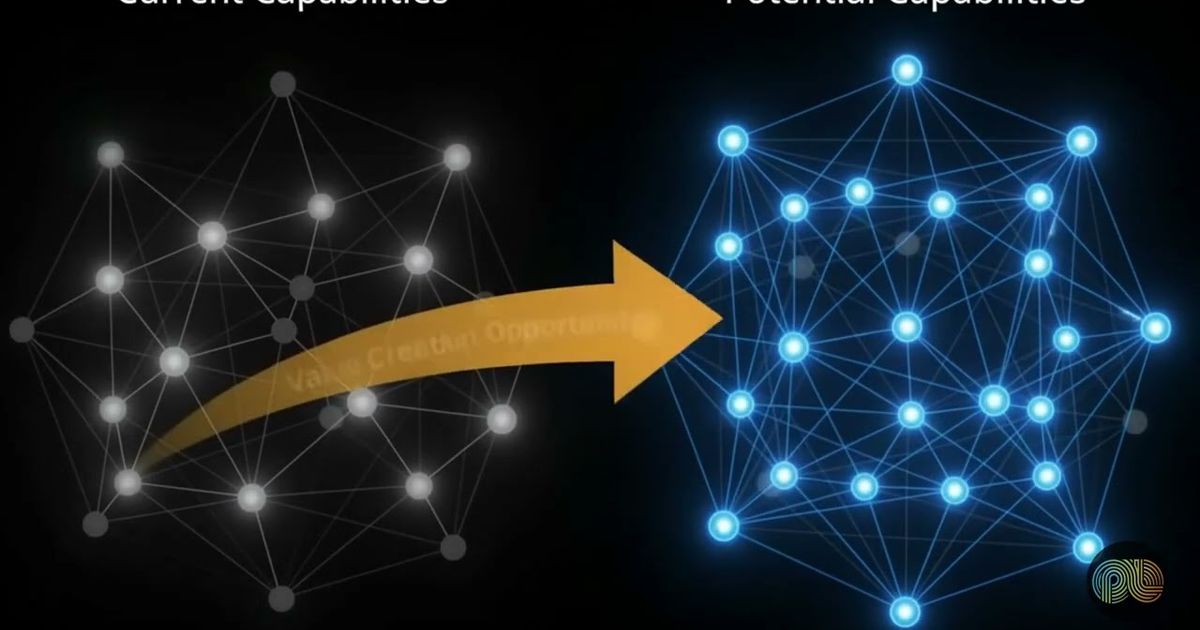
Organizational Benchmarking Explained
Organizational benchmarking compares capabilities with standards, peers, past performance, or future states to prioritize practical improvements.
Read article
Operationalizing Insights: Turning Research Into Action
Operationalizing insights embeds research evidence into decisions, workflows, and ownership so findings guide action instead of remaining static reports.
Read article
Multi-Document Analysis for Connected Research Evidence
Multi-document analysis connects evidence across transcripts, surveys, reports, and studies to reveal patterns while preserving each source's context.
Read article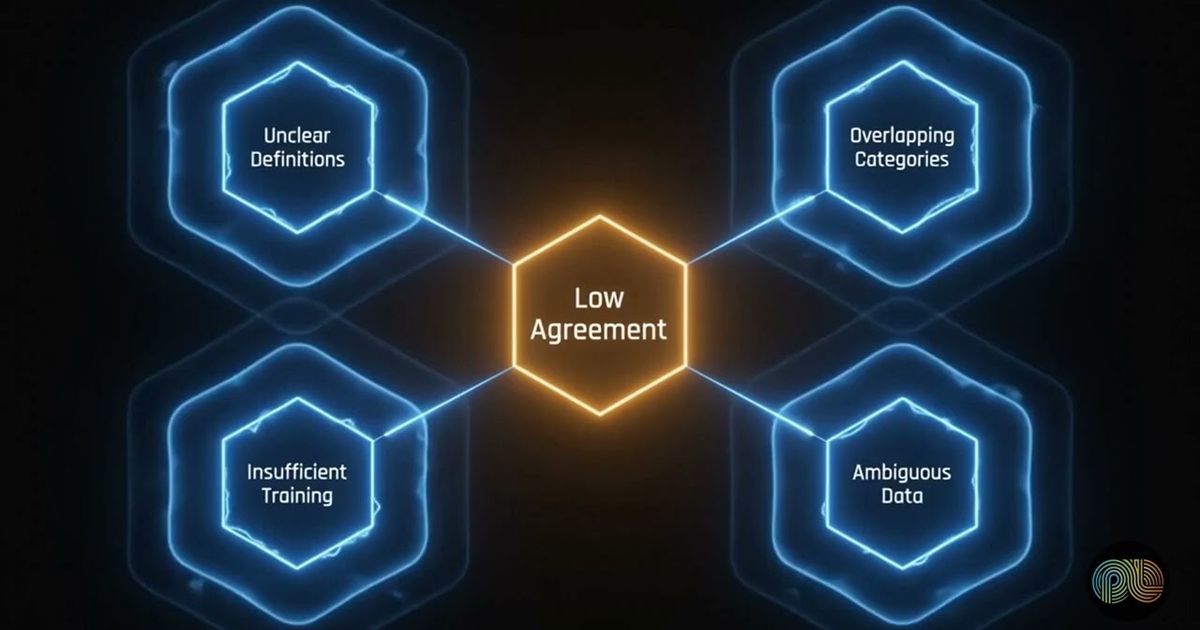
Multi-Annotator Agreement Explained
Multi-annotator agreement measures labeling consistency, reveals unclear guidelines, and helps teams build reliable datasets for research and AI systems.
Read article
Multi-Agent Research Systems Explained
Multi-agent research systems coordinate specialized AI agents to collect evidence, analyze patterns, review quality, and produce transparent research outputs.
Read article
Metadata-Driven Research Explained
Metadata-driven research keeps evidence searchable, traceable, and reusable by attaching consistent context about methods, ownership, sources, and versions.
Read article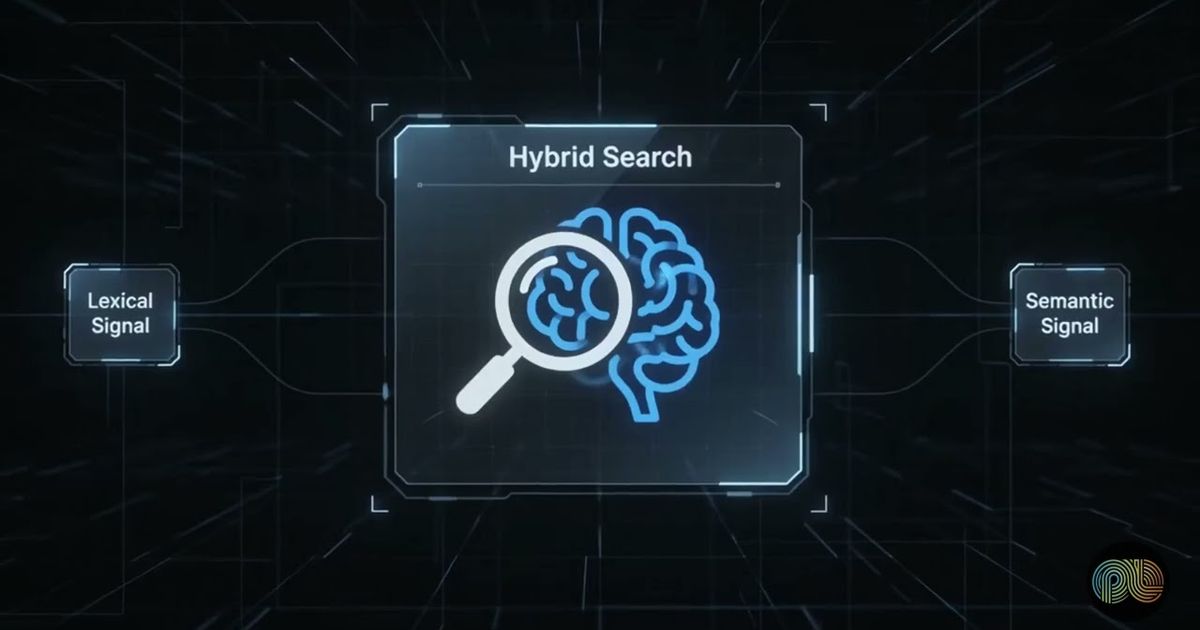
Hybrid Search for Research: How It Works
Hybrid search for research combines exact keyword matching with semantic retrieval, helping teams find both known terms and conceptually related evidence.
Read articleHybrid Search for Research: How It Finds Better Evidence
Hybrid search for research combines lexical and semantic retrieval to find exact terms, related concepts, and overlooked evidence in one query.
Read article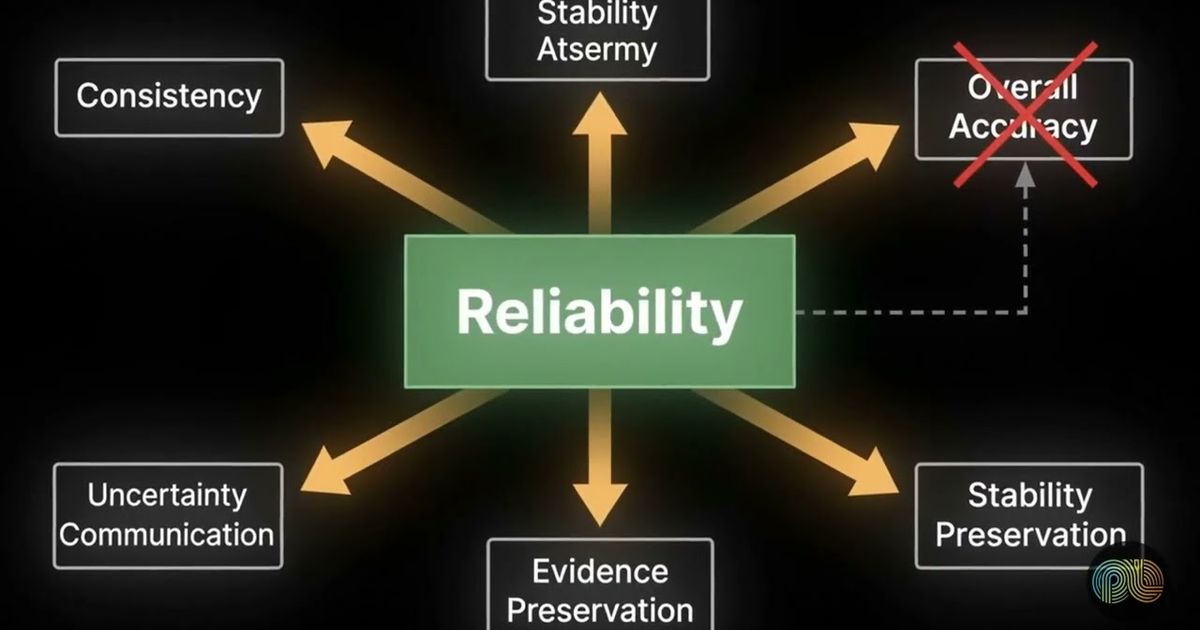
AI Reliability: How to Measure It
AI reliability measures whether systems deliver consistent, dependable results across changing tasks, data, evidence, and operating conditions.
Read article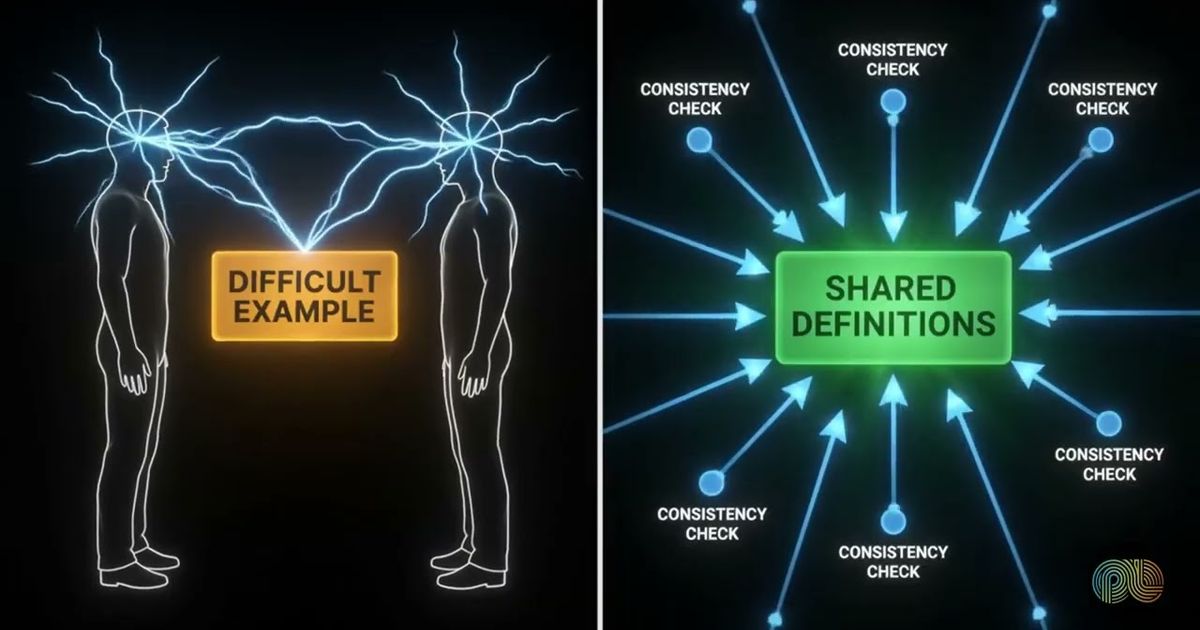
Label Consistency: How to Maintain Reliable Annotations
Label consistency keeps annotations comparable as data, teams and guidelines change. Learn how calibration, quality review and governance prevent drift.
Read article
Machine Readable Research Explained
Machine readable research structures evidence, findings, and decisions so AI can retrieve, compare, verify, and synthesize knowledge across studies.
Read article
Knowledge Retrieval Precision Explained
Knowledge retrieval precision helps research systems return relevant evidence, reduce noise, and preserve context, diversity, completeness, and traceability.
Read article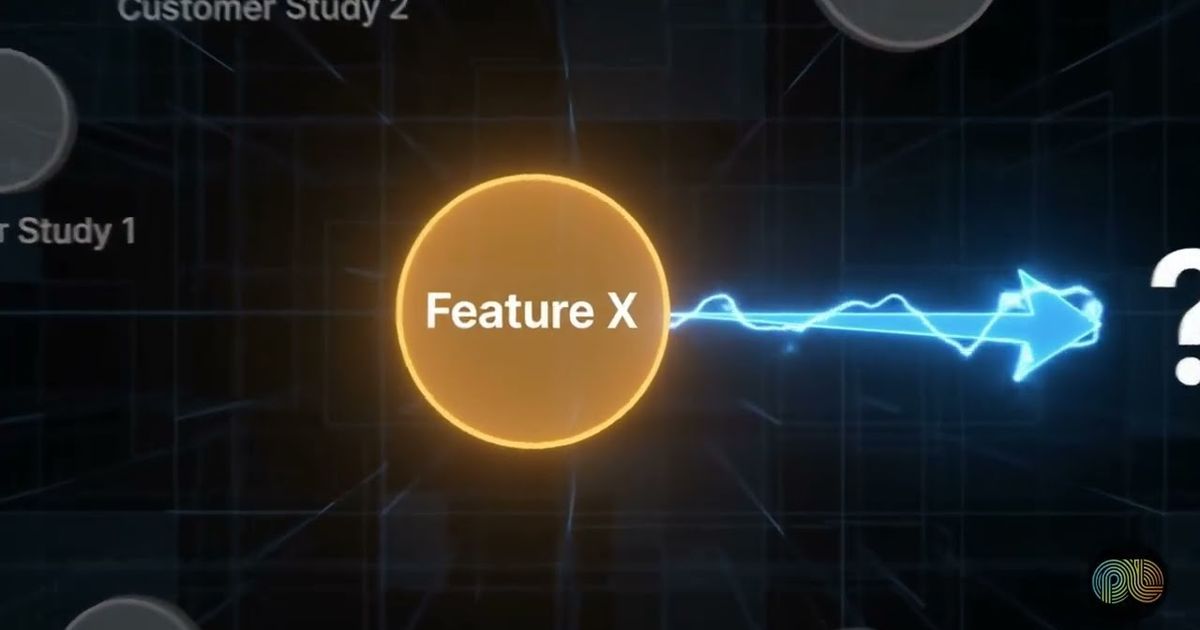
Knowledge Graphs for Research Explained
Knowledge graphs for research connect evidence, findings, themes, and decisions so teams and AI can discover context, trace sources, and reuse insights.
Read article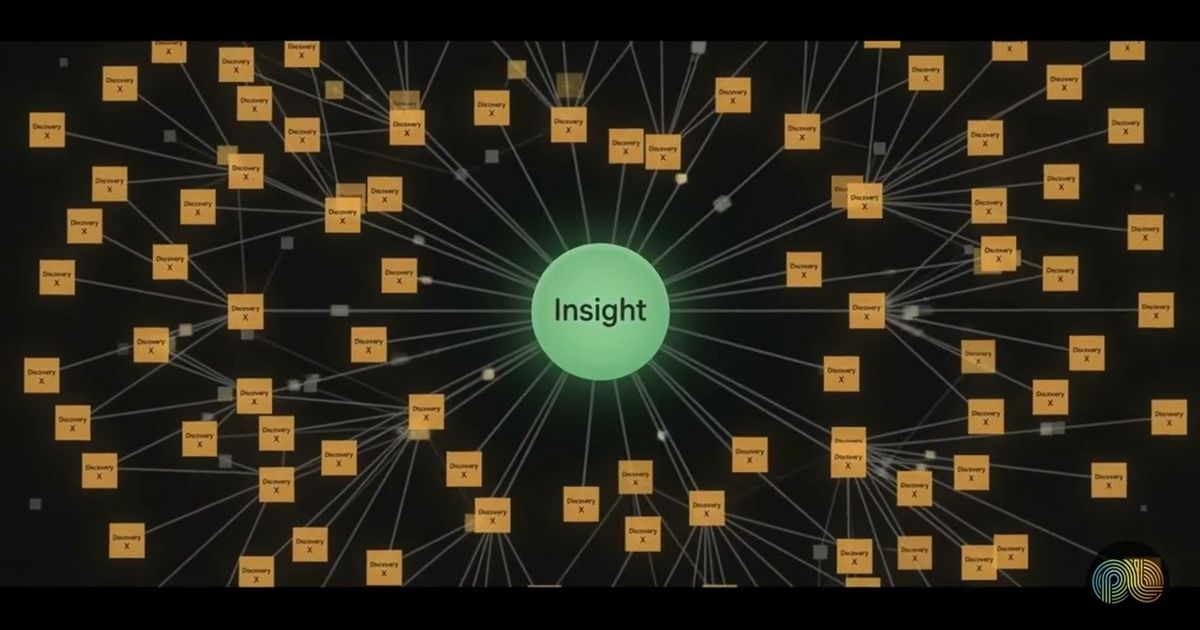
Knowledge Deduplication Explained
Knowledge deduplication connects equivalent insights without deleting supporting evidence, improving repository clarity, search, synthesis, and AI retrieval.
Read article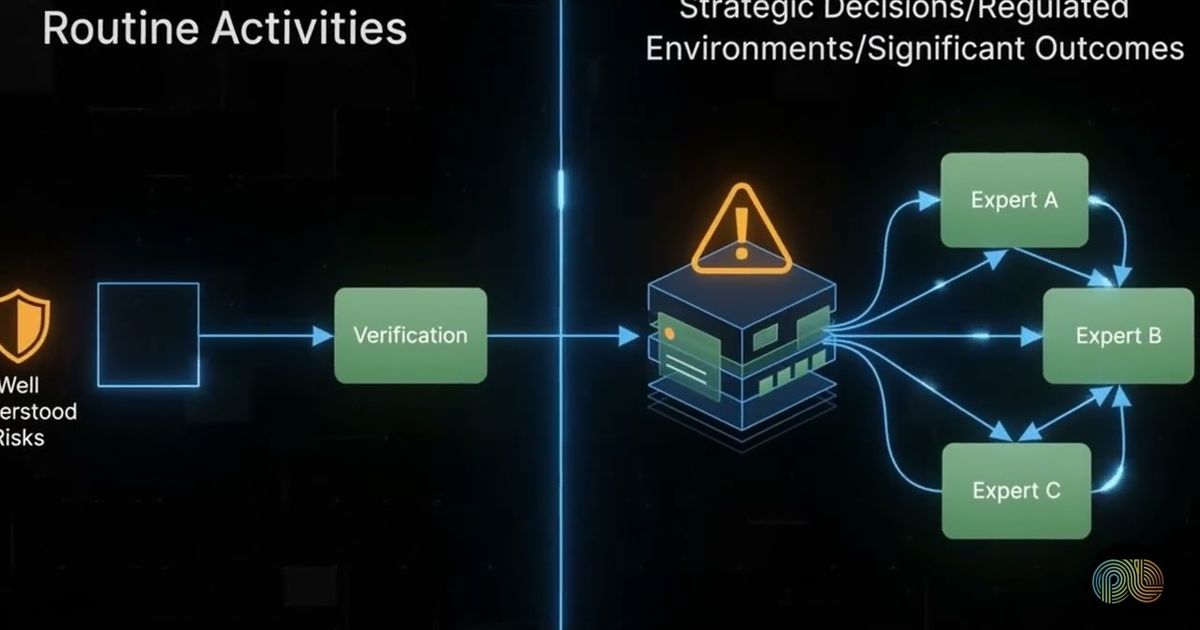
Human Review Pipelines for AI Research
Human review pipelines route AI-generated research through risk-based checks to improve accuracy, accountability, transparency, and decision confidence.
Read article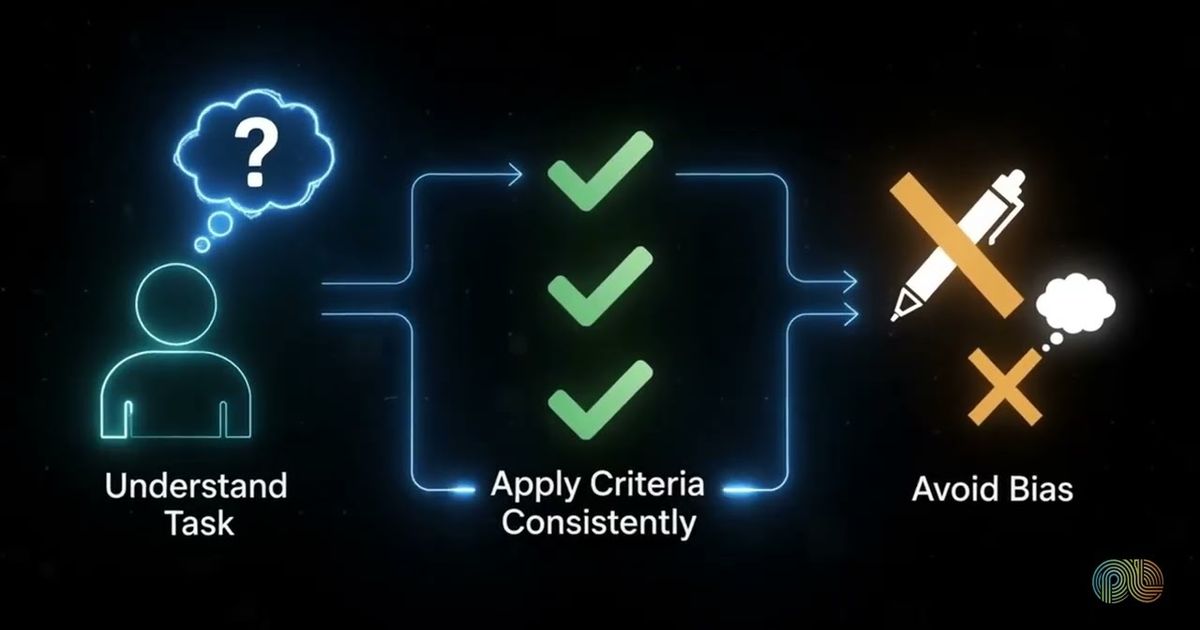
Human Preference Evaluation for AI Outputs
Human preference evaluation compares AI outputs with structured human judgment to identify responses that are clearer, grounded, useful, and actionable.
Read article
Human in the Loop Annotation Explained
Human in the loop annotation combines AI labeling speed with expert review to handle ambiguity, improve data quality, and keep decisions accountable.
Read article
Human-AI Collaboration Patterns
Human-AI collaboration patterns show how researchers combine machine speed and scale with human context, judgment, verification, and responsible decisions.
Read article
Hallucination Detection for AI Research Outputs
Hallucination detection identifies fabricated or unsupported AI claims by tracing statements to trusted evidence before they shape research decisions.
Read article
Grounded AI Responses Explained
Grounded AI responses connect important claims to verifiable evidence, improving transparency, reviewability, and trust in AI-assisted research decisions.
Read article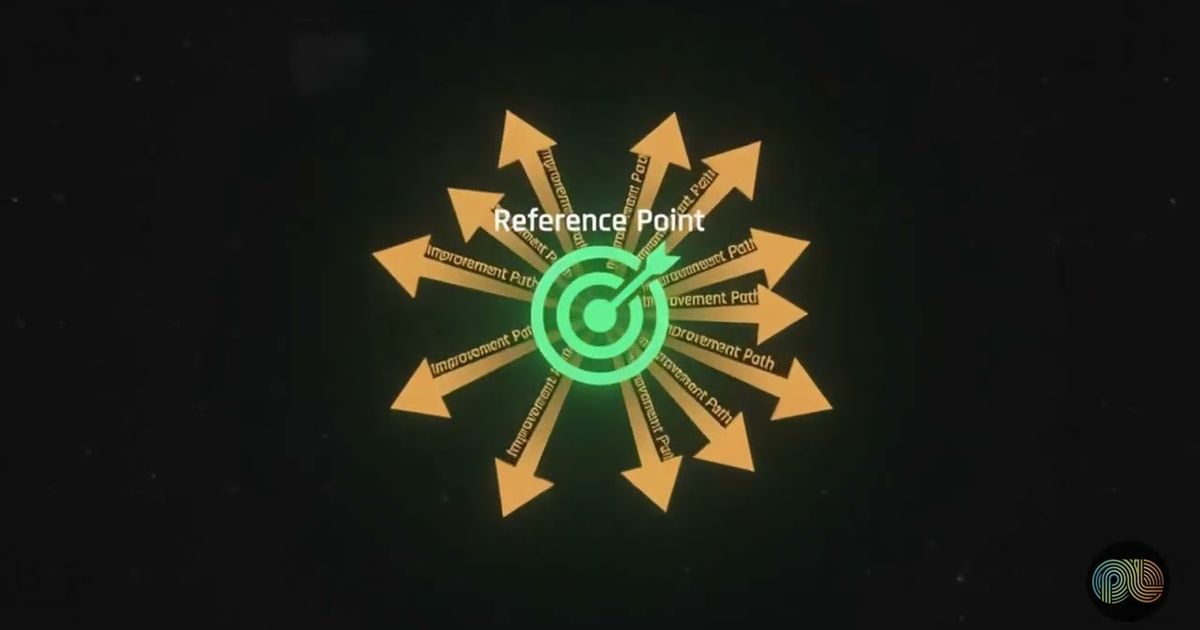
Gold Standard Datasets for Reliable AI Evaluation
Gold standard datasets provide trusted, expert-reviewed reference examples for evaluating AI systems, comparing versions, and measuring real improvement.
Read article
Future State Modeling: A Practical Framework
Future state modeling defines the capabilities, workflows, systems, and decisions needed to move from current operations toward a clear, shared target state.
Read article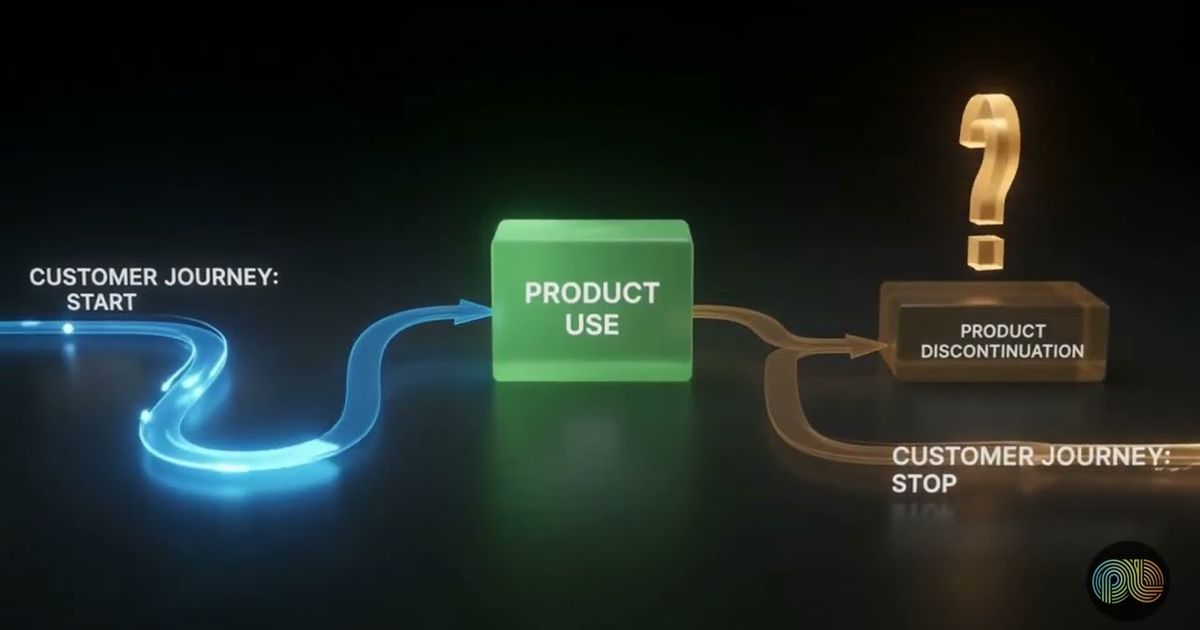
Finding Missing Evidence in Research
Finding missing evidence reveals gaps between what is known and what decisions require, helping teams prioritize the most important unanswered research questions.
Read article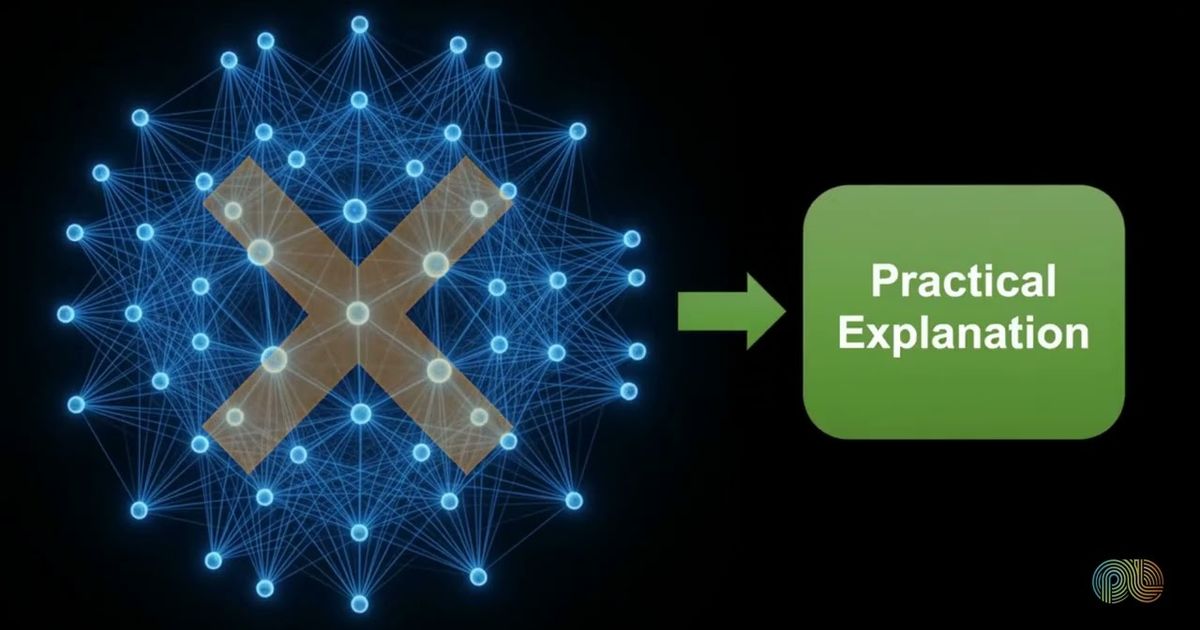
Explainable AI for Researchers
Explainable AI for researchers makes AI-supported findings easier to inspect by showing their evidence, factors, limitations, and confidence considerations.
Read article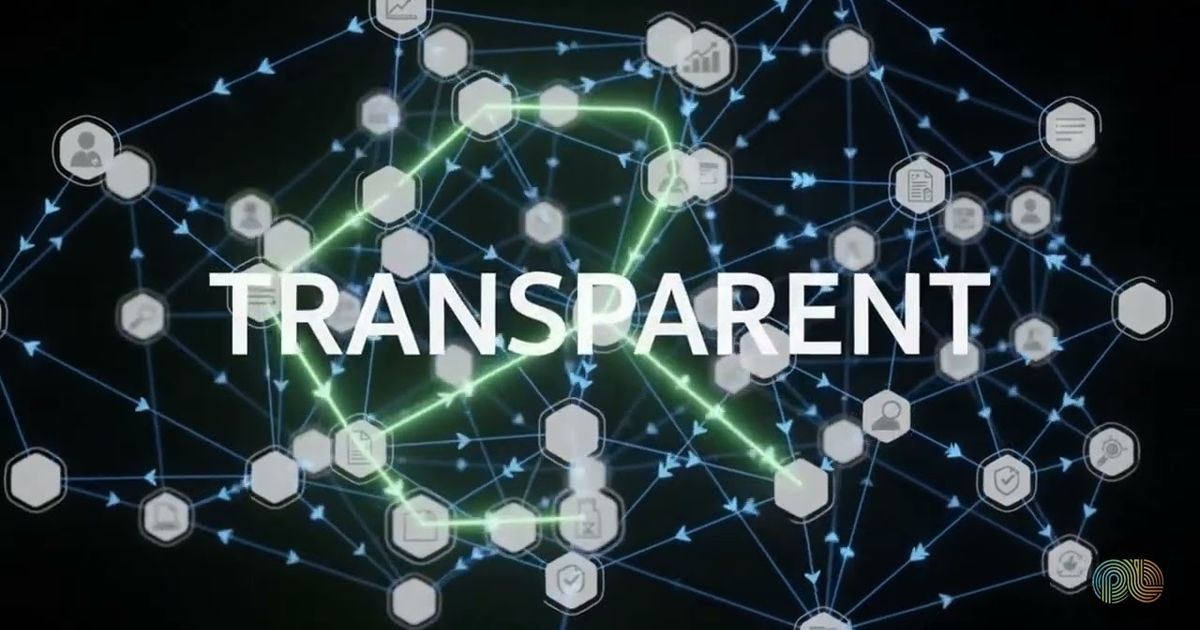
Evidence Lineage Explained
Evidence lineage connects research conclusions to their sources, transformations, and analyses, making every insight transparent, auditable, and reusable.
Read article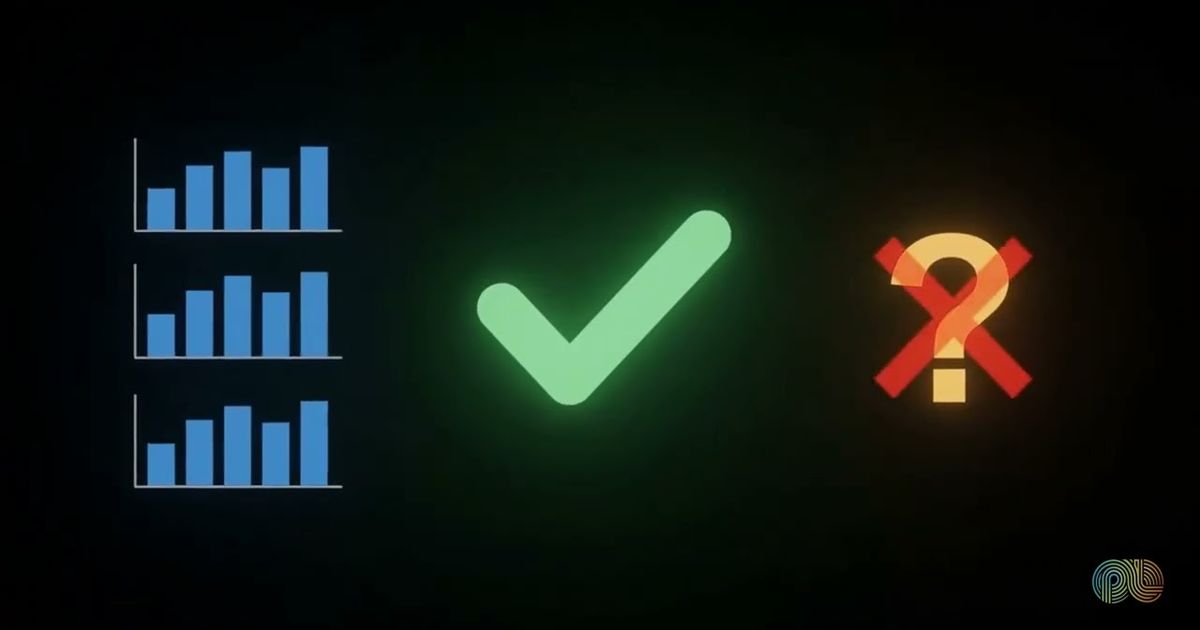
Evidence-Based Assessments Explained
Evidence-based assessments ground conclusions in relevant, reliable and traceable information for more consistent evaluation and better planning.
Read article
Expert vs. Crowd Annotation: How to Choose
Expert vs. crowd annotation matches specialists to nuanced, high-stakes labels and trained groups to clear tasks requiring consistent review at scale.
Read article
Organizational Memory With Connected Knowledge Systems
Organizational memory connects research evidence, findings, and decisions so teams can retrieve, validate, and reuse knowledge instead of rediscovering it.
Read article
Enterprise Learning Systems Explained
Enterprise learning systems connect knowledge creation, sharing, reflection, and improvement so organizations can reuse evidence and make better decisions.
Read article
Evaluating LLM Outputs in AI-Assisted Research
Evaluating LLM outputs requires clear criteria for accuracy, relevance, grounding, reasoning, instruction following, and uncertainty in AI research.
Read article
Entity Extraction for Research Explained
Entity extraction for research turns unstructured evidence into linked concepts, making patterns easier to find, analyze, verify, and reuse across studies.
Read article
Dimension-Based Analysis Explained
Dimension-based analysis compares research evidence across user, context, journey, product, and time dimensions to reveal hidden patterns and guide decisions.
Read article
Reusable Research Dimensions: How to Design Them
Reusable research dimensions standardize recurring evidence so teams can compare studies, preserve meaningful context, and build cumulative knowledge.
Read article
Decision Intelligence Explained
Decision intelligence improves choices under uncertainty by connecting evidence, models, knowledge, human judgment, assumptions, risks, and outcomes.
Read article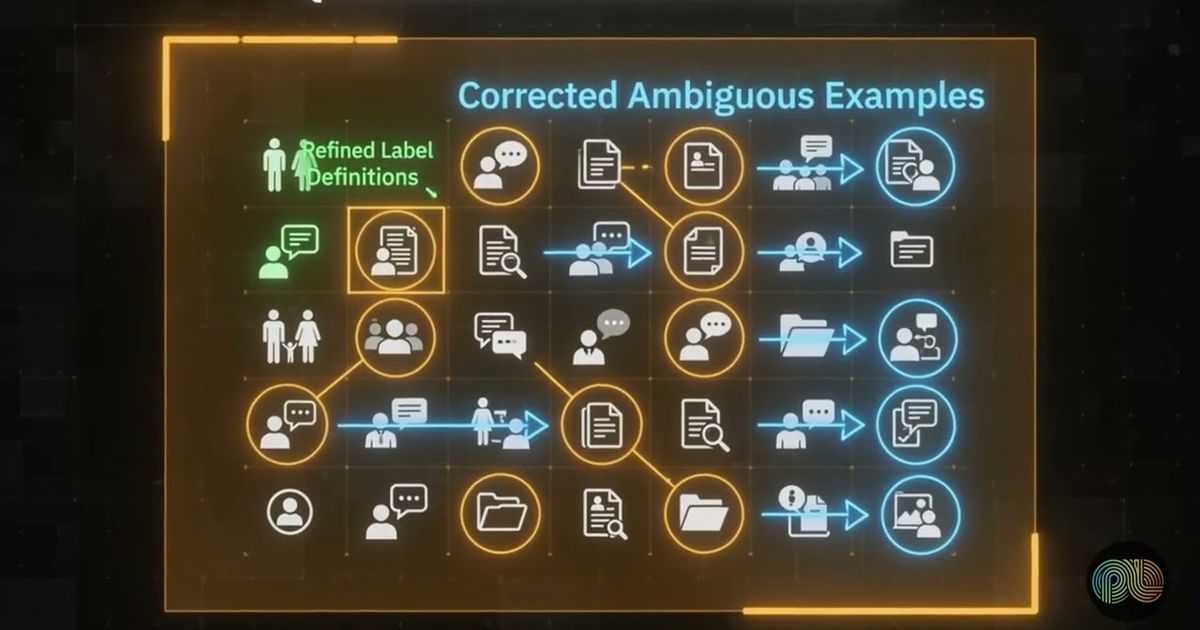
Dataset Versioning Explained
Dataset versioning preserves each meaningful data state, making AI evaluations reproducible, changes traceable, and collaboration more reliable.
Read article
Current State Assessments: A Practical Guide
Current state assessments establish a clear baseline of capabilities, processes, systems, and constraints so teams can plan meaningful improvements.
Read article
Cross-Study Synthesis Explained
Cross-study synthesis integrates evidence across research projects to reveal durable patterns, explain contradictions, and preserve each study's context.
Read article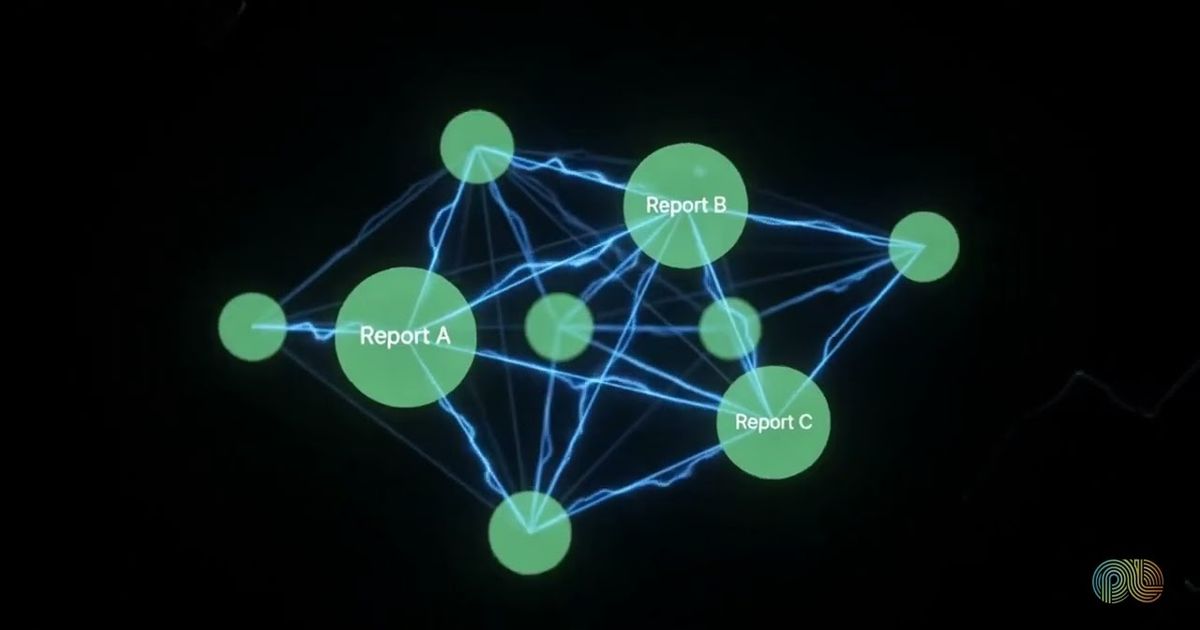
Cross-Study Knowledge Linking Explained
Cross-study knowledge linking connects evidence across projects, revealing recurring themes, changes, and contradictions while preserving source context.
Read article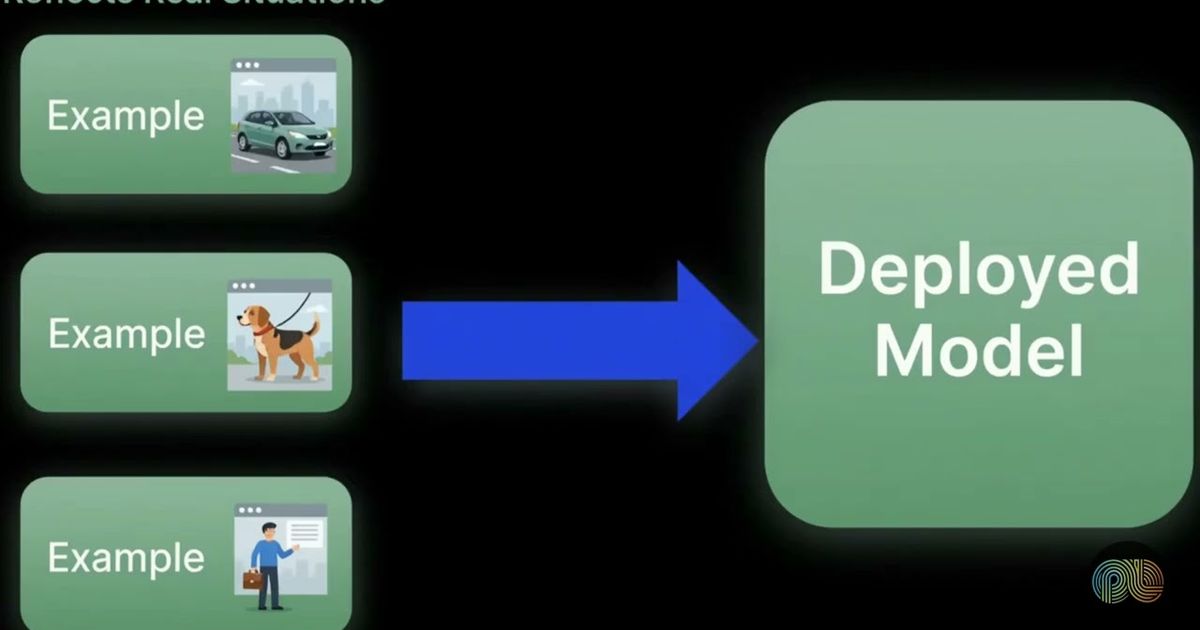
Creating Training Data for Reliable AI Systems
Creating training data requires clear objectives, representative examples, consistent labels, and ongoing quality control to build dependable AI systems.
Read article
Contradiction Detection in Research
Contradiction detection makes conflicting research evidence visible, helping teams explain differences across users, contexts, methods, and time periods.
Read articleRun research end to end. Keep the knowledge working.
One AI-native operating system for market research and insight professionals — from study design and evidence generation to agents, institutional knowledge, delivery and action.