Ontologies vs. Traditional Tagging in Research
Ontologies improve research repositories by modeling concepts and relationships, enabling semantic search, cross-study reasoning and confident evidence reuse.

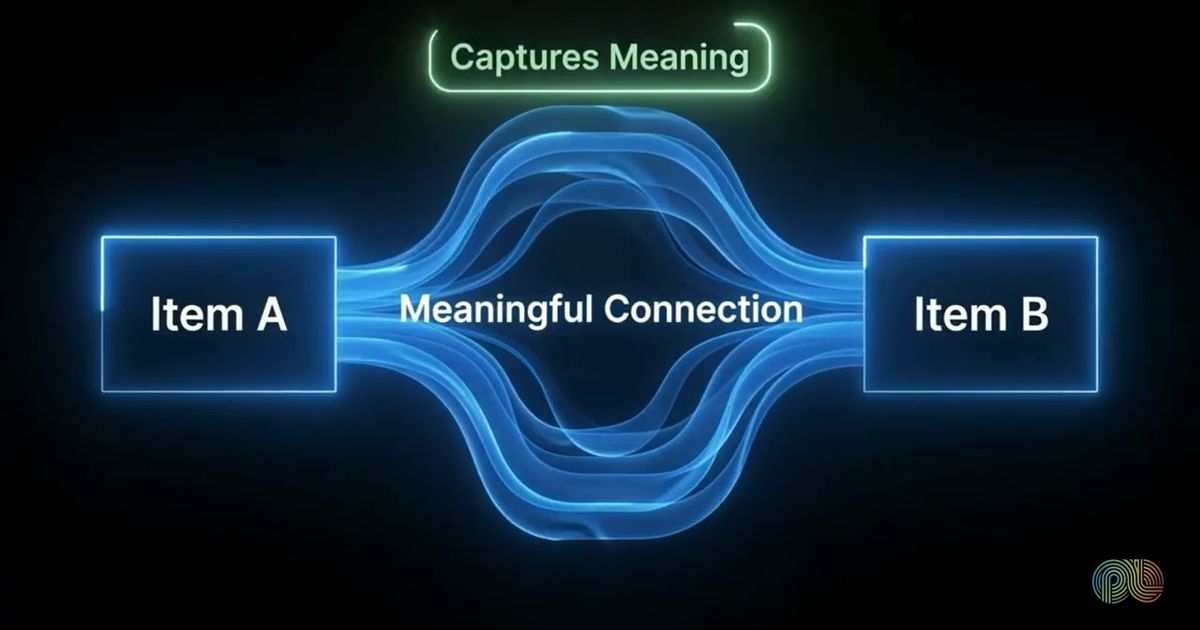
Ontologies outperform traditional tagging when research depends on meaning, context, and relationships. Tags attach broad labels to documents, while ontologies define concepts and how they connect. This semantic structure helps people and AI systems find relevant evidence, interpret its role, reason across studies, and reuse knowledge even when researchers use different terminology.
This matters because growing repositories become less useful when inconsistent labels hide relevant evidence or group unrelated findings together. The two-minute video above walks through the core ideas.
What is the difference between tags and ontologies?
Tags are isolated labels used to categorize information, while ontologies create a shared model of concepts and relationships. Tags answer questions such as “Which documents have this label?” Ontologies can answer richer questions such as “Which evidence supports this finding?” or “Which observations contradict this theme?”
Traditional tagging remains valuable because it is quick and easy to understand. A team might tag studies by market, product, research method, customer segment, or project status. Those labels support filtering, navigation, and lightweight organization without requiring a formal knowledge model.
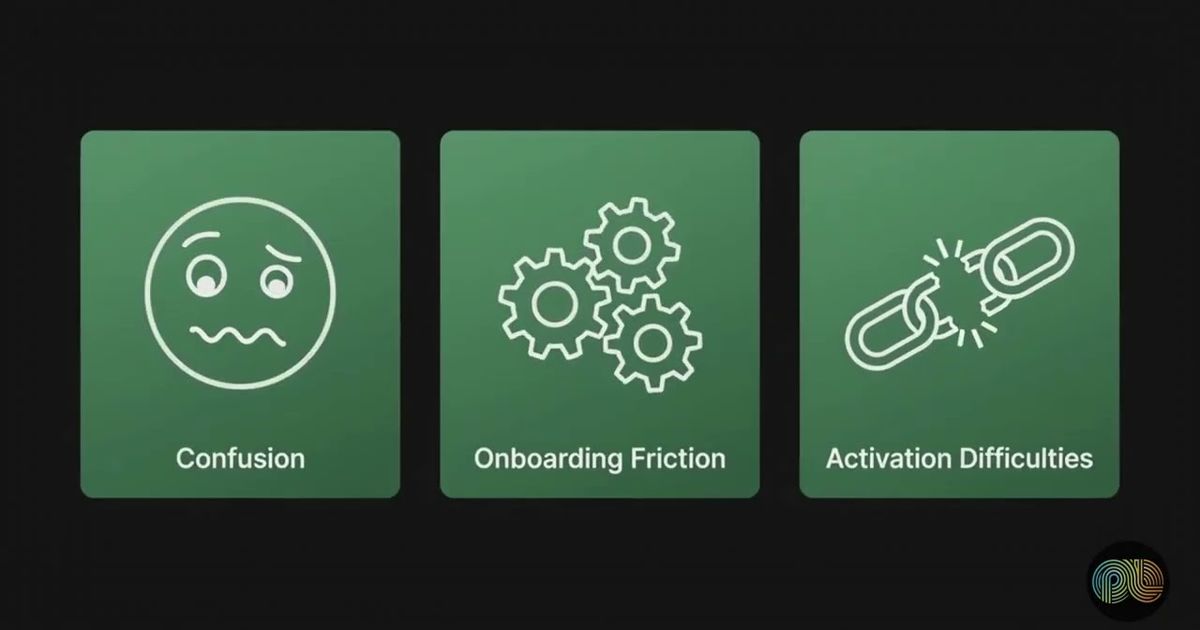
The limitation is that a tag rarely explains what the labeled item represents. Two documents tagged “onboarding” might examine unrelated ideas, while a study about “initial setup” might contain highly relevant onboarding evidence but never appear in a tag-based search.
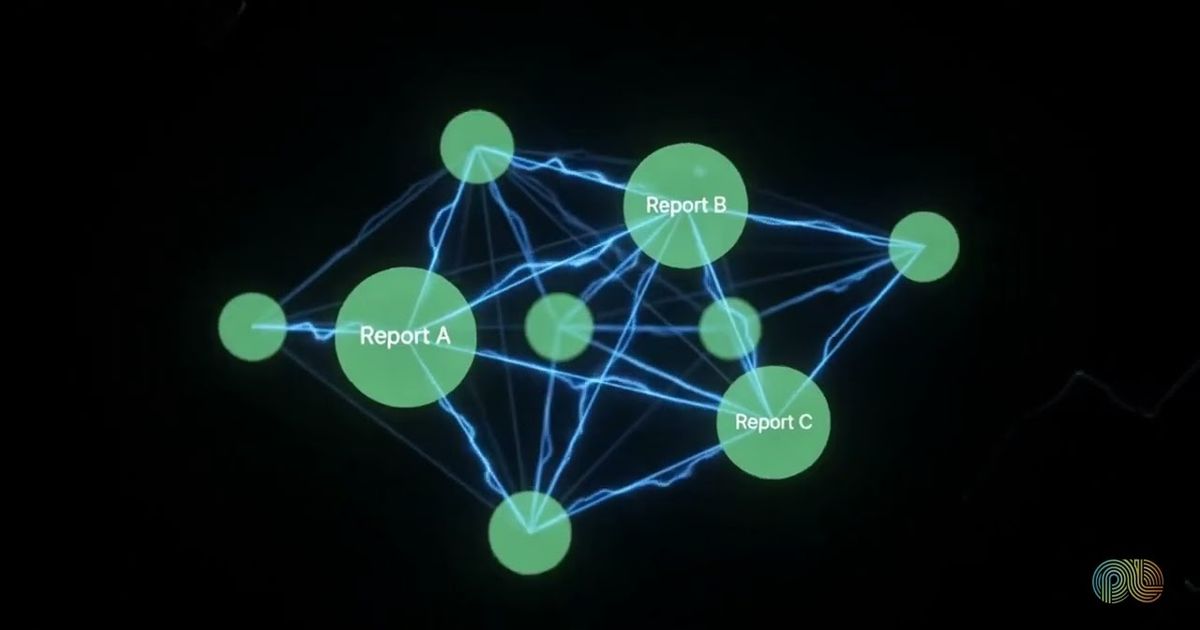
An ontology addresses this problem by defining what concepts mean and how they relate. Instead of treating a report as one labeled object, it can represent research questions, observations, findings, themes, evidence, and the connections among them. This makes the repository a structured network rather than a collection of categorized files.

Why do ontologies improve research search?
Ontologies improve search by allowing retrieval based on meaning and intent rather than exact vocabulary. Because concepts share defined relationships, different wording does not necessarily prevent relevant evidence from being found.
For example, researchers might use “purchase barriers,” “buying obstacles,” and “conversion friction” to describe related concepts. A conventional search system may depend heavily on the chosen phrase or tags. An ontology can connect those terms to a shared concept while preserving distinctions that matter.
This semantic structure is especially important for AI-assisted retrieval. AI systems need more than a pile of documents with similar words; they need context about what each item is, how it relates to a question, and whether it supports or challenges a conclusion. A well-structured ontology helps ground retrieval in explicit definitions rather than keyword similarity alone.
Teams developing this foundation should also consider how research taxonomies organize shared terminology. A taxonomy creates useful categories and hierarchies, while an ontology extends that structure with richer relationships among concepts.
How do ontologies connect evidence across studies?
Ontologies connect evidence across studies by giving findings, questions, observations, and themes consistent meanings and explicit relationships. This enables researchers to trace how individual pieces of evidence contribute to broader knowledge.
A piece of evidence might be represented as:
- Supporting a specific finding.
- Answering a particular research question.
- Contradicting another observation.
- Strengthening a broader theme.
These connections preserve context that a standalone tag cannot express. They also make it possible to compare studies, identify reinforcing or conflicting evidence, and examine how a conclusion developed over time.
Connected concepts support reasoning across a repository because studies no longer need identical wording to be analyzed together. A researcher can follow relationships from a business question to relevant studies, evidence, findings, and decisions. This approach aligns with building an evidence graph, where provenance and connections make knowledge easier to validate and reuse.
The result is not simply better document discovery. It is a more durable representation of organizational knowledge in which the meaning of evidence remains accessible beyond the original project.

When should you use tags, taxonomies, or ontologies?
Use tags for quick classification and personal or lightweight team workflows. Use a taxonomy when categories need consistent names and hierarchical organization. Use an ontology when the repository must represent meaning, evidence roles, and relationships across studies.
The approaches can complement one another:
- Tags support speed. They are practical for simple filters, navigation, and temporary project organization.
- Taxonomies support consistency. They establish controlled terms and clarify how broad and narrow categories relate.
- Ontologies support context. They define concepts and express relationships such as supports, contradicts, answers, or strengthens.
Not every repository needs a complex ontology at the outset. Teams can begin with important concepts and high-value relationships, then expand the model as recurring research questions and reuse needs become clearer. The goal is not to replace every tag, but to prevent tags from carrying semantic responsibilities they were never designed to handle.
Key takeaways
- Traditional tags provide fast organization and filtering but do not explain what information represents.
- Ontologies define concepts and the relationships among questions, evidence, findings, observations, and themes.
- Semantic structure improves retrieval when researchers use different words for related ideas.
- Explicit relationships allow evidence to be linked, validated, compared, and reused across studies.
- Tags, taxonomies, and ontologies can work together at different levels of research organization.
How PulseLake helps
PulseLake uses ontology, governance, and lineage as foundations for organizing research into reusable knowledge. Its persistent study context and research knowledge graph support cross-study search, natural-language questions, and evidence provenance while keeping objectives, methodology, evidence, and decisions connected. To discuss how this approach could support your research system, talk to our team.
Frequently asked questions
Can an ontology replace all tags in a research repository?
An ontology does not need to replace every tag. Tags remain useful for quick filtering, navigation, project status, and personal organization. An ontology adds the semantic layer needed to define concepts and express relationships, so many repositories benefit from using tags for lightweight classification and ontologies for deeper knowledge representation.
How does an ontology help AI find research evidence?
An ontology gives AI systems explicit information about concepts and relationships, such as whether evidence supports a finding or answers a research question. This helps retrieval focus on intent and meaning rather than matching exact words. It also gives returned evidence clearer context, which supports more grounded interpretation and cross-study reasoning.
What should a research team model first in an ontology?
A team should begin with concepts central to its recurring research work, such as research questions, studies, participants, observations, evidence, findings, themes, and decisions. It should then define a small set of useful relationships among them. Starting with high-value connections makes the model easier to govern and expand as practical needs emerge.
What is the difference between a taxonomy and an ontology?
A taxonomy organizes terms into categories and hierarchies, often moving from broad concepts to narrower ones. An ontology can include those classifications but also defines richer relationships between concepts. For research, that means representing not only where a finding belongs, but also which evidence supports it, which question it answers, and what it contradicts.