Semantic Search Explained for Research Teams
Semantic search retrieves research by meaning, intent, and conceptual relationships, helping teams find relevant evidence even when wording varies by study.

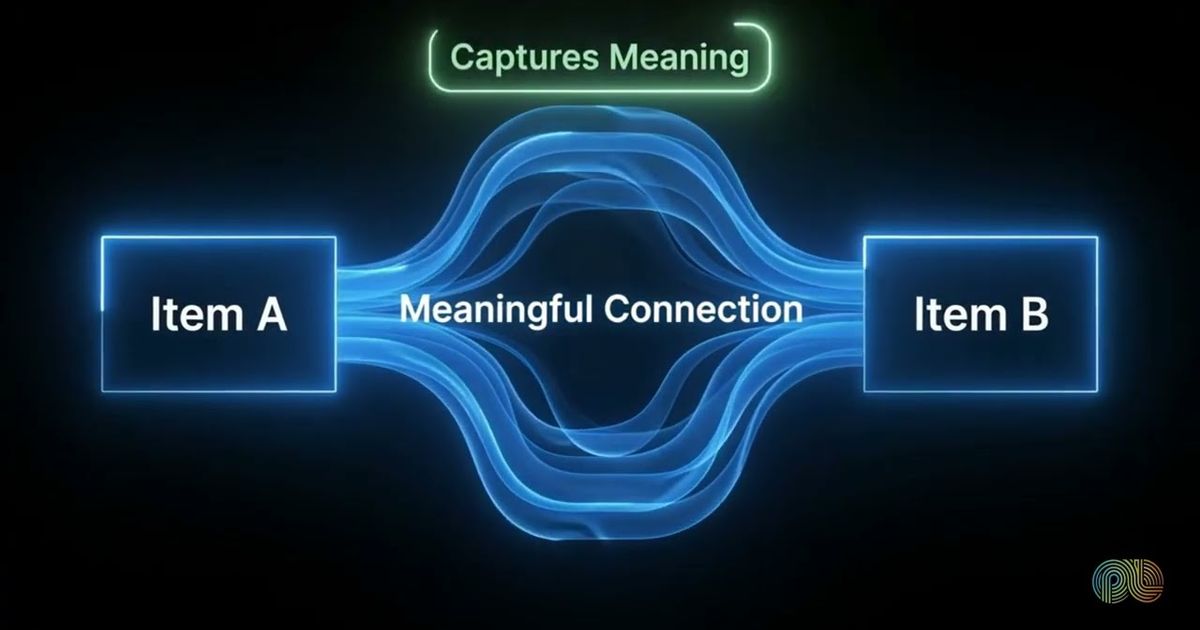
Semantic search is an information retrieval approach that finds content by meaning instead of exact keyword matches. It reads the intent behind a query and the relationships between concepts, so it can pull up relevant evidence written in different terminology. In a research collection, that connects related findings that literal search would treat as separate.
You've probably lost a finding this way. It was in the collection the whole time, filed under a word you never thought to type. Teams store the same idea in different language constantly, so literal retrieval comes back incomplete and people end up guessing at terms. Semantic retrieval, meaning retrieval by concept, ends the guessing and makes big evidence collections far easier to use for analysis and decisions.
Why is semantic search useful for research teams?
Because nobody remembers the exact term, file name or category the last person used. Spread a collection across teams, methods, products and years, and the problem only grows.
Research language is almost never consistent. One team says "account setup," another "onboarding," a third "activation." Labels drift inside a single organization as products and priorities change. Meaning-based retrieval pulls those materials together for review, so a finding isn't stranded behind its original wording.
In daily use you can explore a question through concepts, not predefined folders or document titles. You can find related evidence in studies that used different language, and compare how a theme shows up across contexts, populations or periods. It also saves the hours spent cycling through synonyms.
One caution. Broader retrieval doesn't make every result interchangeable or equally strong. Look at methodology, source context and evidence quality before you combine findings or use them to back a decision.
How does semantic search work?
It represents what a query means, then compares that with the concepts in stored information. Modern systems combine structured language representations, contextual relationships and metadata to decide what evidence is relevant.
First the system interprets the query: the concepts and likely intent behind the typed words. Stored knowledge gets described the same way, with documents, findings, themes and other assets represented by content and metadata. Then comes finding relationships (direct matches, plus ideas that are conceptually similar or connected). Last, it ranks the evidence by relevance to the intended meaning, not by word frequency.
Research ontologies can define how concepts relate, including broader, narrower or associated ideas. Our piece on why ontologies outperform traditional tagging shows how that structure improves retrieval beyond fixed categories.
Knowledge graphs add a layer by connecting studies, evidence, entities, themes and decisions, so search can travel through organizational knowledge as a network of ideas. This overview of research knowledge graphs explains how those relationships support cross-study discovery.
What makes semantic search effective?
The knowledge system underneath it. Semantic search can't fully make up for missing context, poorly defined concepts, inconsistent metadata or research assets that connect to nothing.
What does it need?
- Clear, consistent metadata on topics, methods, audiences and dates.
- Stable definitions for important terms, with synonyms and related ideas marked where sensible.
- Meaningful relationships among evidence, themes, entities, questions and decisions, so the system gets beyond single files.
- Ongoing quality checks that catch irrelevant results and fix gaps, weak labels or misleading relationships.
So it complements careful research organization, and doesn't replace it. We see the link running both ways: good information architecture gives retrieval the context it needs, and how retrieval behaves tells you where the architecture needs work.
Test it against real research questions. Does highly relevant evidence land near the top? Is alternative terminology recognized? Can users trace a result to its original study? Returning more content is easy. The goal is evidence that moves understanding forward and supports sound decisions.

What is the difference between semantic search and keyword search?
Take "user frustration during account setup." A semantic system may also return research on onboarding confusion or activation difficulties. Different phrases, same experience.
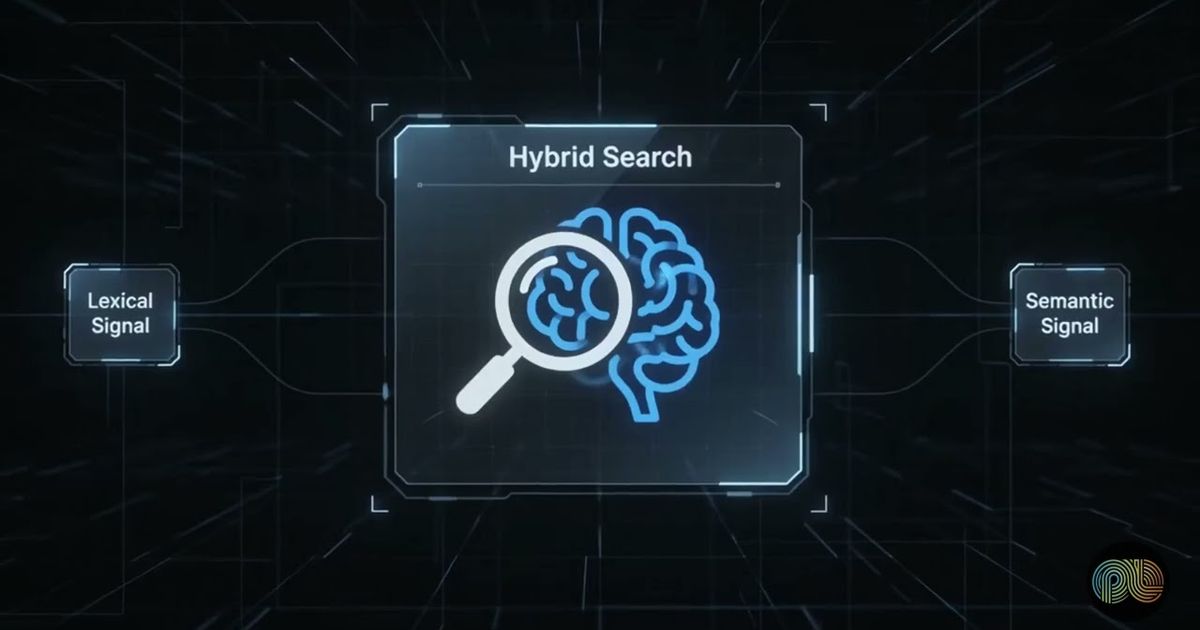
Keyword search (also called lexical search) mostly lines up the words in your query with words in stored content. Semantic search reads those words in context and goes after content that expresses the same idea, or a close one.
A keyword system tends to reward documents with the exact phrase or familiar terms. That's fine if you know the vocabulary the source used, and if you don't, relevant evidence slips past. Rankings built mostly on term occurrence can even push up a document that repeats a phrase and never answers your question.
Semantic search treats vocabulary as one signal among several. Keywords still count; what semantic search adds is a layer of interpretation, where the system recognizes intent, context and conceptual similarity before it ranks anything.

How PulseLake helps
PulseLake keeps objectives, methodology, evidence and decisions in a persistent study context, not scattered across disconnected tools. Its research knowledge graph, cross-study search, deep research and natural-language questions with evidence provenance help teams explore connected organizational knowledge. To talk about how this could support your research system, talk to our team.
Frequently asked questions
Can semantic search find evidence that uses completely different terminology?
It can, when the underlying concepts are close or connected enough. A query about account setup problems may surface findings labeled onboarding confusion or activation friction. How well that works depends on the language representations, metadata, defined concepts and relationships behind the retrieval system.
Does semantic search eliminate the need for metadata and taxonomies?
No. You lean less on exact labels, but metadata and structured concepts still say what evidence means and how it relates to other knowledge. Well-kept taxonomies, ontologies and knowledge graphs improve relevance, support filtering and help users see why a result came back.
How should a research team evaluate semantic search results?
Try representative research questions, using the terminology different groups really use. Check that relevant evidence shows up prominently, that conceptually related wording is recognized and that unrelated results stay out. Before a result goes into analysis or a decision, confirm you can trace it to its source, methodology and original context.