Organizational Memory With Connected Knowledge Systems
Organizational memory connects research evidence, findings, and decisions so teams can retrieve, validate, and reuse knowledge instead of rediscovering it.

Organizational memory is the structured, connected knowledge an organization preserves beyond the people who created it. In research, it links business questions, evidence, findings, assumptions, methods, related studies, and decisions so future teams can search, understand, validate, and reuse what the organization has already learned.
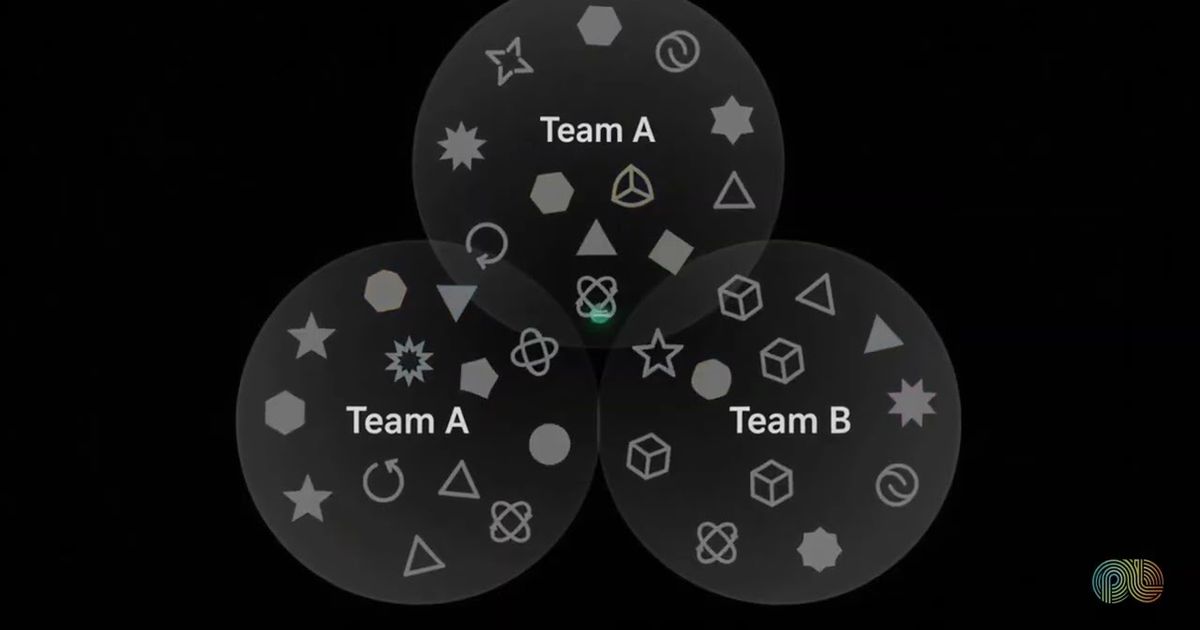
Without durable organizational memory, role changes, shifting priorities, and buried reports cause teams to lose context and pay to rediscover earlier learning. A connected system makes each study part of an accumulating body of evidence rather than an isolated project. The short video above walks through the core ideas.
What is organizational memory in research?
Organizational memory is the knowledge that remains accessible after the original researchers change roles or leave. It preserves not only conclusions but also the context required to interpret and evaluate them.
For research and insights teams, that memory includes several types of connected information:
- The business questions and research objectives that initiated a study.
- The evidence collected from participants, surveys, prior research, or other approved sources.
- The findings, themes, and interpretations developed from that evidence.
- The assumptions and methodological choices that shaped the work.
- The decisions, actions, and follow-up questions that resulted.
The relationships among these objects matter as much as the objects themselves. A finding becomes more useful when a future researcher can trace it to its evidence, understand which question it addressed, compare it with related studies, and see whether it influenced a decision.
This approach turns research into reusable knowledge rather than a series of disconnected deliverables. It also supports the broader practice of organizing research into reusable knowledge.
Why isn't document storage enough?
Document storage preserves files, but organizational memory preserves meaning and relationships. A repository full of reports can still leave teams unable to find, interpret, or validate what earlier studies established.
Traditional archives often organize research by folder, date, project, or client. Those structures can help someone locate a known report, but they are less effective when the person wants to answer a broader question across studies, such as how perceptions of a product changed or which evidence supported a past decision.
A connected knowledge system keeps important research objects linked. Instead of accepting a statement because it appears in an archived presentation, a researcher can inspect its supporting evidence, assumptions, method, related findings, and downstream use.
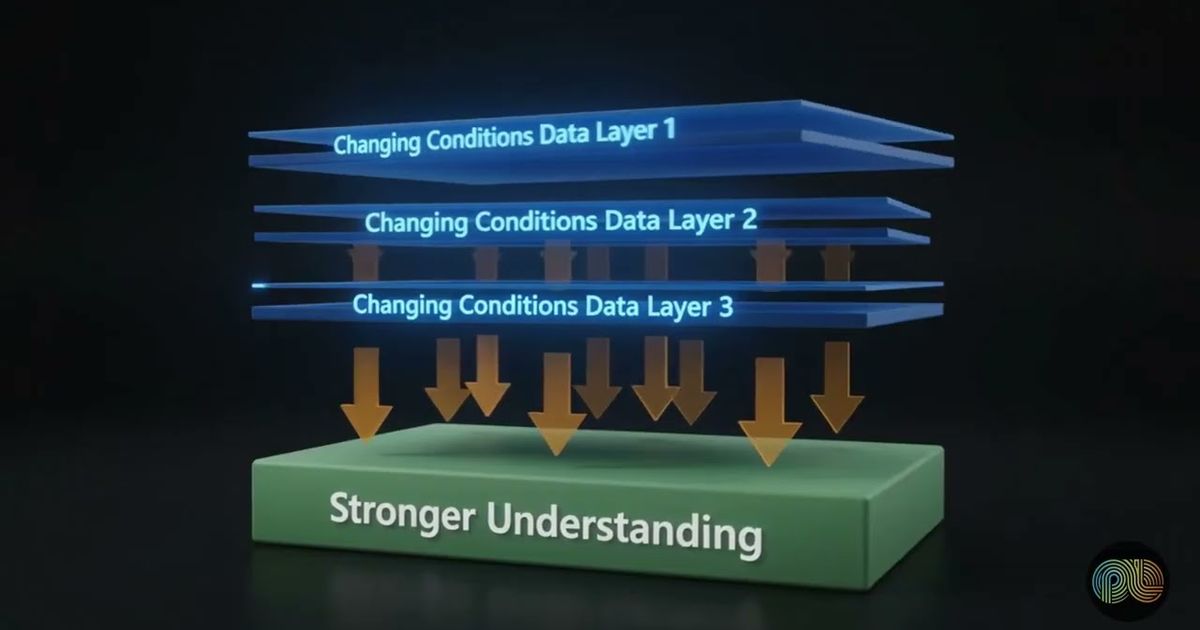
That traceability makes old knowledge easier to evaluate. It helps teams distinguish a still-relevant conclusion from one that depended on an outdated market condition, narrow sample, or assumption that no longer holds.

How do you build effective organizational memory?
Effective organizational memory starts by capturing research in structured, connected forms rather than treating the final report as the complete record. Each study should preserve enough context for someone unfamiliar with the work to understand what was asked, what was found, and why the conclusion was reached.
A practical process includes four steps:
- Frame the question. Record the business problem, research objectives, scope, and important assumptions.
- Connect the evidence. Link findings to the observations, responses, or data that support them.
- Preserve the reasoning. Retain relevant methodology, interpretations, limitations, and relationships to other studies.
- Record the outcome. Connect evidence and findings to decisions, actions, unresolved questions, and later research.
Teams should use consistent terminology for recurring products, audiences, markets, themes, and decisions. Consistency makes cross-study retrieval and comparison more reliable, while connections provide the surrounding context. A structured evidence graph is one way to represent these relationships explicitly.
Organizational memory also needs to remain active. When a new study addresses an existing topic, researchers should identify whether its evidence confirms, refines, or challenges prior understanding. This prevents every project from beginning with an empty page.

How do AI-native systems strengthen organizational memory?
AI-native systems can retrieve relevant evidence across a large research history while retaining the context that gives each finding meaning. They allow researchers to explore relationships rather than manually search through folders and individual reports.
For example, a researcher might begin with a question about a product and then follow connections to recurring themes, supporting evidence, related studies, assumptions, and decisions. This is more useful than returning a list of documents that happen to contain the same keywords.
AI does not remove the need for research judgment. Researchers still need to assess evidence quality, methodology, relevance, and whether an older conclusion applies to the current situation. The value comes from making connected knowledge easier to find and inspect without separating a claim from its provenance.
As new work enters the system, the knowledge network becomes richer. Each study can add evidence, expose contradictions, refine earlier conclusions, or identify what needs to be tested next. Research then becomes a cumulative organizational capability rather than a sequence of independent projects.
Key takeaways
- Organizational memory preserves research knowledge beyond the people who originally created it.
- Effective memory connects evidence, findings, assumptions, methods, questions, related studies, and decisions.
- A document repository is insufficient when readers cannot trace conclusions to their context and supporting evidence.
- New studies should confirm, refine, or challenge existing understanding instead of starting from scratch.
- AI-native retrieval can help researchers navigate relationships across years of work while preserving provenance.
How PulseLake helps
PulseLake maintains persistent study context across objectives, methodology, evidence, findings, and decisions. Its research knowledge graph, cross-study search, and evidence provenance help teams find and inspect relationships across research rather than relying on isolated reports. To discuss how this could support your organizational memory, talk to our team.
Frequently asked questions
What is the difference between organizational memory and a research repository?
A research repository stores research materials, while organizational memory keeps knowledge usable across time and personnel changes. The distinction is connection and context: organizational memory links questions, evidence, findings, assumptions, methods, related studies, and decisions so future teams can understand and validate what an archived item means.
What research information should an organization preserve?
An organization should preserve the business question, objectives, methodology, assumptions, evidence, findings, limitations, related studies, and resulting decisions. It should also retain the relationships among these elements, because a conclusion without its source evidence or original context is difficult to evaluate and reuse responsibly.
How should a new study use existing organizational knowledge?
Researchers should review relevant prior evidence before finalizing the new study's scope and design. The study can then test whether current evidence confirms, refines, or challenges existing understanding, while recording any changed conditions or assumptions that affect comparison. This makes learning cumulative without treating old conclusions as automatically correct.
Can AI replace researchers in managing organizational memory?
AI can improve retrieval, connect related concepts, and surface evidence across many studies, but it does not replace research judgment. Researchers must still evaluate source quality, methodological fit, limitations, contradictions, and current relevance. AI is most useful when it preserves provenance and helps people inspect the basis for a conclusion.