 PulseLake
Making Organizational Knowledge Searchable
Making organizational knowledge searchable requires structure, shared terminology, context, and provenance so teams can find reliable evidence when needed.
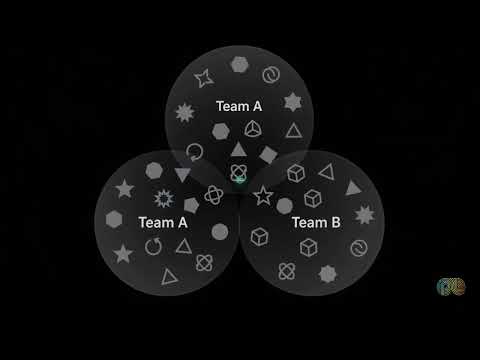
Making organizational knowledge searchable means organizing research so people can retrieve reliable evidence by problem, user, theme, decision, or question—not merely by project name. It requires structured information, shared terminology, meaningful links between findings, and clear provenance so people can understand where evidence came from and how to use it.
Research has limited practical value when employees cannot find it at the moment of need. Better discovery reduces duplicated work, improves collaboration, accelerates decisions, and extends the useful life of every study. The two-minute video above walks through the core ideas.
What makes organizational knowledge searchable?
A searchable knowledge system combines research content with structure, context, and relationships. Centralizing files helps, but a folder full of reports does not automatically become an accessible source of insight.
Each finding needs enough context for someone outside the original project to understand it. That context can include the research question, audience, method, market, date, related themes, resulting decisions, and source evidence. Relationships between findings also help people discover connected work across projects.
Consistency matters because unpredictable labels and categories make retrieval harder. A practical research repository that people actually use needs a shared organizational model, not just storage space.
How do you structure research for discovery?
Start with the questions people will ask, then structure knowledge around those access points. A useful system preserves both the evidence and the context required to interpret it correctly.
A practical process is:
- Define common concepts. Establish shared terms for users, products, markets, themes, problems, and decisions.
- Capture study context. Record objectives, methods, participants, timing, limitations, and ownership alongside the findings.
- Connect related evidence. Link findings to themes, questions, decisions, and relevant work from other projects.
- Maintain the structure. Review terminology, correct inaccurate records, and update relationships as organizational knowledge grows.
This work also supports building AI-ready research data, because structured, well-described evidence is easier for both people and machines to retrieve accurately.

How should teams search organizational knowledge?
Teams should be able to search according to the work they are trying to complete, not according to how a past project happened to be named. Search paths should reflect real questions and decision contexts.
Useful access points include:
- The customer or user group being studied.
- The problem, behavior, or unmet need under investigation.
- A theme that appears across multiple studies.
- A decision that evidence informed or challenged.
- A research question, product area, market, or method.
Shared terminology improves these paths by reducing confusion between groups that use different words for related ideas. The system should still return the original source and surrounding context, allowing people to judge relevance rather than treating every search result as interchangeable.
What role should AI play in knowledge discovery?
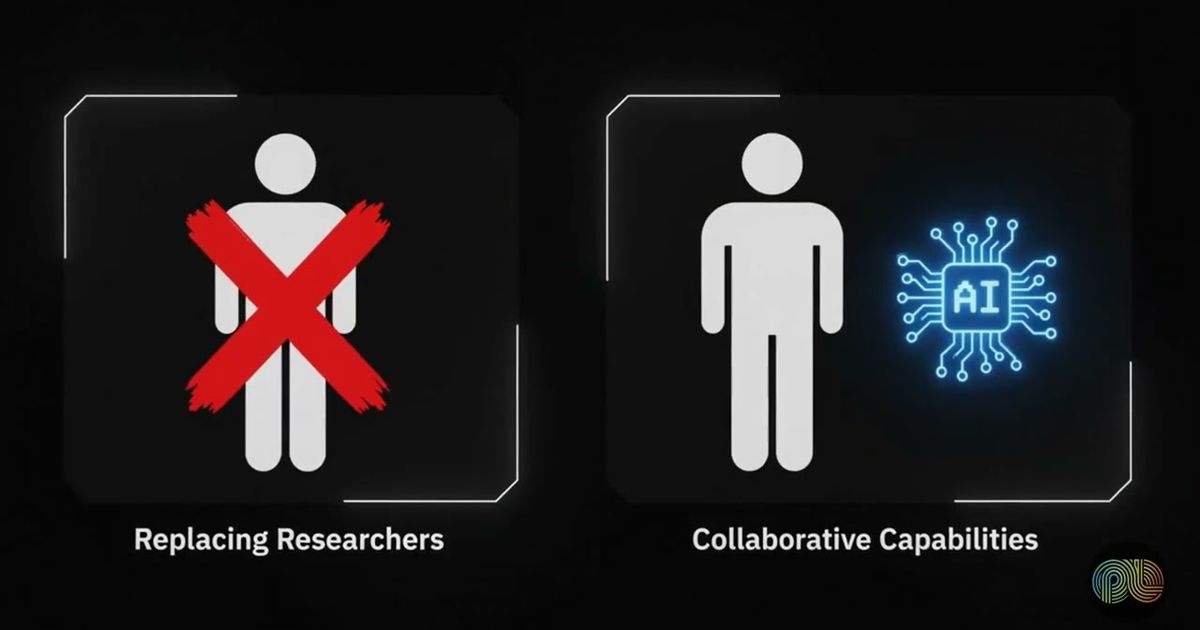
AI can support discovery by identifying connections, summarizing information, and improving retrieval across a large body of research. It should help people navigate evidence, not remove the need to assess that evidence.
AI search quality depends on the quality and structure of the underlying information. Missing context, inconsistent labels, weak source records, and inaccurate findings can produce incomplete or misleading answers even when the retrieval interface appears sophisticated.
Researchers therefore remain responsible for accuracy, context, and interpretation. AI-generated summaries should remain connected to their source material so users can see where claims came from, review limitations, and decide whether the evidence applies to the current question.
What mistakes reduce search quality?
The most common mistake is treating central storage as a complete knowledge system. Search deteriorates when documents lack consistent structure, meaningful context, clear relationships, or traceable sources.
Teams should avoid:
- Organizing everything only by project name or file location.
- Allowing different groups to use conflicting terms without mapping them.
- Saving conclusions without the method, audience, date, or limitations.
- Presenting summaries without links to the underlying evidence.
- Assuming AI can compensate for inaccurate or poorly organized inputs.
- Letting categories and relationships become outdated.
A reliable system needs ongoing stewardship. Researchers must preserve context and correct errors so people can interpret findings appropriately rather than simply locating documents that contain matching words.

Key takeaways
- Searchable organizational knowledge requires structure, context, relationships, and provenance—not only centralized files.
- Teams should be able to search by users, problems, themes, decisions, and questions.
- Shared terminology makes related evidence easier to discover across groups and projects.
- AI can improve retrieval and summarization, but its output depends on well-organized underlying information.
- Better discovery reduces repeated research and turns isolated findings into a durable organizational resource.
How PulseLake helps
PulseLake keeps objectives, methodology, evidence, and decisions in a persistent study context. Its research knowledge graph, cross-study search, and natural-language research questions help teams discover connected evidence while preserving provenance. To explore how this can support searchable organizational knowledge, talk to our team.
Frequently asked questions
How is a searchable knowledge system different from a document repository?
A document repository stores files and may support keyword search. A searchable knowledge system also organizes the context and relationships around those files, allowing people to search by themes, users, problems, questions, or decisions. It connects results to source evidence so users can judge relevance and interpret findings correctly.
What metadata should be captured for each research finding?
Useful metadata includes the research objective, question, audience, method, date, market or product area, relevant themes, limitations, owner, and source evidence. Teams should adapt these fields to their decision-making needs. Consistent terminology is more important than collecting large amounts of metadata that nobody maintains.
Can AI make poorly organized research searchable?
AI may surface keywords, generate summaries, and identify possible connections, but it cannot reliably restore missing context or guarantee that inaccurate information becomes trustworthy. Strong retrieval still depends on structured evidence, consistent terminology, and clear provenance. Researchers need to review the underlying material and retain responsibility for interpretation.