Searchable Organizational Intelligence Explained
Searchable organizational intelligence makes research easier to find, verify, and apply by connecting evidence, findings, decisions, and context.

Searchable organizational intelligence is the ability to retrieve and apply relevant knowledge from across an organization, regardless of when, where, or by whom it was created. It connects evidence, findings, decisions, themes, and relationships so people can answer current questions with context rather than merely locate documents.
This matters because research creates value only when people can find and apply it as decisions are made. Making organizational knowledge searchable helps teams reuse prior learning, avoid unnecessary research, and connect new initiatives with earlier evidence. The two-minute video above walks through the core ideas.
What is searchable organizational intelligence?
Searchable organizational intelligence turns stored information into an accessible body of knowledge that supports ongoing work. It goes beyond finding files by helping people retrieve relevant evidence, insights, decisions, themes, and relationships.
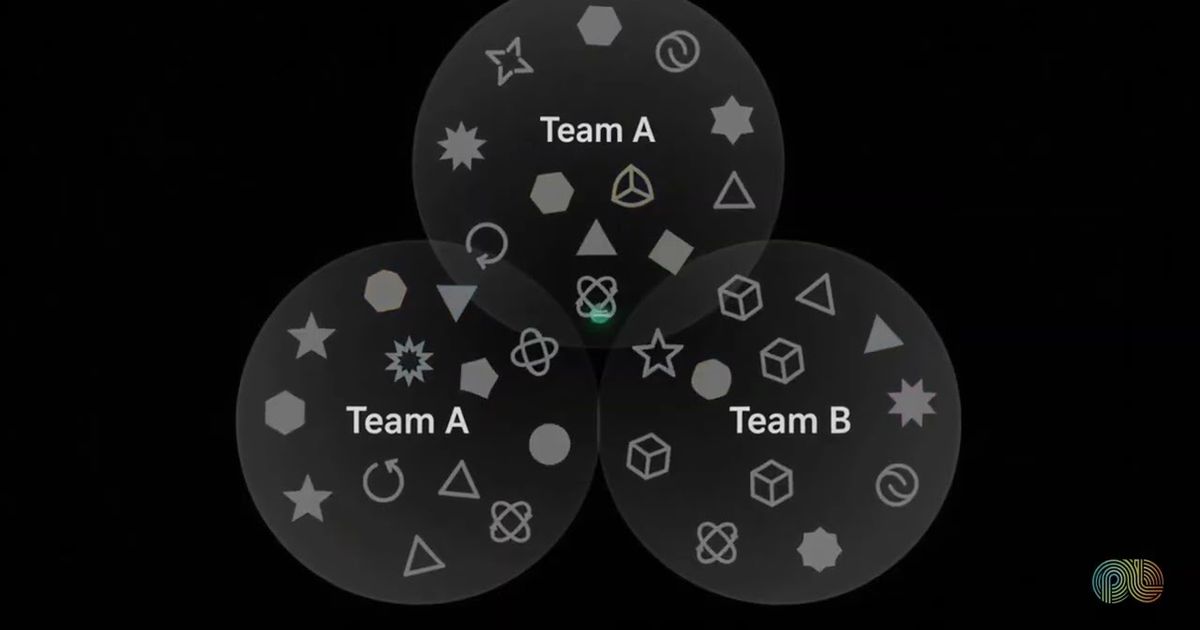
Many organizations preserve research without making it practically discoverable. Reports sit in presentation decks, shared drives, repositories, and personal folders. The files still exist, but the findings inside them remain invisible to people who do not know the right title, location, author, or search term.
A searchable intelligence system organizes knowledge for discovery rather than storage alone. Instead of treating a report as the smallest searchable unit, it can represent reusable research objects such as observations, findings, themes, decisions, methods, and supporting evidence. Connections among these objects help researchers understand not only what was found, but also why it matters and where it came from.
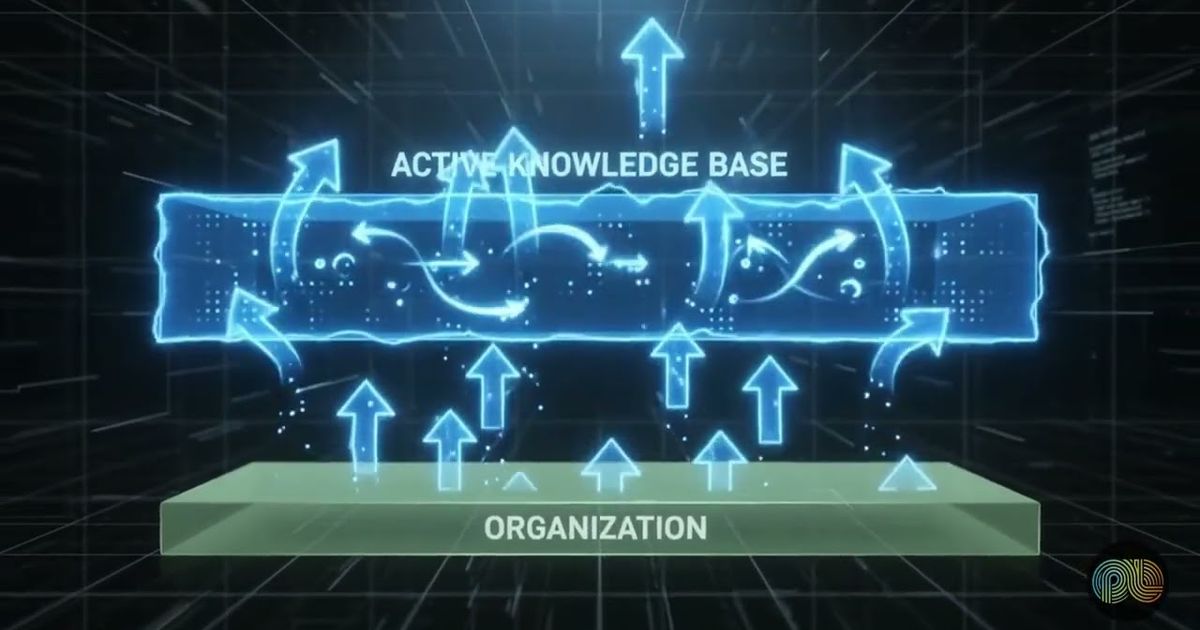
This approach supports a shift from isolated project outputs toward research as a living knowledge base. Each completed study can strengthen the evidence available to future teams.
How does searchable organizational intelligence work?
It works by combining structured knowledge foundations with retrieval methods that understand meaning and context. A search interface alone cannot make fragmented, inconsistently organized research genuinely useful.
Several components need to work together:
- Consistent metadata describes topics, audiences, products, markets, methods, dates, and other relevant dimensions.
- Semantic relationships connect related concepts even when different teams use different words.
- Reusable research objects make individual findings, evidence, and decisions discoverable outside their original reports.
- Knowledge graphs represent relationships among studies, themes, entities, findings, and decisions.
- Retrieval strategies identify the most relevant material for a question rather than relying only on literal keyword matches.
- Evidence context and provenance preserve the connection between an answer and the research supporting it.
Together, these foundations allow search to recognize concepts and return evidence that answers a question. For example, a search about onboarding friction might retrieve findings labeled with setup difficulty, activation barriers, or first-use problems, even when the exact phrase “onboarding friction” does not appear.
AI can then synthesize the retrieved material into a concise response. That synthesis should retain links to the underlying observations, findings, and studies so researchers can inspect the evidence and judge whether it applies. This is closely related to building an evidence graph, where relationships and provenance make organizational knowledge easier to verify and reuse.

How can teams use searchable organizational intelligence?
Teams can use searchable organizational intelligence before commissioning new research, during active projects, and when making decisions. The goal is not to replace new research, but to establish what the organization already knows and where evidence is missing.
Consider a product team preparing a new feature. Before launching a study, the team could search for:
- Related findings from earlier product research.
- Previous experiments involving similar workflows.
- Recurring customer concerns across multiple studies.
- Earlier design decisions and the evidence behind them.
- Unanswered questions or contradictions that require further investigation.
This process may reveal that existing evidence already answers part of the current question. It may also show that earlier findings apply to a different audience, market, or product context and therefore need validation.
Searchable intelligence also supports active research. Researchers can compare new observations with established themes, identify repeated patterns, and connect emerging findings to prior decisions. Over time, each initiative contributes to a continuously accessible knowledge system rather than producing another isolated report.
What mistakes make organizational knowledge hard to search?
Organizational knowledge remains difficult to find when teams focus on file preservation without designing for retrieval, context, and reuse. The most common problems begin before anyone types a query.
Key mistakes include:
- Treating documents as the only searchable objects. Important findings remain buried inside long reports and presentations.
- Using inconsistent metadata. Similar studies become difficult to connect when teams classify topics, audiences, and methods differently.
- Relying exclusively on keyword search. Literal matching can miss conceptually related evidence expressed in different language.
- Separating summaries from sources. An answer without provenance is difficult to verify or apply responsibly.
- Ignoring relationships among findings and decisions. Teams may find an insight but not understand what action followed or what evidence supported it.
- Leaving knowledge ownership undefined. Metadata, links, and reusable objects need maintenance as terminology and organizational priorities change.
AI does not automatically solve these problems. It can produce fluent summaries from retrieved material, but weak organization and poor retrieval can still lead to incomplete or misleading answers. Search quality depends on the underlying structure, context, and governance of the knowledge system.

Key takeaways
- Searchable organizational intelligence retrieves relevant knowledge across teams, time periods, and storage locations.
- It searches structured evidence, findings, themes, decisions, and relationships rather than documents alone.
- Metadata, semantic links, reusable research objects, knowledge graphs, and retrieval strategies provide the necessary foundation.
- AI synthesis is most useful when every answer remains connected to its supporting research.
- Accessible organizational knowledge reduces duplicated work and strengthens learning across new initiatives.
How PulseLake helps
PulseLake provides persistent study context, a research knowledge graph, cross-study search, and natural-language questions with evidence provenance. Its calculation mode computes answers against study data, while reusable research objects and governance foundations help preserve context across projects. To explore how these capabilities can support searchable organizational intelligence, talk to our team.
Frequently asked questions
How is searchable organizational intelligence different from document search?
Document search primarily locates files containing matching words or phrases. Searchable organizational intelligence retrieves structured evidence, findings, themes, decisions, and relationships across sources. It can recognize conceptually related material and preserve the context needed to judge whether a finding applies to the current question.
Can AI make an existing research repository searchable by itself?
AI can improve retrieval and summarize relevant material, but it cannot compensate fully for missing context, inconsistent metadata, or unclear evidence relationships. Reliable organizational intelligence also requires structured research objects, semantic connections, provenance, governance, and retrieval strategies designed around how people ask questions and make decisions.
Should teams search existing knowledge before starting new research?
Yes, searching existing knowledge helps teams understand what has already been learned, where evidence agrees, and which questions remain unanswered. Existing findings may reduce the scope of a new study or sharpen its objectives. Researchers should still check whether prior evidence matches the current audience, market, product, and decision context.
How can teams keep organizational intelligence trustworthy over time?
Teams should preserve links between claims and supporting evidence, apply consistent metadata, and maintain relationships among findings, studies, and decisions. They also need clear ownership for updating classifications and correcting outdated connections. Trust comes from making knowledge traceable and reviewable, not simply easy to retrieve.