 PulseLake
Living Research Knowledge Base: How It Works
A living research knowledge base connects past and new evidence, tracks changing assumptions, and keeps insights accessible for better decisions over time.

A living research knowledge base is a connected, continuously updated system that links past studies with new evidence. It preserves how understanding changes rather than treating every finding as timeless or replacing prior work, so teams can keep useful knowledge accessible, traceable, and relevant to current decisions.
This matters because human behavior, user needs, and market conditions change, making once-valid assumptions less reliable over time. The two-minute video above walks through the core ideas.
What is a living research knowledge base?
A living research knowledge base connects evidence across studies and updates the organization’s understanding as new findings emerge. Unlike a static archive, it shows both what the organization knows and how that knowledge has evolved.
Older research remains valuable because it provides context. A new study may strengthen an established pattern, add nuance to it, or challenge the assumptions behind it. Preserving those relationships helps teams distinguish a genuine change in behavior from a difference in audience, method, product experience, or research question.
A living knowledge base should make research:
- Understandable, with enough context to interpret each finding correctly.
- Accessible, so relevant teams can locate and use the evidence.
- Connected, with relationships among studies, findings, assumptions, and decisions.
- Current, with clear signals about whether knowledge still applies.
The goal is not to collect unlimited information. It is to create a practical learning system rather than another passive archive, which is also central to building a research repository that people actually use.
How do you keep research knowledge current?
Keeping research current requires regular review, clear ownership, and consistent documentation. Every new study should update the existing body of knowledge instead of becoming an isolated report.
A practical update cycle includes four actions:
- Review existing evidence. Identify relevant findings, assumptions, decisions, and unresolved questions before beginning new work.
- Add the new findings. Record whether the evidence confirms a pattern, adds context, or challenges the previous understanding.
- Document the change. Explain what changed, when it changed, and why the team believes the change occurred.
- Update the current view. Make the latest interpretation visible without erasing the history that explains how the organization reached it.
Ownership is essential because knowledge does not maintain itself. A designated person or team should review updates, resolve conflicting interpretations, preserve supporting context, and mark findings that may no longer apply.
This process prevents teams from relying on outdated assumptions when user needs or behaviors shift. It also makes uncertainty visible: a challenged finding can remain part of the record while being clearly separated from the organization’s current working view.

How does connected research produce stronger insights?
Connected research reveals relationships that individual findings cannot show on their own. Multiple studies may expose recurring behaviors, changing needs, contradictions, or broader patterns that would remain hidden in separate reports.
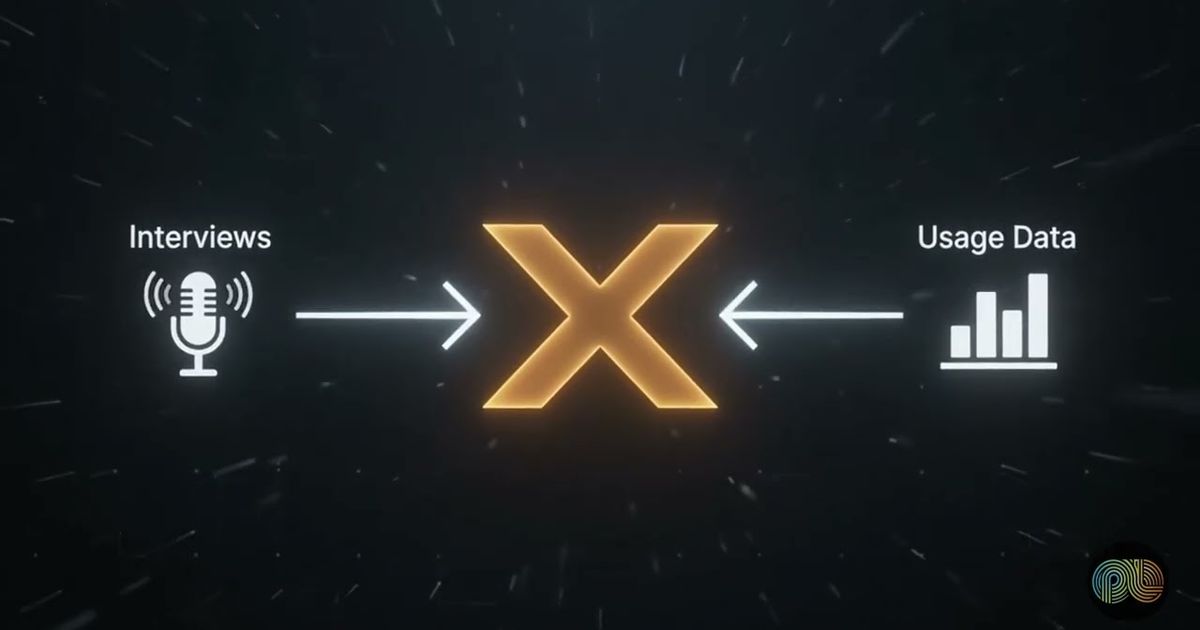
For example, an interview study may explain why customers struggle with a workflow, while survey data indicates how widely the difficulty occurs. A later usability study may show that the problem has changed after a product update. Connecting the evidence creates a more useful interpretation than treating each result as a standalone conclusion.
Connections should include more than shared topics. Teams can relate evidence to research questions, audiences, methods, assumptions, product areas, time periods, and decisions. This structure helps people understand whether findings reinforce one another or apply only under particular conditions.
Organizing these relationships also makes research easier to reuse. Teams can build on earlier learning instead of repeatedly starting from zero, an important principle when organizing research into reusable knowledge.
What roles should AI and people play?
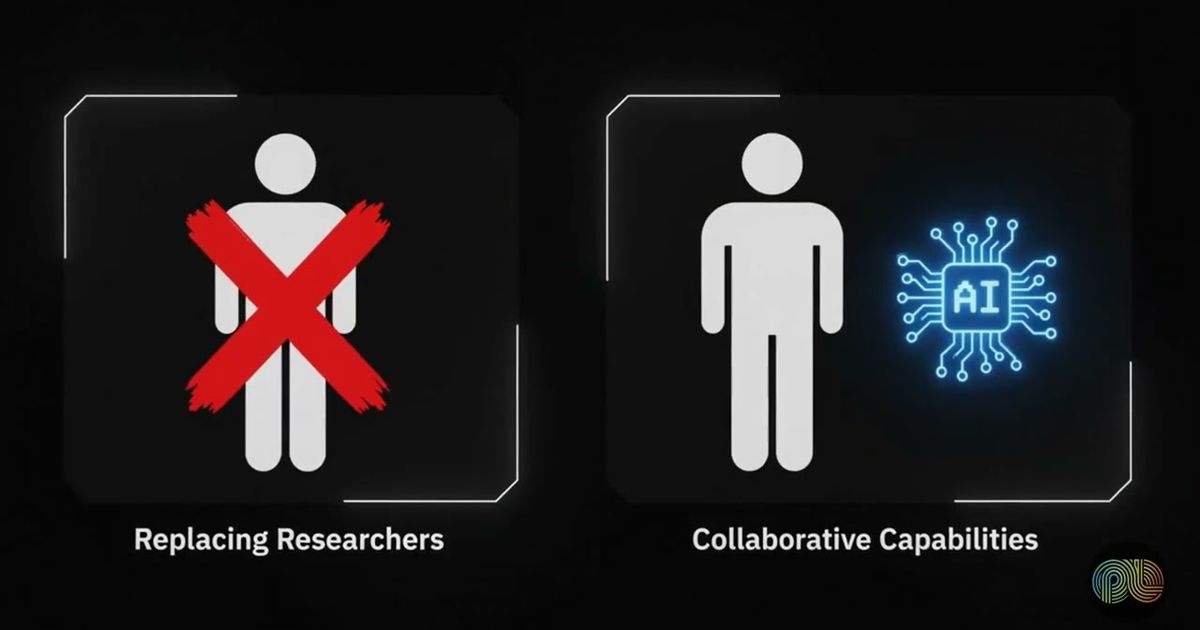
AI can help organize, connect, and surface research information, but people must judge its meaning and relevance. The strongest model combines machine-assisted discovery with accountable human interpretation.
AI can support the knowledge base by finding related studies, identifying possible patterns, organizing evidence, and helping people retrieve relevant material. These tasks become especially useful as the volume of research grows beyond what any individual can remember.
Human judgment remains necessary to evaluate context, resolve contradictions, assess methodological limits, and decide whether an older finding still applies. A similarity between two findings does not automatically mean they support the same conclusion, and a newly observed difference does not always represent a lasting behavioral change.
A living knowledge base also supports collaboration. Researchers and stakeholders can contribute evidence, see what other teams have learned, and connect new decisions to the organization’s existing understanding. Together, AI assistance and human oversight turn accumulated research into a continuous learning capability that can adapt alongside changing realities.

Key takeaways
- A living research knowledge base preserves history while keeping the organization’s current understanding visible.
- New evidence should confirm patterns, add context, or challenge earlier assumptions.
- Clear ownership, regular updates, and consistent documentation keep knowledge reliable.
- Connected findings reveal broader patterns that isolated research reports can miss.
- AI can improve organization and discovery, but people remain responsible for interpretation and relevance.
How PulseLake helps
PulseLake keeps objectives, methods, evidence, and decisions together in a persistent study context. Its research knowledge graph, cross-study search, deep research, and evidence provenance help teams connect new findings with prior work, while specialized agents and repeatable workflows can support organization, analysis, QA, and reporting under researcher oversight. To explore how this could support a living research knowledge base, talk to our team.
Frequently asked questions
How often should a research knowledge base be reviewed?
A research knowledge base should be updated whenever meaningful new evidence appears and reviewed periodically for relevance. Teams should also revisit it after product changes, market shifts, or signs that user behavior has changed. The appropriate cadence depends on how quickly the subject changes, but ownership and review triggers should always be explicit.
Should outdated research findings be deleted from the knowledge base?
Older findings generally should not be deleted merely because current evidence differs. Preserve them with their original context, then mark whether they have been confirmed, qualified, challenged, or superseded. This historical record helps teams understand when knowledge changed, why an earlier decision made sense, and whether a past pattern might reappear under similar conditions.
Can AI maintain a living research knowledge base without human oversight?
AI can assist with classification, retrieval, connection discovery, and pattern identification, but it should not be the sole authority over research knowledge. People must evaluate source quality, methodological differences, conflicting evidence, and organizational relevance. Human review also ensures that generated summaries remain grounded in evidence and that current decisions do not rest on misleading associations.