 PulseLake
Continuous Insight Generation Explained
Continuous insight generation keeps knowledge current by connecting and validating new evidence, helping teams detect change and make better decisions.

Continuous insight generation is the ongoing practice of discovering, updating, connecting, and validating insights as new evidence becomes available. Rather than treating each study’s findings as final, it allows organizational knowledge to evolve, revealing emerging patterns, confirming earlier conclusions, and challenging assumptions that no longer fit the available evidence.
This matters because customer needs, market conditions, product experiences, and organizational priorities rarely remain static between research projects. A continuous model helps teams learn from accumulated evidence instead of waiting for an isolated study to identify an important change. The two-minute video above walks through the core ideas.
What is continuous insight generation?
Continuous insight generation turns research from a sequence of disconnected projects into an ongoing intelligence capability. Findings remain active parts of a growing knowledge system, where they can be revisited and revised as additional evidence appears.
Traditional research often follows a project cycle: investigate a question, produce findings, deliver a report, and move to the next initiative. That approach creates valuable knowledge, but reports can become isolated from later work. Teams may repeat questions, overlook changes, or make decisions using conclusions whose original context is no longer visible.
A continuous approach does not eliminate individual studies. It connects them so each new study, customer comment, usability observation, or market signal contributes to an existing understanding. New evidence can:
- Reinforce an insight supported by multiple sources.
- Reveal a pattern that was not visible in one study alone.
- Show that customer needs or market conditions are changing.
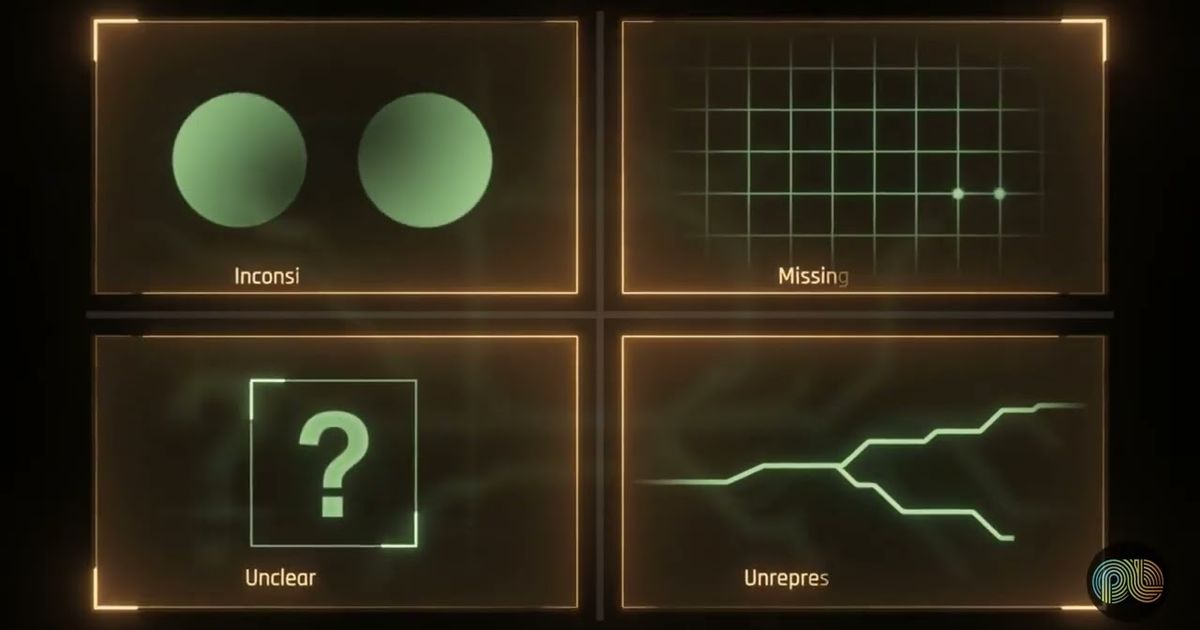
- Contradict an earlier interpretation and trigger a review.
This model is closely related to treating research as a living knowledge base, rather than as a collection of static deliverables.

How does continuous insight generation work?
The process repeatedly captures evidence, connects it with existing knowledge, evaluates what changed, and validates the resulting interpretation. The cycle continues whenever relevant evidence enters the research system.
For example, a product team might continuously collect interview findings, survey responses, support themes, usability observations, and market updates. Those inputs should not simply accumulate in separate folders. Researchers compare them with established themes, assumptions, decisions, and unresolved questions.
A practical cycle includes four activities:
- Discover new evidence. Collect relevant observations and findings from research and other credible inputs.
- Connect the evidence. Link new material to existing topics, insights, studies, audiences, products, or decisions.
- Update interpretations. Identify whether the evidence confirms, extends, qualifies, or challenges what the organization believes.
- Validate meaningful changes. Review context, source quality, and competing explanations before changing an insight or recommending action.
Continuous does not have to mean real-time. The appropriate rhythm might be event-driven, weekly, monthly, or tied to recurring research. What matters is that the organization has a repeatable mechanism for incorporating new evidence instead of allowing it to become another isolated report.

What role should AI and researchers play?
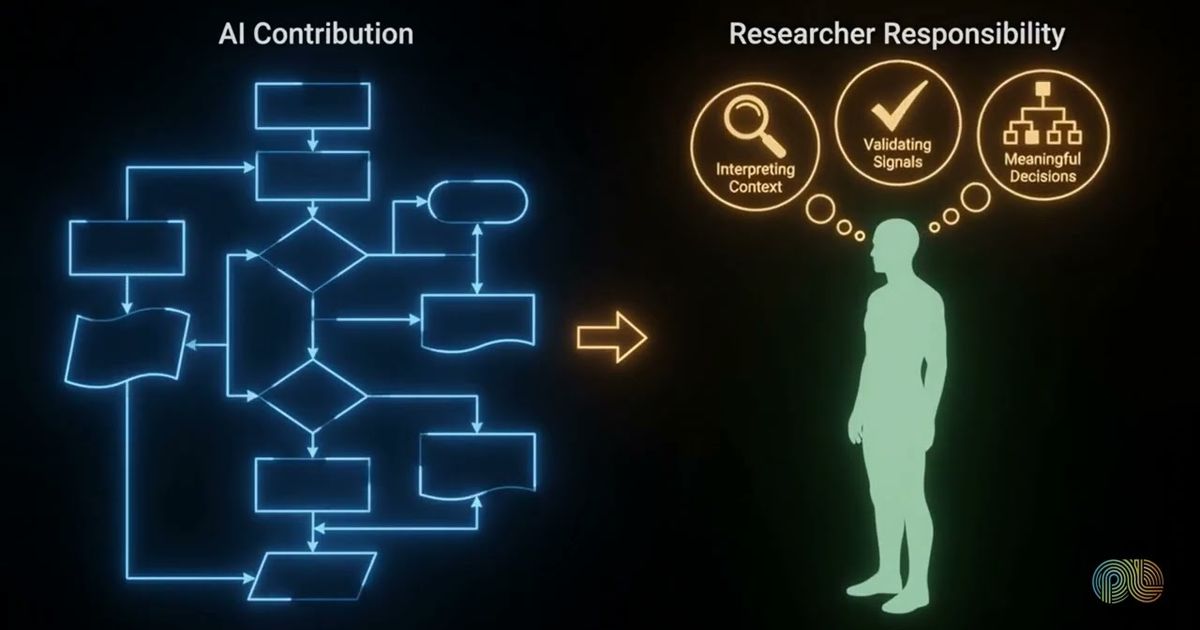
AI can monitor large collections of information, surface recurring themes, detect changes, and suggest connections between new evidence and existing knowledge. Human researchers must still validate interpretations, assess context, and decide whether a pattern represents meaningful change.
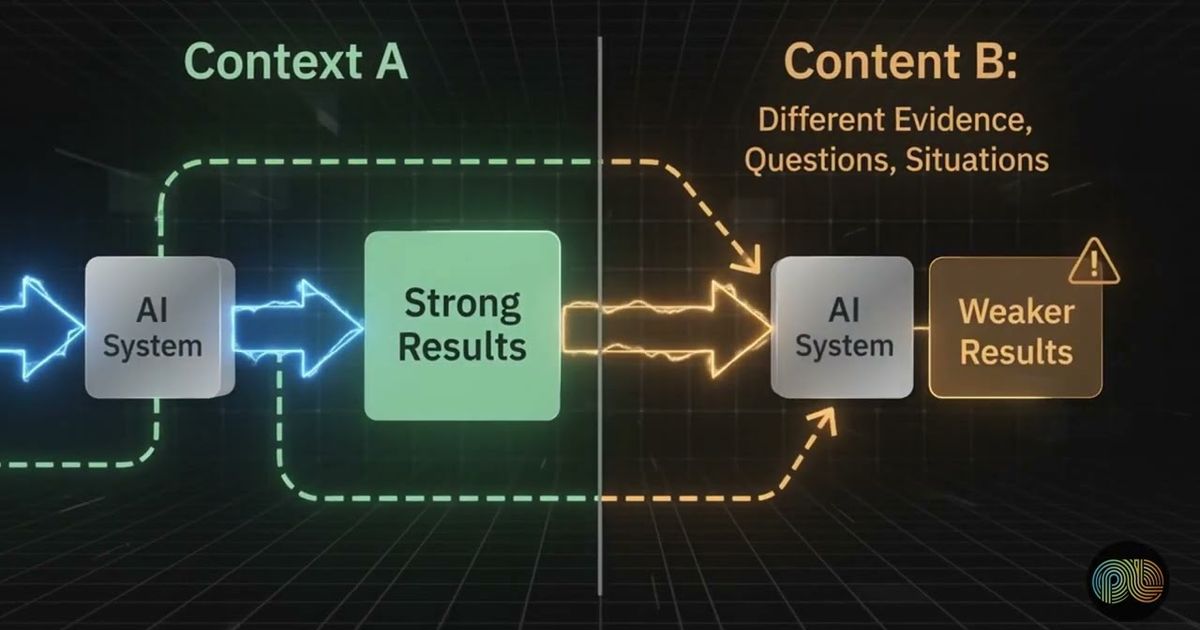
This division of labor is important because frequency does not automatically indicate importance. A recurring theme may reflect duplicate sources, a temporary event, a vocal subgroup, or a change in data collection. AI can flag the pattern, but a researcher should examine provenance, population, timing, methodology, and alternative explanations before updating a conclusion.
Researchers also determine what the evidence means for a decision. That work requires judgment about business context, research limitations, and the consequences of acting too early or too late. The goal is therefore not autonomous interpretation, but a system in which AI accelerates monitoring and synthesis while researchers retain approval and accountability. This follows the broader principle of using AI as a research assistant instead of a decision maker.
What infrastructure supports continuous insight generation?
Continuous insight generation requires connected knowledge systems, structured research objects, evidence lineage, and consistent metadata. These foundations allow new information to join an existing body of knowledge while preserving where it came from and how it was interpreted.
A folder of reports is not enough. Teams need to represent studies, evidence, insights, themes, assumptions, audiences, and decisions in ways that can be connected and searched. Consistent metadata helps the organization compare related material across time, methods, products, and customer groups.
Evidence lineage is equally important. Researchers should be able to trace an insight back to the observations and studies supporting it, including relevant methodology and context. When contradictory evidence appears, lineage makes it possible to inspect whether the conflict reflects genuine change, different populations, methodological differences, or weak evidence.
Strong infrastructure also preserves the history of an insight. Instead of silently replacing an old conclusion, teams can see how the interpretation developed, what evidence caused an update, and whether the new position has been validated. This creates an ecosystem that becomes more useful with every new study, observation, and confirmed insight.
Key takeaways
- Continuous insight generation keeps findings active and open to revision as new evidence appears.
- New evidence can confirm existing insights, expose emerging patterns, or challenge outdated assumptions.
- AI can monitor and connect information, but researchers must validate meaning and context.
- Structured knowledge, metadata, and evidence lineage prevent new findings from becoming isolated reports.
- A continuous model helps organizations recognize emerging needs and adapt decisions to changing conditions.
How PulseLake helps
PulseLake keeps objectives, methods, evidence, insights, and decisions within a persistent study context supported by a research knowledge graph. Cross-study search, deep research, evidence provenance, and specialized agents help teams connect new material with accumulated knowledge while retaining researcher judgment and approvals. To discuss how this could support continuous insight generation, talk to our team.
Frequently asked questions
Does continuous insight generation replace project-based research?
No. Individual studies still provide focused investigation, appropriate methodology, and evidence for specific questions. Continuous insight generation adds a system around those projects so their findings remain connected, discoverable, and open to validation when later evidence appears. Projects become contributions to an evolving knowledge base rather than isolated endpoints.
How often should an organization update its insights?
The right frequency depends on how quickly the subject changes, how often new evidence arrives, and how consequential the decisions are. Updates may occur when a study finishes, on a recurring schedule, or when monitoring identifies a meaningful signal. The process should prioritize validated change over constant activity.
How can researchers tell whether a pattern represents real change?
Researchers should inspect the evidence’s source, timing, population, method, and relationship to prior findings. They should also consider duplicate inputs, collection changes, temporary events, and competing explanations. A pattern becomes more decision-relevant when its provenance is clear, its context is understood, and appropriate evidence validates the interpretation.
What kinds of evidence can feed a continuous insight system?
The system can incorporate customer feedback, interviews, surveys, usability observations, market changes, and findings from completed research. Inputs may differ in quality and purpose, so teams should preserve their methodology and provenance rather than treating every signal as equivalent. Structured connections make comparison possible without erasing those differences.