Research Narrative Generation Explained
Research narrative generation turns complex findings into clear, evidence-grounded explanations that connect patterns, meaning, and decisions.

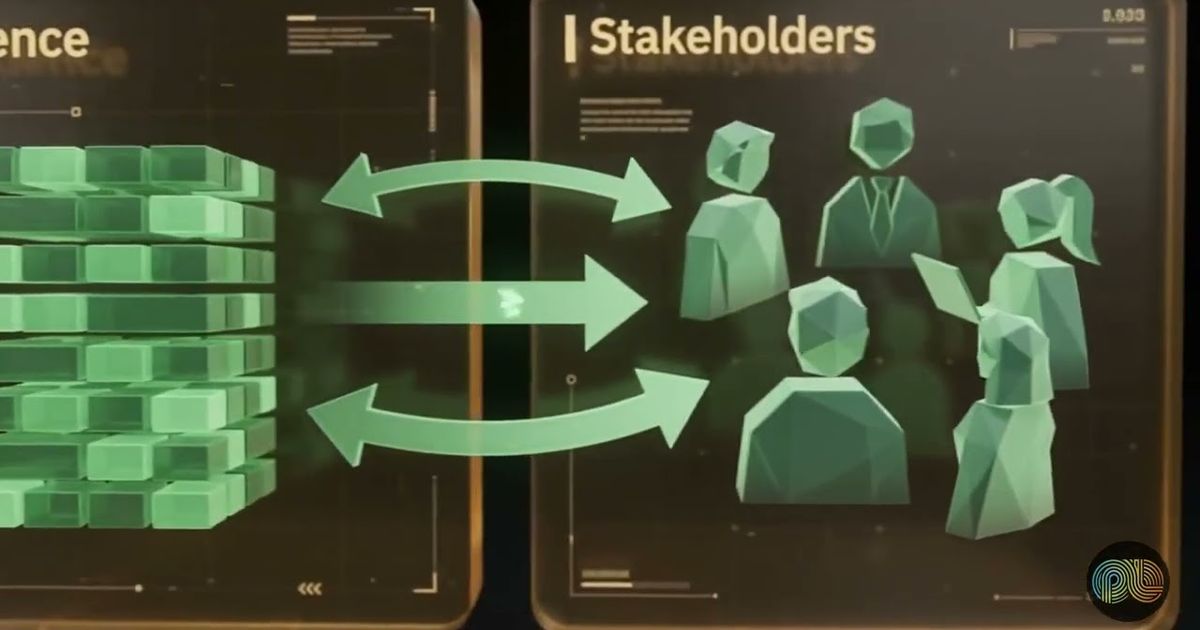
Research narrative generation turns research findings into a structured explanation grounded in evidence. It lays out the original question, the context that matters, the patterns observed and what they imply in practice, in an order a reader can follow. The audience comes away knowing what was learned, why it matters and which decisions the evidence may support.
A finding sitting in a report changes nothing; someone has to explain it. A coherent research narrative makes complex evidence understandable and shows how the researcher got from observations to conclusions.
What is research narrative generation?
Many findings, one explanation, with the evidence still attached underneath.
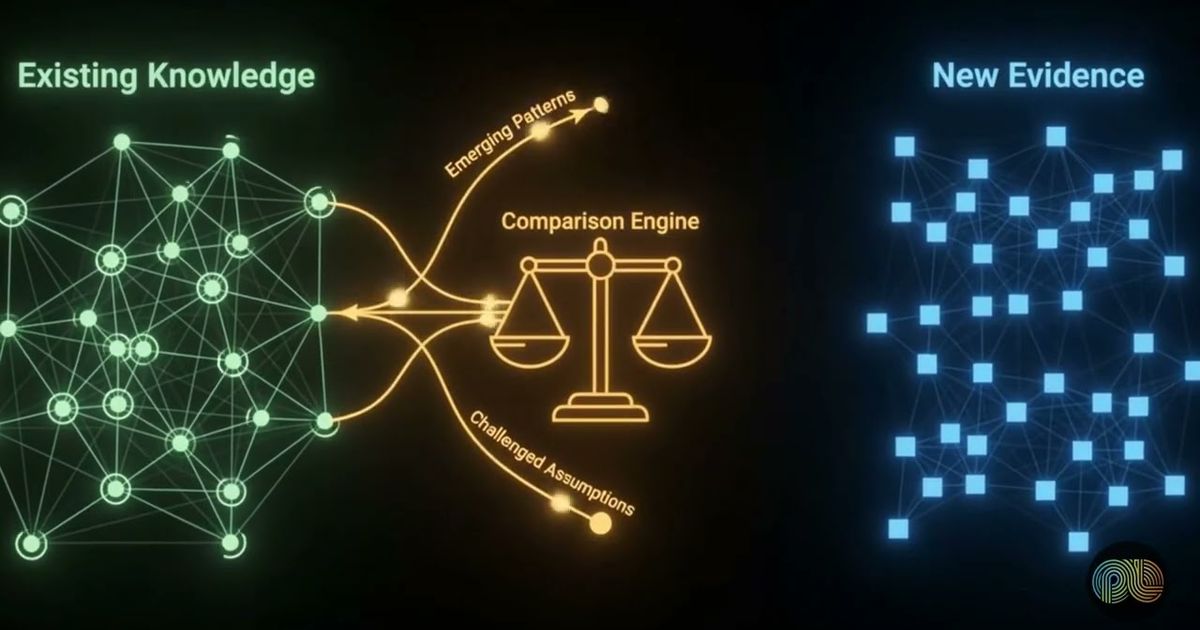
Compare it with a summary. A summary condenses. A narrative shows how observations relate to each other and why they matter taken together, and it brings structure and reasoning with it: the question the research set out to answer, the situation around that question, the evidence and patterns that emerged, and what those patterns might mean for decisions.
It doesn't turn findings into a dramatic storyline. A faithful narrative keeps the uncertainty, the limitations and the awkward observations that complicate the main reading. We think the test is simple: a reader finishes understanding the evidence better, and never thinks it's more conclusive than it is.
The contrast is easy to see with AI-generated summaries. Summaries help readers scan findings. A narrative has to go further and expose the logic that links evidence, meaning and possible action.
How do you build an evidence-grounded research narrative?
Begin with validated evidence. (Beginning with the conclusion you want is how narratives go wrong.) Then arrange question, context, patterns and implications so a reader can follow the reasoning from what was observed to what it may mean.
- Say again what the study wanted to understand and which decisions prompted it.
- Give the context a reader needs to interpret the findings: audience, situation, constraints, conditions.
- Show the main patterns by connecting related observations, not listing isolated data points, and separate strong patterns from tentative signals.
- Spell out the implications: what the findings might support, what remains uncertain and what to investigate next.
The reasoning has to stay visible throughout. A pile of disconnected conclusions doesn't show readers how evidence supports each interpretation. Keep evidence lineage and researchers can trace claims back to findings and to the context those findings came from.
Four foundations make this dependable: structured insights, validated findings, semantic relationships between concepts and traceable evidence. Take them away and polished prose can paper over weak or incomplete reasoning. It often does.

What mistakes make a research narrative misleading?
Clarity or persuasion winning out over fidelity to the evidence. The worst versions bury uncertainty, drop contradictions, or present interpretation as direct observation.
Choose the answer you want and pick only supportive findings, and you've written advocacy, not research communication. Smooth over uncertainty and tentative signals start sounding as sure as well-supported patterns. Skip the conflicting evidence and you may be hiding real differences between participants, contexts or methods.
Three more traps. Claims get severed from their sources, though readers and reviewers should be able to trace important conclusions back to evidence. Implications get stretched, when findings can inform a decision without proving that one action produces a given outcome. And one version goes to every audience. Relevance and level of detail can flex; the underlying meaning can't.
Honest narratives name their limits: gaps in the evidence, interpretations that rest on assumptions. Say so plainly. Decision-makers get more from an explanation that shows where it applies and where it stops.

How can AI support research narrative generation?
It helps by organizing findings, suggesting narrative structures, spotting relationships among evidence points and tailoring explanations to different audiences. That lowers the drafting effort. It doesn't replace researcher judgment.
Say it groups the evidence around a few recurring themes, proposes a running order and drafts one version for executives and another for research specialists. The executive draft leans on decision implications, the specialist one keeps more methodological context, and both must carry identical evidence, uncertainty and limitations.
Review what it writes with care. Fluent text can inflate a pattern, drop an important qualification, overlook conflicting evidence or hint at causation the research never established. Check each substantive claim against the source evidence, and keep the implications inside what the findings reasonably support.
People still decide what matters, read evidence in context and pick the limitations an audience must grasp. AI can assist with organization and expression, but accuracy and meaning are the researcher's responsibility.
How PulseLake helps
PulseLake keeps research objectives, methodology, evidence, analysis and decisions in a persistent study context. Its research knowledge graph, cross-study search, evidence provenance and specialized agents can support narrative drafting while keeping the links to source material. Researchers keep judgment and approvals, and delivery capabilities can turn validated findings into dashboards, PowerPoint reports, workspaces and research Q&A. To discuss your research workflow, talk to our team.
Frequently asked questions
How is a research narrative different from an executive summary?
An executive summary condenses findings, conclusions and recommendations into a quick read. A research narrative also shows how the original question, context, observations and patterns fit together, so the line of reasoning is visible. With enough room, an executive summary can borrow narrative elements too.
Should a research narrative include conflicting findings?
Yes. Conflicts may reflect differences between groups, contexts, methods or time periods, and leaving them out manufactures certainty. Explain what conflicts, judge whether it alters the main reading and say what extra evidence would settle it.
Can one research narrative serve every audience?
Probably not. A single evidence base can support several audience-specific narratives, but one version seldom fits everyone: executives often want concise implications, while researchers want methodological detail and evidence trails. Change the language, emphasis and depth, never the findings, and don't hide limitations or sound more certain than the evidence allows.