Research Objects vs. Research Reports
Research objects turn questions, evidence, findings, and decisions into structured, reusable knowledge, while reports communicate a project narrative.

Research objects are individual, structured units of knowledge (questions, observations, quotes, themes, findings, recommendations and decisions), each with its own identity, meaning, metadata and relationships. Research reports are narrative outputs that assemble those objects for one project, audience or decision at a specific point in time. Objects are for finding and reusing knowledge; reports are for telling its story.
Eight months after a project wraps, someone needs the one quote that backed a pricing claim.
With only the report, they're opening decks and scrolling. If the quote lives as its own object, they search, find it and see where it came from.
What is a research object, and how does it differ from a report?
One holds a single identifiable unit of research knowledge. The other arranges many of those units into a coherent narrative. Objects support retrieval and reuse; reports support communication and interpretation.
Why do most organizations default to reports? Documents are familiar, easy to send around and simple to archive. The trouble shows up later, when somebody needs a single observation, a quote backing a claim or evidence for a new decision. They have to find the right document, work out how it's structured and dig through content written for a different question.
There's a second catch. A report freezes one interpretation at one moment, so its conclusions reflect the project's objectives, evidence, audience and context when it was written. A research object can stay linked to that report and still join later studies, updated analyses or new decisions.
None of this makes reports obsolete. They remain the best way to summarize evidence, explain implications and walk stakeholders through a project's story. We'd just stop treating them as the main unit of knowledge. They're outputs of a research system.

Why do research objects improve reuse and AI-assisted research?
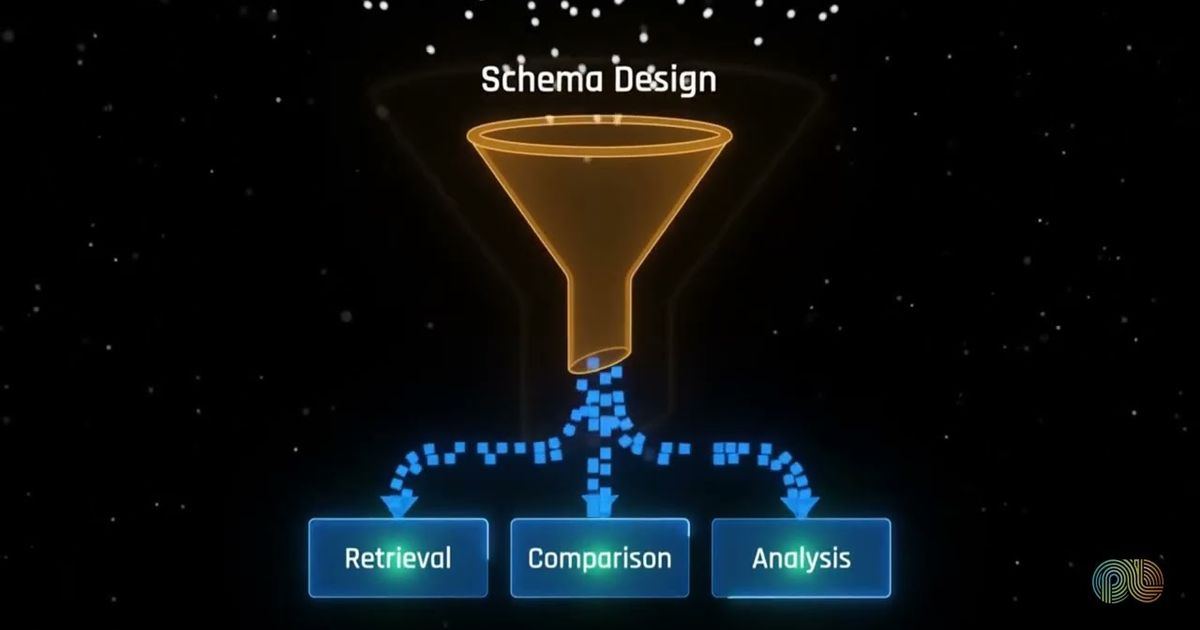
Because they give people and intelligent systems smaller, contextualized units to retrieve, compare, synthesize and verify. Nobody has to reprocess a whole document each time a specific question comes up.
An AI-assisted research system can then pull relevant findings from across studies, compare related themes or surface the evidence behind a recommendation. Since each object carries metadata and relationships, the system keeps the context and doesn't return disconnected passages matched on keyword similarity alone.
Checking the answer gets easier too. A synthesized answer can link back to the observations, quotes, themes or findings behind it, and clear evidence lineage lets a researcher see where a claim came from and decide whether it fits the decision at hand.
And when new evidence arrives, you add, revise or relate objects. Earlier reports don't need rewriting. The knowledge network keeps evolving, while old reports stay valid records of how the evidence was read at the time.
What information can become a research object?
Anything meaningful that someone will need to find, understand, connect or reuse. How fine-grained to get depends on how you expect people and systems to use the knowledge later.
Typical candidates: research questions and hypotheses, participant observations and interview quotes, survey items with coded responses and themes, findings with their supporting evidence, recommendations and proposed actions, and decisions linked to the evidence behind them.
Each one needs enough context to make sense outside its original report. That means study, source, date, methodology, topic, participant segment, evidence links and relationships to other objects. A quote stripped of who said it, what question prompted it and how it was read is just a fragment. Worse, it's a fragment that looks authoritative.
Shredding every document into the smallest possible pieces isn't the aim. You're building useful structured research assets that keep their meaning and can still be retrieved and recombined precisely.
How should research objects and reports work together?
Objects keep the knowledge; reports communicate it. In practice, create structured objects as the research happens, connect them to evidence, then assemble the relevant ones into outputs for each audience.
The workflow in four moves:
- Capture the evidence, with observations, quotes, responses and other source material kept in their original context.
- Create structured objects: questions, themes, findings, recommendations and decisions as identifiable units.
- Connect relationships. Findings go to evidence, recommendations to findings, decisions to the knowledge behind them.
- Produce the report, picking and arranging relevant objects into a narrative for the project, audience or decision.
Because the objects exist on their own, one evidence base can feed many outputs. An executive might want a short decision summary; a researcher might want methodological detail and direct evidence. Both can be generated or updated from the same collection, and neither becomes its own knowledge silo.
Over time, research operations stop producing isolated documents and start building a reusable network of organizational knowledge. Reports remain important deliverables. The connected evidence just outlives any one project.

How PulseLake helps
PulseLake keeps objectives, methodology, evidence, findings and decisions in a persistent study context. Its research knowledge graph, cross-study search, evidence provenance and delivery capabilities help teams keep structured knowledge while producing dashboards, PowerPoint reports, workspaces and research Q&A. To explore how this could fit your research system, talk to our team.
Frequently asked questions
Can research objects replace research reports entirely?
No, because the two do different jobs. Objects keep granular, reusable knowledge. Reports explain what the evidence means within a specific project and guide an audience through a coherent narrative. A strong research system uses objects as the knowledge layer underneath and reports as the communication layer on top.
How granular should a research object be?
Small enough to retrieve and reuse on its own, complete enough to keep its meaning. A single quote can work if it stays connected to its source and question, while a finding might combine several observations. Where you draw the line depends on the decisions, searches, comparisons and analyses the object has to support.
What metadata should research objects include?
Whatever explains where the object came from, what it means and how it relates to other knowledge. Depending on the object, that could be the source study, date, method, participant segment, research question, topic, supporting evidence and related findings or decisions. Focus on context and provenance, and skip fields nobody has a use for.