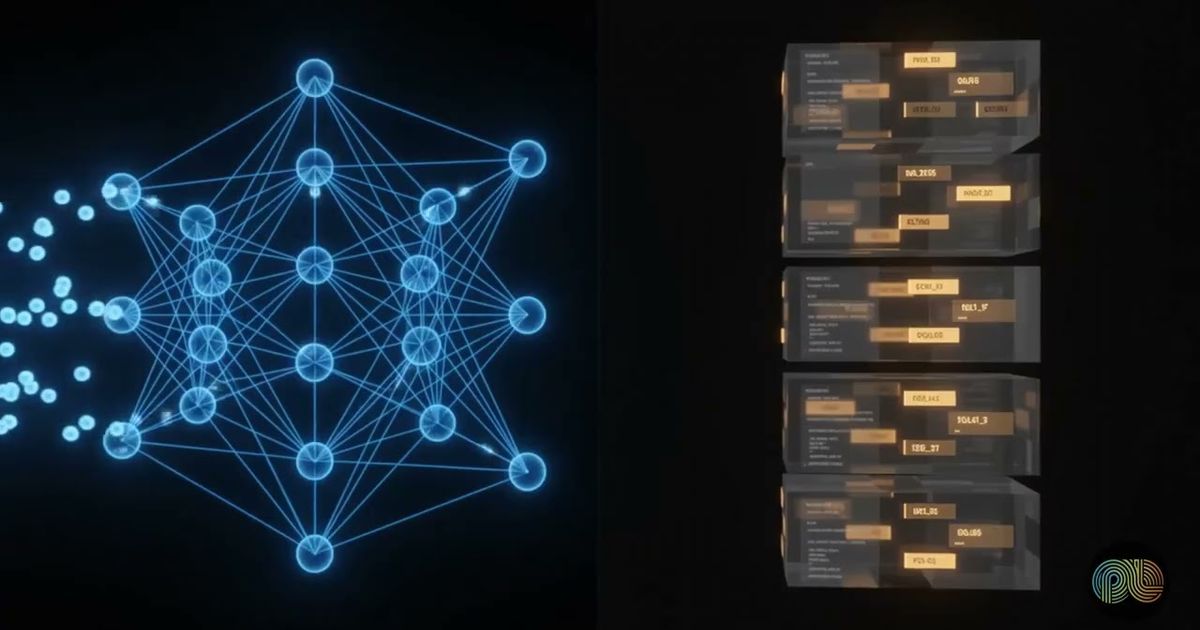
Structured Research Assets: Reusable Knowledge
Structured research assets keep findings, evidence, metadata, and relationships searchable, reusable, and trustworthy across studies and over time.

Structured research assets are reusable units of research knowledge that combine primary content with the context needed to interpret it. By linking findings, observations, decisions, and recommendations to their origins, evidence, relationships, and ownership, organizations make research easier for people and machines to understand, search, compare, and reuse.
This matters because valuable knowledge often becomes inaccessible after a project ends, its team changes, or its report enters an archive. Structuring individual assets keeps evidence meaningful outside the document and study in which it first appeared. The two-minute video above walks through the core ideas.
What are structured research assets?
A structured research asset is an identifiable unit of research that contains both substantive content and interpretive context. It can represent an interview, observation, transcript, finding, theme, decision, or recommendation.
Traditional research storage treats the document as the primary unit. A report may contain dozens of findings and supporting observations, but search systems often see only one file with a title, author, and date. The knowledge remains buried in paragraphs, slides, or appendices.
Structured assets make each important element independently understandable and reusable. A finding can belong to its original study while also connecting to a research question, product area, participant evidence, related themes, and subsequent work. This supports the broader practice of organizing research into reusable knowledge.
What information should a structured research asset contain?
Each asset should contain its primary content and enough metadata to explain its origin, purpose, relationships, reliability, and stewardship. The exact fields can vary by asset type, but the context must let someone interpret it outside the original study.
A useful structure includes:
- Core content: The transcript, observation, finding, theme, decision, or recommendation itself.
- Origin: The study, method, researcher, participant source, or activity that produced it.
- Purpose: The objective or research question that the asset addresses.
- Relationships: Connections to evidence, related findings, product areas, or later studies.
- Confidence and ownership: Its confidence status and the person or team responsible for it.
- Supporting evidence: The source material another researcher can inspect or validate.
Metadata should serve interpretation, retrieval, comparison, governance, or reuse. Adding fields without a clear purpose creates administrative work rather than useful structure.

How do structured assets preserve knowledge over time?
Structured assets preserve knowledge by maintaining the connections that give an insight meaning after its original project ends. Instead of freezing a finding inside an archived report, they allow its evidence, interpretation, and later history to remain connected.
Consider a usability finding recorded several years ago. In an unstructured archive, it may survive only as a paragraph in a report. A researcher must find the document, read the surrounding sections, and reconstruct why the finding mattered.
As a structured asset, that finding can remain linked to the question it answered, the participant observations supporting it, the affected product area, and related findings. Later studies can confirm, refine, or challenge it without erasing its original provenance.
This approach also supports cross-study knowledge linking. Assets from different projects can become part of an evolving body of knowledge while retaining their original study context.

How do structured assets improve AI and research workflows?
Structured assets give AI systems clearer units to retrieve, compare, and summarize while preserving essential context. They also reduce the time researchers spend rediscovering prior work or reconstructing how a conclusion was reached.
With appropriate structure, an AI system can retrieve specific evidence instead of returning an entire report. It can compare similar findings across studies and generate summaries that retain connections to research questions, source material, and confidence information.
Structure does not eliminate the need for researcher judgment. Ownership, lineage, confidence, and supporting evidence help people assess whether an automated output is suitable for a decision.
Teams should avoid several common mistakes:
- Structuring final reports while leaving observations, transcripts, and evidence disconnected.
- Capturing content without enough context to interpret it independently.
- Removing provenance when combining evidence or generating summaries.
- Treating findings as permanent truths that later research cannot challenge.
- Creating metadata fields with no clear purpose.
- Leaving ownership and maintenance responsibilities unclear.
The objective is not maximum granularity or tidier folders. It is to make every important asset understandable, reusable, maintainable, and trustworthy as research accumulates.
Key takeaways
- Structured research assets combine reusable content with the metadata needed to interpret it.
- Findings remain connected to their original questions, evidence, relationships, and ownership.
- Later studies can confirm, refine, or challenge earlier knowledge without removing its history.
- Structure helps AI retrieve and compare evidence while preserving context and provenance.
- The goal is durable research knowledge, not simply better file organization.
How PulseLake helps
PulseLake keeps objectives, methodology, evidence, findings, and decisions within a persistent study context. Its research knowledge graph, cross-study search, evidence provenance, ontology, governance, and lineage help teams connect research assets while preserving where they came from. To discuss how this can support your research system, talk to our team.
Frequently asked questions
Can existing research reports be converted into structured assets?
Yes. Teams can separate existing reports into findings, themes, recommendations, decisions, and supporting evidence, then add metadata and relationships. The result depends on how much provenance remains in the source material, so researchers should review extracted assets for missing context, unsupported interpretations, or broken evidence links.
Is adding metadata enough to make research reusable?
No. Reusable research also requires meaningful units, explicit relationships, preserved evidence, and clear ownership. A richly tagged report may still conceal individual findings inside a large document. Structuring the findings themselves makes them easier to retrieve, compare, validate, and connect to later work.
How granular should a structured research asset be?
An asset should be small enough to retrieve and reuse independently but complete enough to interpret without guessing. A single finding can be an appropriate asset when it retains links to its research question, relevant observations, and source study. Fragments without standalone meaning create noise rather than useful structure.