Insight Index: Build Reusable Research Knowledge
An insight index turns research findings into reusable knowledge by linking each insight to its evidence, context, themes, products, and audiences.

An insight index is a structured catalog of individual research findings, built for discovery and comparison instead of document storage. Each finding becomes a reusable knowledge asset, linked to its supporting evidence, source studies, themes, business questions, products, customer segments, confidence and significance.
Most archives hide a good finding somewhere deep in a report nobody opens anymore, and the bigger the repository, the likelier that is. An insight index keeps what the organization has learned visible, comparable and ready for the next decision.
What is an insight index?
Findings as independent, searchable objects. The report stops being the thing you search for, and the aim becomes helping people discover accumulated knowledge across projects.
Compare the two experiences. Search a conventional repository for customer onboarding and you get a list of reports that mention it; then you open each one, hunt for the relevant passages and work out whether they apply to your question. An insight index can hand back the individual onboarding insights directly, along with their evidence, the customer segments affected and links to the original studies.
That's the move from archive to living map of what the organization understands. It builds on the practices in building a research repository that people actually use, by making the knowledge inside reports something you can retrieve directly.
How does an insight index improve research and AI retrieval?
It shortens the trip from a question to the evidence that answers it. Researchers find previous work, compare findings across studies and dig into patterns without searching whole reports again and again.
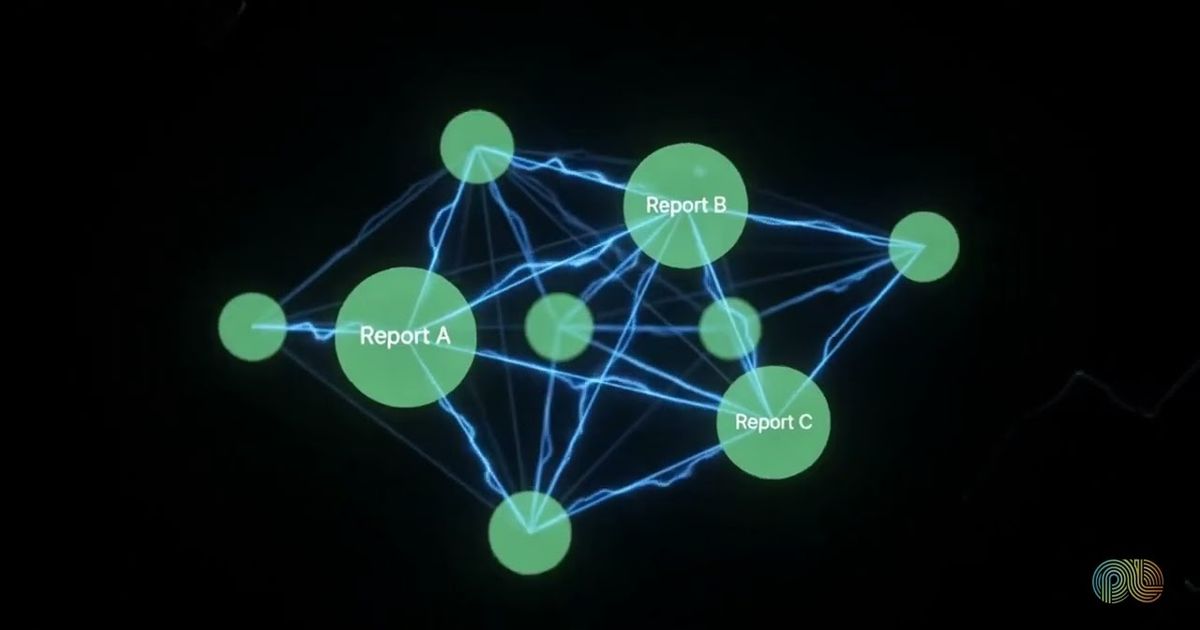
As the index grows, teams can use it to spot findings that recur across projects and catch contradictions that need interpretation or more research. They can explore emerging trends across time, audiences or products, find earlier studies on similar business questions, and reuse established knowledge when framing new research.
For anyone turning findings into market insights, that's the difference between starting fresh and starting from what the company already knows.
AI benefits too, because it gets structured retrieval targets. It doesn't have to analyze every complete document for every question. It can retrieve the relevant insight objects, gather their supporting evidence and keep the links to the original research, so retrieval is efficient and conclusions stay attached to their provenance.
How do you build an insight index?
You're not summarizing every report indiscriminately. You're picking out the findings that can answer future questions, in four moves.
- Define the insight unit: what counts as a distinct finding. One interpretable idea per entry, never several unrelated conclusions bundled together.
- Create a consistent structure with fields for evidence, origin, themes, questions, products, segments, confidence and significance. A shared ontology or taxonomy stops equivalent concepts from picking up different labels.
- Preserve evidence links from every insight to its source study and supporting research objects, so people can inspect the evidence instead of accepting a statement stripped of context.
- Maintain the index continuously: add insights as studies finish, update connections, and keep conflicting findings visible rather than quietly replacing them.
Consistency across projects is what makes the index more useful over time. For help designing categories that support reuse without needless complexity, see our guide to organizing research into reusable knowledge.

What information should an insight index contain?
The finding, plus enough context to use it responsibly. A one-line summary helps search, but it won't tell anyone why the insight matters or how strongly the evidence backs it.
So each entry carries the finding itself (a concise statement of what the research revealed) and the supporting evidence behind it: observations, responses, analysis or data. It records source and provenance (the study, the method, the original research objects), and why it matters and which business question it informs. It lists connections to related themes, products, markets, customer segments or other useful categories. And it holds researcher confidence, a documented judgment of how confidently to apply it.
Those fields keep context intact and make comparison possible. They also separate findings that sound alike but came from different audiences, methods or market conditions. If you skip one, we'd say don't let it be confidence. An insight with no confidence attached tends to get quoted as fact.

How PulseLake helps
PulseLake provides persistent study context, a research knowledge graph, cross-study search and natural-language questions with evidence provenance. Together these help teams connect findings to original evidence, preserve institutional knowledge and retrieve it across studies, while researchers keep judgment and approvals. To talk about how this could support an insight index, talk to our team.
Frequently asked questions
Can an insight index be created from existing research reports?
Yes. Go through the existing reports, pull out the distinct findings and add the context each one needs to be reusable. Keep links to the original reports and evidence as you go, and start with high-value or frequently referenced research so the job stays manageable.
How should an insight index handle conflicting findings?
Keep both visible. Don't merge them into a false consensus, and don't delete the older insight. Their source, audience, method, timing, evidence and confidence can show why the results differ, and the contradiction itself may point to changing behavior, segment differences, methodological effects or a question that needs more research.
Does an insight index replace original research reports?
No. The index improves discovery, comparison and reuse; the original reports still hold the methodological detail, the analysis and the broader narrative. Every indexed finding should link back to its source, so people can check the evidence and decide whether the insight fits the decision in front of them.