 PulseLake
Research Repository: How to Build One People Use
A research repository becomes useful when it organizes complete study context around how teams search, helping people find and apply evidence to decisions.
A research repository is an active knowledge system that makes prior evidence easy to find, understand, and apply when a decision arises. Unlike a document archive, it organizes studies around real search needs and preserves enough context to judge each finding’s relevance, quality, and limitations.
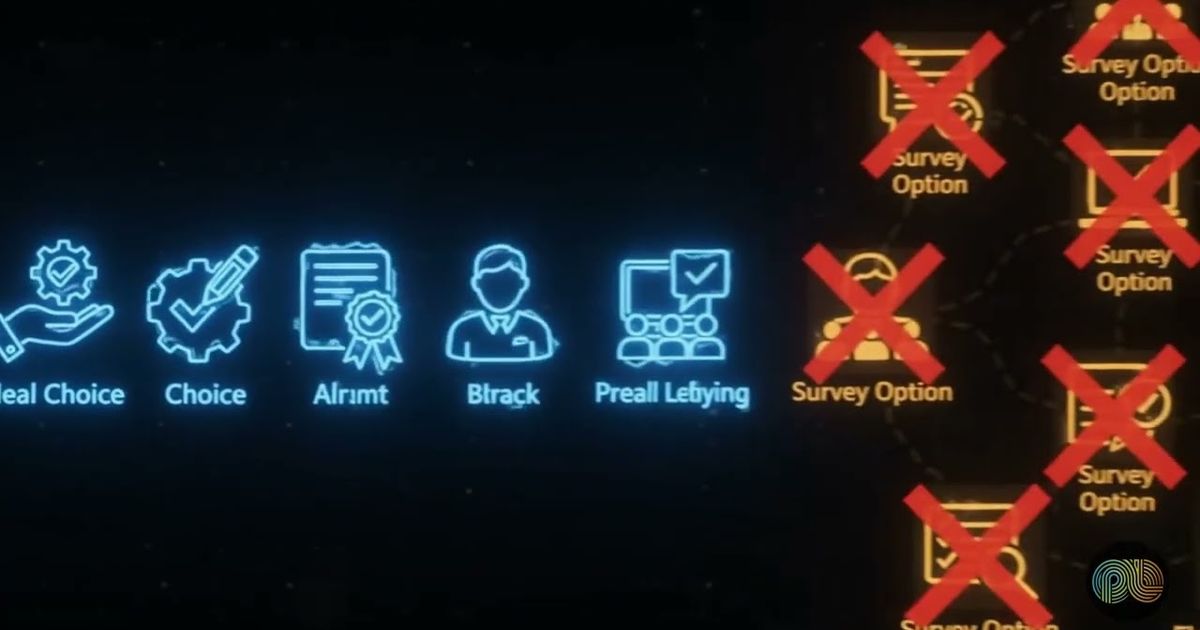
That matters because research creates long-term value only when people can reuse what the organization has already learned. A well-designed repository reduces repeated work, speeds discovery, supports collaboration, and connects existing evidence to current questions. The two-minute video above walks through the core ideas.
What makes a research repository useful?
A useful research repository helps people answer questions; it does not merely store files. Its value comes from making evidence discoverable, understandable, and applicable at the moment a team needs it.
A folder containing final reports may preserve research history, but it leaves users to interpret filenames, remember project names, and open multiple documents before finding an answer. That is an archive. A research system instead connects findings to the users, problems, themes, products, and decisions they address.
Useful repositories support three practical activities:
- Finding: People can locate relevant evidence without knowing which study produced it.
- Evaluating: They can see how the research was conducted and understand its limitations.
- Applying: They can connect a finding to the decision or problem in front of them.
This distinction should shape repository design from the start. Teams can begin by defining research problems and objectives clearly, then carry that structure into every stored research record.
How should you organize research for discovery?
Organize research around the ways people naturally search for knowledge, not only around project names. Common entry points include a business problem, user group, decision, product area, or recurring theme.
Project titles are still useful, but they rarely provide enough context on their own. Someone searching six months later may not know the original study name or the team that commissioned it. Consistent labels, descriptions, and relationships give users several routes to the same evidence.
A practical organization model can include:
- Problems or questions the research addressed.
- Users, audiences, or participant groups involved.
- Decisions the evidence was intended to inform.
- Themes, topics, products, or journeys covered.
- Related studies and findings that add context.
Connecting research assets is as important as classifying them. Links among related studies, repeated findings, and emerging themes help teams build an accumulated view of knowledge rather than treating every project as an isolated event. This also supports efforts to identify hidden patterns across research projects.

What context should every research record preserve?
Every research record should preserve enough context for another person to interpret and use its findings responsibly. Final conclusions alone cannot show whether evidence applies to a new question, audience, or decision.
At minimum, a record should capture:
- The research objectives and questions.
- The method used to collect and analyze evidence.
- Relevant participant, audience, or sample details.
- The principal findings and conclusions.
- Known limitations, assumptions, and boundaries.
- The decision or action the research was meant to support.
This context prevents a concise finding from becoming detached from the conditions that produced it. For example, feedback from experienced customers may not represent first-time users. Preserving participant details and limitations allows a future reader to recognize that distinction.
Repositories can also retain working materials when they aid interpretation, such as instruments, discussion guides, coded evidence, or approved summaries. The goal is not to save everything indiscriminately. It is to preserve the evidence and context required to understand what was learned and why it matters.
How do you encourage adoption and maintain quality?
Adoption depends on making the repository simple, useful, and connected to active decisions. Teams return when information is easy to access, clearly described, regularly maintained, and relevant to their work.
Shared habits are essential. Researchers need consistent practices for adding findings, applying labels, documenting limitations, linking related work, and explaining the significance of each contribution. Ownership should also be clear so outdated records can be reviewed and gaps can be corrected.
Quality control does not require turning every entry into a lengthy report. A short, structured record with clear provenance is often more reusable than a polished presentation without searchable context. Templates and review steps can create consistency while leaving room for different methods and study types.
The repository should be treated as a living resource rather than a destination for completed projects. Regular updates, cross-linking, and use during planning or decision reviews make accumulated knowledge part of everyday work. That is how the repository supports faster discovery, stronger collaboration, and learning across teams.

Key takeaways
- A research repository should help people find and apply evidence, not merely preserve documents.
- Research should be organized around problems, users, decisions, and themes as well as project names.
- Each record should include objectives, methods, participant details, findings, and limitations.
- Connected studies reveal accumulated knowledge that isolated reports cannot provide.
- Simple access, consistent contribution habits, and regular maintenance drive lasting adoption.
How PulseLake helps
PulseLake keeps objectives, methodology, evidence, and decisions within a persistent study context rather than separating them across disconnected files. Its research knowledge graph, cross-study search, deep research, and evidence provenance help teams find related knowledge and understand where an answer came from. To explore how these capabilities can support an active research repository, talk to our team.
Frequently asked questions
Should a research repository include raw data or only final reports?
A research repository should include the materials needed to interpret and reuse findings, which may extend beyond final reports. Depending on governance requirements, that can include research instruments, structured evidence, approved transcripts, analysis outputs, and decision records. Sensitive data should only be retained and accessed according to the organization’s privacy, consent, and security policies.
How can teams make old research easier to find?
Teams can improve discovery by adding consistent metadata for research questions, audiences, themes, products, methods, and supported decisions. They should also link related studies and write concise summaries in language that future users are likely to search. Project names can remain, but they should not be the only route to the evidence.
What is the difference between a research repository and a shared drive?
A shared drive primarily stores files within folders, while a research repository structures knowledge so people can search, evaluate, connect, and reuse it. A repository preserves methodological context, limitations, findings, and relationships among studies. This makes it easier to answer current questions without already knowing which document or project contains the relevant evidence.