Repository Maintenance for Research Knowledge
Repository maintenance keeps research knowledge organized, current, connected, and trustworthy through metadata, governance, archiving, and review.

Repository maintenance is the ongoing process of reviewing, organizing, improving, and governing research assets in a knowledge system. It keeps metadata consistent, resolves duplicates, maintains taxonomies, archives outdated material, verifies access, and connects related evidence so people can reliably discover, assess, and reuse what the organization knows.
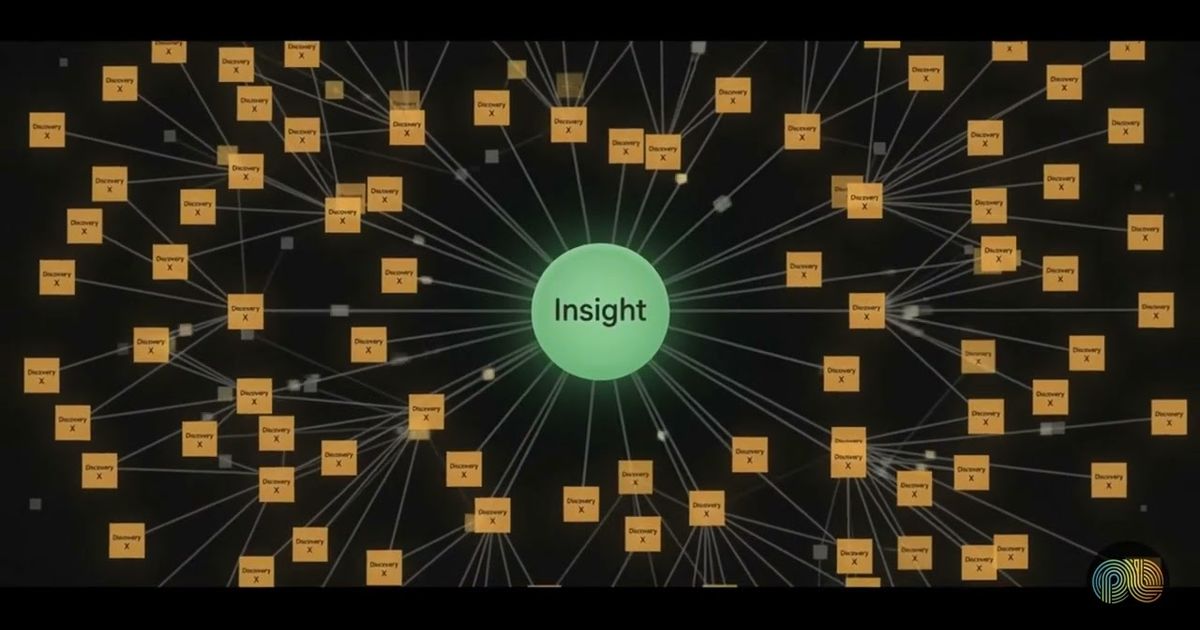
Without regular upkeep, a repository gradually becomes harder to navigate and trust. Maintenance protects the value of accumulated research while reducing the effort needed to find current, relevant evidence for new studies and decisions. The two-minute video above walks through the core ideas.
What does repository maintenance include?
Repository maintenance includes the recurring work required to keep research assets accurate, organized, accessible, and connected. It addresses both individual records and the structure governing the repository as a whole.
Common maintenance activities include:
- Updating titles, descriptions, dates, owners, and other metadata.
- Resolving duplicate studies, reports, findings, and supporting files.
- Maintaining taxonomies, labels, categories, and naming conventions.
- Archiving assets that are outdated or no longer actively used.
- Checking access permissions and correcting inappropriate restrictions.
- Repairing connections between related studies, findings, methods, and decisions.
Maintenance is not simply the addition of more documents. It preserves the context that makes those documents understandable, searchable, and reusable. A well-maintained system also benefits from a clear structure, as explained in research taxonomies.
Why does a research repository need ongoing maintenance?
Ongoing maintenance prevents a research repository from becoming unreliable as its collection grows. Without it, users may struggle to identify current findings, determine whether evidence still applies, or discover that a similar study already exists.
These problems increase search effort and can cause teams to repeat work unnecessarily. Inconsistent metadata can hide relevant assets, while duplicate records can make the evidence base appear larger or more contradictory than it is.
Maintenance also protects valuable historical research. An older study may no longer describe current customers or market conditions, but it can still document how a problem evolved. Rather than deleting it automatically, teams can archive it and add clear context about its date, scope, limitations, and present relevance. This approach supports the broader goal of building a research repository people actually use.
How should teams maintain a research repository?
Teams should treat repository maintenance as a defined operational capability rather than an occasional cleanup project. Clear ownership, recurring review schedules, quality standards, and governance rules make the work consistent and accountable.
A practical maintenance cycle has four stages:
- Review the repository. Identify incomplete metadata, duplicates, outdated assets, broken links, and permission problems.
- Correct priority issues. Update records, merge or connect duplicates, repair relationships, and clarify the status of older evidence.
- Apply governance rules. Use agreed standards to decide what remains active, what requires revision, and what should be archived.
- Repeat on a schedule. Review high-use or fast-changing collections more frequently and monitor recurring quality problems.
Ownership should be explicit even when maintenance is shared. A repository steward or research operations function can coordinate standards, while study owners confirm whether specific evidence remains valid. Governance should preserve value: new evidence may change the interpretation of an asset, while an older asset may remain useful if its historical context is clear.

How can AI support repository maintenance?
AI can help teams find repository quality problems at scale, but it should recommend actions rather than make every decision independently. Organizational context determines whether two assets are true duplicates, whether a relationship is meaningful, and whether older evidence remains relevant.
AI can assist by:
- Identifying potentially duplicate content.
- Suggesting missing or improved metadata.
- Detecting broken or missing relationships between research objects.
- Highlighting assets that may be outdated or require review.
Human reviewers then evaluate those signals against the research purpose, business context, and governance standards. For example, two reports with similar conclusions may represent different audiences, markets, or time periods and should remain separate. Combining automated detection with human approval improves efficiency without removing accountable research judgment.

Key takeaways
- Repository maintenance keeps research knowledge discoverable, trustworthy, connected, and reusable.
- Core activities include metadata updates, deduplication, taxonomy management, archiving, permission checks, and relationship repair.
- Older research should retain clear context when it remains useful as historical evidence.
- AI can identify likely quality problems, but people must judge relevance and approve changes.
- Clear ownership, schedules, standards, and governance turn maintenance into an ongoing capability.
How PulseLake helps
PulseLake keeps research objectives, methodology, evidence, and decisions in a persistent study context supported by a research knowledge graph. Cross-study search, evidence provenance, ontology, governance, and lineage help teams preserve connections and assess where knowledge came from, while workflow automation can support recurring reviews, approvals, and QA. To discuss how these capabilities can support a maintained research system, talk to our team.
Frequently asked questions
How often should a research repository be reviewed?
The appropriate review frequency depends on how quickly the repository grows, how often its evidence changes, and how heavily teams use it. High-use collections and fast-changing subject areas generally need more frequent attention. A recurring schedule is more reliable than waiting until search problems, duplicate assets, or outdated findings become disruptive.
Should outdated research studies be deleted from a repository?
Outdated studies should not be deleted automatically because they may retain historical, methodological, or strategic value. Teams can archive them, label their status, and document the period and circumstances they represent. Deletion is more appropriate when an asset has no continuing value, violates retention rules, or duplicates an authoritative record.
Who should own research repository maintenance?
Ownership should be assigned explicitly to a repository steward, research operations role, or another accountable function. Study owners and subject-matter experts can help assess individual assets, while the central owner coordinates schedules, standards, permissions, and governance. Shared participation works best when one role remains responsible for ensuring that maintenance actually happens.
Can AI fully automate research repository maintenance?
AI can automate detection and recommendation tasks, such as finding likely duplicates, suggesting metadata, and flagging broken relationships or potentially outdated information. It cannot fully determine relevance because that judgment depends on organizational context and research purpose. Human review remains necessary before records are merged, archived, reclassified, or otherwise changed.