 PulseLake
Reusable Research Knowledge: Organizing Insights
Reusable research knowledge turns isolated findings into connected, contextual evidence that teams can discover, update, and apply across decisions.

Reusable research knowledge is evidence organized so teams can discover, understand, connect, and apply it beyond the study that produced it. Researchers create it by separating situational findings from broader patterns, structuring insights around meaningful concepts, linking evidence across studies, preserving context, and updating understanding as new research arrives.
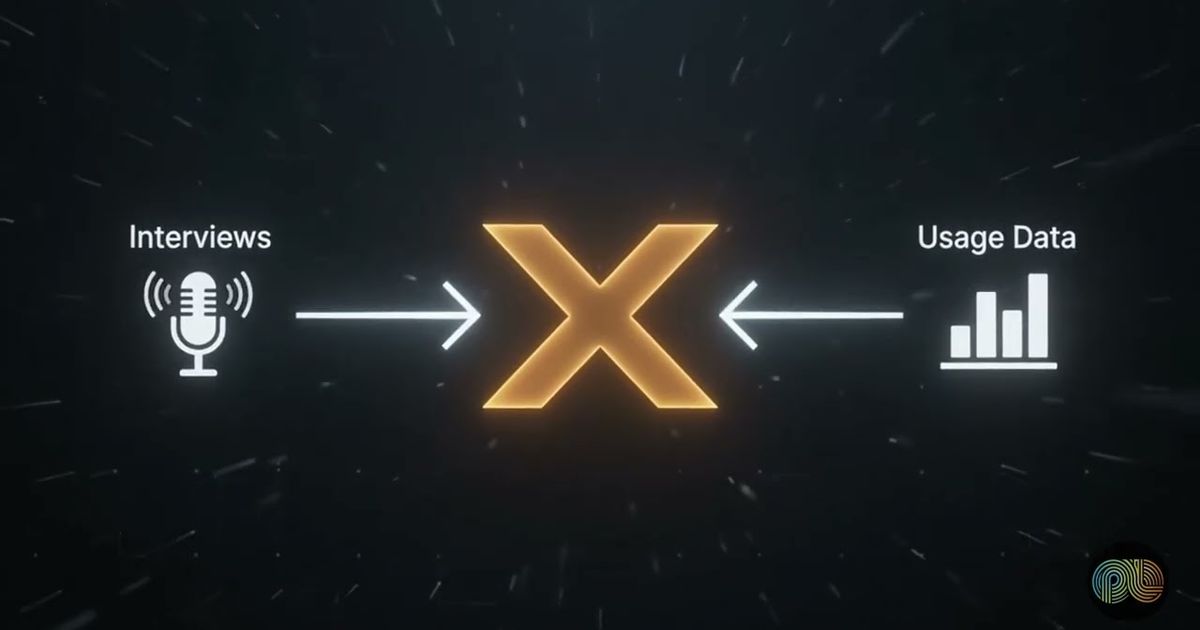
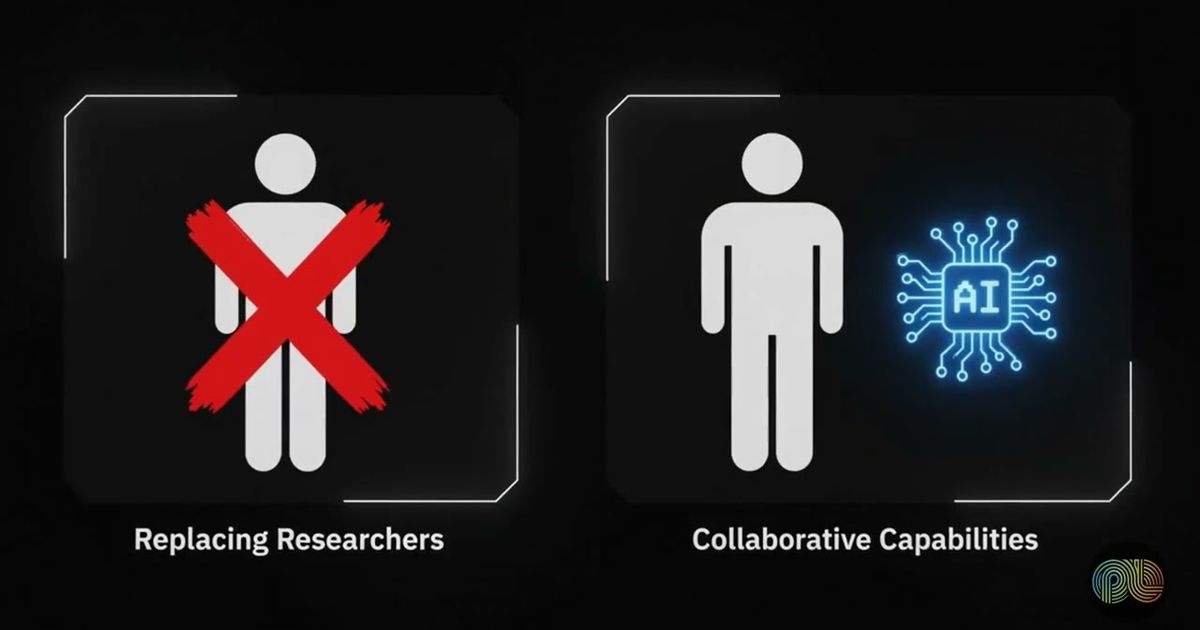
This matters because isolated reports lose value quickly, while connected knowledge helps teams make informed decisions without repeating unnecessary work. The two-minute video above walks through the core ideas.
What is reusable research knowledge?
Reusable research knowledge is research evidence packaged for application beyond its original project. It includes enough structure and context for someone to find the insight, understand what supports it, and judge whether it applies to a new question.
Not every finding has the same potential for reuse. Some observations describe a specific product, audience, moment, or research setting. Others reveal broader patterns involving behaviors, needs, motivations, or recurring challenges.
Researchers should preserve both types while distinguishing between them. A narrow finding may become more valuable when later studies reproduce or challenge it. A broader pattern may guide strategy, but teams still need access to the underlying evidence and boundaries.
This approach shifts the focus from collecting reports to creating organizational intelligence. A useful research repository that people actually use supports retrieval, but reusable knowledge also requires connections, interpretation, and ongoing maintenance.
How do you organize findings for reuse?
Organize findings around meaningful concepts rather than only project details. Themes, frameworks, connected concepts, tags, and categories help future users find evidence even when they do not know which study produced it.
A practical process includes four steps:
- Identify reusable value. Separate findings tied closely to one situation from patterns that may inform other decisions.
- Create meaningful structures. Group insights into themes or frameworks that explain needs, behaviors, challenges, and relationships.
- Tag by concept. Use consistent language for audiences, topics, experiences, products, and decisions instead of relying only on project names.
- Connect related findings. Link supporting, conflicting, or expanding evidence so users can trace how understanding developed.
Taxonomies should reflect how teams ask questions. A project-centered filing system may help locate a deliverable, but a concept-centered system helps someone investigate a recurring customer need across products, markets, or periods.

How should findings be connected across studies?
Findings should be connected according to the behaviors, needs, challenges, and decisions they illuminate. Cross-study connections turn separate observations into a larger and more useful picture of human behavior.
A single observation may be too limited to support a strategic conclusion. When similar patterns appear across multiple studies, teams can examine where the evidence aligns, where it differs, and which conditions may explain the variation. Contradictory findings also matter because they can expose audience differences, changing circumstances, or assumptions that need testing.
Connections must remain traceable to their sources. Teams should be able to move from a synthesized pattern back to the relevant studies and evidence rather than treating the synthesis as an unsupported fact. This principle also supports AI-ready research data, where clear structure and provenance make evidence easier to retrieve and evaluate.
What context should be preserved with an insight?
Preserve enough context for future users to interpret the insight and decide whether it applies. An isolated statement can be misunderstood when its original question, audience, methodology, conditions, or limitations are missing.
At minimum, reusable knowledge should clarify:
- Research purpose: The question, objective, or decision the study addressed.
- Evidence source: Who or what produced the evidence and how it was collected.
- Relevant conditions: The product, audience, market, experience, or situation involved.
- Interpretation boundaries: Important limitations, uncertainties, and cautions about applying the finding elsewhere.
Context does not require attaching an entire report to every insight. It means retaining the details needed to prevent false generalization. A finding about new customers completing onboarding, for example, should not automatically be applied to experienced users or a different workflow without checking whether the conditions match.

How does reusable knowledge stay current?
Reusable knowledge stays current when every new study can confirm, challenge, refine, or expand what the organization already believes. Research operations should treat knowledge as evolving evidence rather than a permanent collection of conclusions.
Before starting a project, researchers can search existing knowledge to identify what is known, what remains uncertain, and what has changed. After the project, they can connect new findings to prior themes and document whether the evidence strengthens or weakens earlier interpretations.
This cycle reduces unnecessary repetition without discouraging validation. Repeating research can be valuable when circumstances have changed or confidence is low; the goal is to avoid repeating work simply because previous learning was difficult to find. Over time, each study contributes value beyond its immediate purpose.
Key takeaways
- Reusable research knowledge extends the value of findings beyond their original studies.
- Themes, frameworks, tags, and connected concepts make evidence easier to discover and apply.
- Cross-study patterns can reveal strategic insights that isolated observations cannot support alone.
- Preserved context helps teams avoid misunderstanding or overgeneralizing prior findings.
- New evidence should update, challenge, or expand the organization’s existing understanding.
How PulseLake helps
PulseLake keeps research objectives, methodology, evidence, and decisions together in a persistent study context. Its research knowledge graph, cross-study search, deep research, and evidence provenance help teams connect findings while retaining their sources and context. Workflow automation and reusable IP support repeatable ways to update and deliver knowledge; to discuss your research system, talk to our team.
Frequently asked questions
Can a finding from one study be reused in another market?
Yes, but only after checking whether the original audience, market conditions, product experience, and research purpose are sufficiently comparable. Reuse does not mean assuming universal validity. Preserve the source evidence and boundaries so researchers can decide whether to apply the finding, adapt it as a hypothesis, or validate it with new research.
How detailed should tags for research findings be?
Tags should be detailed enough to support discovery without creating many overlapping labels that people use inconsistently. Prioritize meaningful concepts such as customer needs, behaviors, challenges, journey stages, and decision areas. A shared taxonomy and regular review help prevent duplicate terms and keep categorization aligned with how teams search.
What is the difference between a repository and reusable knowledge?
A repository stores research materials, while reusable knowledge organizes and connects evidence so it can inform future questions. Storage is necessary, but it does not automatically reveal relationships between findings or preserve interpretation. Reusable knowledge adds conceptual structure, context, provenance, and a process for updating what the organization understands.
How can teams tell when an existing insight is outdated?
Teams should review the date, original conditions, subsequent evidence, and any relevant changes in customers, products, markets, or behavior. An older insight is not automatically wrong, but its applicability may have narrowed. New research should explicitly confirm, challenge, refine, or replace it rather than leaving conflicting conclusions disconnected.