Continuous Insight Generation
Continuous insight generation keeps knowledge current by connecting and validating new evidence, helping teams detect change and make better decisions.
In the full article
Read the video transcript
This transcript was generated from captions and may contain recognition errors.
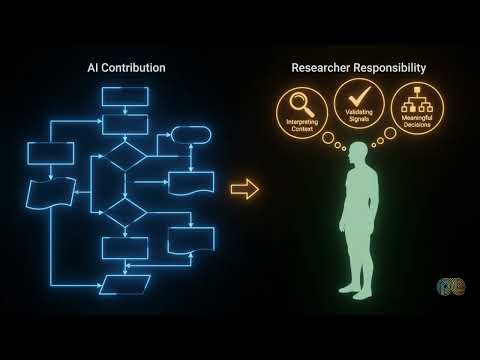
Traditional research often follows a project-based cycle where teams investigate a question, produce findings, and move on to the next initiative. This approach creates valuable knowledge, but can leave organizations dependent on occasional research activities rather than continuously learning from accumulated evidence. Continuous insight generation creates a more active model where knowledge keeps developing over time. Continuous insight generation is the ongoing process of discovering, updating, connecting, and validating insights as new research evidence becomes available. Instead of treating insights as final outputs from individual studies, organizations maintain systems that allow findings to evolve as additional information appears. Imagine a company continuously collecting customer feedback, usability observations, market changes, and research findings. New evidence can be compared with existing knowledge to reveal emerging patterns, confirm previous insights, or challenge assumptions that are no longer accurate. The organization learns continuously rather than waiting for separate research projects to reveal important changes. AI plays an important role by helping monitor large collections of information, identify recurring themes, detect changes, and suggest connections between new and existing knowledge. However, continuous insight generation still requires human researchers to validate interpretations, understand context, and determine which patterns represent meaningful change. This capability depends on strong research infrastructure. Connected knowledge systems, structured research objects, evidence lineage, and consistent metadata allow new information to contribute to an existing understanding rather than becoming another isolated report. Continuous insight generation changes the role of research from a periodic activity into an ongoing intelligence capability. Organizations become better equipped to recognize emerging needs, adapt to changing conditions, and make decisions based on the combined strength of their accumulated evidence. The result is a research ecosystem that becomes more valuable with every new study, observation, and validated insight.