Making Organizational Knowledge Searchable
Making organizational knowledge searchable requires structure, shared terminology, context, and provenance so teams can find reliable evidence when needed.
In the full article
Read the video transcript
This transcript was generated from captions and may contain recognition errors.
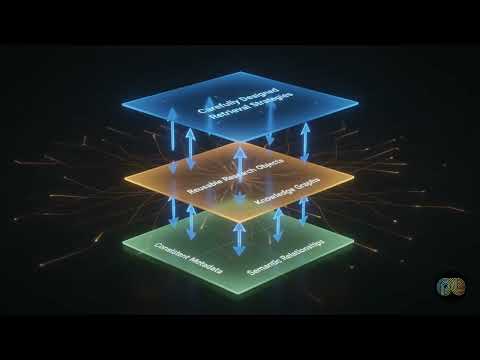
[music] Organizations generate large amounts of research information, but knowledge has limited value when people [music] cannot find it at the moment they need it. Searchability is essential for turning starred information into practical insight. Making research searchable requires more than adding [music] documents to a central location. Information needs structure, context, and clear relationships between different [music] findings. Good knowledge systems help people search by problems, users, [music] themes, decisions, and questions rather than only by project names. Consistent organization improves discovery because teams can understand how information is categorized. Shared terminology also reduces confusion when different groups look for related insights. Artificial intelligence can support knowledge discovery by helping identify connections, summarize information, and improve retrieval. However, search quality depends on the quality and structure of the underlying information. Researchers still need to maintain accuracy and context. A searchable system should help people find relevant evidence while making clear where that evidence came from and how it should be interpreted. The purpose of searchable knowledge is reducing [music] wasted effort. Teams should be able to discover existing insights before starting new research. A strong knowledge system transforms [music] research from isolated information into an accessible organizational resource. When people can quickly find reliable evidence, decisions become faster, [music] collaboration improves, and research creates greater long-term value.