Strategic Research Systems: Connecting Evidence to Decisions
Strategic research systems connect evidence, knowledge, research planning, and decisions to organizational goals for stronger long-term direction.

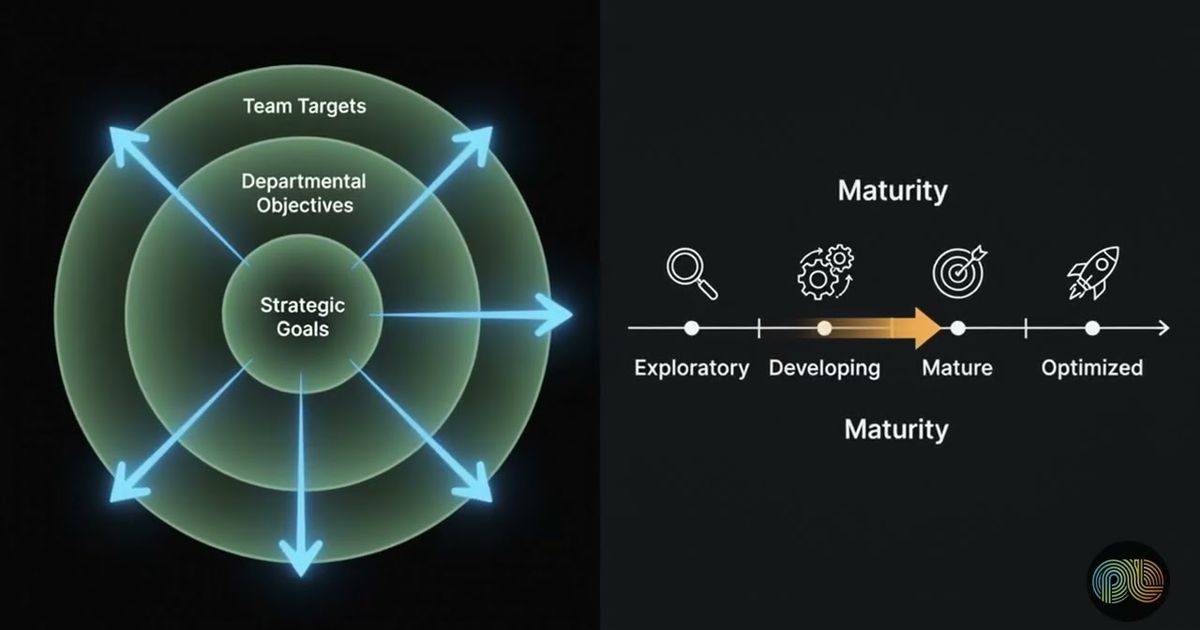
A strategic research system is an integrated approach that connects research planning, evidence practices, knowledge management, and decision processes to organizational priorities. Instead of treating studies as isolated projects, it creates a coordinated capability for producing, organizing, interpreting, and applying evidence to reduce uncertainty and guide long-term direction.
This matters because valuable studies have limited strategic impact when teams cannot connect their findings to broader goals, prior knowledge, or future decisions. The two-minute video above walks through the core ideas.
What is a strategic research system?
A strategic research system is the structure that aligns research activity with the decisions that shape an organization. It connects four core components: research planning, evidence practices, knowledge management, and decision processes.
The system begins with organizational priorities rather than a list of disconnected research requests. Teams identify where better evidence could reduce uncertainty, reveal opportunities, or clarify future direction. They can then plan research around those needs and establish how findings will enter decision-making processes.
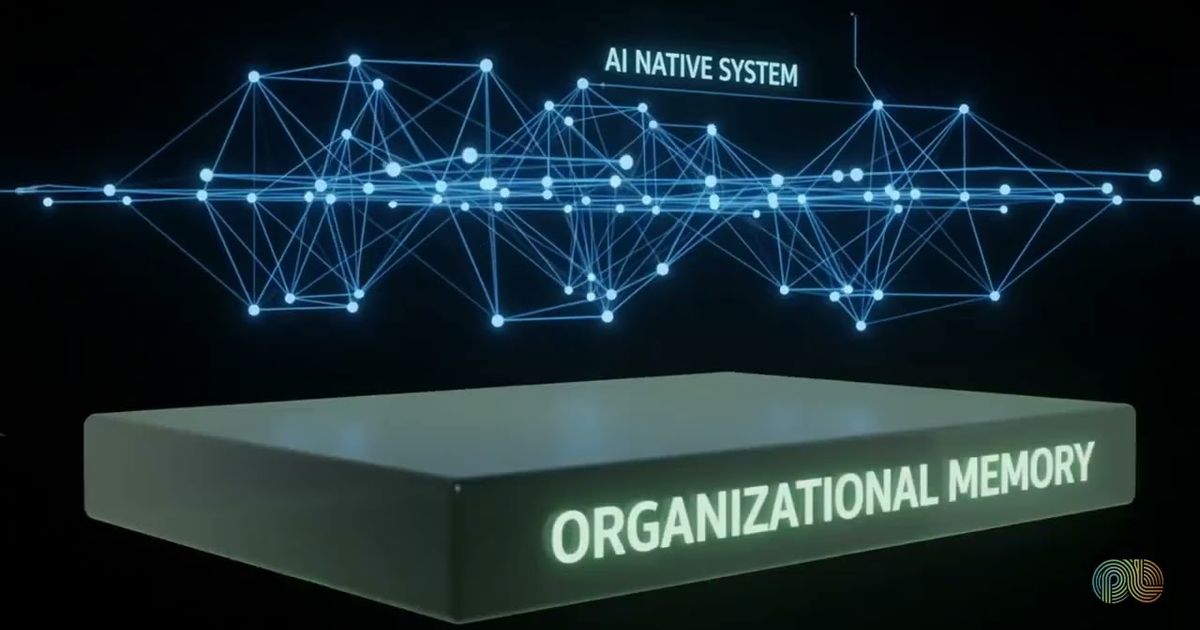
This approach also changes the role of accumulated knowledge. Prior studies are not merely archived after delivery; they become inputs into new questions, interpretations, and choices. Effective systems preserve the context around evidence, including its original objective, method, limitations, and relationship to other findings.
Unlike a collection of tools or dashboards, a strategic system coordinates how knowledge moves through the organization. This reflects the broader shift from one-off reports toward research as infrastructure.

How do strategic research systems connect evidence to decisions?
Strategic research systems start by identifying which important decisions require better evidence. Research priorities can then be defined by the uncertainty surrounding those decisions, rather than by stakeholder interest alone.
For example, a company making long-term product decisions needs more than individual usability studies. Its researchers may need to connect customer needs, market signals, historical findings, behavioral patterns, and unresolved strategic questions. The value comes not only from each source, but also from the relationships among them.
A practical connection between evidence and decisions includes:
- Defining the decision, its owner, and the uncertainty research should address.
- Reviewing existing evidence before commissioning another study.
- Selecting methods that can produce an actionable answer.
- Synthesizing findings across sources instead of presenting each study separately.
- Recording the resulting decision and the evidence that informed it.
This decision-first orientation complements research designed to produce actionable answers. It also helps researchers explain why a project matters and how its output will be used.
How can AI strengthen a strategic research system?
AI can make organizational evidence easier to discover, connect, synthesize, and explore. It is especially useful when relevant knowledge is distributed across many studies, formats, topics, or periods.
AI-supported discovery can surface related findings that keyword searches might miss. It can also help researchers compare evidence, summarize recurring patterns, trace themes across projects, and explore large bodies of organizational knowledge more quickly.
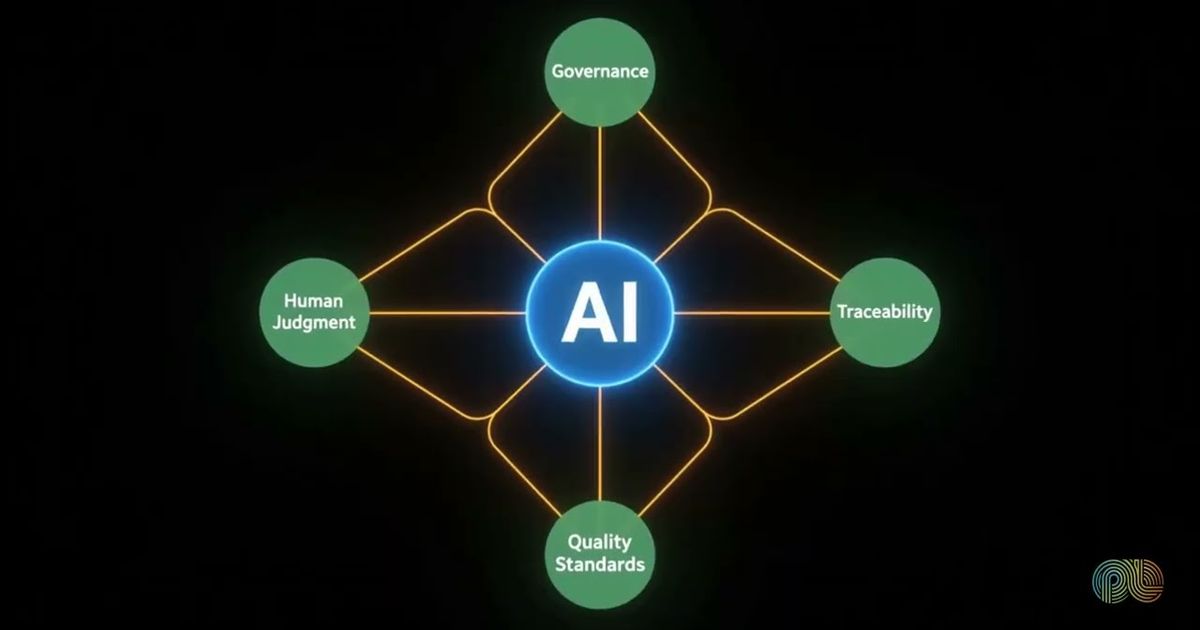
However, AI does not determine strategy. Leaders and researchers must still decide which questions matter, how evidence fits the current context, which tradeoffs are acceptable, and what action should follow. Those judgments depend on organizational priorities, constraints, and leadership choices that cannot be inferred from research material alone.
The strongest division of labor uses AI to support discovery and synthesis while keeping interpretation, approval, and strategic accountability with people. Evidence provenance and review remain important so decision-makers can examine what supports a conclusion rather than relying on an unsupported output.
How do you build continuous learning into the system?
Continuous learning requires every study to build on existing knowledge and contribute reusable evidence for future work. The system should make it easier to identify prior understanding, address genuine gaps, and preserve what a new project adds.
A practical cycle involves four steps:
- Identify priority decisions. Clarify where stronger evidence could reduce uncertainty or reveal an opportunity.
- Connect existing knowledge. Review related findings, market signals, behavioral evidence, and unresolved questions.
- Run targeted research. Design new work to fill meaningful gaps rather than repeat what is already known.
- Preserve the learning. Store findings with enough context, relationships, and provenance to support later use.
Over time, each project strengthens a larger intelligence foundation. Institutional knowledge becomes easier to access, repeated research becomes less likely, and teams can recognize how customer needs or market conditions are changing.
This cumulative model turns research from a supporting activity into an organizational capability. Better-connected evidence can inform current choices while improving long-term adaptability and competitive understanding.

Key takeaways
- Strategic research systems align research activities and accumulated knowledge with organizational priorities.
- They begin with consequential decisions and the uncertainties those decisions require research to resolve.
- Connected evidence is often more useful than isolated findings from individual studies.
- AI can accelerate knowledge discovery and synthesis, but people retain strategic judgment and accountability.
- Continuous learning allows every new study to strengthen the organization’s intelligence foundation.
How PulseLake helps
PulseLake keeps objectives, methodology, evidence, and decisions within a persistent study context while its research knowledge graph and cross-study search connect relevant organizational knowledge. Specialized agents can support research design, analysis, deep research, and reporting, with researchers retaining judgment and approvals. To discuss how these capabilities can support a strategic research system, talk to our team.
Frequently asked questions
How is a strategic research system different from a research repository?
A research repository primarily stores and retrieves studies, findings, or supporting materials. A strategic research system includes that knowledge function but also connects research planning, evidence generation, synthesis, governance, and decision processes. Its purpose is not simply to preserve research, but to make accumulated evidence useful for organizational priorities and future choices.
Can a small insights team create a strategic research system?
A small team can begin by identifying its most important recurring decisions, reviewing existing evidence before starting new work, and consistently recording findings with their context and limitations. The system does not need to start as a large technology program. Clear decision links, reusable knowledge, and repeatable practices provide a practical foundation that can expand over time.
What types of evidence belong in a strategic research system?
The system can include customer research, market signals, behavioral patterns, historical findings, qualitative evidence, quantitative data, and records of prior decisions. Inclusion should depend on relevance and quality rather than format alone. Each item needs enough context and provenance for researchers to understand where it came from, what question it addressed, and how confidently it can be applied.
How can leaders tell whether the research system is creating value?
Leaders can look for evidence that research is connected to priority decisions, prior knowledge is reused, unnecessary duplication declines, and findings remain accessible after individual projects end. They should also examine whether teams can trace conclusions to supporting evidence and identify knowledge gaps more clearly. The central test is whether the system improves organizational learning and informs consequential choices.