Enterprise Learning Systems Explained
Enterprise learning systems connect knowledge creation, sharing, reflection, and improvement so organizations can reuse evidence and make better decisions.

An enterprise learning system is an organizational capability that connects knowledge creation, sharing, reflection, and improvement across teams. It turns research findings, operational experience, customer interactions, experiments, and past decisions into reusable understanding, helping people find relevant evidence, update assumptions, avoid repeated mistakes, and improve future decisions.
Knowledge loses value when it remains in isolated files, presentations, or conversations and disappears after a project ends. The three-minute video above explains the core ideas.
What is an enterprise learning system?
An enterprise learning system is the combination of structures, practices, governance, and technology that helps an organization learn continuously. It connects knowledge creation with the processes required to share, examine, and reuse that knowledge.
Unlike a traditional learning management system, it is not primarily a platform for delivering courses or tracking training. Its purpose is to preserve what the organization learns through research, operations, customer interactions, experiments, and everyday decisions.
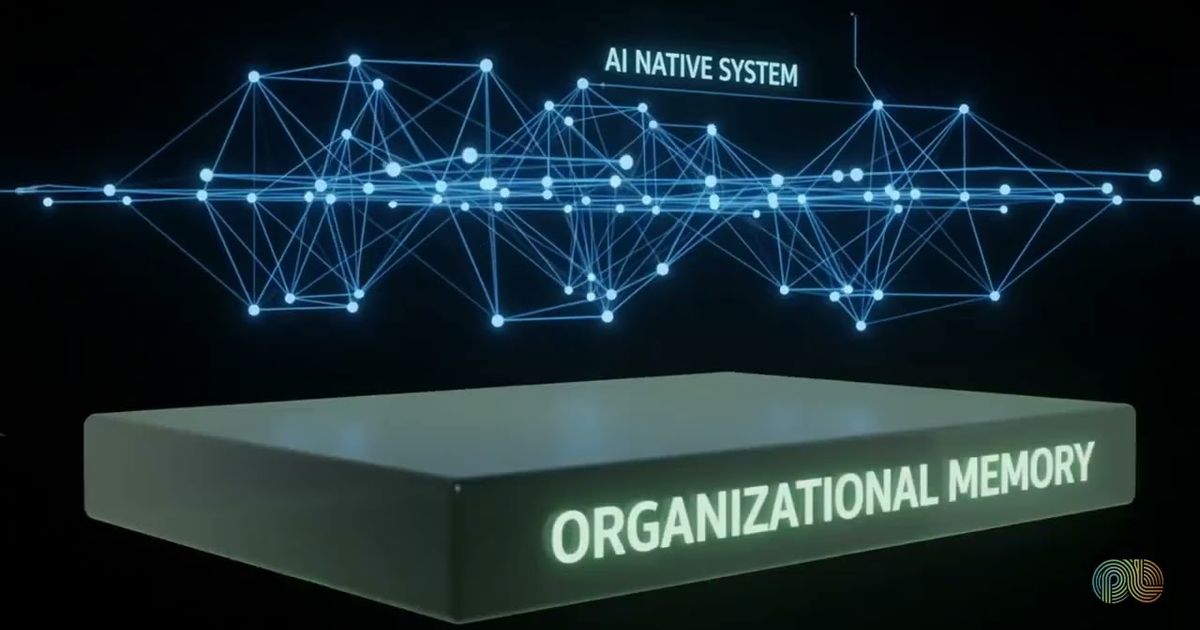
The system creates a connected knowledge environment where lessons, evidence, patterns, assumptions, and decisions remain accessible beyond their original projects. This turns scattered assets into something closer to research as a living knowledge base, where new evidence can extend or challenge existing understanding.
How do enterprise learning systems turn knowledge into action?
Enterprise learning systems create a repeatable path from experience to improved practice. They capture knowledge with enough context to make it understandable, connect it with related evidence, support reflection, and apply the resulting learning to future decisions.
A practical learning cycle includes four activities:
- Capture knowledge. Record evidence, outcomes, decisions, assumptions, and relevant project context rather than saving only a final conclusion.
- Connect related information. Link lessons across teams, studies, customer interactions, operational data, and experiments so recurring patterns become visible.
- Reflect on outcomes. Examine what worked, what failed, which assumptions changed, and what new evidence means for prior understanding.
- Apply the learning. Bring relevant evidence into planning, research design, operational changes, and future decisions.
Reflection is essential because storing information is not the same as learning. An organization learns when it uses outcomes to revise assumptions, change practices, and determine what should be tested next. The cycle then continues as those actions generate new evidence.

What roles do research and AI play in enterprise learning?
Research provides structured evidence about users, behaviors, markets, products, and organizational challenges. AI can make that evidence easier to retrieve and connect, but it does not replace the organizational processes that determine whether knowledge is trusted and reused.
Research strengthens enterprise learning by documenting objectives, methods, findings, and limitations. When findings are connected with operational experience and other knowledge sources, teams can identify recurring patterns, compare evidence, and avoid repeating earlier mistakes. Consistent cross-study synthesis also helps distinguish an isolated finding from an issue observed across projects.
AI can support this work by:
- Improving retrieval across large collections of organizational knowledge.
- Identifying related findings, concepts, decisions, and prior experiences.
- Summarizing relevant material for a new question or project.
- Helping employees discover evidence they might not otherwise find.
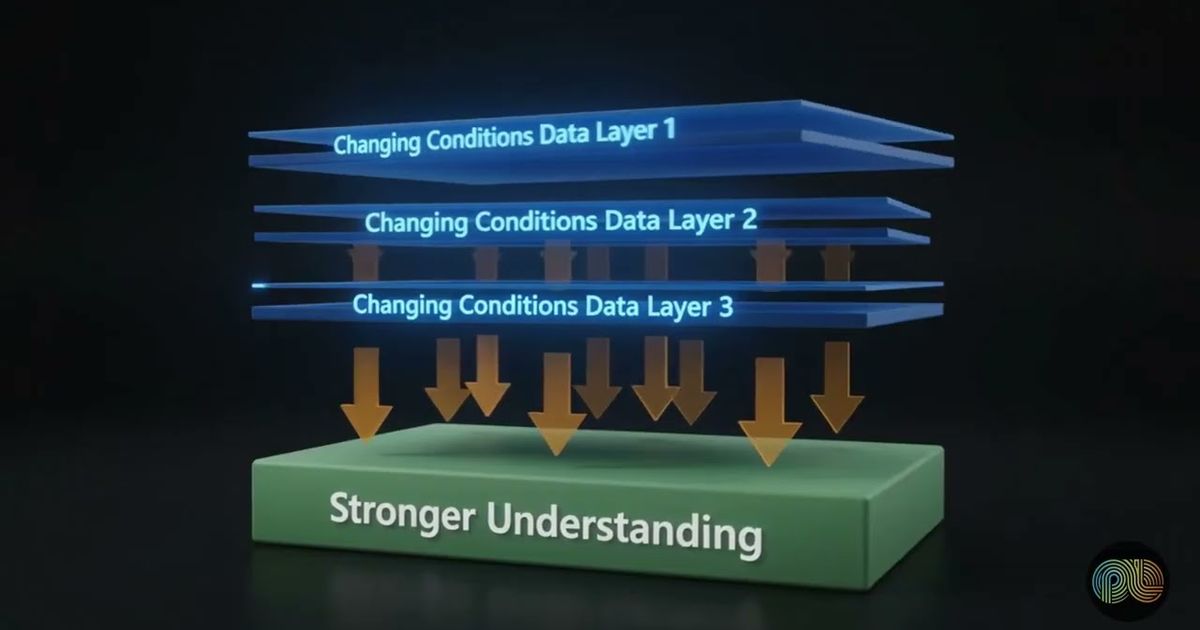
These capabilities still require clear provenance and human judgment. People need to know where an answer came from, whether the underlying evidence remains relevant, and whether conflicting findings or changed conditions affect its use.
What makes an enterprise learning system effective?
An effective enterprise learning system combines usable technology with culture, incentives, governance, and participation. People must contribute knowledge, maintain it, reflect on outcomes, and use prior evidence as part of normal work.
Four organizational conditions support that behavior:
- Culture: Teams treat sharing, reflection, and learning as responsibilities rather than optional administrative work.
- Incentives: Employees receive recognition for useful contributions, thoughtful reuse, and honest examination of outcomes.
- Governance: Clear rules define ownership, access, quality expectations, lineage, and how knowledge should be updated.
- Participation: Researchers, operators, decision-makers, and other employees actively contribute to and use the shared environment.
A repository can contain valuable material and still fail as a learning system if nobody maintains or consults it. Effective systems fit knowledge capture into existing workflows, make relevant evidence discoverable at the point of decision, and create recurring opportunities to examine outcomes. This is how accumulated knowledge becomes a strategic capability rather than a collection of disconnected assets.

Key takeaways
- Enterprise learning systems connect knowledge creation, sharing, reflection, and improvement across an organization.
- Research provides structured evidence that can be combined with operational experience and other knowledge sources.
- AI can improve retrieval, connection, summarization, and discovery, but technology alone does not create learning.
- Culture, incentives, governance, and active participation determine whether organizational knowledge is reused.
- Continuous reflection helps teams update assumptions and apply accumulated understanding to future decisions.
How PulseLake helps
PulseLake keeps research objectives, methodology, evidence, and decisions in a persistent study context, supported by a research knowledge graph and cross-study search. Natural-language questions include evidence provenance, while specialized agents and repeatable workflows can support analysis, deep research, reporting, approvals, and QA. To discuss how these capabilities can support an enterprise learning system, talk to our team.
Frequently asked questions
Is an enterprise learning system the same as a learning management system?
No. A learning management system usually delivers courses, manages training content, and tracks completion. An enterprise learning system is a broader organizational capability for capturing, connecting, reflecting on, and applying knowledge produced through research, operations, experiments, customer interactions, and decisions. Training platforms may contribute to it, but they do not constitute the entire system.
How can an organization start building an enterprise learning system?
Start with one recurring decision or workflow where teams frequently need prior evidence. Define what knowledge should be captured, include its source and context, assign ownership, and create a regular reflection point for reviewing outcomes. Once people can reliably find and reuse that material, extend the approach to related teams, projects, and knowledge sources.
How do enterprise learning systems reduce repeated research?
They make previous objectives, methods, evidence, findings, and decisions discoverable beyond the teams that created them. Before commissioning new work, researchers can identify related studies, assess whether prior evidence still applies, and locate unresolved questions. This does not eliminate the need for new research, but it helps teams avoid unnecessary duplication and design follow-up work from accumulated understanding.
What should AI do within an enterprise learning system?
AI should help retrieve relevant knowledge, identify connections, summarize prior experiences, and direct employees to supporting evidence. Its outputs should preserve source provenance and remain subject to human review, especially when findings conflict or context has changed. Culture, governance, incentives, and participation remain necessary because an automated search or summary does not ensure that knowledge will be trusted or applied.