Research Capacity Planning: Balance Demand and Resources
Research capacity planning aligns researcher time, expertise, tools and support with expected demand so teams can prioritize valuable work sustainably.

Most research teams don't run out of hours first. They run out of the right people at the right moment. Research capacity planning is the process of forecasting and managing the people, expertise, operational support, analytical capability, technology and infrastructure needed to deliver research effectively. It balances expected demand against realistic delivery capability, so teams can prioritize valuable questions without unsustainable workloads or important needs left unanswered.
Demand also changes shape. One month is intensive investigation; the next is maintenance, synthesis or strategic planning. Know your capacity and you can see constraints coming, sort out priorities and line evidence generation up with long-term decisions.
What is research capacity planning?
Matching expected work against the resources you realistically have to deliver it. Producing more studies isn't the point; pointing limited capacity at the questions where research creates the most value is.
Headcount alone won't tell you. Capacity has five parts:
- Researcher time across active, recurring and planned work.
- Specialist expertise for particular methods or subject areas.
- Operational support for recruitment, scheduling and coordination.
- Analytical capability for qualitative and quantitative evidence.
- Technology and infrastructure behind delivery.
Here's the tricky bit: a team can have open hours and still lack capacity, because a project needs expertise, participant access or analytical support it doesn't have. So plan time, capability and infrastructure together. The broader view also helps teams scale research without sacrificing quality.
How do you assess current research capacity?
Where is time and support already spoken for? Answer that honestly before anything else, by checking ongoing projects, incoming requests, recurring operational tasks and how much effort different research activities really take.
In practice that's four moves. List the current work: active studies, queued requests, recurring tasks, strategic commitments. Estimate total effort across design, recruitment, fieldwork, analysis, reporting, coordination and review. Map the capabilities each activity needs, from expertise and support to technology and infrastructure. Then hunt for constraints: overloaded specialists, competing deadlines, dependencies, repeated manual work.
Count the invisible work as well (maintaining repositories, synthesizing evidence, supporting stakeholders, improving methods). Leave it out and capacity looks bigger than it is. Your estimates don't need false precision; they need enough visibility to tell a temporary scheduling squeeze from a structural capability gap.

How can teams forecast future research demand?
The request queue only shows what people have already thought to ask for. Look at upcoming organizational decisions and changes too: product initiatives, strategic shifts, company goals and emerging questions can all change how much research you'll need and what kind.
Spot the decision points ahead, when evidence will be needed and which methods or specialist skills may be involved. Expect different periods to call for different work, with intensive primary research at one point and maintenance, synthesis or strategic planning at another.
And when expected demand outruns capacity? You have options:
- Reprioritize by decision value, urgency and existing evidence.
- Adjust scope or sequence without losing the research objective.
- Build missing skills or bring in specialist support.
- Improve workflows and reuse established methods where they fit.
- Push back on requests that duplicate evidence you already have.
Clear objectives make these tradeoffs much easier to argue. The principles behind designing research that produces actionable answers help teams spend capacity on decisions instead of loosely defined requests.
What research capacity planning mistakes should you avoid?
Four big ones: treating capacity as headcount, ignoring non-project work, planning only from current demand, and judging success by study volume. Each leaves you with an incomplete view of what a team can sustainably deliver.
Our rule of thumb: never allocate every available hour. A plan that looks perfectly efficient on paper will break the first time an emerging question, a recruitment problem, a shifting priority or some unexpected analysis lands. Leave slack to absorb uncertainty without weakening research quality.
Smaller slips add up too. Teams estimate fieldwork and forget design and analysis. They ignore specialist bottlenecks, or assume technology can remove every constraint. And a once-a-year exercise goes stale fast, so revisit research capacity planning as workloads, priorities and organizational goals change.

What role should AI play in capacity planning?
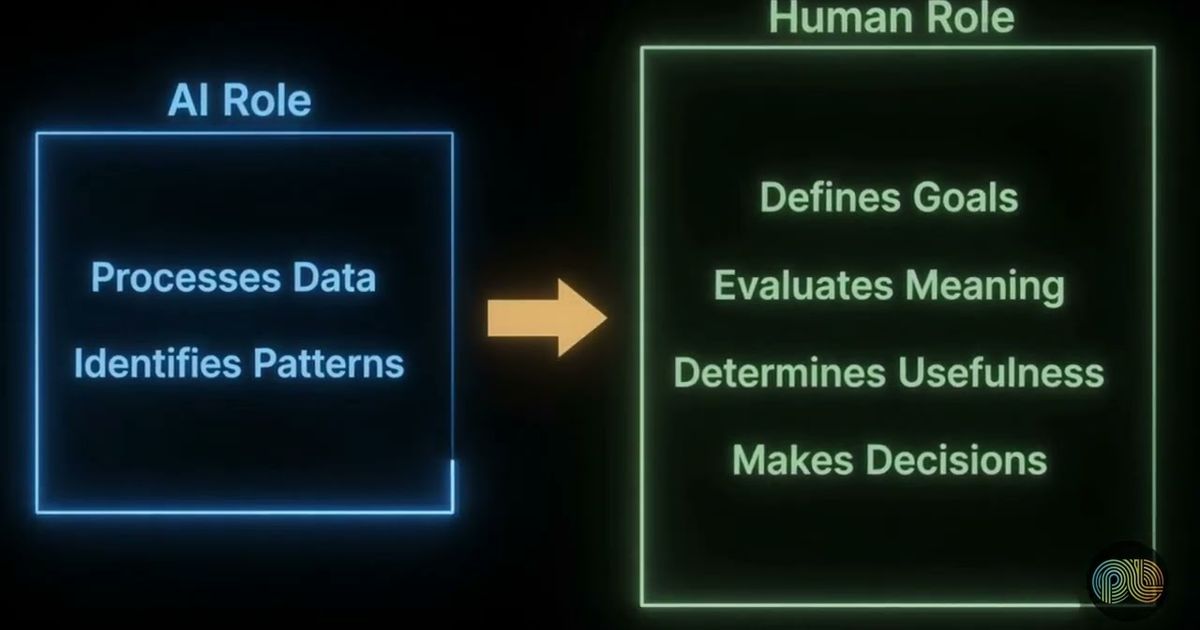
Supporting, not deciding. AI can analyze past research activity, spot repeated patterns, suggest workflow improvements and help estimate effort across tasks; the final call on priorities or resourcing shouldn't rest with it alone.
History is revealing. It shows recurring demand, common project sequences and the operational work teams tend to forget, and AI can group similar requests and find the repeated manual steps behind delays.
Still, treat what it produces as estimates. Research complexity depends on context, ambiguity, stakeholder alignment and the expertise required, so two projects with similar labels can involve very different amounts of design, coordination and analysis. A person has to interpret the forecast, weigh methodological risk and decide which questions matter most.
How PulseLake helps
PulseLake keeps research objectives, methodology, evidence and decisions in a persistent study context, so teams get a connected view of their work. Its research intelligence, specialized agents and workflow automation can support cross-study search, recurring processes, approvals, QA and reporting while researchers keep their judgment. To talk about how this operating model could support capacity planning, talk to our team.
Frequently asked questions
How often should a research team review its capacity plan?
Regularly, and whenever demand, priorities or available resources change materially. Each review should refresh project commitments, recurring work, emerging requests, constraints and planning assumptions. How often depends on how fast the organization's decisions and research needs move.
How is research capacity different from researcher utilization?
Utilization measures how much available time is assigned or used. Research capacity asks whether the team has the whole mix delivery requires: time, expertise, operational support, technology and infrastructure. A highly utilized team can still lack the specialist skill a particular study needs.
How should teams prioritize requests when demand exceeds capacity?
Compare them on the decision supported, urgency, the value of reducing uncertainty and whether evidence already exists. Then rescope, sequence, defer or decline work, and be open about it. The aim is protecting rigor for valuable questions, not spreading resources thin across every request.
Can AI accurately estimate how long a research project will take?
It can give useful estimates from past activity, recurring task patterns and known workflow stages. Accuracy drops when projects involve ambiguous objectives, difficult recruitment, unfamiliar methods or complex stakeholder alignment. Researchers should review the estimates and adjust for context, methodological risk and required expertise.