Research Gap Detection: Finding What You Need to Know
Research gap detection finds unanswered questions, weak evidence and missing perspectives so teams can prioritize research that reduces decision uncertainty.

Research gap detection is the systematic process of finding unanswered questions, missing perspectives, inconsistent findings, weak evidence and unexplored relationships in existing research. It asks one thing: does your organization know enough to make a specific decision with confidence? Whether some documents on the subject exist is a different question, and a much easier one.
You can own a shelf full of studies and still be guessing. More research on file doesn't shrink uncertainty by itself. Teams that never hunt for gaps tend to keep studying what they already know best, while new audiences and open questions go unexamined.
How should teams prioritize research gaps?
Not every unanswered question deserves a new study. Rank gaps by how much they matter to a decision, how weak today's evidence is, and what lower uncertainty would be worth.
A practical research gap analysis asks four things. Which decision does the gap affect? What evidence exists already, and how dependable is it? Could closing the gap change an action, an investment or a direction? And which method would reduce the uncertainty most effectively?
The method follows the gap. Some gaps need qualitative research to bring overlooked perspectives into view; others call for surveys, behavioral analysis, experiments or mixed methods. Contradictory findings may need synthesis or validation instead of fresh exploration, and findings nobody can reach may only need better organization. That holds whether the gap sits in product research or market research.
We'd make research gap detection a habit, not a one-off repository audit. Markets, products and priorities move, so evidence that once looked adequate goes stale. Keep checking what you know against what you now need. Research planning stops being reactive, and money goes where extra understanding is worth the most.

What is research gap detection?
Here's a hypothetical repository: dozens of studies on current customers, next to nothing on prospective users. It looks rich. It says very little about future growth.
That's why identifying gaps in knowledge starts from decisions and questions, and counting documents tells you almost nothing. Research gap detection is a check on where your organization's knowledge is incomplete, or not good enough, for a decision. You put what people need to know next to the findings and evidence you already hold, and you ask whether it clears the bar.
A gap can take several forms: an important question nobody has investigated, an audience or perspective missing from the evidence, findings that conflict or rest on weak evidence, a relationship between key factors that's still unexplored. Or research on the general topic that never touches the actual decision.
How does research gap detection work?
Break a decision into the questions underneath it. Tie each question to the evidence you have. Then judge how much uncertainty is left, which shows where support is absent, thin, contradictory or out of date.
Start by defining the decision: the choice to be made and the uncertainty that stops you acting with confidence. Split it into questions about audiences, needs, behaviors, alternatives or outcomes. Link each question to relevant findings, methods, samples and source material. Whatever remains unknown (missing perspectives, weak coverage, contradictions, unexplored relationships) gets flagged.
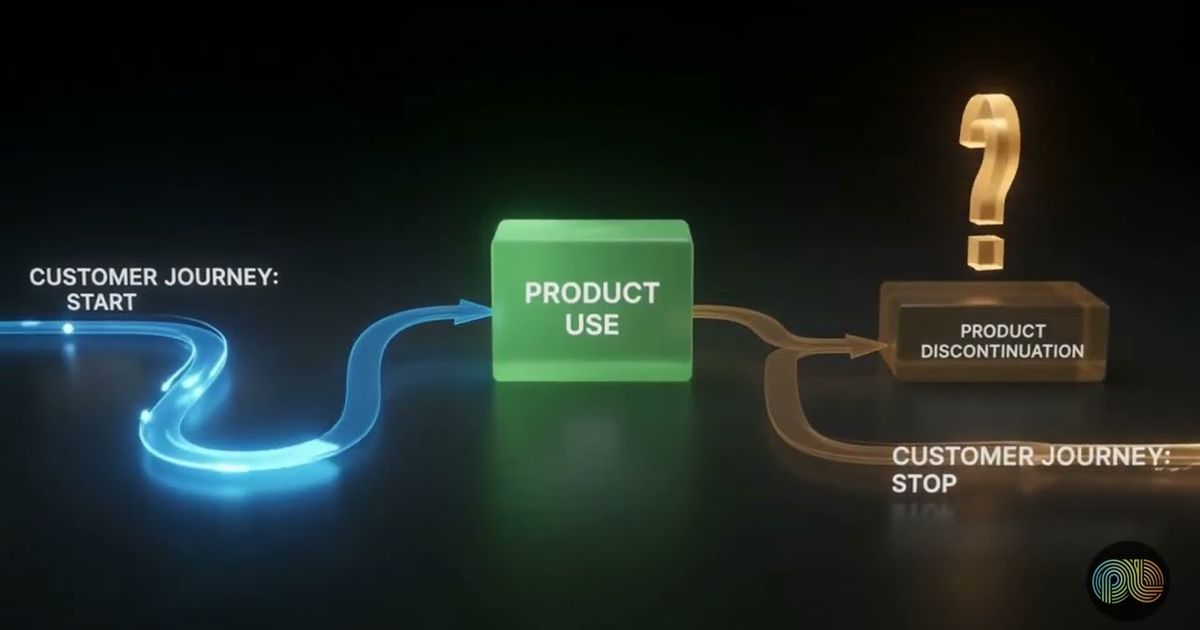
Picture a product team that knows its loyal customers inside out and knows little about people who chose an alternative. Interviewing more existing customers adds information but leaves the strategic gap untouched. Research with noncustomers would close it.
Framing makes or breaks all this, because vague questions give you vague gap assessments. The ideas behind defining research problems and objectives help pin down what has to be known before the decision is made.
What makes research gap detection reliable?
Two ingredients: an organized research foundation, and human judgment. Lose the first and knowledge that's merely hard to find looks like knowledge you lack, while genuinely weak evidence passes for enough.
Six foundations make existing knowledge easier to evaluate:
- Structured findings, with conclusions kept apart from notes and source material.
- Connected evidence showing what supports, qualifies or contradicts each finding.
- Clear objectives naming the questions each study was built to answer.
- Semantic relationships between related themes, audiences, products and decisions.
- Consistent metadata for comparing across studies and time periods.
- Accessible context: methods, assumptions and intended uses next to the results.
Get those right and you can tell missing knowledge from knowledge that's just hard to retrieve. You can also spot evidence that's too weak, outdated or narrow for the decision. Organizing research into reusable knowledge makes it easier to hold those distinctions across projects.
AI helps by analyzing knowledge structures, comparing research questions with the findings available and pointing out underrepresented themes or areas with thin evidence. It can surface conflicts across projects and support continuous review as new findings arrive.
How much each gap matters is a call it can't make. Strategic priorities, organizational goals, timing, risk and the cost of being wrong all decide which unknowns count. Researchers and stakeholders need to check whether a flagged gap is really missing knowledge, poor organization or inconsistent terminology, then decide if closing it would improve a decision that matters.

How PulseLake helps
PulseLake keeps objectives, methodology, evidence and decisions in a persistent study context. Its research knowledge graph, cross-study search, deep research and evidence provenance help teams compare current questions with existing knowledge, and specialized agents can support analysis while researchers keep judgment and approvals. To discuss how this could support gap detection, talk to our team.
Frequently asked questions
How is a research gap different from a missing research document?
A missing document is an information-management problem; a research gap is an unresolved knowledge or decision problem. Relevant documents can exist and still not give enough evidence for the current question. And an apparent gap sometimes disappears once poorly organized research is found and tied to the decision.
Can a large research repository still contain major knowledge gaps?
Easily. Repository size tells you how much is stored, not how well it covers what you need or how strong it is. A company can hold extensive research on current customers and little on prospective users, former customers or emerging needs. Gap detection weighs evidence against decisions for that reason, and doesn't count studies.
Does every identified research gap require a new study?
Often not. Some gaps close by synthesizing existing evidence, reconnecting findings people couldn't reach, or reanalyzing data you already have. New research makes sense when relevant evidence is genuinely absent, outdated, too weak or missing an important perspective, and when reducing that uncertainty would improve a consequential decision.
Can AI prioritize research gaps automatically?
Only partly. AI can identify questions with limited evidence, underrepresented themes and contradictions across research. It can't decide alone which gaps matter most strategically, since that depends on organizational goals, timing, risk and decision context. A person still has to validate each gap and judge whether more research is worth it.