Finding Missing Evidence in Research
Finding missing evidence reveals gaps between what is known and what decisions require, helping teams prioritize the most important unanswered research questions.

Finding missing evidence is the systematic process of spotting the distance between what an organization knows and what it needs to know to answer a research question with confidence. The gaps can be absent user perspectives, unexplored contexts, weak validation, outdated findings, or relationships that existing studies haven't explained yet.
The dangerous gaps are the ones nobody has named. Unspoken, an assumption slips in where evidence should be, and the decision goes ahead anyway.
Name them, and new research can aim at the uncertainties worth paying to resolve.
What is missing evidence in research?
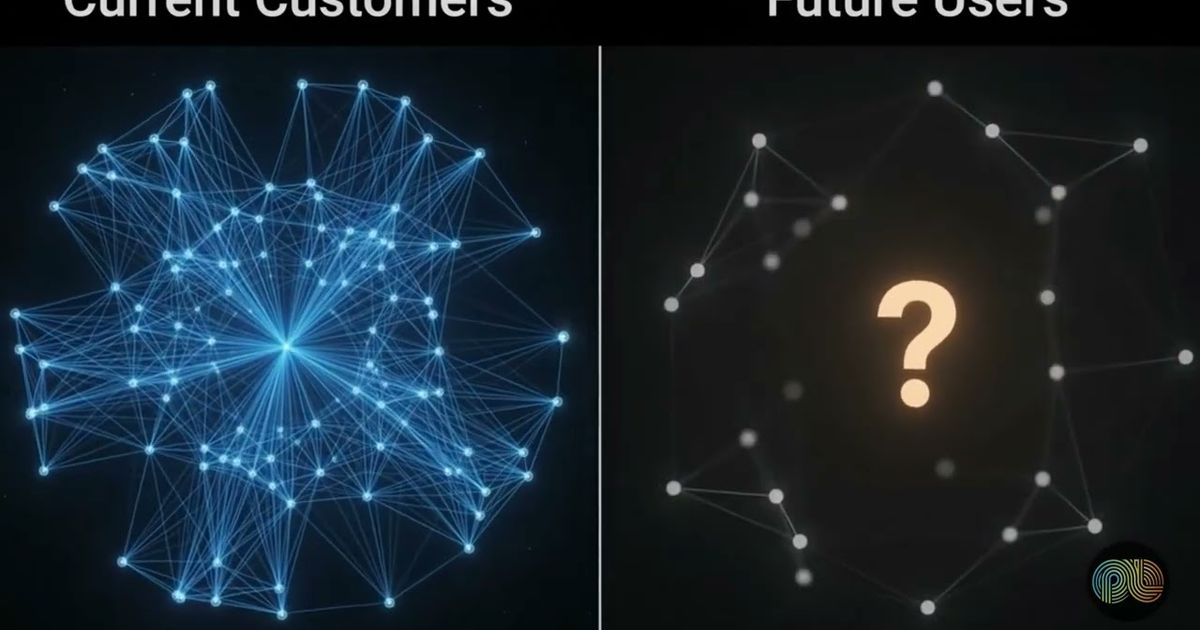
Here's a hypothetical. A company knows exactly why customers start using its product and has almost nothing on why they stop. Everything it knows is still valuable. It just can't fully back a decision about retention.
That's missing evidence: whatever a confident answer needs and the available research doesn't supply. A repository can hold thousands of findings and still leave a big decision unsupported.
A gap exists only relative to a question or decision. A thinly studied topic isn't automatically one. It turns into a gap when what you know can't settle what decision-makers need to know.
Five shapes show up most:
- Missing perspectives: relevant users, customers, employees or stakeholders weren't represented.
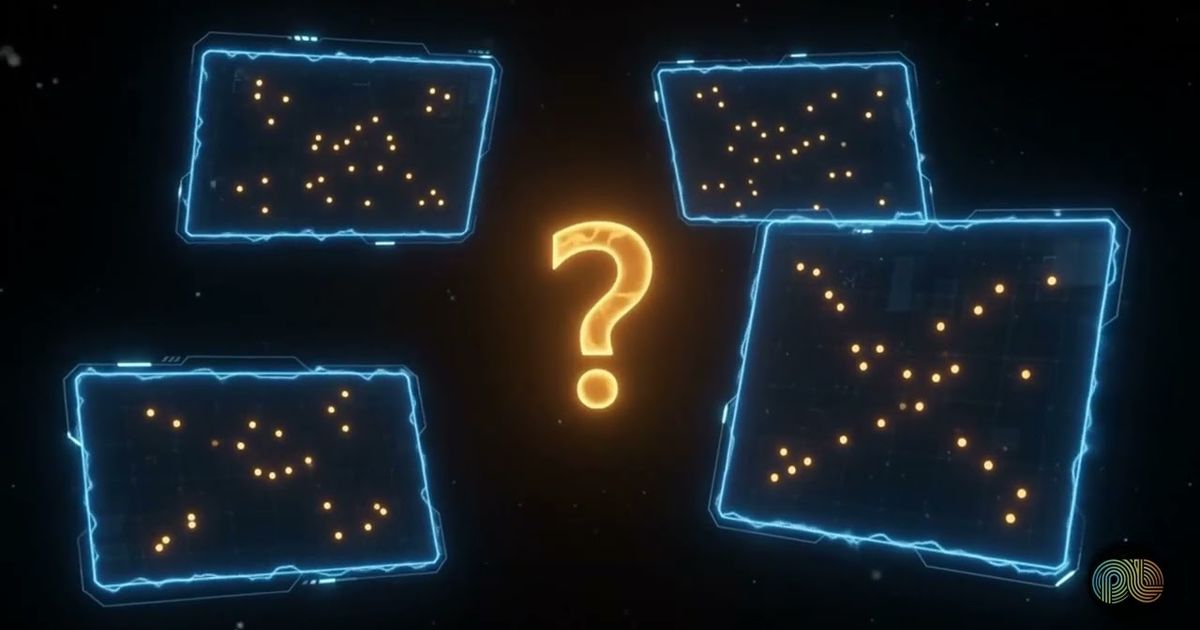
- Unexplored contexts: one market, channel, product stage or use case was covered; another wasn't.
- Insufficient validation: a finding appeared once and hasn't met another sample, method or source.
- Outdated information: behavior, expectations or conditions may have moved on.
- Unanswered relationships: separate factors are described, but how they interact isn't.
Is it a true evidence gap or a retrieval problem?
Ask this before you commission anything.
A true gap means the knowledge was never produced or validated. A retrieval problem means the evidence exists, but you can't reliably find it, connect it, interpret it or trace it. Commissioning a study for the second kind wastes money.
Telling them apart takes a structured research system. When research objects are clear (questions, studies, findings, methods, populations, contexts, dates), you can inspect what each piece of evidence actually covers. Semantic connections surface related findings even when studies word things differently, and traceable relationships tie each conclusion back to its sources.
You can usually spot a retrieval problem by the mess: reports in disconnected folders, findings without consistent labels, summaries that have lost their original context. Better organization, metadata, search and lineage fix that. More research won't.
What remains after the relevant knowledge has been searched, connected and evaluated is a true gap. That can become a focused research objective, and systematic gap detection is what lets a team reuse what it already knows and send new investigation where it'll improve understanding most.

How do you identify an evidence gap?
Put the evidence a decision needs next to the evidence you can actually retrieve and verify. Whatever's left over is a specific research need. "Learn more" doesn't count as one.
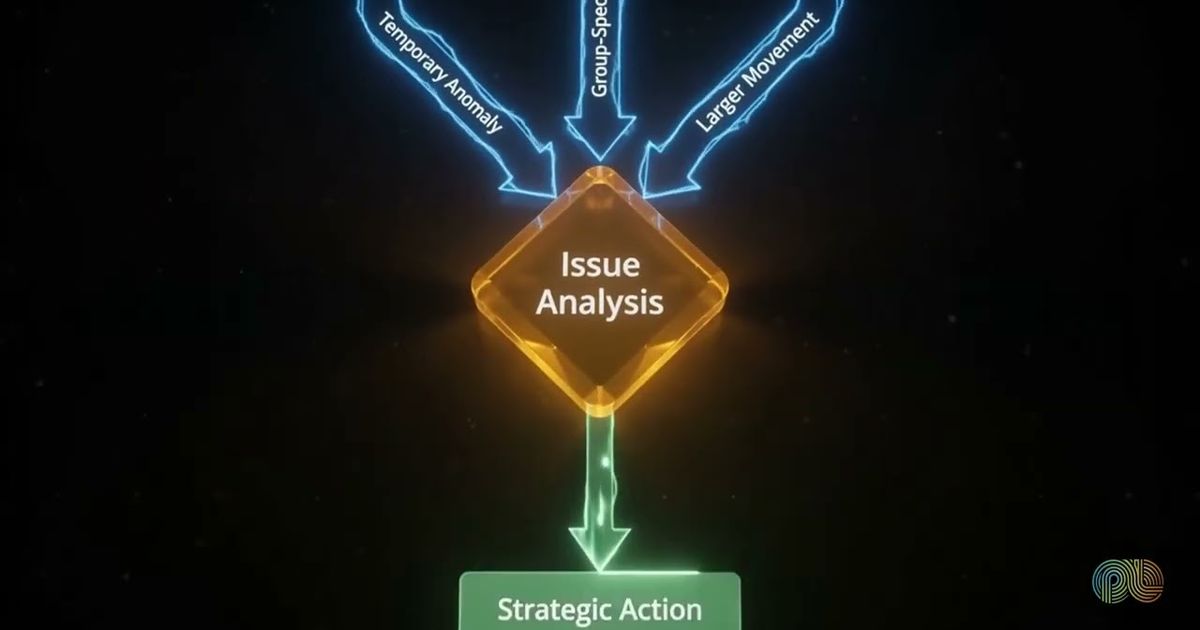
Start by writing down the question: the decision, the population, the context and how confident you need to be. Next, collect what you know, meaning relevant findings, source materials, methods, dates and limitations across studies. Then test coverage by looking for absent groups, settings, time periods, validation, or causal and relational explanations. Last, prioritize. Go after the gaps that create the most uncertainty or could materially change the decision.
All of it rests on a well-framed research question, whether you're doing customer research or running a broad market research program. Our guide to defining research problems and objectives helps teams pin down what evidence ought to exist before they ask what's missing.
And not every gap earns a new study. Could closing it change a decision, cut a real risk, or improve understanding enough to justify the effort? If not, leave it.

How can AI help find missing evidence?
We'd use it for discovery and triage. Let it be the final judge of whether evidence exists and you'll get burned.
What it does well: compare research questions with the knowledge an organization already holds, surface underrepresented topics, flag claims with thin support. A review might notice that product adoption has been studied at length while discontinuation has hardly been touched. Or that findings come mostly from one customer segment, or lean on old source material.
Researchers still weigh each suggestion. A failed retrieval proves nothing about absence; relevant knowledge may use different terminology, sit in documents nobody can open, or lack the metadata and connections needed to find it.
Context is the other limit, and AI doesn't have it. People decide whether the missing information matters to the decision, whether existing evidence can reasonably carry over to today's situation, and what validation fits. Same principle as using AI as a research assistant instead of a decision maker.
How PulseLake helps
PulseLake keeps research questions, methods, evidence and decisions in a persistent study context, supported by a research knowledge graph, cross-study search and evidence provenance. Researchers can use natural-language questions and deep research to examine existing knowledge before deciding whether a new study is needed. To talk about how this could support evidence-gap discovery in your research system, talk to our team.
Frequently asked questions
Can a large research repository still have major evidence gaps?
Easily. Size tells you how much is stored, not whether any of it answers a given question. Thousands of findings can pile up on familiar topics and still miss certain audiences, contexts, time periods or relationships. Judge coverage against the current decision; counting reports won't tell you.
Does missing search evidence prove that no research exists?
No. An empty search may point to a retrieval problem rather than a knowledge gap. Inconsistent terminology, disconnected storage, missing metadata, weak access controls or lost context can all hide evidence. Test the search and how the evidence is organized before you decide a new study is needed.
How should a team prioritize which evidence gaps to investigate?
Rank them by relevance to the decision, the uncertainty each gap creates and how likely new evidence is to change an action. A fascinating gap that won't affect a decision may not justify research right now. The best priorities are specific unknowns tied to material risks, choices or unresolved assumptions.
Can existing findings be enough when direct evidence is missing?
Sometimes, if you can justify the transfer. Check whether the existing findings involve comparable people, conditions, behaviors, methods and time periods. If those differences could change the conclusion, treat the evidence as provisional and say so plainly rather than assuming the earlier findings apply.