Contradiction Detection in Research
Contradiction detection makes conflicting research evidence visible, helping teams explain differences across users, contexts, methods, and time periods.

Contradiction detection is the process of identifying conflicting statements, findings, patterns, or interpretations across research evidence. It does not try to erase disagreement. Instead, it makes apparent conflicts visible so researchers can examine their sources, contexts, methods, and assumptions and determine what conditions explain the different conclusions.
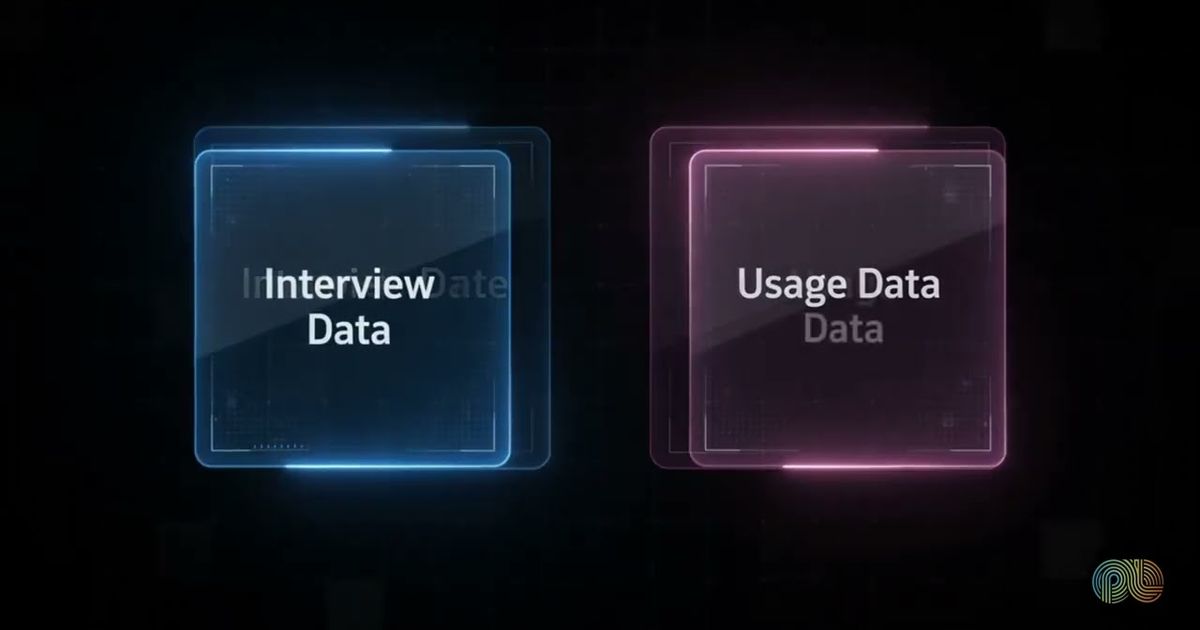
This matters because forcing varied evidence into one simplified answer can hide meaningful segments, changing behavior, and gaps in what an organization knows. The two-minute video above walks through the core ideas.
What is contradiction detection in research?
Contradiction detection finds evidence that does not immediately align and flags it for investigation. Its purpose is to clarify disagreement, not automatically decide which finding is correct.
A contradiction can occur between individual statements, study findings, observed patterns, or researchers’ interpretations. For example, one study might conclude that users want more customization, while another finds that additional options create confusion. Read literally, the findings appear incompatible.
Closer examination may show that both findings are valid under different conditions. Experienced users may value extensive controls, while new users may find the same controls overwhelming. Alternatively, customization may help during advanced use but create friction during onboarding.
Contradiction detection therefore changes the research question from “Which result is right?” to “Under what conditions is each result true?” That shift helps researchers build a more accurate model of behavior without flattening legitimate complexity.
Why do research findings appear to contradict each other?
Research findings often differ because studies examine different people, situations, methods, time periods, or questions. Some contradictions are genuine conflicts, but many are contextual differences or signs that the available evidence is incomplete.
Common sources of apparent contradiction include:
- User groups: Distinct segments may have different needs, abilities, expectations, or priorities.
- Contexts: The same person may behave differently depending on the task, environment, channel, or stage of a journey.
- Methods: Interviews, surveys, behavioral data, and experiments capture different aspects of an experience.
- Time periods: Preferences and behaviors can change as markets, products, and circumstances evolve.
- Research questions: Studies may use similar language while measuring different concepts or outcomes.
Methodological limitations can also create conflict. A narrow sample, ambiguous question, weak measure, or unsupported interpretation may produce a conclusion that does not hold elsewhere. Researchers should examine these possibilities before treating disagreement as a substantive discovery.
This is why contradiction detection complements comparative evidence analysis: the goal is to compare not only conclusions, but also the conditions and evidence behind them.

How does contradiction detection work?
Effective contradiction detection combines structured comparison with contextual review. Researchers first identify opposing claims, then trace each claim back to its source and examine the conditions under which it was produced.
A practical process includes four steps:
- Collect the claims. Represent important findings, statements, patterns, and interpretations as research objects that can be compared.
- Flag possible conflicts. Look for claims that make opposing assertions about the same concept, audience, behavior, or outcome.
- Inspect the context. Compare the studies’ users, methods, questions, dates, product stages, and other relevant conditions.
- Classify the difference. Decide whether it reflects a genuine conflict, contextual variation, changing circumstances, or limited evidence.
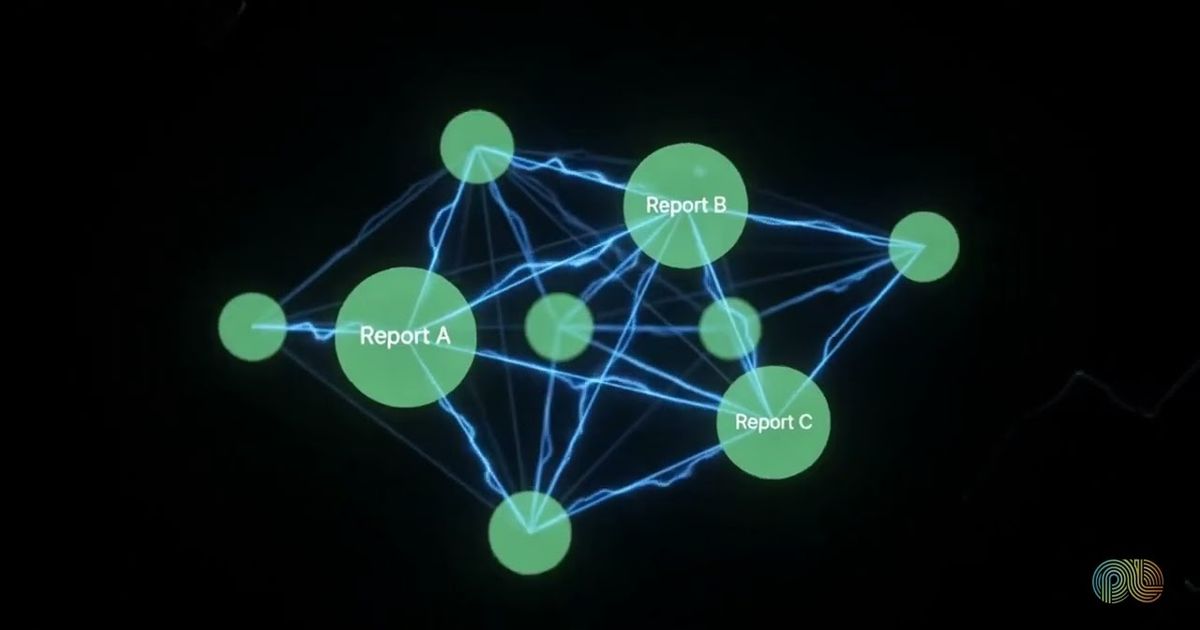
This process depends on strong evidence structures. Metadata records attributes such as source, method, audience, and timing. Semantic relationships show how claims, concepts, studies, and evidence connect. Lineage preserves where a finding originated and how it moved from raw evidence to interpretation.
Without that context, a system may label two statements as contradictory simply because their wording differs. A well-structured evidence graph helps researchers inspect provenance and determine whether claims actually address the same conditions.
Contradictions should remain linked to their supporting evidence and eventual resolution. That preserves institutional knowledge and prevents future teams from repeating the same comparison without understanding how an earlier conclusion was reached.

What role should AI play in contradiction detection?
AI can scan large collections of research material, compare claims, and highlight opposing findings for review. It should assist with discovery and prioritization while leaving contextual interpretation and final judgment to researchers.
Automated systems are useful when evidence spans many interviews, reports, surveys, projects, or time periods. They can surface statements that use different language but express competing ideas, helping researchers find conflicts that manual review might overlook.
However, textual opposition does not prove substantive contradiction. AI cannot independently establish whether two claims represent a genuine conflict, apply to different user segments, reflect changed circumstances, or arise from weak evidence. That determination requires knowledge of research design, organizational context, and the decision being considered.
Researchers should therefore review every flagged contradiction against its underlying evidence. They should verify that the claims address comparable concepts, examine provenance, document the interpretation, and identify what additional research could resolve remaining uncertainty.
Used this way, AI expands the amount of evidence teams can compare without turning an automated classification into an unquestioned conclusion. Human judgment remains responsible for deciding what the disagreement means.
Key takeaways
- Contradiction detection makes conflicting research claims visible rather than forcing them into one conclusion.
- Apparent contradictions often reflect differences in users, contexts, methods, questions, or time periods.
- Metadata, semantic relationships, and evidence lineage are essential for interpreting conflicting findings accurately.
- AI can surface opposing claims at scale, but researchers must determine whether the conflict is genuine or contextual.
- Investigating contradictions can reveal hidden segments, changing behavior, evidence gaps, and conditions that influence outcomes.
How PulseLake helps
PulseLake keeps objectives, methodology, evidence, and decisions within a persistent study context, supported by a research knowledge graph, cross-study search, and evidence provenance. Specialized agents can assist with deep research and qualitative analysis while researchers retain judgment and approvals. To discuss how this approach can support contradiction detection across a research system, talk to our team.
Frequently asked questions
Can two contradictory research findings both be correct?
Yes. Two findings can both be valid when they describe different user groups, contexts, product stages, tasks, or time periods. Researchers should compare each finding’s scope and supporting evidence before deciding that one invalidates the other. The contradiction may reveal an important condition that was missing from the original interpretation.
How should researchers document unresolved contradictions?
Researchers should record each claim, its source evidence, the relevant audience and context, the method and timing, and the reason the claims appear to conflict. They should also note possible explanations, confidence limits, and what evidence would help resolve the issue. This makes uncertainty visible and allows later studies to revisit it without losing context.
Is contradiction detection the same as checking research quality?
No. Quality checking examines whether evidence was collected, analyzed, and interpreted appropriately, while contradiction detection compares claims that do not align. The activities overlap because poor sampling, measurement, or interpretation can create conflicting findings. However, well-designed studies can also disagree for legitimate contextual reasons.
What should a team do after finding conflicting evidence?
The team should trace both claims to their sources, compare the conditions around them, and decide whether the conflict is genuine, contextual, time-dependent, or caused by limited evidence. If the explanation remains uncertain, the contradiction should become a focused research question. A targeted follow-up study can test the conditions under which each finding holds.