Label Consistency: How to Maintain Reliable Annotations
Label consistency keeps annotations comparable as data, teams and guidelines change. Learn how calibration, quality review and governance prevent drift.

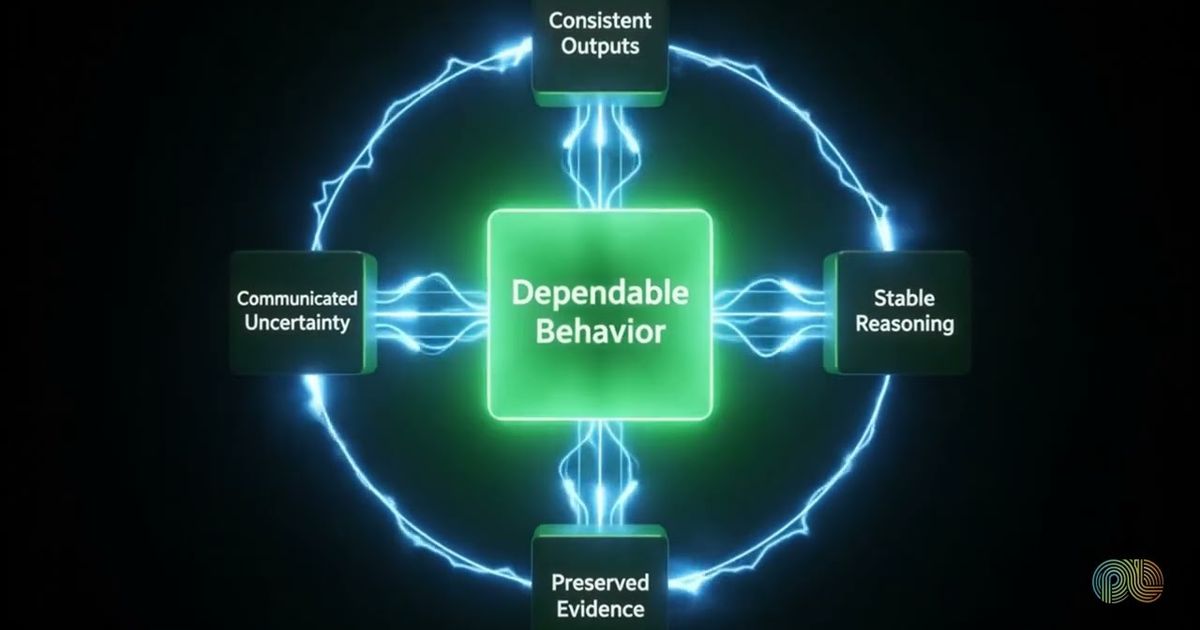
Label consistency means similar examples get similar annotations, no matter who reviews them or when. Keep it by holding label meanings steady, making sure everyone reads the rules the same way, checking quality on a schedule and changing the guidelines under control. Then researchers and AI systems can compare evidence with confidence while the dataset, the team and the analysis needs keep moving.
Skip the upkeep and annotation drift wears down a perfectly good dataset. Nobody notices, either, until someone sets this year's numbers beside last year's and they won't line up.
What is label consistency?
Same label, same meaning, from the first record to the last.
Two alike examples should get alike labels. It shouldn't matter which reviewer saw them, which collection period they came from or which project they belonged to.
Agreement in one annotation round doesn't prove it. The real test comes later, when new annotators join, strange examples turn up and the analysis needs change. Does the label still mean what it meant?
Why bother? Because labels travel: into research analysis, assessments, machine learning, AI evaluation. Once the meanings slide, a gap between two groups of examples may only be two reviewers reading one label two ways. Report it and you've reported a finding the annotation process made up.
How do you maintain label consistency over time?
Not with a guideline document that somebody wrote once and filed. You need a routine that never quite stops. We'd run it as a loop with four parts:
- Every so often, annotators label hard examples alone, then compare, to confirm the shared definitions still hold up.
- Someone samples finished work and digs into the disagreements, so a new inconsistency gets caught before it spreads through a big slice of the data.
- Each hard case, plus the way you agreed to handle it, goes into the guidance. New annotators learn from it, and settled arguments stay settled.
- Somebody watches for odd label combinations, sudden frequency jumps, or a reviewer whose calls keep parting ways with the group.
Our view: the written log of decisions matters more than the guideline itself. A settled argument that nobody recorded will be fought again.
Clear annotation guidelines get you started. A defined annotation quality control process keeps them working and catches inconsistencies early.
AI is handy as a spotter: it flags odd patterns, possible conflicts and examples worth a second look. Reading those flags, settling the ambiguous cases and approving changes stays with people.

Why do labels become inconsistent over time?
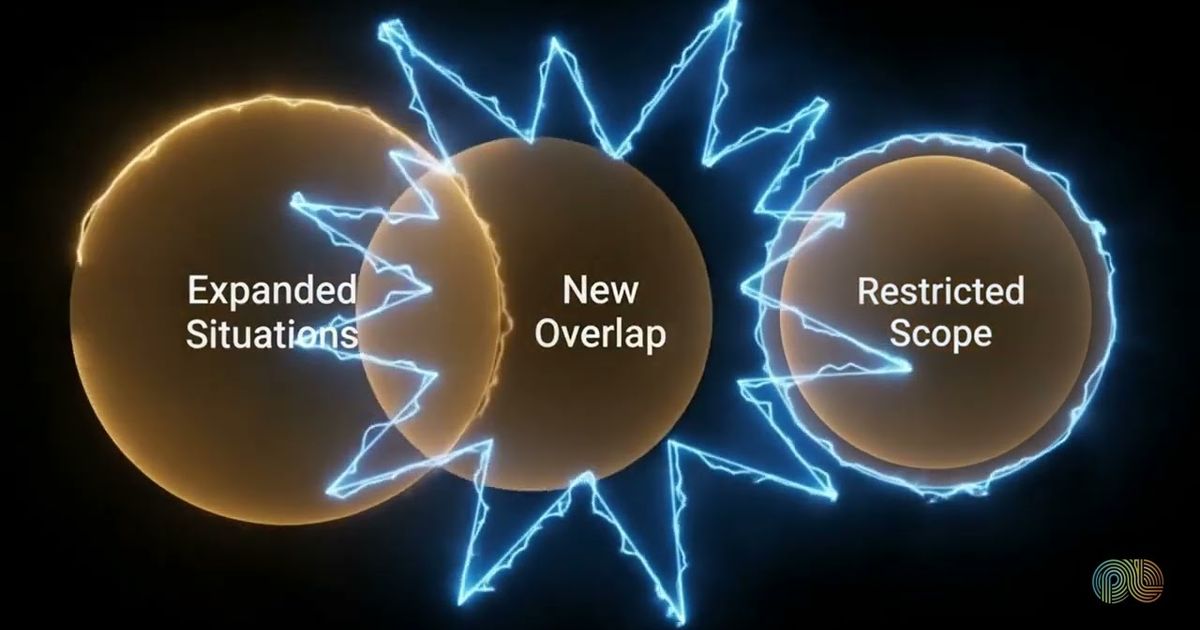
Because nothing around the labels holds still, and nobody coordinates the movement. People come and go. New data arrives. Someone tweaks the framework. And no set of instructions, however detailed, can predict every odd case a growing dataset will throw up.
On the ground, that means a new annotator reading a definition differently from the old hands. Or fresh data throwing up cases the first framework never covered. Or reviewers building private shortcuts, a guideline edit nobody logged, an old decision that got lost and then argued from zero.
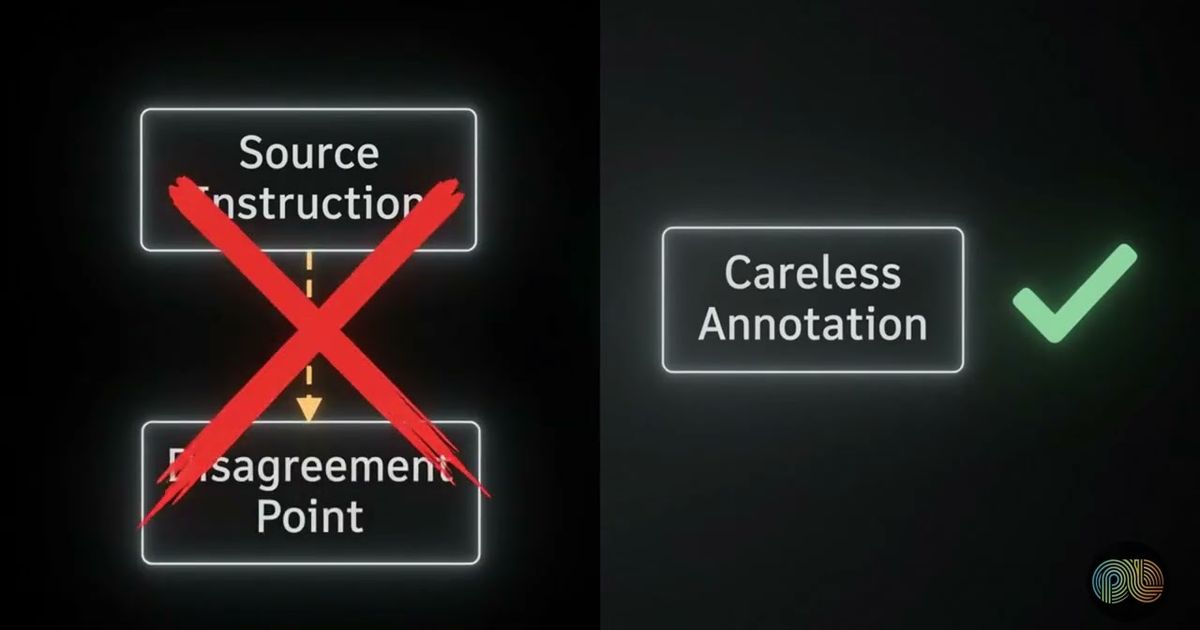
Put those together and you have annotation drift, a slow change in how labels get applied. Sometimes you can see it. Reviewers disagree more often, label frequencies shift, the same two neighboring categories keep getting swapped. Sometimes it hides, especially if all you check is the final totals instead of the decisions beneath them.
Requirements just changed? A batch landed mid-cycle? That's the moment to look closely. A quick pass over recent decisions costs next to nothing.
What should happen when annotation guidelines change?
Start with a single question: did we clarify the label, or did we change what it means? Your answer decides how you record the edit, and whether old data can still sit next to the new.
Clarifications are the easy kind. You fix some wording, add a missing example or sharpen a boundary that was already there. Earlier labels keep their meaning, and there's nothing more to do.
A conceptual change weighs more: a new label, a versioned framework, maybe a second look at data you've already annotated. Work out which records it touches before you adopt it, then choose between relabeling them, mapping old labels onto the new framework or keeping the two versions apart.
Either way, log the reason, the approver and the effective date. Skip that lineage and an analyst may merge labels that look identical but were applied under different definitions, at which point comparisons over time mean nothing.

How PulseLake helps
PulseLake can hold annotation objectives, evidence, decisions and methodology in a persistent study context. Its governance, ontology and lineage foundations help teams keep definitions intact and trace changes, and workflow automation can support repeatable QA and approval steps. To see how this could fit your research operation, talk to our team.
Frequently asked questions
How often should annotation calibration sessions happen?
It depends. A messy dataset, a team that keeps changing or a stream of new cases all argue for more sessions. So do onboarding, a guideline change, or reviews that show disagreement creeping up. A stable project can meet less often, but calibration shouldn't stop while the project runs.
How can a team measure whether labels are consistent?
Four numbers help: reviewer agreement, repeat annotations of the same examples, confusion between similar labels and shifts in label frequency. Read them next to case-by-case review, though. High agreement can hide a misunderstanding everyone shares, and what you want is agreement with the intended definitions.
Can AI maintain label consistency without human reviewers?
No. It can spot unusual labeling patterns, point out possible conflicts and rank examples for review, which helps. What it can't do alone is tell whether a hard case is an error, a vague guideline or a truly new concept. People still read the evidence, settle disagreements and govern changes to the framework.
Should historical data be relabeled after a guideline update?
Sometimes, depending on the update. When it really changes what a label means and you need comparisons over time, relabel. When it only clarifies a definition, you may leave the old data alone. In both cases, assess the impact, keep the previous framework version and record any mapping or backfill decision.