 PulseLake
Annotation Quality Control
Annotation quality control keeps labeled data accurate and consistent through ongoing review, error detection, guideline updates, and human oversight.

Annotation quality control is the ongoing practice of monitoring, reviewing, and improving labeled data so annotations remain accurate, consistent, and aligned with their intended purpose. It combines label inspection, reviewer comparison, error analysis, guideline refinement, and informed human judgment rather than treating quality as a one-time check at the end of a project.
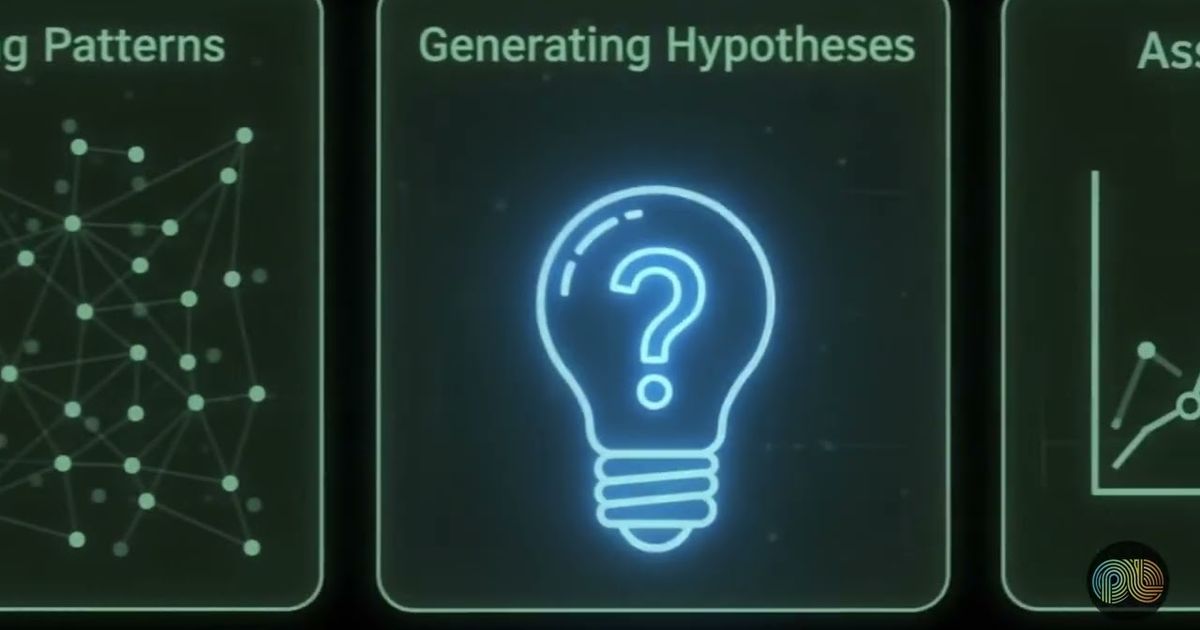
AI systems depend on trustworthy training and evaluation data. Without continuous control, even strong guidelines can lose their value as interpretations shift, ambiguous cases accumulate, and recurring errors go unnoticed. The two-minute video above walks through the core ideas.
What is annotation quality control?
Annotation quality control is a continuous system for checking completed annotations and improving the process that produced them. It does not assume that a label is correct simply because an annotator completed it.
Teams inspect samples, compare decisions across annotators or reviewers, examine disagreements, and correct inaccurate or inconsistent records. They also look beyond individual errors to find patterns that may affect the wider data set.
This distinction matters because final inspection alone can identify defects without addressing their cause. An ongoing process can detect emerging inconsistency earlier and feed what reviewers learn back into instructions, examples, training, and future annotation work.
Quality control is closely related to preventing annotation drift, in which labeling behavior gradually moves away from the intended standard. Effective control makes that movement visible before it becomes embedded across a large body of data.
What should annotation quality control check?
A practical review should assess guideline compliance, evidence coverage, treatment of ambiguous cases, and alignment with the data set’s purpose. Accuracy is important, but quality also depends on whether labels are applied consistently and remain useful for the intended task.
Reviewers should ask four core questions:
- Do labels follow the published guidelines? Reviewers should check both the chosen category and the reasoning required to apply it.
- Was important evidence overlooked? An annotation may appear plausible while ignoring text, context, or other material that changes the correct interpretation.
- Were ambiguous cases handled consistently? Similar borderline examples should receive comparable treatment, even when no answer is completely obvious.
- Does the annotation serve the intended purpose? A technically defensible label can still be unhelpful if it does not support the research, evaluation, training, or knowledge-management objective.
Reviewer comparisons can reveal recurring disagreement, while targeted inspection can expose unusual labels or missed evidence. A single agreement score should not replace case-level review because the reasons behind disagreement often provide the most useful guidance.

How do you make quality control continuous?
Continuous quality control uses a repeatable cycle: inspect annotations, compare decisions, diagnose recurring patterns, and improve both the data and the process. The cycle should operate during annotation, not only before publication or delivery.
A practical workflow includes:
- Inspect completed labels. Review a planned selection of routine, high-risk, unusual, and ambiguous examples.
- Compare reviewer decisions. Identify where annotators and reviewers agree, disagree, or interpret the same instruction differently.
- Diagnose patterns. Separate isolated mistakes from systematic problems involving unclear definitions, missing examples, or inconsistent escalation.
- Improve the system. Correct affected records, update guidance, add examples, discuss difficult cases, and communicate decisions to the annotation team.
Recurring disagreement does not automatically mean annotators are careless. It often signals that the instructions allow multiple reasonable interpretations. Clear annotation guidelines should define categories, boundaries, evidence requirements, exceptions, and a process for resolving uncertain cases.
Documenting difficult decisions also preserves domain expertise. Instead of resolving the same ambiguity repeatedly, teams can turn prior judgments into reusable examples and clearer operating rules.

How can AI support annotation quality control?
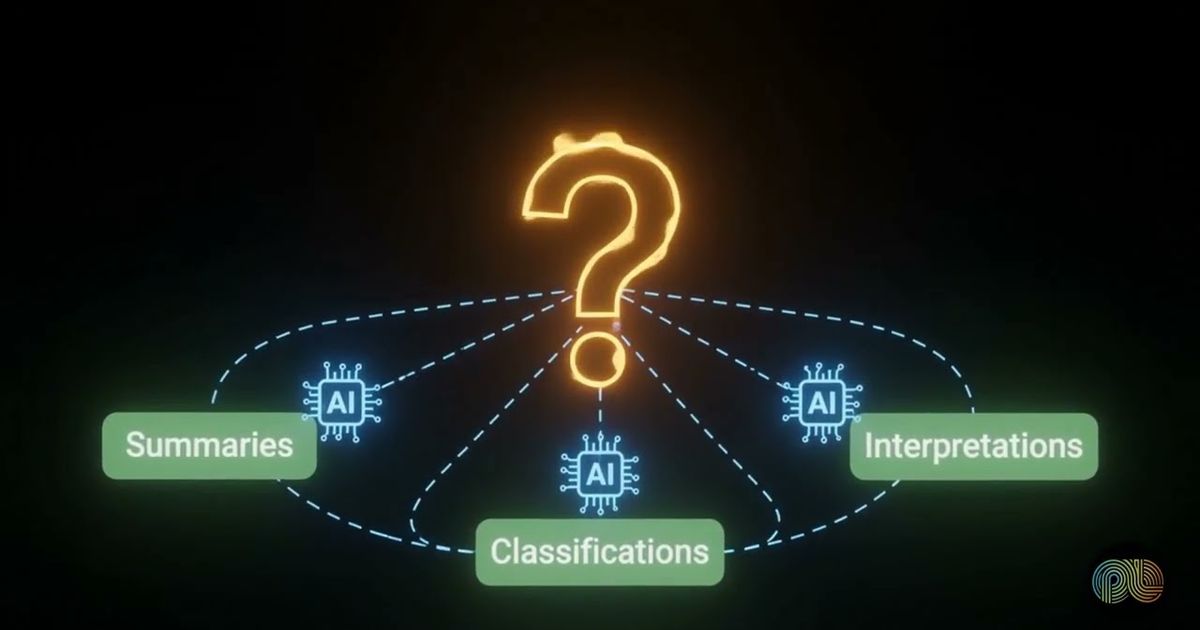
AI can help prioritize review by finding unusual annotations, inconsistent patterns, and examples that differ from similar records. This assistance lets human reviewers focus attention where errors or ambiguity are more likely to matter.
For example, an AI-assisted check might flag a label that conflicts with nearby examples or identify a category being applied differently across batches. These signals are prompts for investigation, not final judgments that an annotation is wrong.
Informed reviewers must retain responsibility for quality decisions. They understand the research domain, the annotation rules, and the intended use of the data set. Human review is especially important when evidence is ambiguous, categories depend on context, or a correction could affect downstream training and evaluation.
The strongest approach combines machine-assisted detection with human interpretation, documented decisions, and clear approval responsibilities.
Key takeaways
- Annotation quality control is an ongoing process rather than a final inspection.
- Reviews should examine accuracy, consistency, evidence coverage, ambiguity, and alignment with the data set’s purpose.
- Recurring disagreements often reveal unclear instructions or missing examples rather than individual carelessness.
- AI can highlight unusual or inconsistent annotations, but informed reviewers should make final quality decisions.
- Continuous improvement produces more reliable data for evaluation, training, research, and knowledge management.
How PulseLake helps
PulseLake keeps research objectives, methodology, evidence, and decisions within a persistent study context, helping teams preserve the reasoning behind quality decisions. Its governance, lineage, ontology, research knowledge graph, and specialized analysis agents can support traceable review and reusable operating knowledge while researchers retain judgment and approvals. To discuss how this fits your research operations, talk to our team.
Frequently asked questions
How often should annotated data be reviewed for quality?
Review should occur throughout annotation and continue whenever the data set, guidelines, annotators, or intended use changes. The appropriate cadence depends on risk, volume, complexity, and the cost of an incorrect label. New categories and ambiguous examples generally deserve closer attention than stable, well-understood cases.
Does high reviewer agreement prove that annotations are correct?
No. High agreement shows that reviewers are applying labels consistently, but they could be consistently following an unclear or incorrect rule. Quality control should combine reviewer comparison with guideline checks, evidence review, and confirmation that the labels support the data set’s intended purpose.
Who should make the final decision on disputed annotations?
A reviewer or domain expert who understands the guidelines, underlying evidence, and intended use should resolve disputed cases. The decision and its reasoning should be documented, especially when the case exposes a missing rule or category boundary. That record can then improve future guidance and promote consistent treatment of similar examples.