Research QA Checklists for Consistent, Trusted Evidence
Research QA checklists make quality standards visible and repeatable, helping teams catch errors, document evidence, and produce more trustworthy findings.

Research QA checklists are structured sets of verification steps used to review research processes, outputs, and documentation before a study advances or findings are shared. They make critical quality expectations visible and repeatable, helping teams catch omissions, preserve evidence traceability, and apply consistent standards without replacing professional judgment.
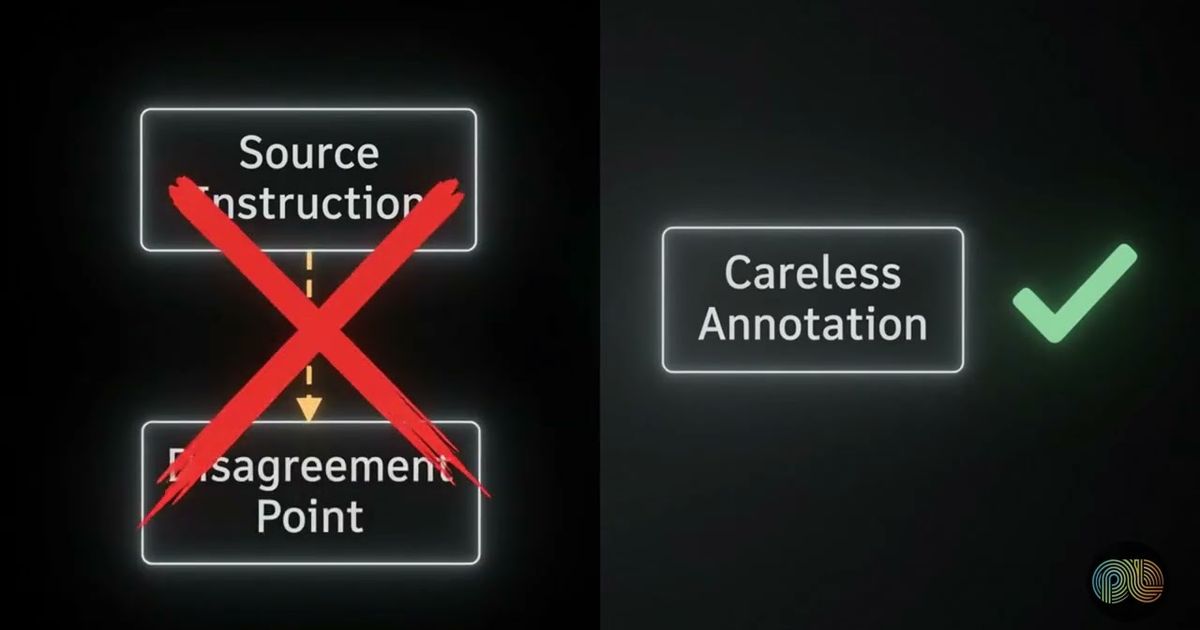
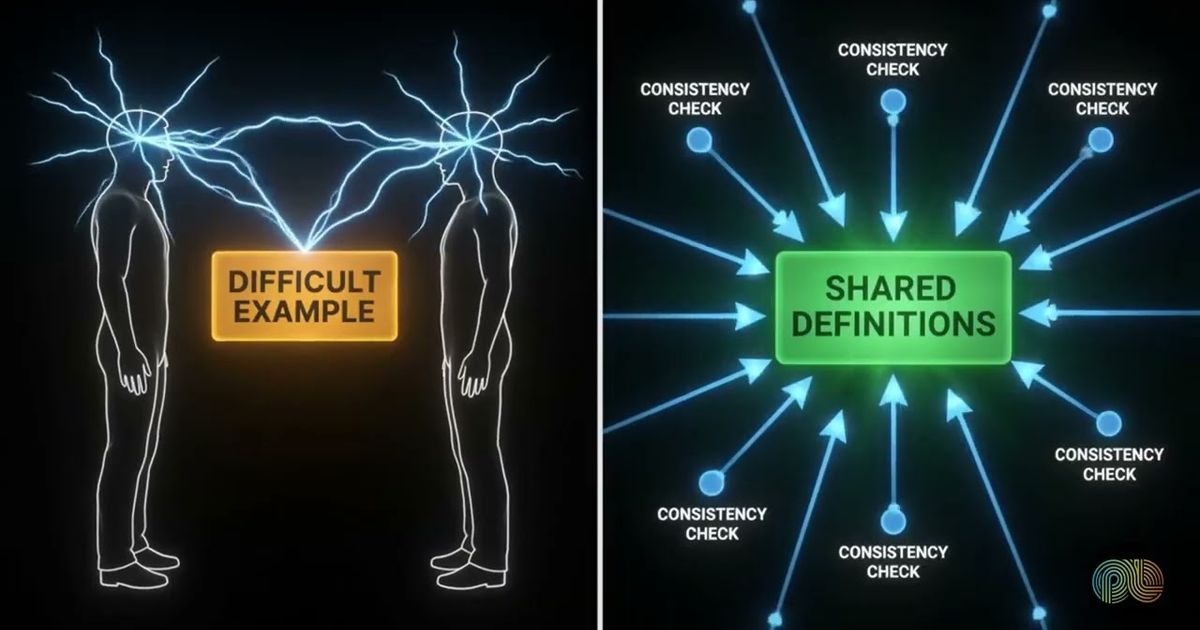
A missed documentation step, incomplete evidence record, or overlooked review requirement can weaken an otherwise sound study. Embedding checks throughout the research lifecycle reduces preventable errors and makes findings easier to trust and reuse. The two-minute video above walks through the core ideas.
What should a research QA checklist include?
A research QA checklist should cover the decisions, evidence, documentation, and safeguards that determine whether a study is fit to advance. Its exact criteria should reflect the method, research context, organizational requirements, and intended use of the findings.
Common areas include:
- Research objective clarity: Confirm that the study states the problem, objectives, research questions, and decision it is intended to inform.
- Methodological alignment: Verify that the selected method, sample, instruments, and analysis approach can answer the stated questions.
- Participant documentation: Record recruitment criteria, consent, relevant participant characteristics, and exclusions.
- Evidence traceability: Ensure claims can be connected to source data, analysis, and documented research decisions.
- Analysis quality: Check calculations, coding, interpretation, limitations, and whether alternative explanations were considered.
- Privacy and communication: Confirm appropriate handling of sensitive information and ensure reports distinguish evidence, interpretation, and recommendations.
The checklist should focus on consequential requirements rather than every administrative task. Clear objectives are especially important because later quality checks depend on what the study was designed to answer. Teams can use the principles in defining research problems and objectives to strengthen this foundation.

When should research quality checks happen?
Research quality checks should occur at defined gates across the lifecycle, not only before the final report is released. Early checks prevent flawed assumptions or missing records from affecting every later stage.
A practical sequence includes:
- Planning: Review the objectives, research questions, method, sample, responsibilities, privacy requirements, and approval criteria.
- Research setup and collection: Check instruments, participant documentation, consent, fieldwork records, and deviations from the plan.
- Analysis: Verify data preparation, calculations, coding decisions, evidence links, interpretations, and documented limitations.
- Release: Confirm that findings are supported, communication is appropriate for the audience, and required reviews are complete.
Each gate should define who checks the work, what evidence demonstrates completion, and what happens when an item fails. A check should create a meaningful pause for verification rather than become a box that people mark automatically.

How do shared checklists improve research consistency?
Shared checklists create a common quality baseline across teams while leaving room for professional judgment. They make expectations explicit, reduce variation in routine practices, and help reviewers assess studies using comparable criteria.
This consistency matters when multiple teams, agencies, or business units conduct research. Without shared standards, projects may document participants differently, apply uneven review requirements, or preserve different levels of evidence. Those variations make findings harder to compare, evaluate, and trust.
A common checklist does not mean every study must follow an identical process. Teams can maintain a core set of organization-wide requirements and add method-specific checks for surveys, interviews, assessments, panels, or advanced analysis. Strong research governance without bureaucracy similarly combines clear controls with flexibility based on risk and context.
How can AI support research quality assurance?
AI can help identify missing information, check documentation completeness, and highlight potential inconsistencies. These automated checks are useful for repetitive verification, but they should complement rather than replace human review.
Many research quality decisions require an understanding of context, intent, methodological tradeoffs, and the consequences of a finding. An automated system may detect that a field is empty or that two records conflict, but a researcher must determine whether the omission matters and how it should be resolved.
Teams should define which checks can be automated, which require human approval, and how exceptions are recorded. Researchers remain accountable for final judgments, particularly when reviewing interpretation, privacy, limitations, and whether the evidence supports a decision. Automation is most useful when it directs human attention toward potential problems rather than presenting quality as a fully mechanical score.
How should teams maintain a research QA checklist?
Teams should treat a research QA checklist as a living expression of their research standards. It should be updated when reviews reveal recurring problems, methods change, or new organizational requirements emerge.
Useful maintenance practices include assigning an owner, recording checklist versions, gathering feedback from researchers and reviewers, and documenting why criteria were added or changed. Periodic review can remove redundant steps and clarify items that teams interpret inconsistently.
The goal is not to make the checklist longer after every issue. It is to capture lessons that are likely to prevent repeated errors or improve evidence quality. Over time, this turns experience from individual projects into reusable organizational knowledge.
Key takeaways
- Research QA checklists make important quality expectations visible, consistent, and repeatable.
- Checks should cover objectives, methods, participant records, evidence traceability, analysis, privacy, and communication.
- Quality gates should be embedded throughout the research lifecycle instead of being reserved for final reporting.
- AI can flag omissions and inconsistencies, but contextual quality decisions still require human judgment.
- Checklists should evolve as teams encounter recurring problems and new requirements.
How PulseLake helps
PulseLake keeps objectives, methodology, evidence, and decisions together in a persistent study context, supported by governance and lineage. Its repeatable workflows can incorporate approvals and QA across recurring studies, while specialized agents can assist with research design, analysis, and reporting under researcher review. To discuss how these capabilities can support your quality process, talk to our team.
Frequently asked questions
Who should own final approval for a research QA checklist?
Ownership should be explicit and matched to the study’s risk and context. A research lead may approve routine work, while studies involving sensitive data, consequential decisions, or specialized methods may need additional review. The checklist should identify both the person completing each check and the person authorized to approve exceptions.
Can one research QA checklist work for every research method?
A single checklist can provide core standards, but it should not force every method into the same detailed requirements. Organization-wide checks can cover objectives, documentation, traceability, privacy, and communication, while method-specific modules address surveys, interviews, assessments, or advanced analysis. This preserves consistency without ignoring meaningful methodological differences.
What is the difference between a QA checklist and a research protocol?
A research protocol describes how a study should be conducted, including its objectives, methods, procedures, and analysis plan. A QA checklist verifies whether required steps, records, and reviews are present and acceptable. The protocol guides execution, while the checklist provides structured confirmation that the work meets defined standards.