Research Workflow Automation Explained
Research workflow automation coordinates repeatable processes, reduces operational friction, and frees researchers to focus on analysis and interpretation.

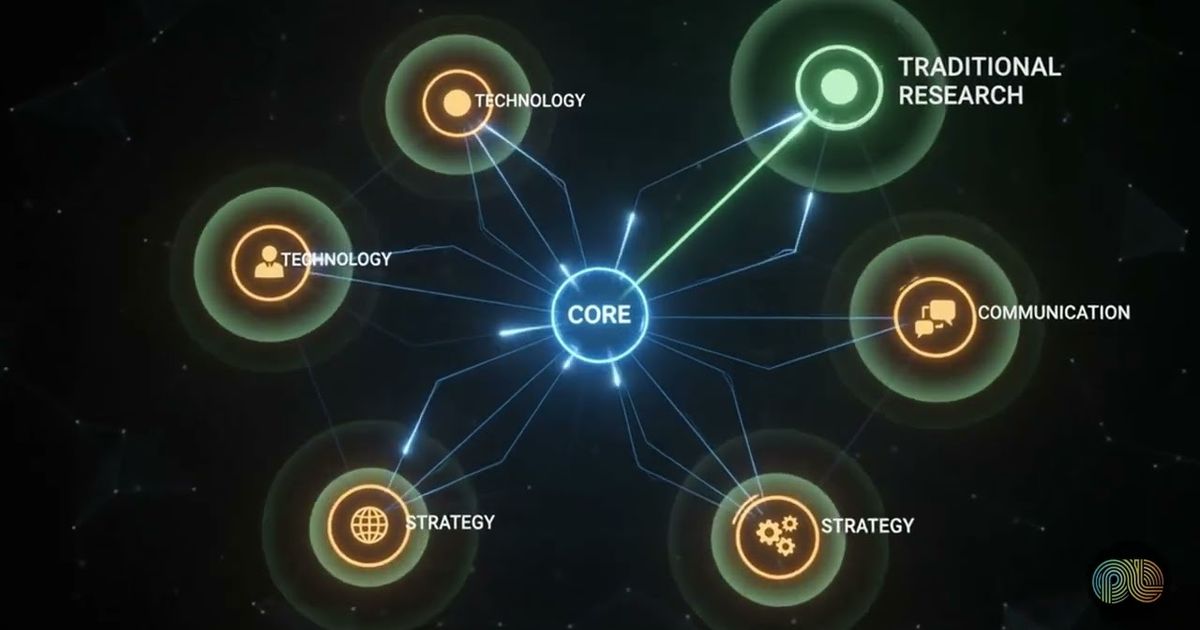
Research workflow automation uses technology to coordinate repeatable research processes from intake through knowledge sharing. It automates predictable operational work—such as routing, approvals, documentation, metadata capture, and notifications—without replacing human judgment. The aim is to reduce friction and delays so researchers can spend more time analyzing evidence, interpreting context, and generating insights.
Manual coordination can consume significant time while creating inconsistent handoffs, incomplete records, and avoidable delays. Thoughtful automation makes research operations more scalable while preserving the expertise needed for context-dependent decisions. The short video above walks through the core ideas.
What tasks can research workflow automation handle?
Research workflow automation is best suited to repeatable, rules-based activities that support a study but do not require original interpretation. These tasks often occur around the research itself rather than within the researcher’s core analytical judgment.
Common opportunities include:
- Intake management: Capture research requests in a consistent format and route them to the appropriate person or team.
- Task assignment: Create work items, assign owners, and communicate deadlines when a project reaches a defined stage.
- Approvals: Send plans, instruments, deliverables, or other research objects to designated reviewers.
- Documentation updates: Keep project records current as tasks are completed or decisions are made.
- Metadata capture: Record details such as research method, audience, topic, owner, status, and evidence type.
- Repository organization: Place completed evidence and outputs in the correct location with consistent structure.
- Notifications: Alert stakeholders when action, review, or attention is required.
- Routine quality checks: Confirm that required fields, approvals, or documentation are present before work proceeds.
These activities are important, but they should not displace the time researchers need for discovery and interpretation. A structured research QA checklist can help teams distinguish automatable checks from reviews that require expert scrutiny.
How does an automated research workflow operate?
An automated workflow moves a project between defined stages when specific events or conditions occur. It coordinates transitions while capturing the information needed at each point.
A typical project might progress through four broad phases:
- Request and intake: The system captures the initial question, requester, context, urgency, and expected decision.
- Planning: Tasks, responsibilities, methods, approvals, and required documentation are established.
- Execution and analysis: Status changes trigger assignments, checks, reminders, or updates while researchers collect and interpret evidence.
- Knowledge sharing: Findings, supporting evidence, metadata, and decisions move into repositories, reports, or other delivery channels.
Without automation, every transition may depend on someone sending a message, updating a tracker, or remembering the next step. An automated flow applies agreed rules consistently, reduces coordination delays, and prompts teams to capture important information at the appropriate time.
Automation should still accommodate exceptions. A delayed recruitment effort, a revised stakeholder question, or contradictory evidence may require the workflow to pause, return to an earlier stage, or request human review.

What foundations make workflow automation reliable?
Reliable automation starts with a clear, well-understood process. Automating a confusing or inefficient workflow only causes the same problems to occur faster and more consistently.
Before introducing technology, teams should map the current process and clarify:
- Who owns each activity, handoff, and approval.
- Where decisions occur and which decisions depend on context.
- What quality requirements must be met before work advances.
- Which research objects, such as requests, plans, instruments, evidence, and reports, move through the process.
- What structured metadata must be captured for those objects.
- Which governance rules cover access, lineage, review, and exceptions.
This preparation exposes unnecessary steps, duplicated work, missing ownership, and unclear approval paths. It also creates a shared operating model that can be tested before automation is expanded.
Structured records matter because automated systems need dependable inputs. Consistent metadata makes routing, retrieval, reporting, and repository organization more reliable, while governance defines what the system may do and when a person must intervene. These foundations also support organizing research into reusable knowledge rather than storing isolated project files.

Where should AI and human judgment fit?
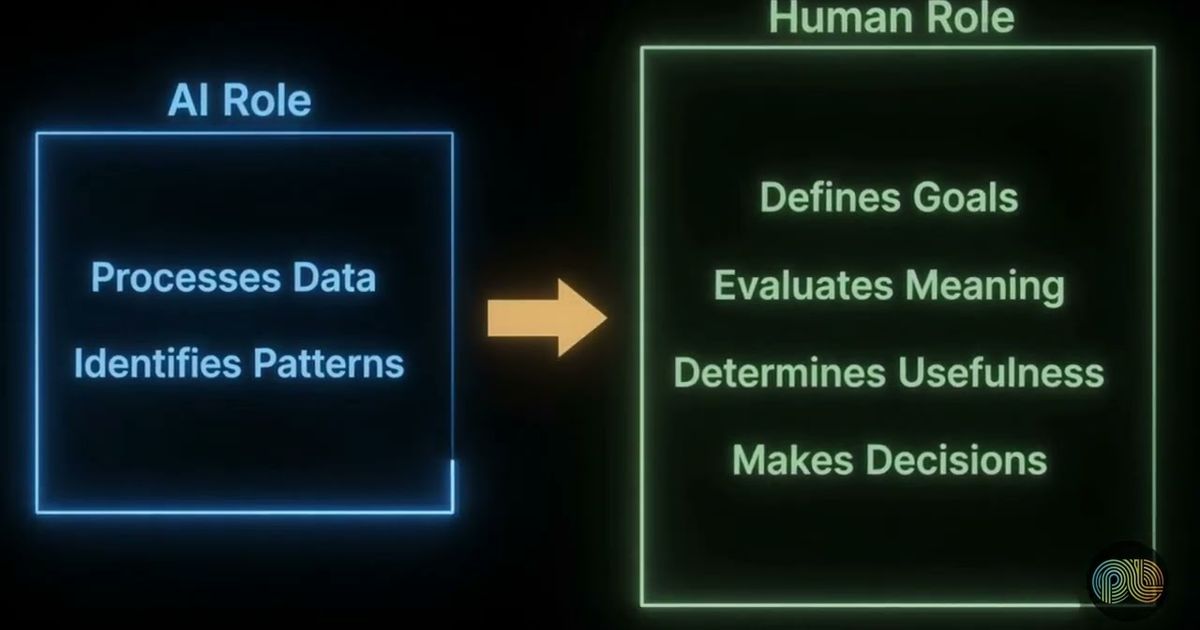
AI can extend workflow automation by handling tasks that require flexible pattern recognition, while researchers retain responsibility for judgment and approval. The appropriate division depends on the ambiguity, risk, and context of each activity.
AI may assist with classifying requests, summarizing documents, recommending a routing destination, or identifying related organizational knowledge. These capabilities can make workflows more responsive than rigid rules alone, especially when incoming information is unstructured.
Human oversight remains essential. Research priorities change, evidence can conflict, and apparently similar requests may have different strategic implications. Researchers should review consequential decisions, resolve ambiguity, assess evidence quality, and decide what findings mean for the organization.
The strongest operating model lets technology handle predictable coordination while people focus on complex reasoning. Clear approval points and escalation paths prevent assistance from becoming unaccountable automation.
Key takeaways
- Research workflow automation coordinates repeatable processes without replacing research judgment.
- Suitable tasks include intake, assignments, approvals, metadata capture, repository organization, notifications, and routine checks.
- Teams should clarify responsibilities, decision points, quality requirements, and governance before automating a workflow.
- AI can support classification, summarization, routing, and knowledge discovery, but context-dependent decisions require oversight.
- Effective automation gives researchers more time to interpret evidence, explore questions, and produce useful insights.
How PulseLake helps
PulseLake keeps objectives, methodology, evidence, approvals, and decisions within a persistent study context. Its workflow automation capabilities support approvals, QA, recurring studies, reporting, notifications, and downstream actions, while specialized agents can assist with research design, analysis, reporting, and related tasks under researcher oversight. To discuss how this could fit your research operations, talk to our team
Frequently asked questions
Which research process should a team automate first?
Start with a frequent, stable process that has clear inputs, owners, handoffs, and completion criteria. Request intake, approval routing, routine notifications, and required-field checks are often easier starting points than ambiguous analytical work. Map the process first, remove unnecessary steps, and test the automation with exceptions before applying it more broadly.
Can research workflow automation replace research operations staff?
Research workflow automation does not replace the judgment required to manage priorities, resolve exceptions, protect quality, or interpret organizational context. It reduces repetitive coordination and administration so research operations staff can focus on process design, governance, capacity, and continuous improvement. People remain responsible for deciding what should be automated and reviewing consequential outcomes.
How can automated workflows preserve research context?
Automated workflows preserve context by capturing structured information as a project progresses instead of reconstructing it afterward. Requests, objectives, decisions, evidence, approvals, and metadata should remain connected within the same study record. Consistent capture also makes findings easier to retrieve, compare, and reuse across future research.
When should an automated research step require human approval?
Human approval is appropriate when a step involves ambiguity, material quality risk, changing priorities, sensitive access, or a decision that affects research interpretation. Low-risk administrative actions may proceed automatically when their rules are clear. Teams should define approval and escalation points during workflow design rather than adding oversight only after a problem occurs.