 PulseLake
Understanding Product Friction Through Research
Product friction is what makes tasks harder for users to complete. Learn how research uncovers friction points and traces them to their root cause.
Product friction occurs when something makes it harder for users to complete a task or reach a desired outcome, caused by confusing workflows, unclear information, unnecessary steps or mismatched expectations. Research uncovers friction by examining how people actually interact with a product, rather than relying on what they say they experience after the fact.
This matters because friction quietly costs organizations adoption, retention and trust, often in ways that don't show up clearly in a single metric. The two-minute video above walks through the core ideas.
What is product friction?
Product friction is anything that makes it harder for a user to complete a task or reach a desired outcome within a product. It can come from confusing workflows, unclear information, unnecessary steps, or a mismatch between what the product expects and what the user actually expects going in.
Friction is not always dramatic. It often shows up as small moments of hesitation or extra effort that individually seem minor but collectively push a user toward frustration, a support ticket, or abandoning the task altogether.

How does research uncover friction?
Research uncovers friction by examining how people actually interact with a product rather than relying solely on what they report after the fact. Usability studies, interviews, observation and behavioral analysis each reveal where users experience difficulty and, more importantly, why that difficulty occurs.
Workflow analysis is a particularly useful technique here, since looking at the activities before and after a problem point provides context that an isolated interaction can miss. A user's difficulty on one screen sometimes traces back to confusion introduced several steps earlier. This same principle — that a single interaction rarely tells the whole story — also applies to open-ended survey feedback, where the surrounding context often explains more than the isolated comment.
How do you find the real cause of friction, not just the symptom?
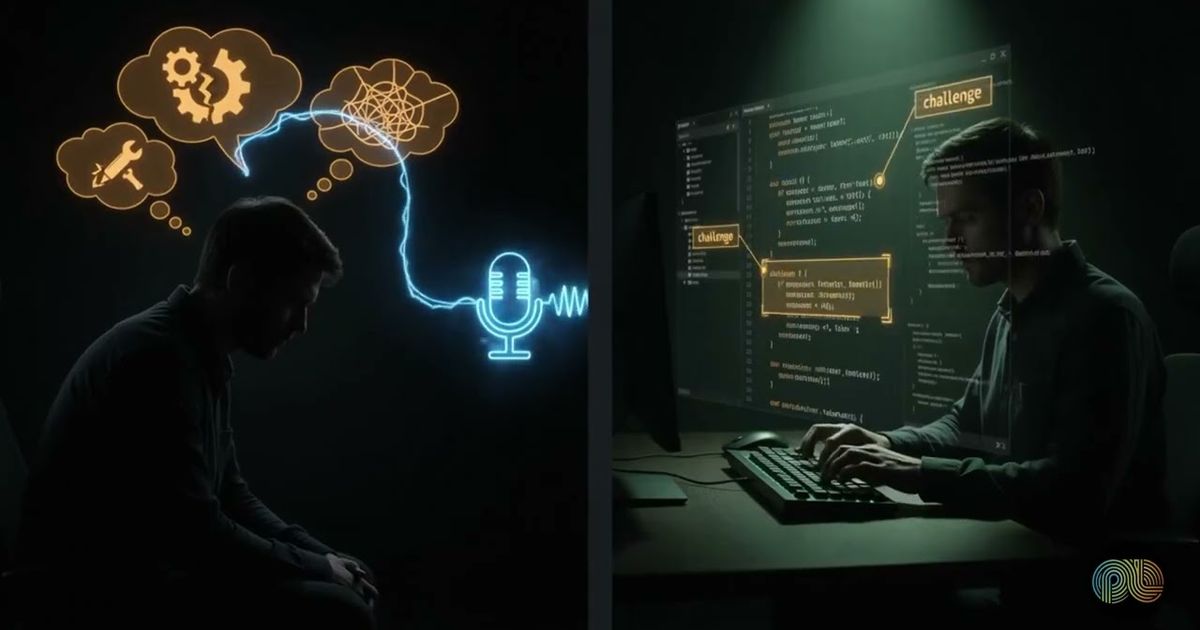
A key challenge in friction research is distinguishing a visible problem from its deeper cause. A user might report frustration with a specific step, while the actual issue involves unclear goals, missing knowledge, or system feedback that failed to tell them what was happening.
Treating the reported symptom as the whole problem risks fixing the wrong thing. Teams need to trace a friction point back through the workflow that produced it, rather than stopping at the first complaint a user happens to voice.

How should teams act on friction research?
Reducing friction requires more than simply removing steps from a workflow. Teams need to understand which parts of an experience create genuine value for the user and which parts create unnecessary effort, since removing the wrong step can eliminate value along with friction.
Research findings should connect user problems directly to possible improvements, giving teams clear evidence to prioritize changes that address important barriers rather than surface-level complaints. The goal of friction research is not the simplest possible product — it is an experience where users can accomplish meaningful goals with appropriate effort. Friction research often overlaps with measuring feature adoption beyond usage metrics, since a feature with unexpectedly low adoption often has a friction problem hiding behind the usage number.
Key takeaways
- Product friction is anything that makes it harder for users to complete a task, from confusing workflows to mismatched expectations.
- Usability studies, interviews, observation and behavioral analysis each reveal different aspects of where and why friction occurs.
- Workflow analysis, which looks at activity before and after a problem point, provides context an isolated interaction can miss.
- The visible symptom a user reports is not always the underlying cause, so research needs to trace friction back to its source.
- Reducing friction means understanding which parts of an experience create value, not simply removing as many steps as possible.
How PulseLake helps
PulseLake's traditional research mode supports the usability studies, interviews and behavioral research teams use to uncover friction, keeping objectives, evidence and findings inside one persistent study context so a friction finding stays traceable back to the workflow it came from. Delivery capabilities such as dashboards and client workspaces then help friction findings reach the product and design teams responsible for acting on them. Teams that want to build a research program around product friction can talk to our team.
Frequently asked questions
What is the difference between product friction and a usability bug?
A usability bug is typically a specific, identifiable flaw, such as a broken button or an error in a workflow, while product friction is broader and includes anything that adds unnecessary effort, even when every component is technically working as designed. A product with zero bugs can still have significant friction if its workflow requires more steps, context or effort than users expect.
How do researchers tell whether a friction point is worth fixing?
Researchers weigh a friction point against how central the affected task is to the user's overall goal and how many users encounter it, since not every point of hesitation justifies a redesign. Workflow analysis, which looks at the steps before and after the friction point, helps determine whether an issue is isolated or connected to a larger pattern worth prioritizing.
Can users accurately describe the friction they experience?
Users can reliably describe that something felt difficult, but they are less reliable at diagnosing why, since the underlying cause is often several steps removed from where they noticed the problem. This is why friction research relies on observation and workflow analysis alongside self-reported feedback, rather than taking a user's stated explanation as the complete picture.
Does reducing friction always mean simplifying a product?
Not necessarily. Reducing friction means removing unnecessary effort while preserving the steps that create genuine value for the user, which sometimes means adding clarity or guidance rather than removing functionality. A product that is simpler but harder to understand can introduce new friction even as it removes old friction.