Future of Research Operations: People, Process, and AI
The future of research operations combines automation, connected knowledge, and human judgment to scale learning and improve organizational decisions.

The future of research operations is a connected operating model where people, repeatable processes, organized knowledge and AI-supported tools work as one. Automation takes the routine coordination and information chores. Researchers keep context, interpretation and ethical judgment. The goal is scalable, continuous learning that improves decisions without replacing human expertise.
Picture a skilled researcher chasing approvals on Tuesday, then rebuilding last quarter's slides on Wednesday. Project-by-project work does that to people. Knowledge gets harder to reuse, and the admin lands on the very people who should be thinking.
Better research operations build dependable paths from evidence to action. Meaning and decisions stay with the people who are accountable for them.
How will automation and AI change the research operations workflow?
Less repetitive work, more information handled per team. Research judgment doesn't change. Our view: AI does its best work supporting researchers, never making consequential calls on its own.
Automation can organize information, run repeatable processes, route approvals and support analysis workflows. AI-assisted methods help researchers get through bigger piles of material, spot possible patterns and move from raw evidence to a focused investigation faster.
Patterns don't explain themselves.
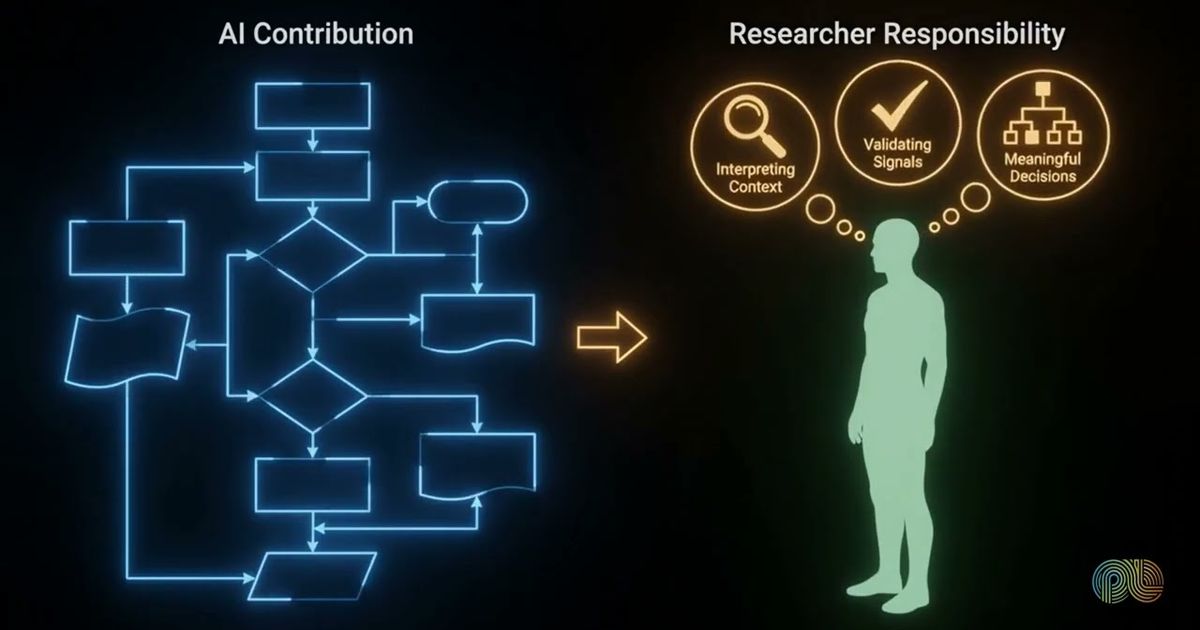
Someone has to weigh the context, question the assumptions, judge the quality of the evidence, think through ethical consequences and decide whether an interpretation is responsible. That split is the heart of AI as a research assistant instead of a decision maker.
The model that works pairs the two. Technology brings speed, consistency, coordination and information processing. Researchers bring curiosity, context, interpretation and accountability. In between sit review points where people stay in control of important conclusions and actions.

What is the future of research operations?
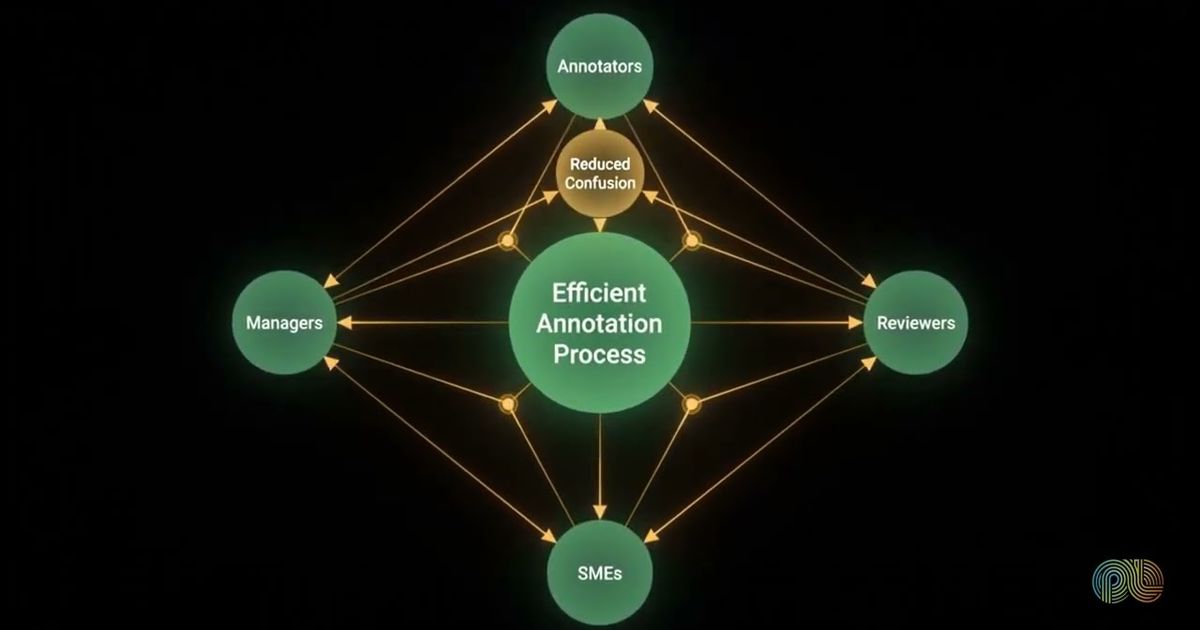
Mostly, a bigger scope. Research operations is moving away from managing individual activities and toward building an environment where what the organization knows keeps improving its decisions. Running research, managing information, technology, governance and delivery get tied together, and no study sits alone.
The old jobs stay. Somebody still coordinates participants, timelines, approvals and outputs. What's new is designing the systems that decide how evidence travels through the company.
Get the operating model right and a few things get easier. You can find and interpret evidence later, and run studies and teams the same way. Context, assumptions, methods and decisions stay together. Findings reach stakeholders who can use them, and earlier learning gets reused when you frame a new question.
Research starts to behave like a living organizational capability. We describe the same shift in going from research reports to research systems: insight stays useful long after one presentation or one decision.
Why must research operations support continuous learning?
Otherwise every study starts from zero.
Do it properly and each study strengthens the next. Teams organize their knowledge, standardize the workflows that hold up, connect related studies and use accumulated evidence to shape new questions and decisions. They stop archiving a stack of disconnected reports.
It takes infrastructure: organized information, dependable processes, and knowledge that people outside the original project can reach. A reusable finding also needs its methodology, audience, assumptions, limitations and decision history, or it's just a sentence.
Nobody's recycling old conclusions here. Researchers start from a stronger position: they see the gaps, compare new evidence with the old and choose what to test next. Over time the research function becomes a maintained knowledge system, not a run of temporary projects.

What skills will research operations teams need?
Broader ones. On top of the research craft, people in research operations will need technical, analytical, communication and strategic skills, since more of the job is connecting people, processes, systems, evidence and organizational decisions.
Five skills carry the most weight:
- Research methodology: design choices, evidence quality, limitations, sound interpretation.
- Technology and data: how tools, structured information, automation and AI-assisted workflows fit together.
- Process design: repeatable workflows with clear owners, approvals, quality checks and escalation paths.
- Communication: translating evidence for different audiences without stripping out uncertainty or context.
- Strategy: tying research priorities to the organization's questions and decisions.
Does everyone need to become an engineer or a data scientist? No. The team does need enough technical fluency to judge systems, work across functions and see where automation helps and where it adds risk.
How PulseLake helps
PulseLake gives research and insight teams one persistent study context for framing questions, running research, analyzing evidence, preserving knowledge and delivering decision-ready outputs. Its research intelligence, specialized AI agents, workflow automation, governance and delivery capabilities support connected research, and researchers keep judgment and approvals. To see how this operating model could fit your organization, talk to our team.
Frequently asked questions
Can a small research team benefit from research operations automation?
Yes. Small teams often lose a big share of their time to coordinating work, organizing evidence, chasing approvals and rebuilding recurring outputs. Automate a few carefully chosen tasks and that time goes back to study design, interpretation, stakeholder communication and decisions. You don't need to automate the whole workflow to feel it.
Will AI eventually replace research operations professionals?
More likely it changes the work than removes the people. AI can handle information processing, coordination, pattern identification and repeatable workflows. Understanding context, evaluating evidence, managing risk, communicating uncertainty and owning consequential decisions still fall to people.
What research infrastructure should an organization build first?
Start with whatever makes evidence understandable and reusable: consistent study context, organized information, clear ownership, reliable workflows, accessible knowledge and documented decisions. Which comes first depends on your most persistent breakdown. Lost findings? Duplicated work? Inconsistent approvals? Reporting that never connects to action?
How can teams maintain quality while scaling research operations?
Standardize the repeatable work, and keep explicit review points for design, evidence quality, interpretation and decisions. Every output should carry its methodology, assumptions, provenance and limitations. Scaling should widen access and consistency; it shouldn't hide uncertainty or move accountability from researchers to automated systems.