 PulseLake
Research Systems: Moving Beyond Static Reports
Research systems connect studies, feedback, observations, and behavioral evidence so teams can reuse knowledge, track change, and make better decisions.

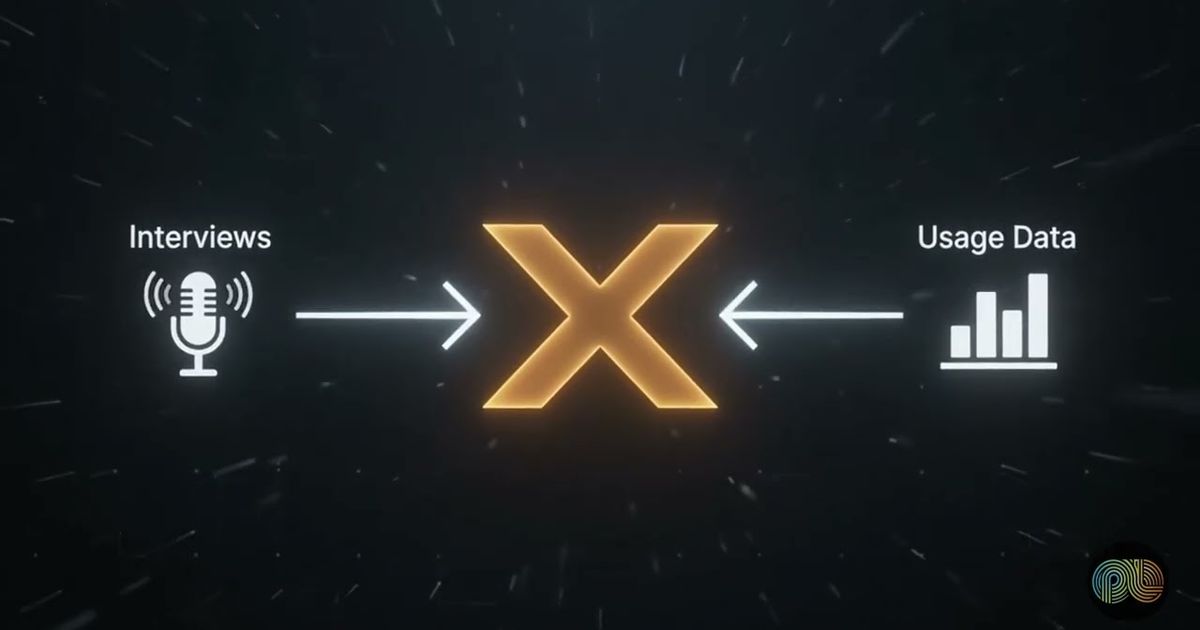
A research system is an ongoing operating model that continuously captures, connects, updates, and activates evidence across decisions. Unlike a project report, it links studies, feedback, observations, and behavioral data through reusable workflows, allowing teams to build cumulative knowledge while researchers retain responsibility for context, interpretation, and judgment.
This matters because user needs, behaviors, and environments keep changing after a report is delivered. A connected system helps an organization maintain a more current understanding of people and respond with relevant evidence. The two-minute video above walks through the core ideas.
How is a research system different from a research report?
A research report summarizes the findings of a specific project, while a research system supports learning across projects and over time. The difference is not simply a better place to store documents; it is a shift from finished outputs to active, reusable knowledge.
A report usually has a defined delivery point. It records what researchers learned within a particular scope, for a particular audience, at a particular moment. Reports remain valuable, but their content can become difficult to discover, update, or apply in a new decision context.
A research system instead creates ongoing workflows for capturing and using evidence. It makes knowledge:
- Connected across studies, feedback, observations, and behavioral evidence.
- Organized so different teams can find relevant material.
- Updated as conditions and understanding change.
- Reusable in decisions beyond the project that produced it.
The goal is not to eliminate reports. Reports become one delivery format within a broader system that preserves the evidence, context, interpretation, and decisions surrounding the work.

Why are static research reports not enough?
Static reports provide a snapshot, but organizations often need to understand conditions that continue to evolve. User expectations, behaviors, products, and operating environments can change after a project ends.
When knowledge remains isolated in separate documents, teams may struggle to determine whether a finding is still relevant. They can also miss relationships between sources or repeat work because prior evidence is hard to locate. A well-designed research repository that people actually use helps, but a full research system also needs active workflows.
Continuous research addresses these limitations by allowing teams to:
- Add new evidence to an existing body of knowledge.
- Revisit earlier findings when circumstances change.
- Compare information from different methods or periods.
- Carry accumulated learning into future questions and decisions.
This does not mean every topic requires constant data collection. It means the organization has a repeatable way to preserve context, recognize change, and update what it knows when new evidence appears.
How do you build a connected research system?
Building a research system starts with recurring decisions and learning needs, not with software. Teams then connect evidence, organize it for reuse, and establish a clear update cycle.
A practical sequence is:
- Define recurring decisions. Identify the questions teams repeatedly need research to inform and clarify what evidence would improve those decisions.
- Connect relevant evidence. Bring together studies, customer feedback, observations, and behavioral evidence without erasing differences in method, source, or context.
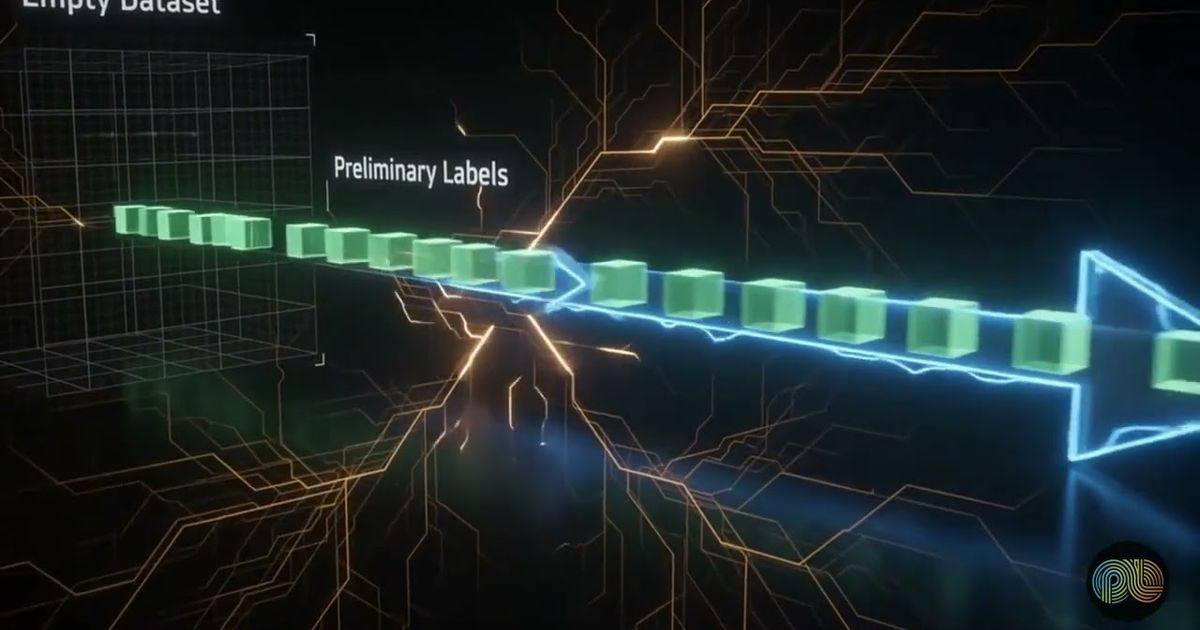
- Organize knowledge for reuse. Apply consistent concepts, metadata, ownership, and provenance so people can discover findings and understand where they came from. This is also central to building AI-ready research data.
- Create an update loop. Decide how new evidence will be reviewed, connected to earlier findings, and reflected in current interpretations or outputs.
The system should preserve both findings and the context required to interpret them. Research objectives, methods, assumptions, evidence, limitations, and decisions all help future users determine whether an insight applies to their situation.

What makes a research system successful?
A successful research system combines scalable infrastructure with thoughtful processes and human interpretation. Technology can improve organization, discovery, analysis, and delivery, but it cannot determine relevance or make judgment unnecessary.
Clear operating practices help teams contribute knowledge consistently and use it responsibly. These practices should establish:
- Who can add, review, update, and approve research knowledge.
- How evidence is labeled, linked, and traced to its source.
- When findings should be revisited because conditions have changed.
- How teams distinguish evidence from interpretation and recommendations.
Collaboration is another core requirement. When teams can access relevant knowledge and build on earlier findings, research becomes an organizational resource rather than a series of disconnected projects. Researchers still provide methodological oversight, resolve conflicting evidence, explain uncertainty, and judge how findings apply to new decisions.
Key takeaways
- A research system continuously captures, connects, updates, and activates knowledge across decisions.
- Reports remain useful, but they work best as outputs within a broader research system.
- Linking studies, feedback, observations, and behavioral evidence creates stronger accumulated understanding.
- Continuous workflows help teams respond to changing needs without treating every question as a new starting point.
- Technology supports organization and analysis, while human judgment remains essential for interpretation and governance.
How PulseLake helps
PulseLake keeps objectives, methods, evidence, and decisions together in a persistent study context across traditional, AI-led, synthetic, and simulation research. Its research knowledge graph, cross-study search, agents, and workflow automation support evidence discovery, recurring processes, analysis, and delivery while researchers retain judgment and approvals. To discuss how these capabilities can support a connected research system, talk to our team.
Frequently asked questions
Is a research repository the same as a research system?
No. A repository primarily stores and helps people retrieve research materials, while a research system also defines how evidence is captured, connected, reviewed, updated, and used. A repository can be an important component, but the broader system includes workflows, governance, interpretation, delivery, and links between research and decisions.
How often should research knowledge be updated?
The appropriate update frequency depends on how quickly the subject changes and how consequential the related decisions are. Teams should define review triggers, such as new research, substantial customer feedback, product changes, or shifts in behavior. Stable topics may need occasional review, while fast-changing areas may require more continuous monitoring.
What kinds of evidence belong in a connected research system?
A connected system can include formal studies, qualitative observations, survey findings, customer feedback, and behavioral evidence. Each source should retain information about its method, timing, scope, and limitations. Connecting evidence does not mean treating every source as equivalent; it helps researchers compare sources while preserving the context needed for responsible interpretation.
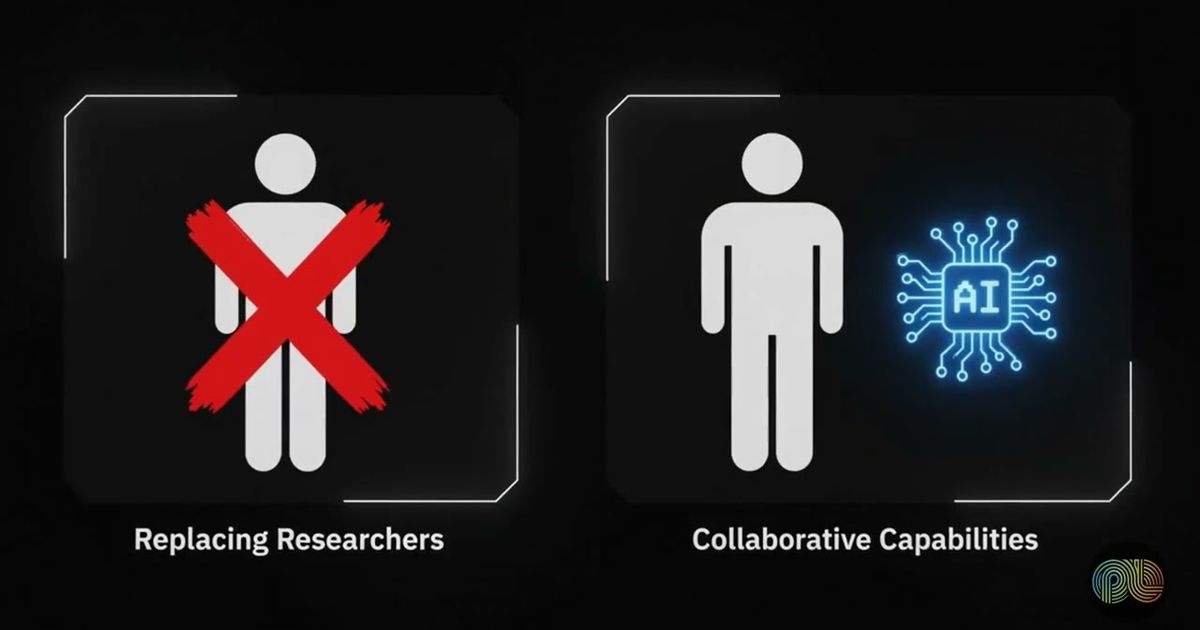
Can AI manage a research system without human researchers?
AI can support organization, search, analysis, recurring workflows, and the production of research outputs. It should not replace human responsibility for research design, methodological quality, contextual interpretation, governance, or final decisions. Effective systems use technology to extend researchers’ capacity while keeping review, judgment, and approval with qualified people.