 PulseLake
Continuous Discovery Operations Explained
Continuous discovery operations turn ongoing feedback into connected evidence, helping teams detect changing needs earlier and make better-informed decisions.
Continuous discovery operations are the systems, practices, and workflows that let research teams collect, analyze, connect, and apply evidence over time. Rather than treating discovery as a temporary project phase, they establish recurring, goal-directed learning that keeps organizations aware of changing user behavior, market conditions, and emerging needs.
Project-based research can answer important questions, but relying on projects alone may leave teams reacting to problems and repeatedly rebuilding context. An ongoing operating model makes research a persistent source of organizational intelligence without turning it into endless, unfocused activity. The video above walks through the core ideas.
What are continuous discovery operations?
Continuous discovery operations are the repeatable mechanisms that keep learning active between individual studies and decisions. They combine clear research goals with recurring evidence collection, analysis, knowledge management, and application.
Traditional research often begins when a team has a specific project, urgent question, or pending decision. That approach can produce valuable insights, but each study may become an isolated event. Continuous discovery instead maintains regular ways to:
- Observe user behaviors and changes in the surrounding environment.
- Gather feedback from relevant audiences and channels.
- Update existing knowledge as new evidence appears.
- Identify emerging patterns that deserve investigation.
- Connect accumulated evidence to current decisions.
The purpose is not to replace focused studies. It is to maintain awareness between them so researchers can frame new questions with a broader understanding of what the organization already knows.
How do continuous discovery operations work?
They work by turning research into a recurring learning cycle rather than a temporary phase before a product or business decision. Each cycle starts with a defined learning need and ends by strengthening the organization’s accumulated evidence.
A practical cycle includes four activities:
- Set structured goals. Define the behaviors, needs, assumptions, or environmental changes the team needs to understand.
- Run recurring learning activities. Collect relevant observations and feedback on an appropriate cadence instead of waiting for an urgent request.
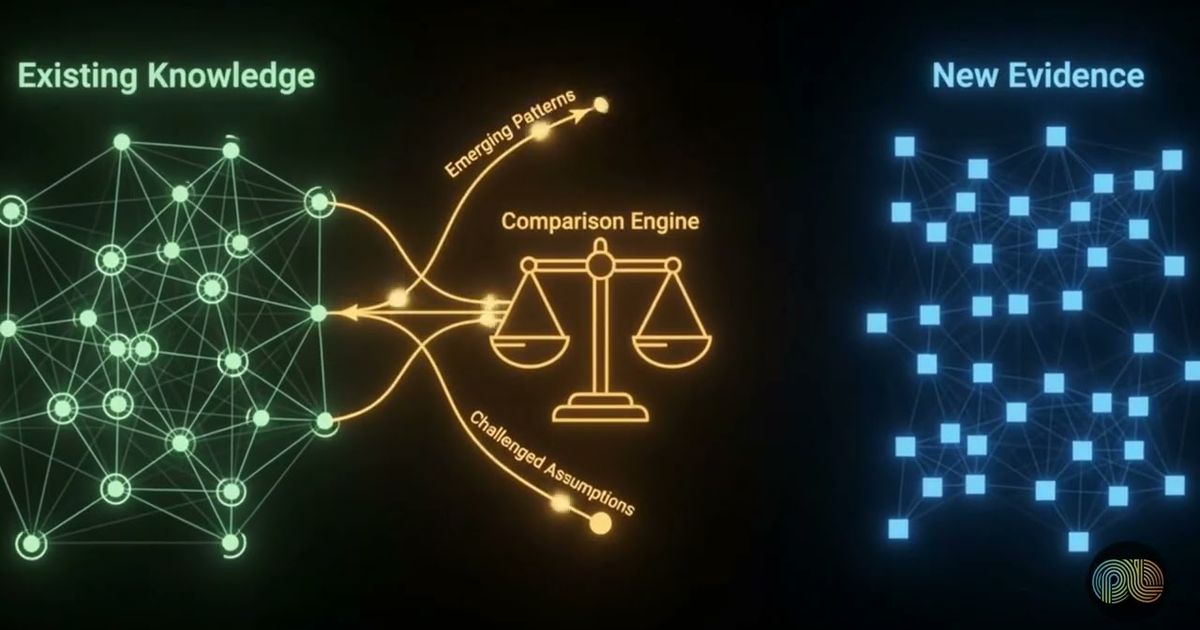
- Connect and evaluate evidence. Compare new observations with previous findings, preserve their context, and determine whether a pattern is emerging.
- Apply and refine. Use meaningful evidence to inform decisions, identify unanswered questions, and determine what requires deeper research.
This model supports proactive learning while preserving direction. It also reduces the tendency to start from zero because each new observation becomes part of a growing body of knowledge rather than another disconnected deliverable. Teams can learn more about this shift in research as a living knowledge base.

How can AI support continuous discovery?
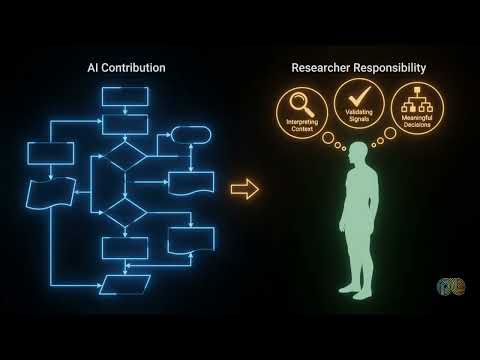
AI can help research teams monitor more evidence, surface patterns, and connect new observations to earlier findings. It is most useful for extending researchers’ awareness, not replacing their judgment.
For example, AI can assist with:
- Monitoring large volumes of feedback across recurring inputs.
- Identifying emerging themes that may not yet appear in standard reporting.
- Connecting new observations with relevant prior research.
- Highlighting contradictory evidence or areas that need deeper investigation.
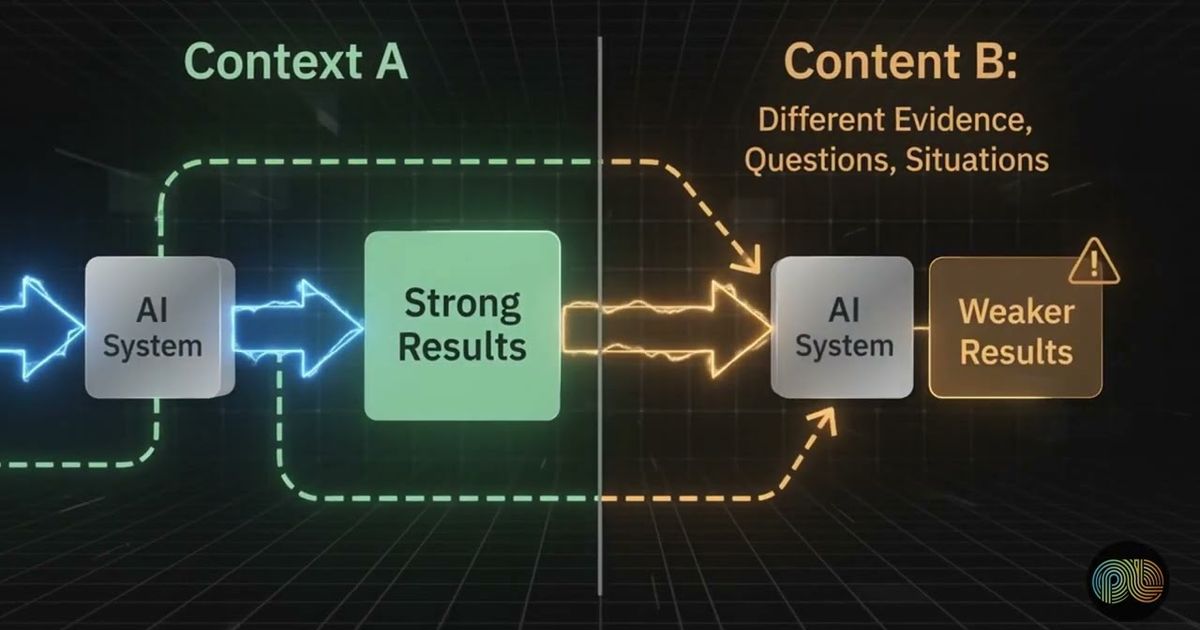
These capabilities can make potential signals easier to find, but a detected pattern is not automatically a valid insight. Researchers remain responsible for interpreting context, checking evidence quality, validating signals, and deciding whether a discovery is meaningful enough to influence action. This division of responsibility follows the principle of using AI as a research assistant instead of a decision maker.
What foundations make continuous discovery sustainable?
Sustainable continuous discovery requires infrastructure that preserves context and makes repeated work consistent. Without those foundations, an organization may collect feedback continuously while still producing disconnected outputs.
Four capabilities are especially important:
- Research repositories give teams a durable place to retain findings, evidence, decisions, and supporting context.
- Reusable research assets reduce reinvention by preserving instruments, methods, frameworks, and other materials that can support future work.
- Standardized workflows make recurring collection, review, quality assurance, and reporting easier to operate consistently.
- Evidence traceability connects findings to their source, methodology, assumptions, and decision context.
Together, these foundations allow new information to strengthen existing knowledge. Over time, teams can detect behavioral changes earlier, respond to emerging needs more effectively, and make decisions using a more complete picture of users, markets, and organizational challenges.

Key takeaways
- Continuous discovery operations make learning an ongoing organizational capability rather than an occasional service.
- The approach requires structured goals and recurring activities, not endless research without direction.
- New evidence should connect with existing knowledge instead of becoming an isolated project output.
- AI can surface signals and relationships, while researchers remain accountable for interpretation and validation.
- Repositories, reusable assets, standardized workflows, and traceability help learning compound over time.
How PulseLake helps
PulseLake keeps objectives, methodology, evidence, and decisions in a persistent study context across traditional, AI-led, synthetic, and simulation research modes. Its research knowledge graph, cross-study search, specialized agents, reusable workflows, and evidence provenance can support recurring learning while researchers retain judgment and approvals. To discuss how these capabilities could support continuous discovery operations, talk to our team.
Frequently asked questions
How is continuous discovery different from continuous product discovery?
Continuous product discovery usually focuses on helping product teams understand customer needs, test assumptions, and shape product decisions on an ongoing basis. Continuous discovery operations describe the broader systems that make ongoing learning possible, including evidence management, recurring workflows, reusable research assets, traceability, and connections across studies or organizational questions.
Does continuous discovery require conducting interviews every week?
No. Continuous discovery requires a dependable learning cadence, but the method and frequency should follow the research goals and rate of change in the environment. A team might combine periodic interviews with feedback monitoring, behavioral observations, recurring surveys, or reviews of existing evidence rather than running the same activity every week.
How can a team decide whether an emerging signal deserves action?
Researchers should examine the signal’s source, context, consistency, relevance, and relationship to prior evidence before treating it as decision-ready. A weak or isolated observation may justify monitoring or further research, while a well-supported pattern may inform action. The decision also depends on the consequences of being wrong and the strength of evidence required for the specific choice.