Research Lifecycle Management Explained
Research lifecycle management coordinates every stage of research so evidence stays discoverable, governed, reusable, and valuable beyond one project.

Research lifecycle management is the coordinated management of research activities and assets from the initial idea through long-term preservation and reuse. It connects intake, prioritization, design, evidence creation, analysis, documentation, governance, sharing, and future use so research becomes a continuous organizational capability rather than a series of isolated projects.
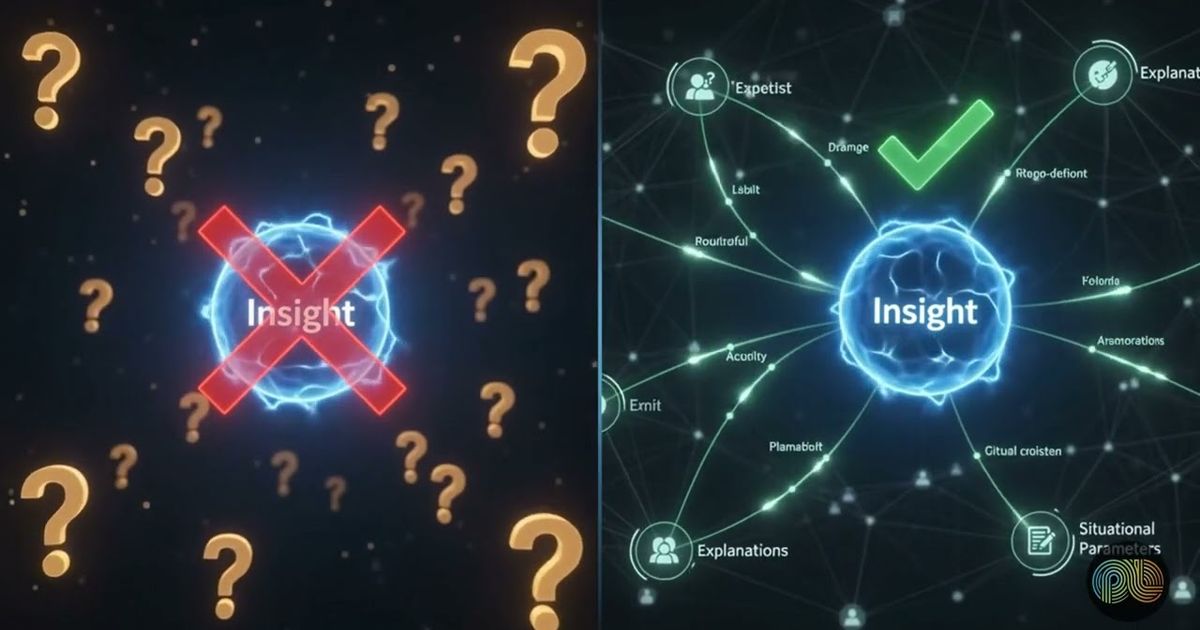
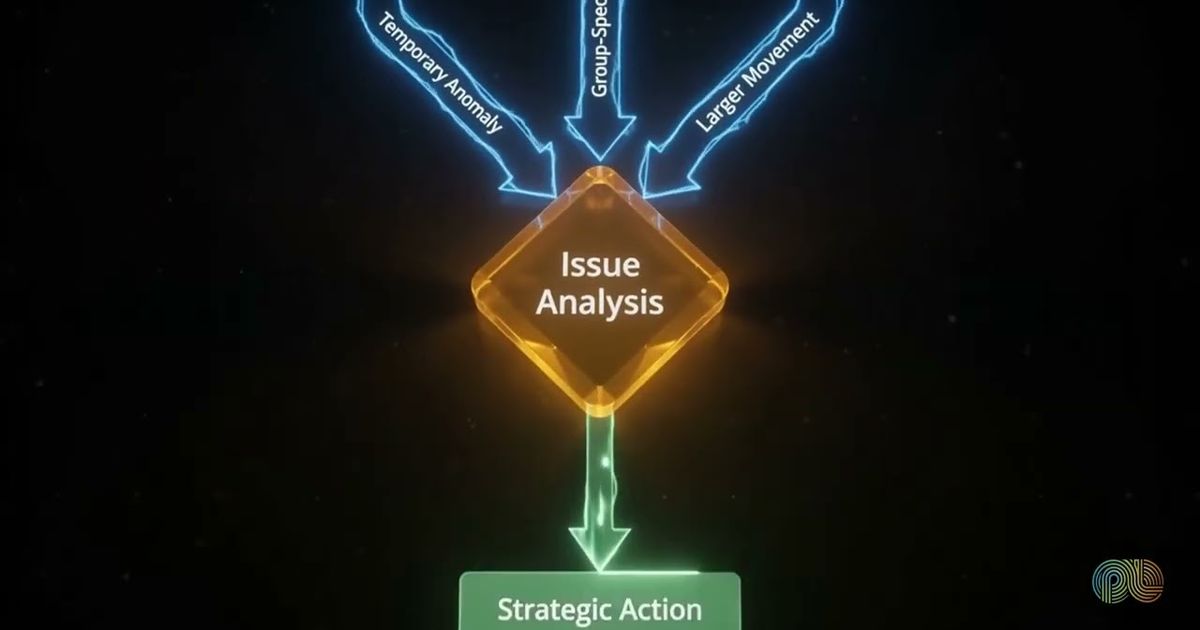
Without lifecycle management, useful evidence can disappear into disconnected reports, inconsistent storage systems, or undocumented decisions. A coordinated approach makes research easier to discover, validate, connect, and apply over time. The two-minute video above walks through the core ideas.
What is research lifecycle management?
Research lifecycle management provides a structure for managing research from the first question to its long-term use as organizational knowledge. Its purpose is to create continuity between projects, evidence, decisions, and future research.
The lifecycle begins before data collection. It includes how research requests enter the organization, how teams prioritize them, and how researchers translate them into objectives and methods. It continues through evidence collection, analysis, documentation, review, delivery, preservation, and reuse.
This broader perspective changes what counts as a research output. A report may be one deliverable, but the study also creates reusable evidence, methods, definitions, assumptions, decisions, and learning. Managing those assets makes future research faster to frame and easier to evaluate.
Clear ownership is essential throughout. Someone must be accountable for maintaining context, applying governance rules, recording decisions, and determining whether existing evidence remains relevant.
What stages are included in the research lifecycle?
The research lifecycle covers every stage that turns a question into evidence and preserves that evidence for later use. The stages may vary by organization, but they generally follow a connected sequence:
- Request and prioritize: Capture the business question, intended decision, urgency, audience, and existing knowledge.
- Plan and design: Define objectives, methodology, participants, evidence requirements, governance needs, and expected outputs. Strong research problems and objectives create direction for every later stage.
- Conduct and document: Create evidence while recording protocols, instruments, samples, fieldwork choices, changes, and limitations.
- Analyze and connect: Interpret the evidence, link findings to their sources, and relate new results to relevant previous work.
- Share and apply: Deliver findings in forms that help stakeholders make decisions, while retaining the supporting context.
- Preserve, reuse, and learn: Store research consistently, update knowledge when new evidence appears, and use completed work to shape future questions.
These stages are interdependent rather than isolated. Decisions made during intake affect design, documentation affects validation, and storage practices affect whether anyone can find the work again.

Why should organizations manage the full research lifecycle?
Managing the full lifecycle prevents weaknesses in one stage from reducing the value of every stage that follows. It also turns completed studies into durable knowledge assets instead of temporary project deliverables.
Poor documentation can make findings difficult to interpret or reuse. Weak connections between claims and evidence can obstruct later validation and synthesis. Inconsistent storage can leave teams unaware that useful research already exists, causing repeated work and conflicting conclusions.
A lifecycle approach addresses these problems by preserving context and connecting related evidence. Findings can be updated, compared with new research, and reused in later decisions. This creates a compounding effect: each completed study strengthens the organization’s evidence base rather than adding another disconnected file.
The result is closer to research as a living knowledge base, where organizational understanding evolves as evidence changes. Research becomes more discoverable, traceable, and useful beyond its original purpose.

How can AI support research lifecycle management?
AI can support recurring tasks across the lifecycle, but it should not replace researcher judgment. Its most useful role is helping teams organize, retrieve, document, analyze, and connect evidence while people retain responsibility for quality and relevance.
Potential applications include:
- Structuring incoming research requests and identifying missing information.
- Retrieving previous studies, findings, methods, and related evidence.
- Assisting with documentation during design, fieldwork, and analysis.
- Supporting analysis across large or varied evidence collections.
- Identifying connections, contradictions, patterns, and possible knowledge gaps.
- Helping teams discover insights that may inform future research.
Effective use still requires clear ownership and governance. Researchers must approve consequential choices, assess whether evidence is appropriate, and distinguish supported conclusions from plausible suggestions. AI assistance is valuable when it preserves context and provenance rather than producing outputs detached from the underlying research.
Key takeaways
- Research lifecycle management coordinates research from initial request through preservation, reuse, and learning.
- Every lifecycle stage affects the quality and usefulness of the stages that follow.
- Consistent documentation, evidence connections, and storage make previous work easier to validate and reuse.
- AI can assist across the lifecycle, but people remain responsible for governance, quality, and relevance.
- Treating findings as evolving knowledge assets creates a stronger evidence system over time.
How PulseLake helps
PulseLake keeps research objectives, methodology, evidence, analysis, and decisions within a persistent study context. Its research knowledge graph, cross-study search, evidence provenance, specialized agents, workflow automation, and delivery tools support work across the research lifecycle while researchers retain approvals and judgment. To discuss how this approach could fit your research operation, talk to our team.
Frequently asked questions
Is research lifecycle management the same as research project management?
No. Research project management focuses mainly on completing a specific study within agreed scope, timing, and resources. Research lifecycle management includes that work but extends further, covering intake, prioritization, governance, preservation, discovery, reuse, and learning across studies. Its concern is both successful project delivery and the long-term value of the resulting knowledge.
Who should own research lifecycle management in an organization?
Ownership may sit with research operations, an insights leader, a knowledge management function, or a shared governance group. Regardless of structure, responsibilities should be explicit. Teams need accountable owners for intake rules, documentation standards, evidence quality, access, retention, maintenance, and decisions about whether older findings remain relevant.
How can a team begin managing the research lifecycle?
Start by mapping how requests, studies, evidence, reports, and decisions currently move through the organization. Identify where context disappears, work becomes difficult to find, or ownership becomes unclear. Then establish a small set of shared stages, required metadata, documentation practices, storage rules, and review responsibilities before adding automation or more advanced technology.