Rubric-Based Evaluation for AI Outputs
Rubric-based evaluation defines clear criteria for judging AI outputs, helping teams produce more consistent reviews and targeted, repeatable feedback.

Rubric-based evaluation is a structured method for judging AI outputs against predefined quality criteria rather than general impressions. Reviewers assess the same dimensions—such as factual grounding, instruction following, reasoning, completeness, relevance, clarity, and uncertainty handling—so decisions become more consistent, transparent, explainable, and useful for improving the system.
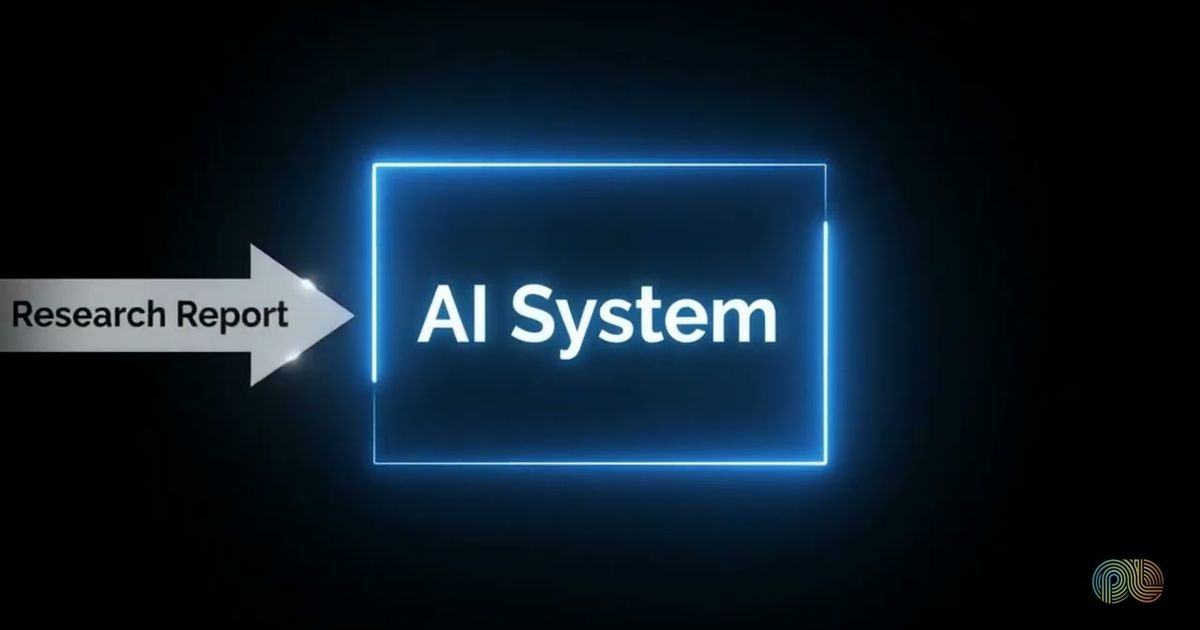
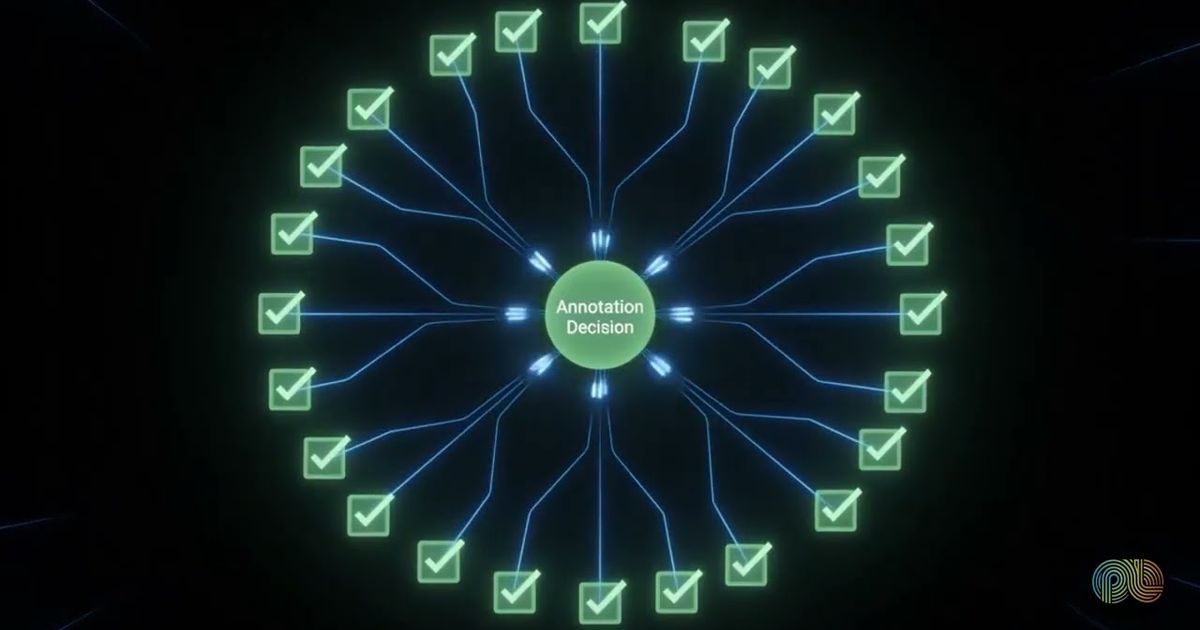
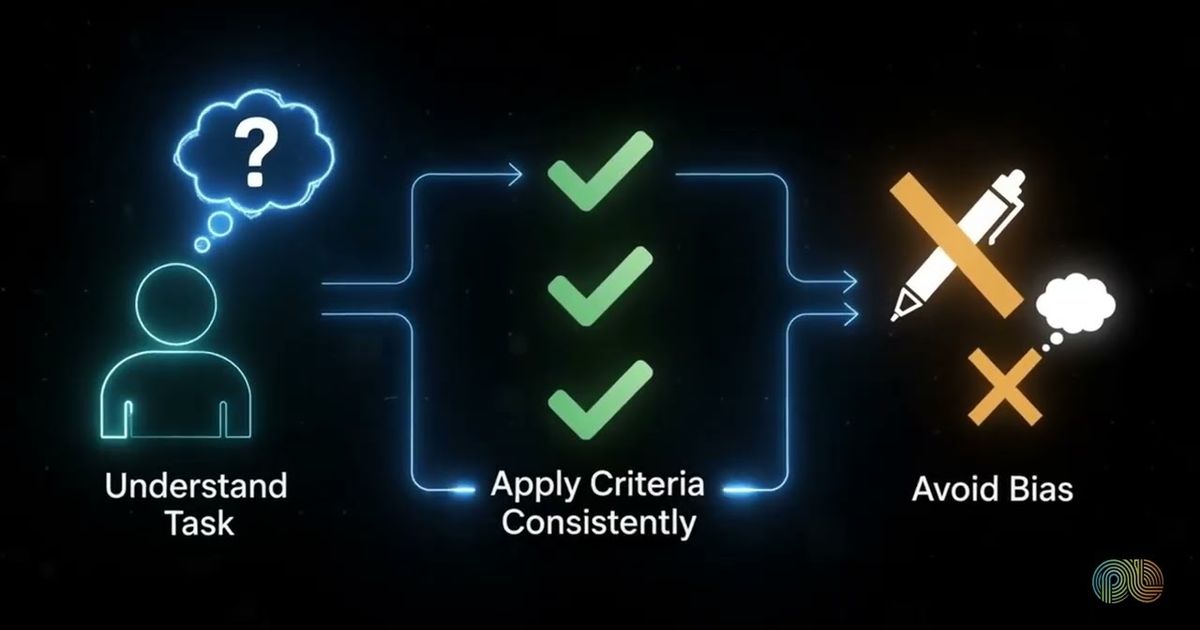
This matters because unstructured reviews can produce conflicting judgments even when reviewers examine the same response. Shared criteria make disagreements easier to diagnose and turn feedback into specific actions. The two-minute video above walks through the core ideas.
What is rubric-based evaluation?
Rubric-based evaluation assesses an AI response using a structured set of criteria defined before review begins. Instead of deciding whether an output simply feels good or bad, reviewers examine observable qualities and record where the response meets or misses expectations.
Without a rubric, one reviewer might prioritize factual accuracy while another emphasizes clarity or completeness. Both perspectives can be reasonable, but the resulting ratings may be difficult to compare because they reflect different standards.
A shared rubric creates a common frame of reference. Reviewers still exercise judgment, but they apply that judgment to the same dimensions using common expectations. This shifts discussion away from personal preference and toward evidence within the response, complementing broader methods for evaluating LLM outputs.
Which criteria belong in an AI evaluation rubric?
The right criteria depend on the task, but each one should represent a distinct and observable aspect of response quality. A practical AI evaluation rubric often covers the following dimensions:
- Factual grounding: Are claims supported by the available evidence or source material?
- Instruction following: Did the response satisfy the user’s stated requirements and constraints?
- Logical reasoning: Do the conclusions follow coherently from the evidence and analysis?
- Completeness: Does the response cover the important parts of the task without material omissions?
- Relevance: Does the content stay focused on the question being answered?
- Clarity: Is the response understandable, precise, and appropriately organized?
- Uncertainty handling: Does the output acknowledge limitations, ambiguity, or insufficient evidence where appropriate?
For example, reviewers evaluating an AI-generated literature summary should examine whether its claims match the cited material, whether it covers the requested themes, and whether its conclusions go beyond the evidence. These criteria make weaknesses identifiable rather than reducing the assessment to a vague impression that the summary seems incorrect.

How do you design a useful evaluation rubric?
Start with the intended task and define only the criteria needed to judge success. Then describe what reviewers should look for so each criterion can be applied consistently across multiple outputs.
- Define the task. Specify what the AI must produce, who will use it, and what requirements the response must satisfy.
- Choose relevant criteria. Select a focused set of quality dimensions that reflect the task’s real risks and objectives.
- Describe observable evidence. Explain what acceptable and weak performance look like for each criterion, using language reviewers can apply directly to the response.
- Test and refine the rubric. Have reviewers apply it to sample outputs, compare disagreements, and clarify criteria that produce conflicting interpretations.
The rubric should remain practical. Too many criteria can make reviews slow and may create overlap that reduces consistency. Too few can hide important weaknesses. Teams should aim for enough detail to support AI output verification without turning every evaluation into an unnecessarily burdensome exercise.

What mistakes make rubric-based evaluation less reliable?
Rubrics become less useful when criteria are vague, redundant, or disconnected from the intended task. They also fail when reviewers apply the labels without citing evidence from the output.
Common mistakes include:
- Using broad criteria such as “quality” without defining the qualities that count.
- Combining factual accuracy, relevance, and writing style into one rating that cannot reveal the actual problem.
- Adding so many criteria that reviewers lose focus or interpret overlapping dimensions differently.
- Applying the same generic rubric to tasks with different purposes, evidence needs, or risks.
- Treating a total score as sufficient without recording why individual criteria passed or failed.
A useful review identifies the specific weakness. The problem might be missing evidence, weak reasoning, incomplete coverage, an unsupported conclusion, or poor handling of uncertainty. That diagnostic detail improves communication among reviewers, researchers, and AI developers while making future changes more targeted and repeatable.
Key takeaways
- Rubric-based evaluation replaces general impressions with predefined, observable quality criteria.
- Shared criteria make reviewer disagreements easier to explain and resolve.
- Effective rubrics reflect the intended task and balance adequate coverage with practical review effort.
- Criterion-level evidence reveals whether an output has problems with grounding, reasoning, completeness, relevance, clarity, or uncertainty.
- Specific feedback supports more repeatable improvements than a vague overall judgment.
How PulseLake helps
PulseLake keeps objectives, methodology, evidence, and decisions in a persistent study context, giving reviewers a stronger basis for assessing AI-assisted research outputs. Its governance, lineage, approval, and QA capabilities can support repeatable review workflows while researchers retain judgment and approvals. To discuss how rubric-based evaluation can fit into an AI-native research system, talk to our team.
Frequently asked questions
Can rubric-based evaluation remove all reviewer subjectivity?
No. Reviewers still interpret evidence and make judgments, especially when response quality falls between clearly defined levels. A rubric reduces avoidable variation by ensuring that everyone considers the same dimensions and expectations. It also makes remaining disagreements visible, so reviewers can discuss the criterion and evidence rather than relying on overall impressions.
Should every AI task use the same evaluation rubric?
No. Some criteria, such as factual grounding and instruction following, apply broadly, but their importance and interpretation depend on the task. A literature summary may require careful source coverage, while a client-facing explanation may place greater weight on clarity and relevance. The rubric should reflect the intended use, evidence requirements, and consequences of errors.
How can teams resolve disagreements between rubric reviewers?
Reviewers should compare their ratings criterion by criterion and identify the specific evidence that led to each judgment. If disagreement comes from different interpretations of a criterion, the rubric may need a clearer definition or better examples. Repeated disagreement is useful diagnostic information because it can reveal ambiguous standards rather than poor reviewer performance.
Is a single overall score enough to evaluate an AI response?
An overall score can help summarize performance, but it should not replace criterion-level findings. Two outputs can receive the same total score while having very different weaknesses, such as unsupported claims in one and incomplete coverage in the other. Recording evidence for individual criteria makes feedback more actionable and supports targeted improvement.