Expert vs. Crowd Annotation: How to Choose
Expert vs. crowd annotation matches specialists to nuanced, high-stakes labels and trained groups to clear tasks requiring consistent review at scale.

Expert vs. crowd annotation is a choice between specialized judgment and distributed labeling. Experts suit nuanced, technical, or high-stakes decisions, while trained crowd annotators can handle well-defined classifications efficiently. The right approach matches reviewer expertise to task complexity instead of treating either type of reviewer as universally better.
This choice matters because annotation quality affects datasets, evaluations, and the decisions built on them. Matching tasks to reviewers can improve consistency while reserving scarce expertise for cases where it adds value. The two-minute video above walks through the core ideas.
What is the difference between expert and crowd annotation?
Expert annotation uses reviewers with substantial subject knowledge, while crowd annotation distributes clear labeling tasks across a larger group of trained reviewers. The difference is the judgment required, not the inherent capability of either group.
Experts understand specialized terminology, interpret complex evidence, and recognize subtle distinctions that may be difficult to express as simple rules. Their knowledge is particularly valuable when annotations influence scientific research, regulated work, strategic decisions, or technical domains where small misunderstandings can have serious consequences.
Crowd annotation works best when tasks are well defined and supported by explicit decision rules. Reviewers may not need deep domain expertise if they can learn the definitions, apply them consistently, and escalate cases outside the guidance.
Distributed labeling can process large data volumes efficiently, but quality still depends on training, clear instructions, validation, and quality control. Strong annotation guidelines help turn abstract categories into repeatable decisions.

How should you choose between expert and crowd annotation?
Choose according to the task’s complexity, ambiguity, and consequences. Use experts when labels require specialized interpretation; use trained crowd annotators when explicit instructions can reliably determine the answer.
Consider four questions:
- Does the task require domain knowledge? Specialized language, technical evidence, or professional standards may require expert review.
- Can the decision become a clear rule? Crowd annotation fits when definitions and examples cover most cases.
- What are the consequences of an error? High-stakes mistakes justify greater expertise and oversight.
- How much ambiguity remains after training? Persistent disagreement may reveal unclear categories or a need for specialists.
Do not choose solely on assumptions about reviewer prestige or processing speed. An expert may be unnecessary for repetitive classifications, while a large crowd cannot compensate for a task that depends on specialist judgment.
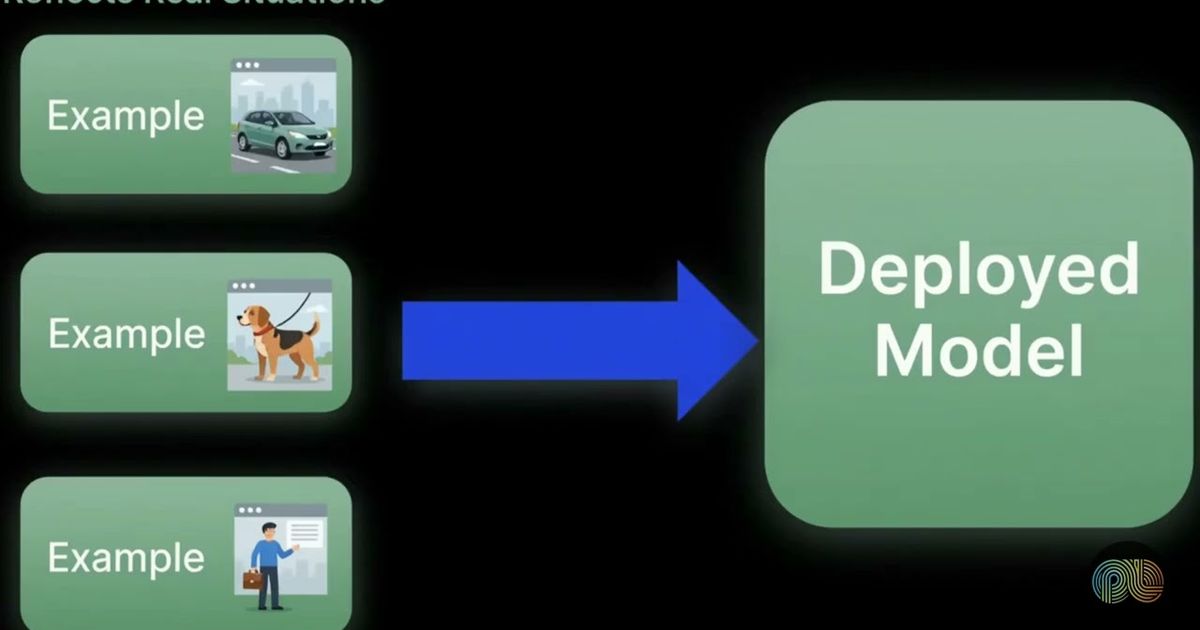
Pilot the instructions on representative records before assigning the full dataset. If trained nonexperts can apply the rules consistently, broader distribution may be suitable. If important disagreements remain because the evidence requires interpretation, expert involvement will likely add value.
Can expert and crowd annotation be combined?
Yes. A layered workflow can assign routine labels to crowd annotators while experts handle difficult cases, resolve disagreements, and refine annotation standards. This balances efficient processing with informed judgment.
A hybrid workflow typically has four stages:
- Define the task. Establish categories, examples, decision rules, and escalation criteria.
- Label routine cases. Trained crowd annotators apply the standard to cases covered by the guidance.
- Escalate uncertainty. Experts review ambiguous items, edge cases, and reviewer disagreements.
- Refine the standard. Recurring problems inform clearer definitions and improved instructions.
This structure prevents experts from becoming a bottleneck while directing their attention to decisions where expertise creates the greatest value. Difficult cases also reveal gaps in the guidance, creating a feedback loop that can improve later annotations.
The division of work should remain adjustable. A category that repeatedly causes disagreement may need specialist review or redesign. A decision that becomes stable and teachable may be moved to trained crowd reviewers.

What quality controls make annotation reliable?
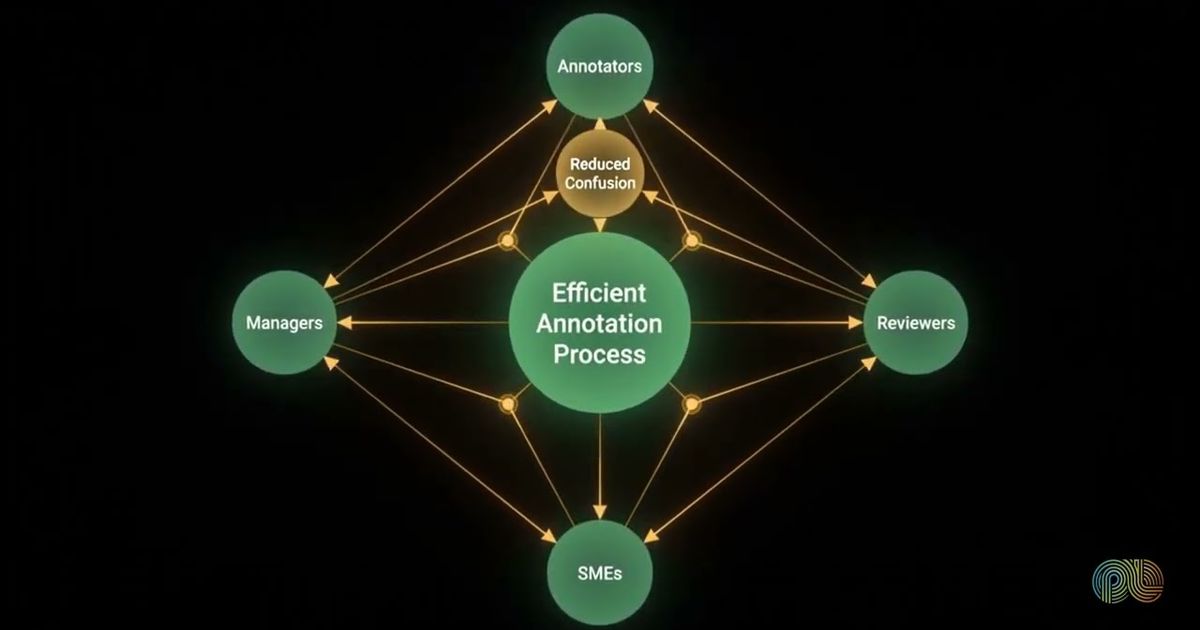
Reliable annotation requires operational definitions, reviewer preparation, ongoing validation, and a process for resolving uncertainty. These controls apply to both experts and crowds because expertise alone does not guarantee consistent interpretation.
Guidelines should explain what each label includes and excludes, supported by representative examples and boundary cases. Reviewers also need instructions for missing evidence, conflicting information, abstention, and escalation.
Useful controls include:
- Training reviewers on shared examples before production begins.
- Comparing overlapping annotations to identify disagreement patterns.
- Reviewing difficult or consequential cases separately.
- Tracking revisions to labels, definitions, and instructions.
- Revalidating the process when the data or standards change.
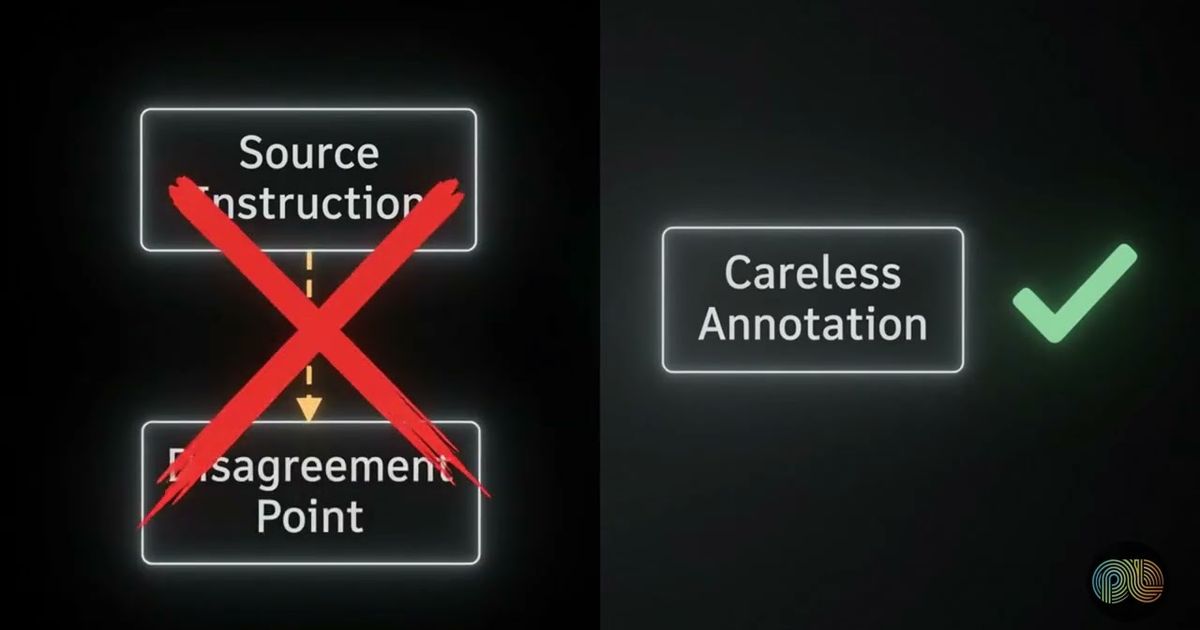
Disagreement does not always mean that reviewers performed poorly. It may expose ambiguous categories, incomplete guidance, or genuinely complex evidence. Effective annotation quality control investigates why reviewers differ rather than merely forcing agreement.
As datasets and organizational knowledge grow, new terminology and edge cases can make earlier standards incomplete. Treat annotation guidance as a maintained research asset rather than a one-time document.
Key takeaways
- Expert annotation fits specialized, nuanced, technical, or high-stakes decisions.
- Crowd annotation fits well-defined tasks supported by clear rules, training, and validation.
- Reviewer expertise should match the complexity and consequences of each annotation decision.
- Hybrid workflows use crowd reviewers for routine labels and experts for ambiguity and disagreement.
- Quality controls are essential regardless of who performs the annotation.
How PulseLake helps
PulseLake can keep research objectives, methodology, evidence, decisions, and annotation context together. Its ontology, governance, and lineage foundations can preserve definitions and provenance, while workflow automation can support approvals, QA, and repeatable reviews. To discuss how these capabilities could support your research system, talk to our team.
Frequently asked questions
Do crowd annotators need subject-matter training?
Crowd annotators need enough training to understand the categories, examples, decision rules, and escalation process, but they do not always need deep subject expertise. If correct labeling depends on knowledge that cannot be captured in practical instructions, experts should perform the task or review uncertain cases.
When should an annotation disagreement go to an expert?
Escalate a disagreement when reviewers cannot resolve it using the documented rules, the evidence requires technical interpretation, or an incorrect label could have significant consequences. Repeated disagreements about the same category should also prompt a review of the definitions and examples.
Is expert annotation always more accurate than crowd annotation?
No. Experts can interpret specialized material, but unclear instructions can still produce inconsistent decisions. For straightforward tasks with explicit rules, trained crowd annotators can generate dependable labels when the workflow includes validation, quality control, and escalation.