Qualitative Coding at Scale
Qualitative coding at scale combines consistent codebooks, human review and AI assistance to analyze growing evidence without sacrificing rigor or nuance.

Qualitative coding at scale is the disciplined application of consistent coding frameworks across large, growing collections of interviews, open-ended responses, field notes, support conversations and observations. It expands analytical capacity while protecting interpretive quality, so evidence stays comparable across reviewers, studies and time without stripping away context or nuance.
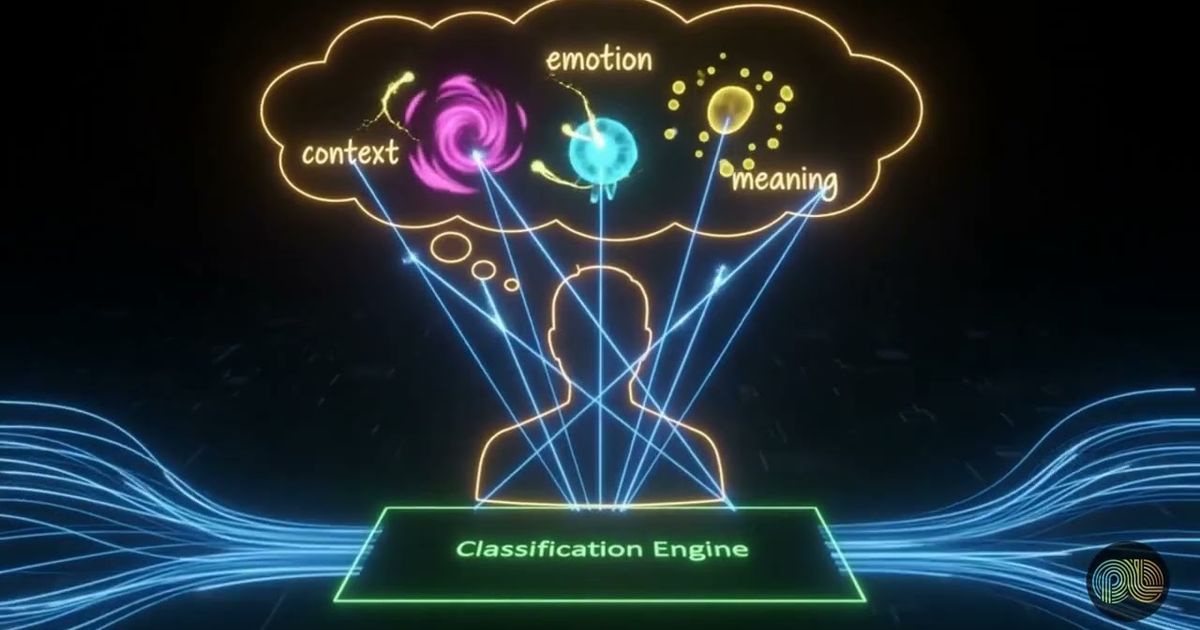
This matters because processing more material is useful only when researchers can preserve thoughtful interpretation and methodological rigor. The two-minute video above walks through the core ideas.
What is qualitative coding at scale?
Qualitative coding at scale applies structured coding practices to evidence that spans many records, studies or collection periods. Its purpose is to increase analytical capacity while keeping findings consistent enough to compare and combine.
The underlying sources can include interview transcripts, open-ended survey answers, observational records, field notes and customer support conversations. Researchers assign codes to relevant passages, then use those coded segments to examine themes, relationships, differences and emerging concepts.
Scale changes the analytical problem. A single researcher may be able to hold the context of a small study in mind, but that becomes difficult as evidence accumulates and more reviewers participate. Without a shared framework, similar passages may receive different labels, while identical labels may take on different meanings across projects.
Structured coding creates a common analytical language. It makes evidence easier to synthesize across studies and supports finding themes in thousands of responses without treating qualitative data as interchangeable units. The goal is not simply faster categorization; it is consistent interpretation that remains connected to the original evidence.
How do you build a codebook for large qualitative datasets?
Start with a well-defined codebook that explains what each code means, when it should be used and what representative examples look like. Researchers also need shared rules for applying, reviewing and revising those codes.
A practical codebook should include:
- A clear code name: Use language that reviewers can distinguish from related concepts.
- A precise definition: State the meaning of the code and the idea it represents.
- Inclusion criteria: Explain the conditions under which reviewers should apply it.
- Exclusion criteria: Clarify where a similar passage does not qualify.
- Representative examples: Show how the code appears in real or illustrative evidence.
- Notes on related codes: Explain important overlaps, distinctions or dependencies.
Consistency also requires calibration. Reviewers can code a shared sample, compare their decisions and discuss disagreements before moving into larger volumes. The objective is not to eliminate informed judgment, but to reduce avoidable variation caused by unclear definitions or inconsistent practices.
Stable coding structures create stronger foundations for combining evidence across projects. They also make longitudinal analysis more practical because researchers can compare themes across extended periods. Guidance on maintaining label consistency can help teams treat code definitions as shared research infrastructure rather than personal shorthand.

What role should AI play in qualitative coding?
AI should assist with repetitive pattern-finding and organization, while human researchers retain responsibility for interpretation and analytical decisions. This division of work can expand capacity without delegating nuanced reasoning to an automated system.
AI can help researchers:
- Suggest candidate codes for passages.
- Group responses that appear similar.
- Highlight potential themes or patterns for review.
- Surface material that may not fit the current framework.
Researchers still need to evaluate whether those suggestions reflect the intended meaning. They refine definitions, resolve ambiguous passages and distinguish between superficially similar comments that have different implications in context.
Human review is especially important when new concepts appear. A fixed framework can overlook ideas that were not anticipated when the codebook was created. Researchers must decide whether a new observation represents an existing code, a useful subcode, a genuinely emerging theme or an isolated case.
The most effective arrangement is therefore collaborative: AI increases the volume of material that can be organized and inspected, while researchers protect context, challenge weak groupings and approve changes to the coding framework.

How do you maintain coding quality as evidence grows?
Qualitative coding at scale requires continuous governance, not a one-time setup. Codebooks, quality checks and review practices must evolve as new evidence, reviewers and research questions enter the system.
Useful governance practices include periodically reviewing coded samples, documenting decisions about ambiguous cases and checking whether reviewers still apply definitions consistently. When a code changes, teams should record what changed and consider whether previously coded evidence needs another look.
Quality management should also preserve traceability. Researchers need to connect a theme or conclusion back to the underlying excerpts, source records and study context. This makes it possible to review interpretations rather than accepting a summary without knowing how it was produced.
A codebook should be stable enough to support comparison but flexible enough to represent emerging evidence. Changing definitions too casually can break longitudinal comparability; refusing to change them can conceal new concepts. Thoughtful governance balances both needs and turns growing qualitative collections into reusable organizational knowledge.
Key takeaways
- Qualitative coding at scale expands analytical capacity while preserving methodological rigor and contextual interpretation.
- Clear code definitions, application rules and examples reduce avoidable variation between reviewers.
- Stable coding structures support cross-study synthesis and longitudinal comparison.
- AI can suggest codes and patterns, but researchers must resolve ambiguity and interpret nuanced meaning.
- Continuous governance keeps codebooks, quality checks and coding decisions aligned with new evidence.
How PulseLake helps
PulseLake keeps qualitative evidence, methodology, analysis and decisions within a persistent study context. Its qualitative analysis agents can support coding and pattern review, while researchers retain judgment and approvals; research intelligence, provenance and cross-study search help preserve traceability and reuse findings across projects. To explore how this can support your qualitative research workflows, talk to our team.
Frequently asked questions
Can one codebook be used across multiple qualitative studies?
A shared codebook can support comparison across studies when the research questions, concepts and evidence are sufficiently related. Teams should preserve stable core definitions while documenting study-specific extensions or exceptions. If the same label means different things in different projects, cross-study synthesis becomes unreliable even when the code names appear consistent.
How often should a qualitative codebook be updated?
A codebook should be reviewed whenever new evidence exposes ambiguity, overlap, missing concepts or inconsistent application. Updates should be deliberate rather than constant, because frequent untracked changes weaken comparability over time. Researchers should document revisions and assess whether earlier material needs to be recoded under the new definition.
Can AI code qualitative data without human review?
AI can propose codes, group similar responses and highlight possible patterns, but those outputs still require human review. Meaning often depends on context, tone, research objectives and distinctions that automated grouping may miss. Researchers remain responsible for refining the framework, resolving uncertainty, recognizing emerging concepts and approving the final interpretation.