Dataset Versioning Explained
Dataset versioning preserves each meaningful data state, making AI evaluations reproducible, changes traceable, and collaboration more reliable.
Dataset versioning is the practice of preserving identifiable, documented states of a dataset as meaningful changes occur. Each version captures the data’s contents, annotation standards, quality improvements, and structural changes. Keeping earlier versions intact makes research results reproducible and helps teams explain differences between model evaluations over time.
Datasets evolve as teams add examples, correct labels, refine guidelines, and respond to changing research priorities. A clear version history prevents those updates from becoming hidden variables in analysis and evaluation. The short video above walks through the core ideas.
What is dataset versioning?
Dataset versioning creates a distinct, traceable record whenever a dataset changes in a meaningful way. Instead of overwriting the existing dataset, the team preserves its prior state and assigns an identifiable version to the updated state.
A version can reflect changes to more than individual records. It may capture revised label definitions, corrected annotations, new quality checks, altered data structures, or changes in the examples included. The goal is not to preserve every temporary edit but to identify the dataset state used for a particular research activity or evaluation.
Treating datasets as living research assets recognizes that their meaning can change alongside their contents. Two files may contain many of the same examples but still represent different datasets if reviewers applied different annotation standards. Versioning makes that distinction explicit rather than leaving future researchers to infer it.
Dataset versioning is therefore both a technical and methodological practice. The stored data matters, but so do the rules, decisions, and quality processes that produced it.
Why does dataset versioning matter for AI evaluation?
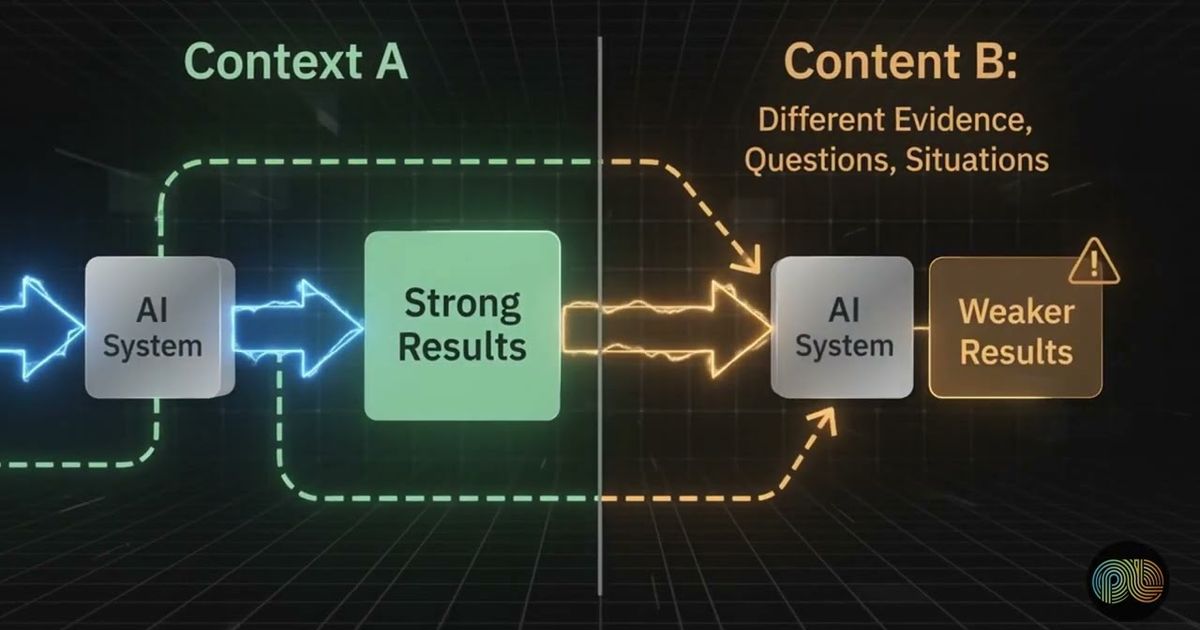
Dataset versioning makes performance comparisons interpretable by showing whether the underlying evaluation data changed. Without it, teams may incorrectly attribute a better or worse result to a model when revised labels, examples, or standards caused the difference.
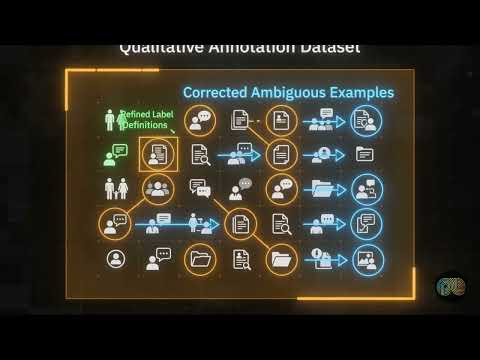
Consider a qualitative annotation dataset whose label definitions contain ambiguity. A research team clarifies the definitions and corrects examples that reviewers previously interpreted inconsistently. A later model evaluation may produce different results, but the comparison is misleading unless reviewers know that the dataset changed between runs.
Distinct versions allow teams to:
- Reproduce an earlier evaluation using the same dataset state.
- Investigate unexpected changes in model behavior.
- Separate model changes from changes in evaluation data.
- Compare results while accounting for revised annotation standards.
- Trace which evidence supported a development or governance decision.
Versioning does not make an evaluation reproducible by itself. Teams must also preserve relevant model, configuration, prompt, code, and analysis details. However, the dataset version is a critical part of that record because evaluations cannot be interpreted reliably when their evidence base is uncertain.
What should a dataset version record?
An effective dataset version records the data state and the context needed to understand it. That context should explain what changed, why it changed, which standards applied, and how the team checked the update.
Useful version documentation includes:
- Contents: The examples, labels, metadata, and fields included in the version.
- Change rationale: The problem, research priority, or quality concern that prompted the update.
- Annotation standards: The definitions and annotation guidelines used to classify or interpret the data.
- Structural changes: Added, removed, renamed, or reformatted fields and categories.
- Quality control: The review, validation, or correction process applied before release.
- Expected impact: The anticipated effect on analysis, training, or evaluation.
A concise change log helps collaborators understand a version without reconstructing its history from messages or file names. Stable identifiers also allow reports and evaluation records to reference the exact dataset state they used.
Documentation should distinguish observed changes from expected outcomes. For example, a team can state that ambiguous labels were corrected and that consistency is expected to improve. It should not claim an actual improvement until an appropriate evaluation confirms it.

How should teams manage dataset versions?
Teams should create versions through a repeatable process that preserves prior states and connects each release to its documentation and uses. The process should be rigorous enough to support traceability without turning every minor working edit into a formal release.
A practical workflow has four stages:
- Define the version trigger. Decide which changes are meaningful enough to affect interpretation, reuse, training, or evaluation.
- Preserve the prior state. Keep the earlier dataset immutable so previous work can be reproduced.
- Document the new state. Record changes, rationale, applicable guidelines, quality control, and expected impact.
- Link uses to versions. Reference the exact dataset identifier in evaluations, reports, experiments, and decisions.
Teams should assign ownership for approving releases and maintaining documentation. Review is especially important when a change alters label meaning, population coverage, inclusion rules, or dataset structure. These updates can affect comparability even when the number of changed records is small.
Versioning also works best as part of continuous dataset improvement. Quality issues discovered during analysis should feed into a controlled update process rather than being silently corrected in place. This creates a transparent history of how the dataset and the systems relying on it evolved together.

Key takeaways
- Dataset versioning preserves identifiable states instead of overwriting earlier datasets.
- Each version should document its contents, standards, changes, quality controls, and rationale.
- Version history helps separate model performance changes from changes in evaluation data.
- Linking evaluations to exact dataset versions supports reproducibility, collaboration, and AI governance.
- Teams should treat datasets as living research assets managed through controlled, documented updates.
How PulseLake helps
PulseLake keeps methodology, evidence, decisions, governance, and lineage within a persistent study context. Its research knowledge graph and cross-study search help teams preserve provenance, while workflows can support repeatable approvals and QA around evolving research assets. To discuss managing versioned research evidence across your organization, talk to our team.
Frequently asked questions
Does every dataset edit require a new version?
Not every temporary correction or working edit needs a formal version. Teams should create a version when changes could affect interpretation, reproducibility, training, analysis, or evaluation. The threshold should be defined consistently so collaborators know whether a dataset identifier represents a stable release or an unfinished working state.
How is dataset versioning different from making backups?
A backup protects data from loss by preserving copies at particular points in time. Dataset versioning adds methodological context, including what changed, why it changed, which annotation standards applied, and how quality was checked. Backups support recovery, while documented versions support comparison, reproducibility, governance, and responsible reuse.
Can a dataset version reproduce an entire AI evaluation?
A dataset version is necessary but usually not sufficient to reproduce an AI evaluation. The team may also need the model version, prompts, code, parameters, environment, and analysis rules used during the run. Recording all these elements together makes it possible to investigate whether changed results came from the data, the system, or the evaluation procedure.
Should older dataset versions ever be deleted?
Older versions should generally remain available when they support past evaluations, research findings, audits, or governance decisions. Retention still needs to follow applicable privacy, consent, security, and data lifecycle requirements. If a version must be removed, teams should document what was removed and how that affects the reproducibility of earlier work.