Continuous Dataset Improvement Explained
Continuous dataset improvement uses ongoing review, correction, expansion, and governance to make data more reliable for research, evaluation, and AI.

Continuous dataset improvement is the ongoing practice of reviewing, correcting, expanding and enriching a dataset for as long as it's in use. Data is treated as a knowledge asset that keeps evolving, not a finished product. New annotations, reviewer feedback, research projects and model evaluations all feed back in, making later analysis and AI systems more reliable.
No dataset is right on the day it ships. The useful question is how it gets better afterward. A dataset that improves in small, controlled steps helps the research you're doing now and gives future AI development and evaluation a firmer base. It also lets you fix weaknesses without redesigning everything or breaking established workflows.
What is continuous dataset improvement?
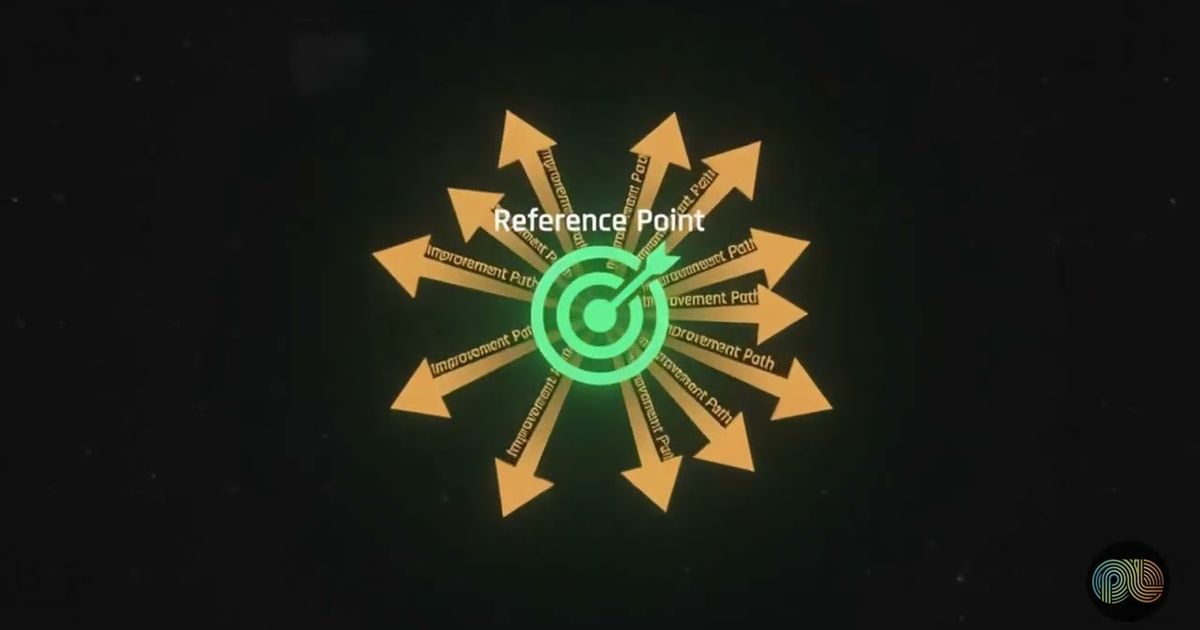
A managed cycle: watch how the data performs, find weaknesses, make targeted changes, validate the result. Improvements arrive regularly, in response to new evidence and changing research needs, so nobody sits waiting for a major rebuild.
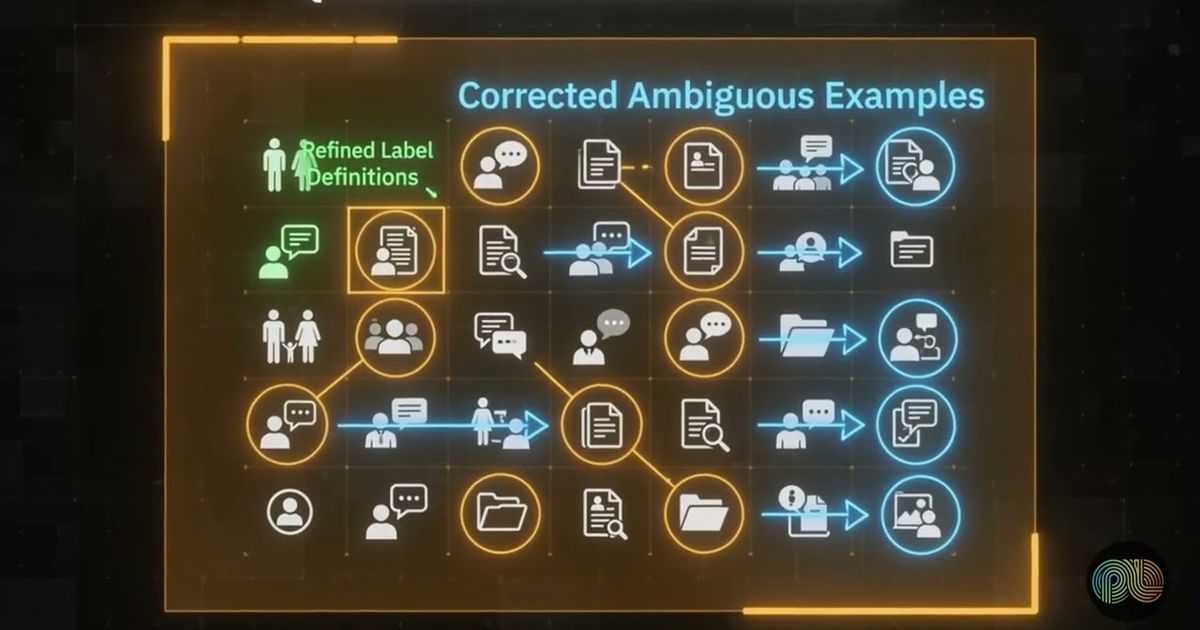
What triggers a change? A new annotation, a reviewer discussion, a model evaluation or a research project that shows something missing or unclear. The usual outcomes are corrected labels that were inaccurate or inconsistent, plus added examples for underrepresented scenarios. Categories that reviewers read differently get refined, records are enriched with useful context or metadata, and annotation guidance is revised to reflect decisions that have been settled.
Change for its own sake isn't the goal. Each update should answer an observed need and leave the dataset more useful, more representative or more dependable than before.
What mistakes should you avoid when refining datasets?
Going to either extreme. Treat the dataset as permanently finished and it goes stale; treat it as endlessly editable with no controls and nobody trusts it. A sound process is responsive and keeps clear standards.
Common problems:
- Expanding the dataset without naming the weakness the new data is meant to fix.
- Assuming every model failure calls for an algorithm change.
- Changing label definitions or correcting records without updating the guidelines and recording the dataset version and rationale.
- Chasing individual errors while ignoring repeated patterns.
- Adding new categories without checking how they affect earlier analyses.
Continuous dataset improvement should make results more reliable. If people can no longer tell which data or definitions produced a result, it has done the opposite.
How do you find opportunities to improve a dataset?
Watch it being used. The best opportunities usually show up when people and systems put the data to real work, so reviewers should note recurring confusion, missing examples, unclear categories and scenarios the original annotation effort never covered.
The loop has four stages. Observe use by looking at annotations, analyses, reviewer discussions and model behavior. Find weaknesses, separating one-off errors from repeated patterns that point to a broader problem. Refine the dataset: correct records, add representative examples or clarify guidance. Then validate the change, reviewing the update before you release a new dataset version.
Our bet is that step one's paperwork is the weak spot. Feedback gets lost in meeting notes and hallway conversations, and the cycle only works when that feedback becomes a traceable input. Strong annotation quality control helps teams turn reviewer findings into consistent corrections.

How should model evaluations guide dataset changes?
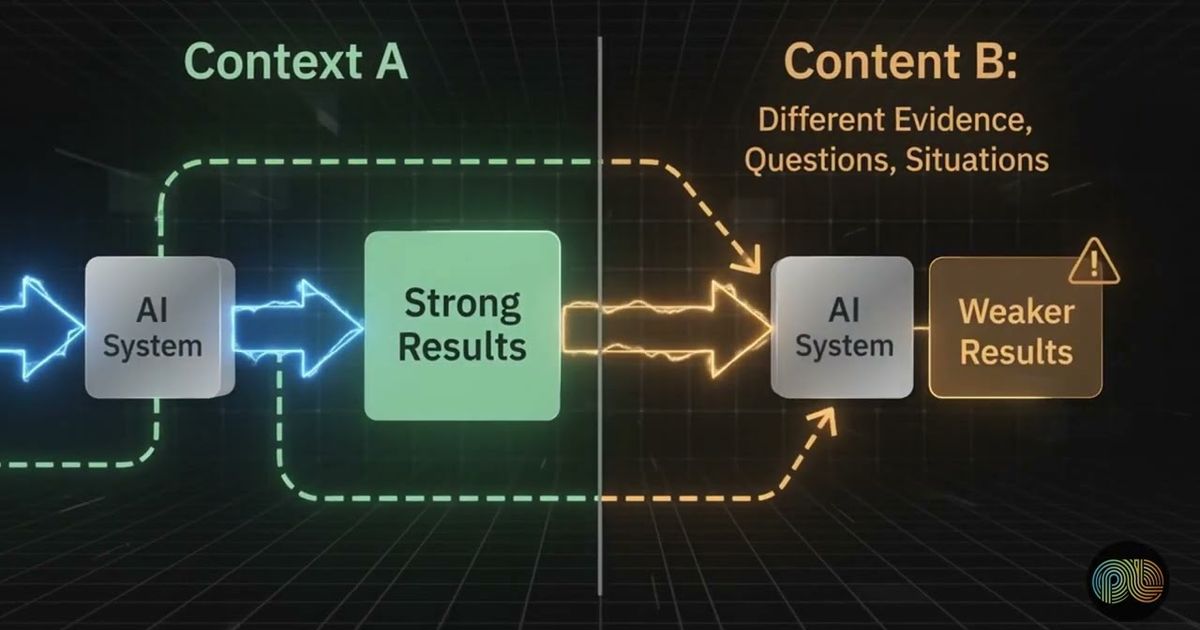
Carefully. Model evaluations can expose weaknesses in training, reference or benchmark data, but a model error doesn't automatically prove the data is at fault. Ask whether repeated failures cluster around missing examples, ambiguous labels, inconsistent annotations or poorly defined concepts.
If the dataset really is the cause, the fix might be adding representative cases, refining the annotation guidelines or clarifying where one category ends and another begins. Those changes can do more than endlessly tuning an algorithm that simply lacks suitable evidence.
Then keep evaluating. Comparing performance across documented dataset versions tells you whether the change fixed the failure pattern or introduced new inconsistencies. That makes continuous AI evaluation part of the dataset's learning loop, instead of a final pass-or-fail gate.
How can datasets improve without losing consistency?
Through disciplined governance. A dataset can keep changing and still stay transparent and comparable, provided every material update is versioned, reviewed, auditable and tied to a written rationale.
Versioning shows which records, labels or guidelines changed, and when. Quality reviews test whether a proposed update follows current standards; annotation audits check whether those standards are being applied consistently. Decision histories keep the reasoning behind category changes and disputed cases.
One rule we'd hold firmly: never silently overwrite an earlier version. Keeping lineage is what lets you reproduce a past analysis, compare evaluations fairly and explain why a result moved. Governance, seen this way, helps improvement along. What you're after is controlled evolution with a clear record of the evidence, decisions and approvals behind it.

How PulseLake helps
PulseLake keeps research objectives, methodology, evidence and decisions in a persistent study context, so teams can hold on to the reasoning behind dataset changes. Its research knowledge graph, cross-study search, ontology, governance and lineage capabilities support traceable knowledge that keeps improving across projects. To discuss how this could fit your research system, talk to our team.
Frequently asked questions
How often should a research dataset be updated?
Whenever new evidence, annotations, evaluations or use cases expose a meaningful weakness. You can update on a regular schedule or in response to defined triggers, but every change should go through the same review and versioning process. The right frequency depends on how fast the research domain, the source data and the intended applications change.
How can you tell whether an AI failure comes from the model or the dataset?
Check whether failures keep happening around the same concepts, categories or underrepresented scenarios. Missing examples, inconsistent labels and ambiguous annotation rules point to the dataset, while failures that persist even with clear, representative evidence may need model changes. Testing a documented dataset refinement can help you tell the two apart.
Why should organizations retain older dataset versions?
They protect reproducibility, lineage and fair comparison across analyses or model evaluations. Without them, a team may not be able to explain why a result changed or which labels and examples shaped an earlier decision. Keeping versions doesn't mean every copy stays in active use; the history just stays accessible and documented.