Continuous Dataset Improvement
Continuous dataset improvement uses ongoing review, correction, expansion, and governance to make data more reliable for research, evaluation, and AI.
In the full article
Read the video transcript
This transcript was generated from captions and may contain recognition errors.
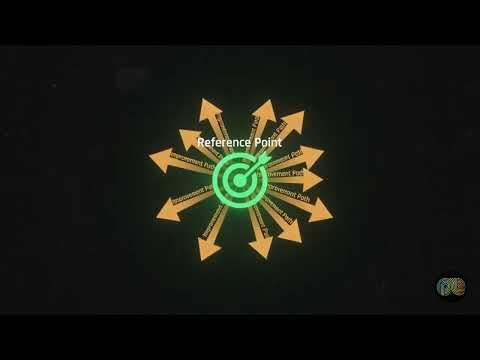
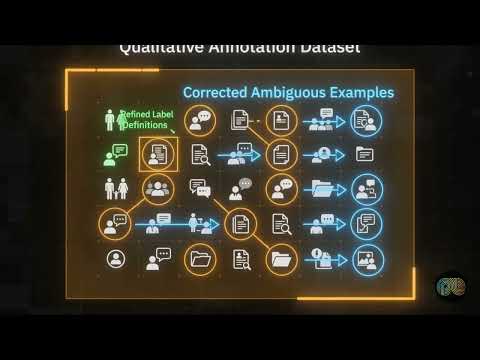
A data set should never be viewed as a finished product. Every new annotation, reviewer, discussion, model evaluation, and research project reveals opportunities to improve the quality of the data that future AI systems will depend upon. Continuous data set improvement transforms data sets from static resources into evolving knowledge assets that become more reliable with every refinement. Continuous data set improvement is the ongoing practice of reviewing, expanding, correcting, and enriching data sets throughout their life cycle. Instead of waiting for major redesigns, organizations make regular improvements based on observed weaknesses, changing research needs, and new evidence. This steady approach allows quality to increase without disrupting existing workflows. Improvement often begins by studying how the data set performs in real use. Reviewers may discover inconsistent labels, missing examples, unclear categories, or scenarios that were not represented during the original annotation effort. Correcting these issues strengthens both current analyses and future AI development because the underlying data better reflects the complexity of real research. Model evaluations also provide valuable feedback. If AI systems repeatedly struggle with particular concepts, the cause may lie in the data set rather than the model itself. Adding representative examples, refining annotation guidelines, or clarifying ambiguous labels often produces more meaningful improvements than simply adjusting algorithms. Continuous improvement requires disciplined governance to preserve consistency while introducing beneficial changes. Versioning, quality reviews, annotation audits, and documented decision histories help organizations refine data sets without losing transparency or comparability. When data sets are treated as continuously improving research assets, they support stronger AI systems, more dependable evaluations, and organizational knowledge that grows in both quality and usefulness over time.