Gold Standard Datasets for Reliable AI Evaluation
Gold standard datasets provide trusted, expert-reviewed reference examples for evaluating AI systems, comparing versions, and measuring real improvement.
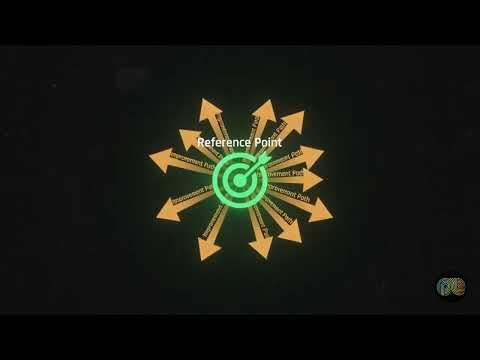
Gold standard datasets are collections of examples whose labels, annotations or expected outputs have been validated to the highest practical level of confidence. They give you dependable reference points for evaluating AI systems, comparing prompts or model versions, and telling whether a change in performance is real improvement or just shifting expectations.
A test that keeps moving gives scores that mean nothing. That's the whole case for reference data like this: it makes evaluation credible and repeatable, and it keeps paying off as automated research analysis improves.
What is a gold standard dataset?
A carefully reviewed set of examples that captures an organization's best-supported view of the right answer. In machine learning circles you'll also hear "golden dataset." Perfect data isn't the target. A dependable evaluation reference is.
Each example can carry a validated label, annotation, classification, extracted field, theme, score or expected output. Experienced reviewers usually apply documented criteria, check each other's decisions for consistency and refine the data over several rounds of quality assurance.
Why it bites: picture an AI system that finds themes in interview transcripts. Reviewers read one passage differently and have no shared rules? Then the "expected" themes depend on who did the labeling. A gold standard fixes that. It records reviewed outcomes under clear annotation guidelines, including how to treat ambiguous cases.
How do you build a gold standard dataset?
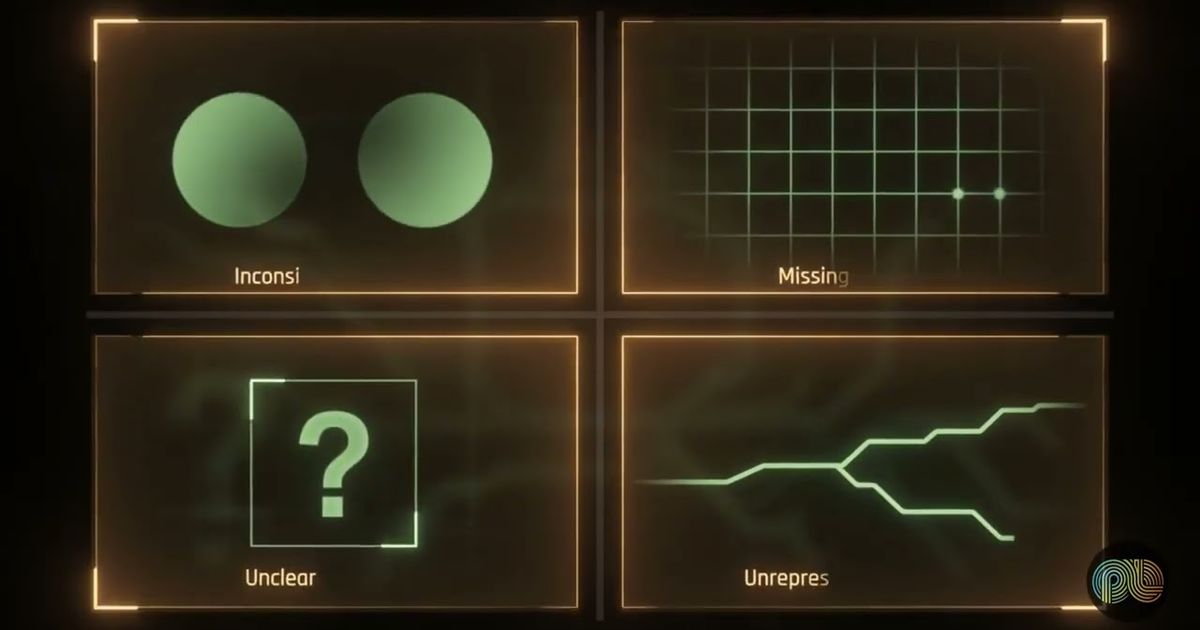
You need explicit evaluation criteria, representative examples, expert review and documented quality controls. Make judgments consistent. Don't paper over genuine uncertainty.
In practice, four steps:
- Define the standard: task, unit of analysis, label definitions, acceptable outputs, rules for hard cases.
- Select examples: common cases, meaningful variations, edge cases, places an AI system is likely to struggle.
- Review and resolve: experienced reviewers assess, compare judgments and settle disagreements by adjudication or documented consensus.
- Validate and version: check consistency, fix errors, record provenance and save the approved set as a named version.
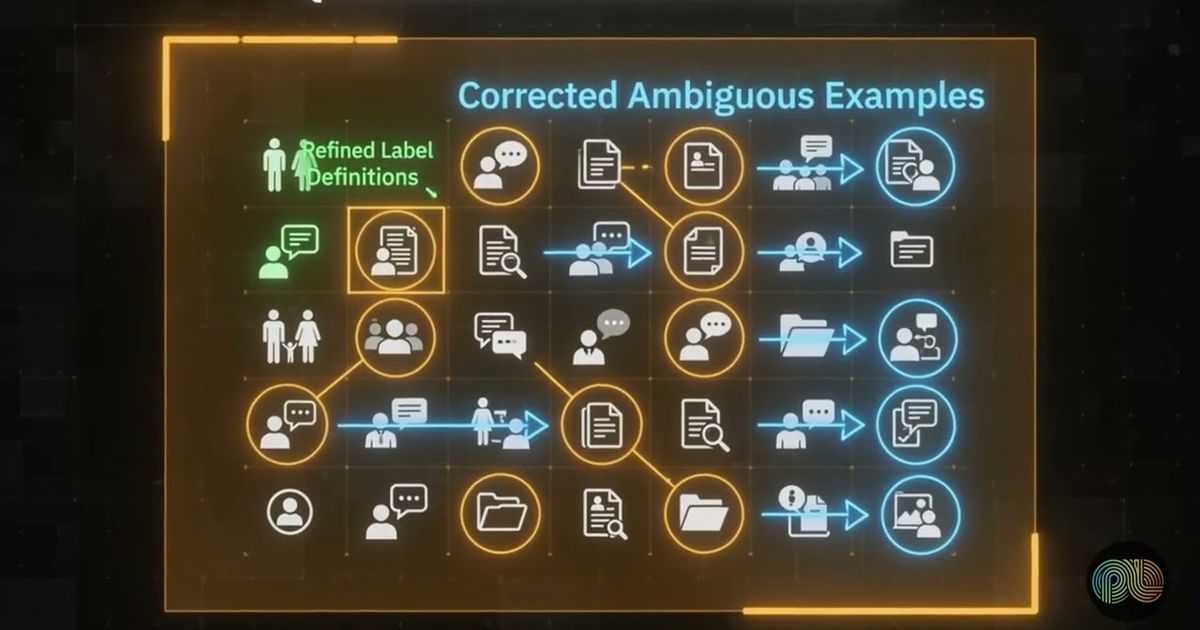
Sometimes quality assurance reveals that a disagreement came from unclear guidance and not from reviewer error. Refine the instructions, then recheck the affected examples. We'd argue those moments are the most valuable part of the job. Each loop improves the reference data and the way you evaluate against it.

How are gold standard datasets used to evaluate AI?
You set an AI system's outputs beside the reviewed expected outputs. Use the same reference examples and criteria for every test and prompts, workflows or model versions become much easier to compare.
Take a theme-extraction system. Reviewers might check whether each expected theme was found, whether unsupported themes crept in and whether the output followed the defined interpretation rules. Exact measures depend on the task. The benchmark itself should stay put between comparisons.
Why so strict? Moving expectations can look just like moving performance. Hold the criteria and reference examples steady, and a difference between runs is far more likely to be a real improvement or regression. From there you study the errors, refine the workflow and retest on the same trusted footing.
How should gold standard data change over time?
Through controlled governance. Ad hoc edits are out. You'll need to bring in new scenarios and better research practice while keeping results comparable with earlier evaluations.
One approach: hold a stable core of benchmark examples and add reviewed cases for new products, topics, languages or edge conditions. Every change to labels or guidance gets documented, approved and tied to a specific version. Nothing quietly overwrites an earlier decision.
Good dataset versioning practices also let you explain why results moved. If a benchmark update is substantial, test against both the earlier and revised versions, so you can tell model changes from benchmark changes.
Maintenance, then, is an ongoing governance job. A one-time labeling exercise won't cover it. Look after the reference set and it supports consistent model development, operational evaluation, research quality and lasting confidence in automated analysis.

How PulseLake helps
PulseLake keeps research objectives, methodology, evidence and decisions together in a persistent study context with provenance. Specialized agents can support qualitative analysis, and approval and QA workflows keep researchers in charge of benchmark creation and evaluation. You can also package methods, assessments and workflows as reusable IP so they're applied consistently. To talk about how this could fit your evaluation workflow, talk to our team.
Frequently asked questions
Is a gold standard dataset the same as a benchmark dataset?
It's one kind of benchmark: one built from examples that went through rigorous review and validation. A benchmark dataset can be any consistent basis for comparison. "Gold standard" stresses high-confidence labels or expected outputs, explicit guidelines, expert judgment and strong quality controls.
How large should a gold standard dataset be?
No universal size exists, since it depends on how complex and varied the task is. A useful set covers common examples, important subgroups, difficult edge cases and likely failure modes. A smaller, carefully reviewed dataset can give you a more trustworthy evaluation than a bigger one with inconsistent or loosely defined labels.
Who should review examples in a gold standard dataset?
People with enough subject-matter and methodological expertise to apply the evaluation criteria reliably. Several reviewers help expose disagreements, which you settle through adjudication or documented consensus. Record the uncertainty as you go, and clarify the guidelines when a disagreement reveals an ambiguous task rather than a simple labeling mistake.