Human-AI Collaboration Patterns
Human-AI collaboration patterns show how researchers combine machine speed and scale with human context, judgment, verification, and responsible decisions.

Human-AI collaboration patterns are repeatable ways of sharing research work between people and artificial intelligence. They assign AI tasks that benefit from speed, scale, and pattern detection, while researchers retain responsibility for context, interpretation, verification, consequences, and decisions. The aim is better research, not automation for its own sake.
Good collaboration design helps teams explore broader evidence, accelerate repetitive activities, and devote more attention to complex reasoning. It also prevents unclear ownership, misplaced trust, and automation from displacing essential human judgment. The short video above walks through the core ideas.
What are the main human-AI collaboration patterns?
The main patterns are AI-supported exploration, AI-assisted analysis, and iterative human-AI collaboration. They differ in how responsibilities are divided and how often people review, refine, or redirect the system’s work.
- AI-supported exploration: Researchers define the question and relevant boundaries. AI helps search a larger information space, surface evidence, identify possible connections, and generate initial perspectives for investigation.
- AI-assisted analysis: AI organizes information, detects patterns, and prepares summaries or preliminary interpretations. Researchers evaluate the work, correct errors, apply contextual knowledge, and refine the findings.
- Iterative collaboration: Humans and AI exchange input throughout the activity rather than working in a one-way sequence. Researchers contribute context and judgment, while AI contributes speed, scale, and analytical support.
These patterns can coexist within one project. A team might use AI to explore prior evidence, organize interview material, and then repeatedly refine an analysis before deciding what the findings mean.
How should humans and AI divide research responsibilities?
AI should handle well-defined activities that benefit from computational speed and scale, while researchers should retain tasks that require contextual understanding, interpretation, accountability, and judgment. Clear boundaries make the collaboration easier to evaluate and govern.
AI can support researchers by:
- Processing and organizing large volumes of information.
- Finding recurring patterns or possible relationships.
- Producing initial summaries and perspectives.
- Accelerating repetitive research activities.
Researchers remain responsible for:
- Defining the question, objectives, and acceptable scope.
- Determining whether evidence is relevant and sufficient.
- Interpreting meaning within the organizational or market context.
- Evaluating consequences and deciding what action is appropriate.
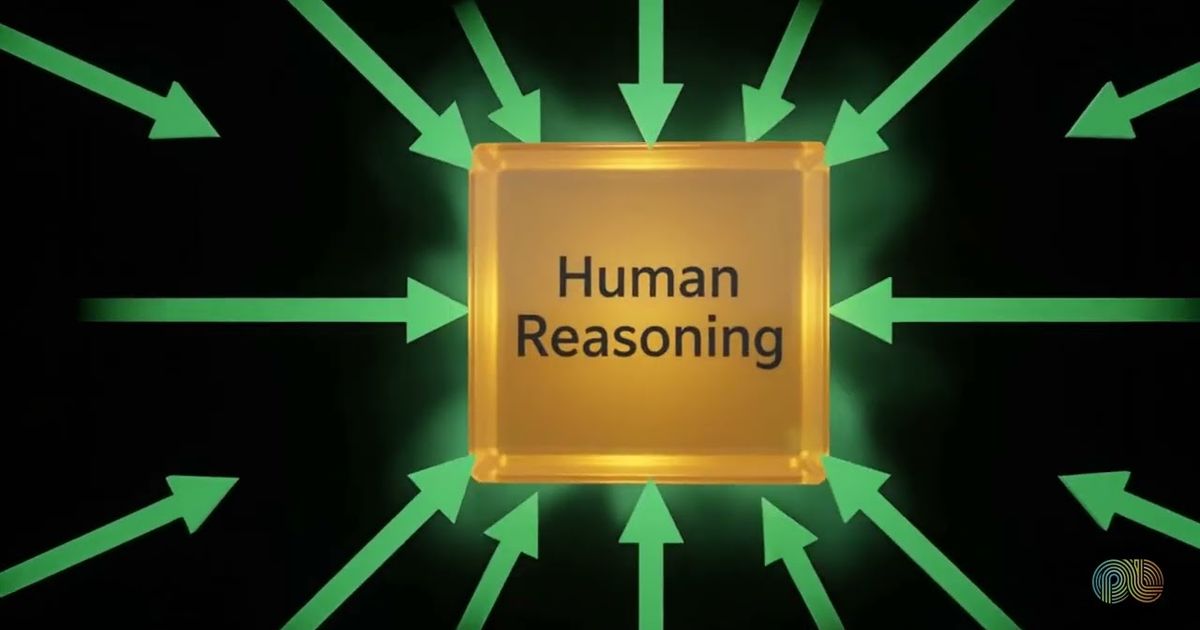
This division does not make the researcher a passive reviewer. Human expertise frames the work and determines how outputs should influence decisions, consistent with using AI as a research assistant instead of a decision maker.

How does iterative human-AI collaboration work?
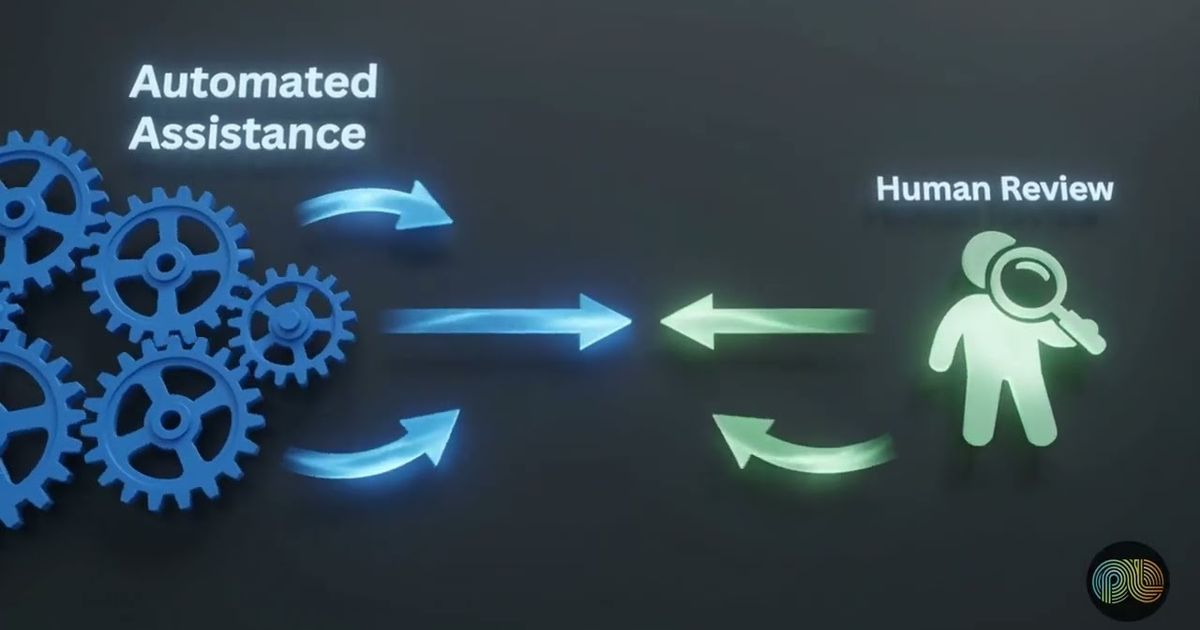
Iterative collaboration uses a repeated cycle of human direction, AI assistance, human evaluation, and refinement. Each exchange adds information or corrects the course of the analysis, improving the usefulness of the final outcome.
A practical cycle might work as follows:
- The researcher defines the question, context, constraints, and expected evidence.
- AI searches, organizes, analyzes, or summarizes relevant material.
- The researcher checks the output, adds context, identifies gaps, and challenges weak interpretations.
- AI revises the work using that feedback, after which the researcher evaluates it again.
The cycle should continue only while additional exchanges improve the work. Researchers should avoid treating iteration as automatic validation: an answer repeated or polished by AI is not necessarily correct. The final interpretation still depends on evidence quality and informed human judgment.
How can researchers evaluate AI collaboration?
Researchers should evaluate both AI outputs and the workflow that produced them. Trust should come from demonstrated performance, visible evidence, and transparent review processes rather than an assumption that automated assistance is correct.
Evaluation should address several questions:
- Accuracy: Does the output correctly represent the available information?
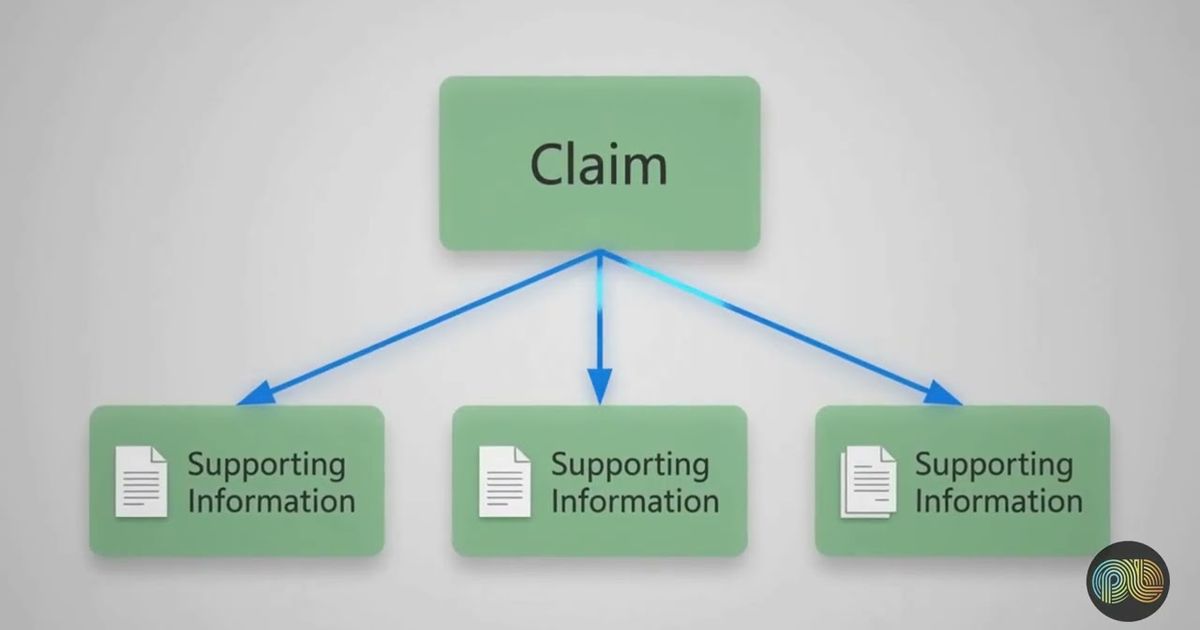
- Evidence: Can important statements be traced back to relevant source material?
- Completeness: Has AI omitted contradictory evidence, important context, or plausible alternatives?
- Reliability: Does the system perform adequately for this task, data, and research setting?
- Human review: Is a qualified researcher accountable for checking the work and approving its use?
- Action risk: What could happen if the output is wrong, incomplete, or applied outside its intended context?
Review intensity should match the consequences of the decision. A preliminary set of themes may require a different review process from an analysis used to set strategy or make consequential decisions. A structured approach to evaluating AI-generated research outputs helps teams apply consistent standards instead of relying on intuition alone.

Key takeaways
- Human-AI collaboration patterns define how research responsibilities are shared between people and AI systems.
- AI is especially useful for exploration, organization, pattern detection, summaries, and repetitive work at scale.
- Researchers remain essential for context, interpretation, verification, consequences, and final decisions.
- Iterative collaboration improves outputs through repeated direction, evaluation, and refinement.
- Trust in AI should be based on demonstrated performance and transparent processes.
How PulseLake helps
PulseLake keeps objectives, methodology, evidence, analysis, and decisions in a persistent study context, making human and AI responsibilities easier to trace. Specialized agents can support research design, interviewing, qualitative analysis, deep research, reporting, and client Q&A while researchers retain judgment and approvals. Research intelligence, evidence provenance, governance, and workflow automation support repeatable review processes; to discuss your requirements, talk to our team.
Frequently asked questions
Can AI make the final decision in a research project?
AI can organize evidence, detect patterns, generate possible interpretations, and help researchers compare alternatives. The final decision should remain with people who understand the context, can assess consequences, and are accountable for the outcome. This is especially important when evidence is incomplete, ambiguous, sensitive, or likely to affect consequential business choices.
Does human review automatically make an AI output reliable?
Human review improves oversight, but it does not automatically establish reliability. Reviewers need appropriate expertise, access to the underlying evidence, and a defined method for checking accuracy, omissions, unsupported claims, and contextual fit. A quick approval without substantive verification can preserve AI errors rather than correct them.
What is the difference between AI assistance and full automation?
AI assistance keeps researchers actively involved in framing questions, reviewing evidence, interpreting findings, and approving decisions. Full automation allows a system to complete more of the workflow without direct intervention. Effective collaboration does not require maximizing automation; it assigns work according to the strengths and limitations of people and machines.