Scoring Frameworks for Organizational Assessments
Scoring frameworks turn assessment evidence into consistent evaluations, helping organizations compare capabilities, track progress, and prioritize action.

Scoring frameworks are defined systems for translating assessment evidence into consistent evaluations of specific criteria. They use established dimensions, rules, or performance levels to summarize complex capabilities, compare strengths and weaknesses, track progress, and guide priorities without losing the reasoning and evidence behind each score.
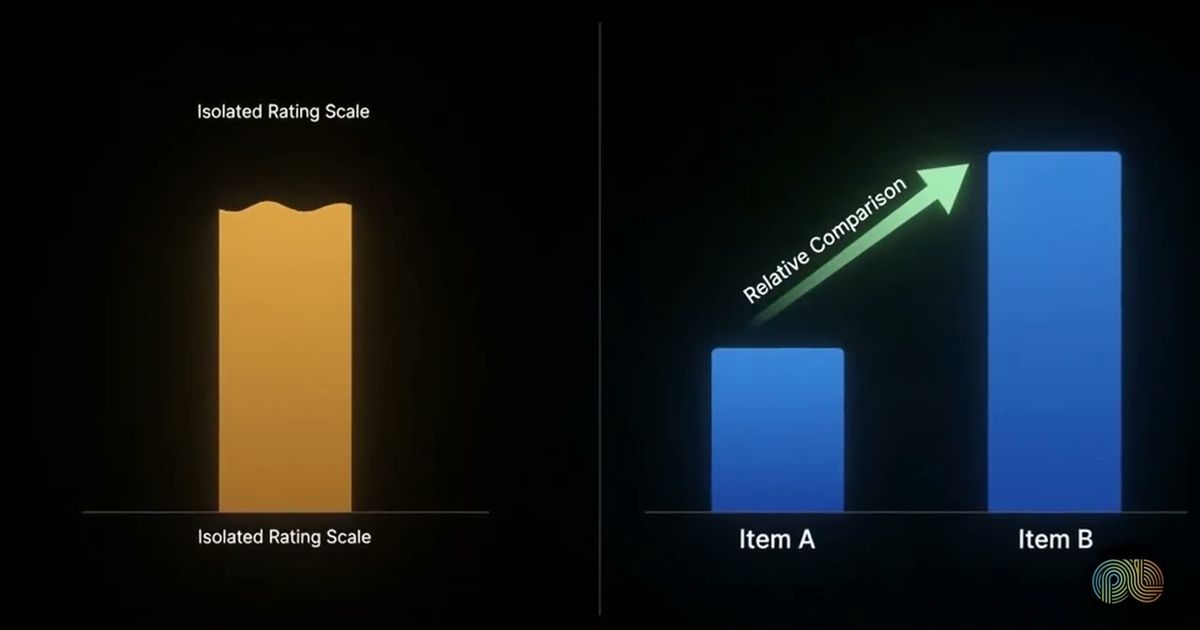
Consistent scoring matters because an assessment must support shared understanding and practical decisions, not merely produce numbers. Clear rules make evaluations easier to interpret, discuss, repeat, and challenge when new evidence emerges. The short video above explains the core ideas.
What is a scoring framework?
A scoring framework defines what an assessment evaluates, what different scores mean, and what evidence supports each evaluation. It creates a common language for discussing strengths, weaknesses, maturity, and improvement opportunities.
A framework may use numbers, labels, maturity levels, or a combination of these. The format matters less than the meaning attached to each level. For example, a capability assessment might distinguish among informal practices, standardized processes, measured performance, and continuously improving systems.
The framework converts complex observations into a form that people can compare and discuss. It does not replace the underlying evidence or explain every organizational reality. Teams designing a broader assessment can use the principles in assessment framework design to connect criteria, evidence, scoring, and decisions.
How do you design meaningful scoring criteria?
Meaningful scoring criteria describe important differences in capability rather than assigning arbitrary numerical values. Each criterion should relate to the assessment objective, while every performance level should be distinct enough for evaluators to apply consistently.
A practical design process includes four steps:
- Define the criteria. Specify the capability, behavior, process, or outcome being evaluated.
- Describe each level. Explain what performance at each score looks like in observable terms.
- Set evidence rules. Identify the kinds of documentation, examples, or observations that can support a score.
- Review and calibrate. Test whether different evaluators interpret the criteria similarly and refine ambiguous language.
Avoid levels that differ only through vague terms such as “good,” “advanced,” or “effective.” Describe meaningful changes instead, such as moving from inconsistent individual practices to a standardized process used across a team. This makes the resulting evaluation easier to explain and act on.

How should scores stay connected to evidence?
Every score should point back to documented evidence that explains why the criterion received that evaluation. This connection makes the assessment transparent, reviewable, and useful for decision-making.
Evidence may include policies, process documentation, performance measures, interviews, observations, or concrete examples of how work occurs. A high score without supporting examples can create false confidence. A lower score without an evidence trail can be equally difficult to trust or improve.
Evaluators should record both the selected score and its rationale. They should also note missing, conflicting, or incomplete evidence rather than forcing certainty. The principles behind evidence-based assessments can help teams preserve the link between claims, supporting material, and conclusions.
Evidence does not remove judgment, but it makes judgment visible. Stakeholders can then discuss whether the evidence is sufficient, whether the criteria were applied correctly, and what additional information may be needed.
How can AI support assessment scoring?
AI can organize assessment inputs, identify patterns, and help evaluators apply criteria more consistently. It is best used to support human interpretation rather than make final judgments about complex organizational capabilities.
For example, AI can group evidence by criterion, retrieve relevant examples, flag gaps, and draft a rationale for review. It may also highlight similar cases that appear to have received different scores, helping evaluators identify inconsistent application.
Human oversight remains necessary because capability assessments often involve context, trade-offs, and qualitative judgment. An apparent process gap may reflect a deliberate operating choice, while a documented policy may not represent actual practice. Evaluators should verify AI-generated recommendations against the framework and source evidence before approving a score.
What scoring framework mistakes should you avoid?
The main mistake is treating a score as a perfectly objective representation of reality. A score is a structured interpretation of evidence, so it should guide discussion rather than end it.
Common problems include:
- False precision: Fine numerical distinctions may imply more certainty than the evidence supports.
- Unsupported scores: Ratings without examples or documentation make conclusions hard to verify.
- Ignored context: Applying rules mechanically can conceal important trade-offs or operating conditions.
- Misleading summaries: A single average can hide substantial differences among capabilities.
Scoring should therefore preserve criterion-level results, rationales, and evidence even when leaders need a concise summary. The framework creates value by supporting shared understanding, prioritizing investments, tracking progress, and identifying improvement opportunities—not by reducing every organizational reality to a number.

Key takeaways
- Scoring frameworks translate complex assessment evidence into comparable evaluations.
- Criteria and performance levels should represent meaningful, observable differences in capability.
- Every score should retain a clear connection to its supporting evidence and rationale.
- AI can improve organization and consistency, but evaluators must retain judgment and approval.
- Scores are decision tools and structured interpretations, not perfect representations of reality.
How PulseLake helps
PulseLake keeps assessment objectives, criteria, evidence, analysis, and decisions within a persistent study context. Its research knowledge graph and evidence provenance support traceable scoring, while specialized agents can help organize inputs and draft analyses for researcher review. Dashboards, automated reporting, and reusable workflows can support recurring assessments and progress tracking; to discuss an appropriate setup, talk to our team.
Frequently asked questions
Can a scoring framework use qualitative evidence?
Yes. A scoring framework can use interviews, observations, documents, and examples alongside quantitative measures. The framework should define how qualitative evidence relates to each criterion and performance level, while the evaluator records a rationale showing how the evidence supports the selected score.
Should every assessment criterion have the same weight?
Not necessarily. Equal weighting is appropriate when criteria have comparable importance, but some assessments need weights that reflect strategic priorities or risk. Any weighting decision should be explicit, justified, and tested for unintended effects because heavy weights can allow one criterion to dominate the overall result.
Can scores from different teams be compared directly?
Scores are comparable only when teams use the same criteria, level definitions, evidence expectations, and evaluation process. Differences in context should still accompany the comparison. Calibration sessions can help evaluators interpret the framework consistently, but the final analysis should explain material contextual differences rather than treating all scores as interchangeable.