Current State Assessments: A Practical Guide
Current state assessments establish a clear baseline of capabilities, processes, systems, and constraints so teams can plan meaningful improvements.

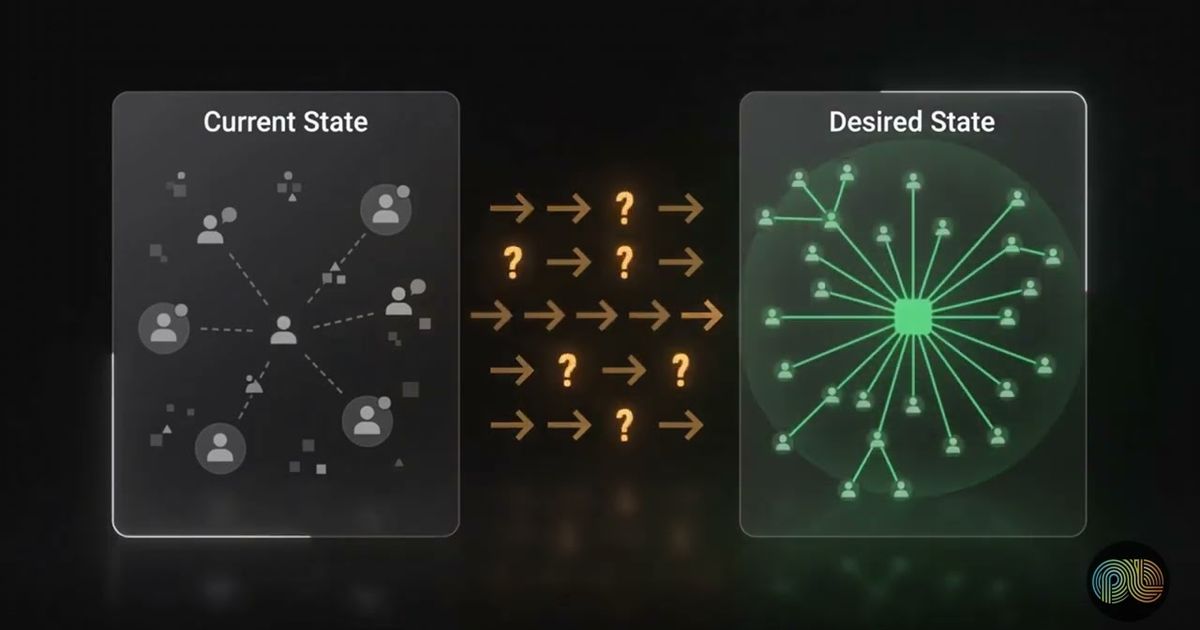
A current state assessment is a structured evaluation of how an organization operates today across its capabilities, processes, systems, resources, and practices. It establishes a factual baseline, identifies strengths and constraints, and explains the factors shaping performance so teams can prioritize improvements based on evidence rather than assumptions.
Without this baseline, transformation teams may implement solutions before understanding existing workflows, limitations, and dependencies. That can lead them to treat visible symptoms while leaving the underlying causes of poor performance unresolved. The two-minute video above walks through the core ideas.
What does a current state assessment examine?
A useful assessment examines both observable outcomes and the organizational foundations that produce them. Its scope should include capabilities, processes, governance, technology, skills, resources, information flows, and decision practices.
These dimensions reveal how work actually happens rather than how policies or organizational charts suggest it should happen:
- Processes show how activities, handoffs, and approvals work from day to day.
- Governance clarifies who makes decisions, who has oversight, and how accountability operates.
- Technology identifies the systems that enable work, create friction, or limit access to information.
- Skills and resources reveal whether teams have the expertise, capacity, and support required.
- Information flows show how evidence is stored, connected, shared, maintained, and retrieved.
- Decision practices explain how teams interpret evidence and turn it into action.
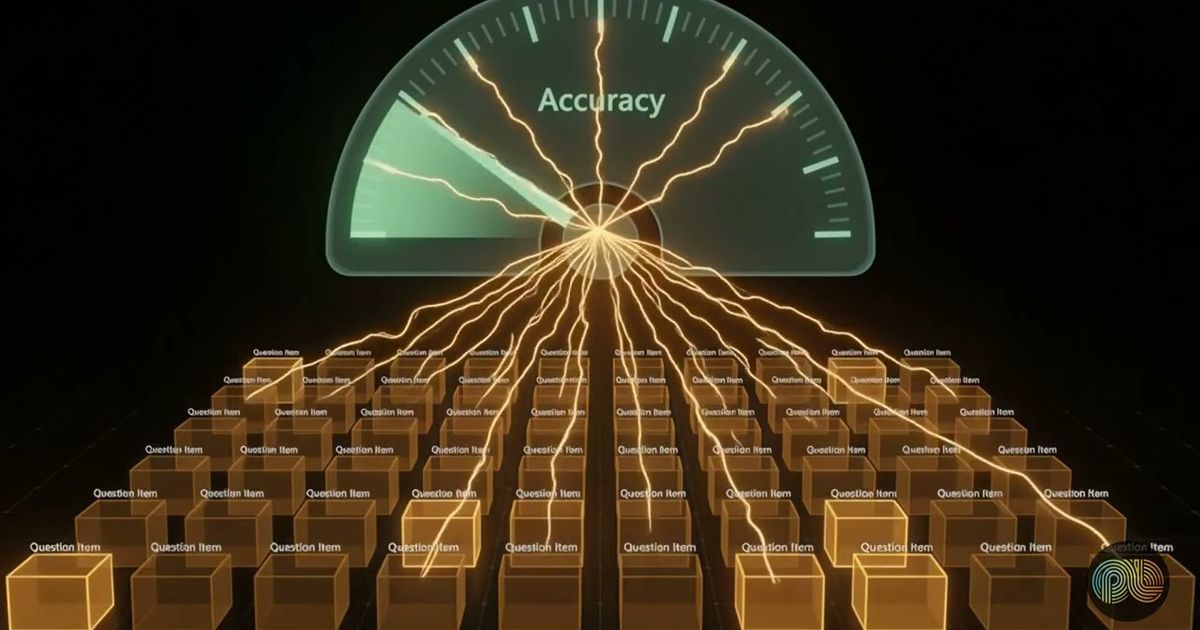
For example, assessing research reuse by counting completed studies would measure activity, not capability. A stronger assessment examines whether findings can be discovered, connected to related evidence, maintained over time, and applied to future decisions. This is closely related to organizing research into reusable knowledge.

How do you conduct a current state assessment?
Conduct the assessment by defining its scope, gathering evidence from multiple sources, analyzing root conditions, and validating the resulting baseline with stakeholders. The process should be systematic enough to support decisions without becoming an open-ended inventory exercise.
A practical sequence is:
- Define the scope and purpose. Identify the capability being assessed, the decisions the assessment must inform, and the boundaries of the work.
- Gather evidence. Review workflows, systems, documents, operational information, existing metrics, and stakeholder experiences. Compare formal processes with actual practices.
- Analyze causes and relationships. Distinguish visible outcomes from the processes, constraints, and decisions producing them. Look for patterns, dependencies, contradictions, and gaps.
- Validate the baseline. Ask relevant stakeholders to challenge the findings, add missing context, and agree on an accurate description of current conditions.
A clear assessment framework helps teams apply consistent criteria while preserving room for contextual evidence. For more on selecting dimensions and rating criteria, see assessment framework design.

How can AI support a current state assessment?
AI can help organize and analyze large collections of operational information, identify recurring patterns, and connect evidence from different sources. Human interpretation remains essential because organizational behavior depends on context, history, incentives, and practical experience.
Useful applications include sorting documents by topic, summarizing recurring workflow issues, finding conflicting accounts of a process, and tracing themes across interviews or prior studies. These uses can reduce the effort required to inspect fragmented evidence, particularly when information spans many teams or systems.
Researchers should still verify source quality, review how evidence supports each conclusion, and distinguish an AI-generated pattern from an established finding. AI should support synthesis rather than determine what the organization’s condition means or which improvement it should pursue.
What mistakes should you avoid?
The main mistake is treating a current state assessment as a measurement report rather than a shared explanation of how the organization operates. A list of scores or problems has limited value if stakeholders do not understand the causes, evidence, and implications behind it.
Other common mistakes include:
- Starting with a preferred solution and using the assessment to justify it.
- Focusing on visible outcomes while ignoring governance, workflows, skills, or information flows.
- Confusing activity measures, such as the number of completed projects, with actual capability.
- Relying on one source or stakeholder group without checking competing perspectives.
- Producing vague ratings that do not connect to observable evidence.
- Ending with a report instead of aligning stakeholders on priorities, investments, and capability development.
A strong assessment does not need to eliminate disagreement. It should make the evidence and assumptions clear enough for teams to discuss differences productively and plan intentional improvements.
Key takeaways
- A current state assessment establishes an evidence-based baseline before transformation begins.
- It examines the systems behind performance, not only visible outcomes or activity measures.
- Multiple evidence sources help reveal workflows, constraints, dependencies, and competing perspectives.
- AI can organize and analyze evidence, but people must interpret findings in organizational context.
- The assessment creates the most value when stakeholders share and use its conclusions for planning.
How PulseLake helps
PulseLake keeps objectives, methodology, evidence, and decisions within one persistent study context, helping teams preserve the basis for a current state assessment. Its research knowledge graph, cross-study search, deep research, and calculation mode can support evidence discovery and analysis, while governance and lineage help teams trace findings to their sources. To discuss your assessment approach, talk to our team.
Frequently asked questions
How detailed should a current state assessment be?
A current state assessment should be detailed enough to explain why performance looks the way it does and to support the decisions that follow. It does not need to document every task or system. Focus depth on the capabilities, workflows, dependencies, constraints, and stakeholder experiences that materially affect the assessment’s purpose.
Can AI perform a current state assessment without human researchers?
AI can accelerate evidence collection, classification, pattern identification, and synthesis, especially when operational information is extensive or fragmented. It cannot independently supply all the organizational context needed to interpret behavior, incentives, informal practices, or historical constraints. Human researchers should verify evidence, test explanations with stakeholders, and retain judgment over findings and recommendations.
How is a current state assessment different from a future-state plan?
A current state assessment describes how capabilities, processes, systems, and practices operate now, including the factors shaping performance. A future-state plan defines how the organization wants those elements to operate later. The present-state baseline should come first because it reveals which gaps matter, what dependencies exist, and where proposed changes may encounter practical constraints.