Entity Extraction for Research Explained
Entity extraction for research turns unstructured evidence into linked concepts, making patterns easier to find, analyze, verify, and reuse across studies.

Entity extraction for research is the process of identifying, automatically or manually, the meaningful people, products, features, behaviors, places, events and concepts in research data. It turns unstructured evidence into structured objects linked to observations, findings, themes and decisions, so knowledge is easier to find and reuse across studies, even when researchers describe one idea in many different words.
Skip it and the important concepts stay buried in transcripts, open-ended responses, reports and notes, cut off from each other by inconsistent wording.
What is entity extraction in research?
Think of a highlighter that also files what it marks. Entity extraction picks out the building blocks of your evidence and records each as a structured object. Any recurring concept that researchers need to find, compare or connect can be an entity: a person, organization or customer segment; a product, service or feature; a user goal, behavior or business process; a location, event or market category; a domain concept such as authentication, recovery or verification.
So how does an entity differ from a theme? An entity names what the evidence is about. A theme sums up a pattern or an interpretation across several observations. "Difficulty regaining account access" could be a theme; its entities might be passwords, account recovery, authentication and login verification.
Once entities exist, you can tie them to source observations, findings, themes, recommendations and decisions. The link between a concept and the evidence behind it survives, so the research doesn't shrink to a list of keywords. It's one practical step toward turning text into structured data, whether the source is a UX study or a market research report.
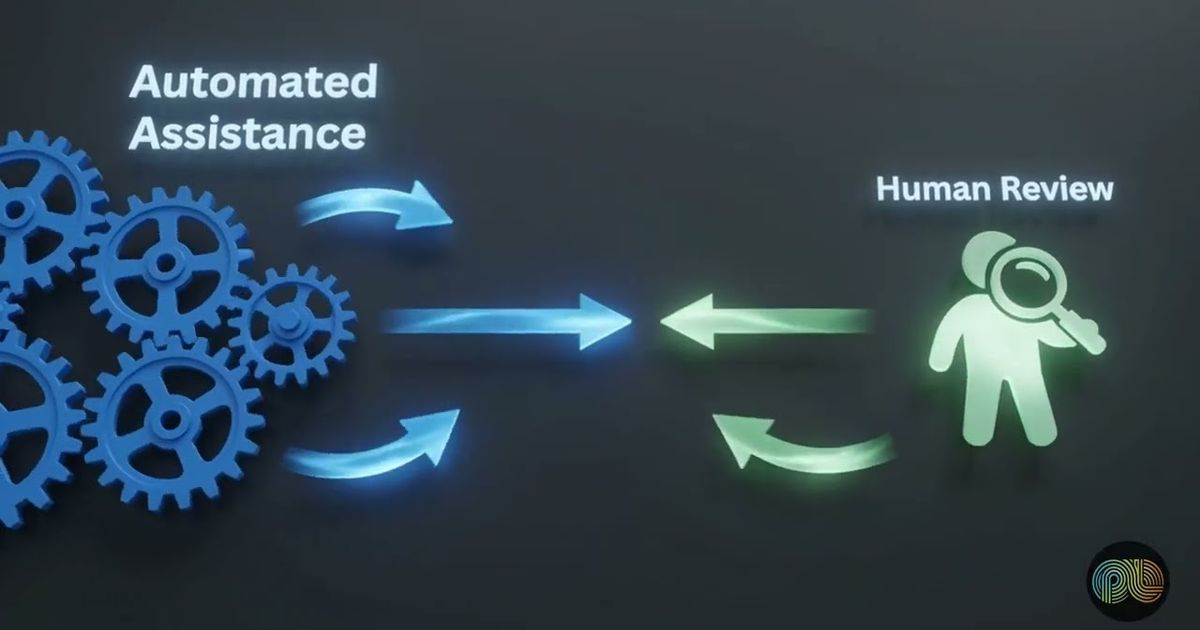
How should AI and human review work together?
Aim for efficient structuring with a person accountable for the judgment. Fully automated interpretation isn't the goal.
AI makes entity extraction fast across large volumes of research. It's good at proposing candidate entities, finding repeated mentions, suggesting aliases and applying an existing classification scheme the same way every time. Nobody has to inspect every paragraph by hand, and concepts that recur across many sources float to the top.
But meaning depends on context. "Recovery" could be account recovery, business recovery, data recovery or something personal a participant lived through. Only a researcher can tell whether the term is an existing entity, a new domain concept or an irrelevant mention.
Merging is the hardest call, we think. Reviewers must decide if two terms are synonyms or genuinely different ideas. Merge distinct entities and real differences vanish; split one concept into too many labels and cross-study analysis falls apart. So let AI help with identification and classification, and keep researchers responsible for definitions, exceptions and approval.
How does entity extraction connect evidence across studies?
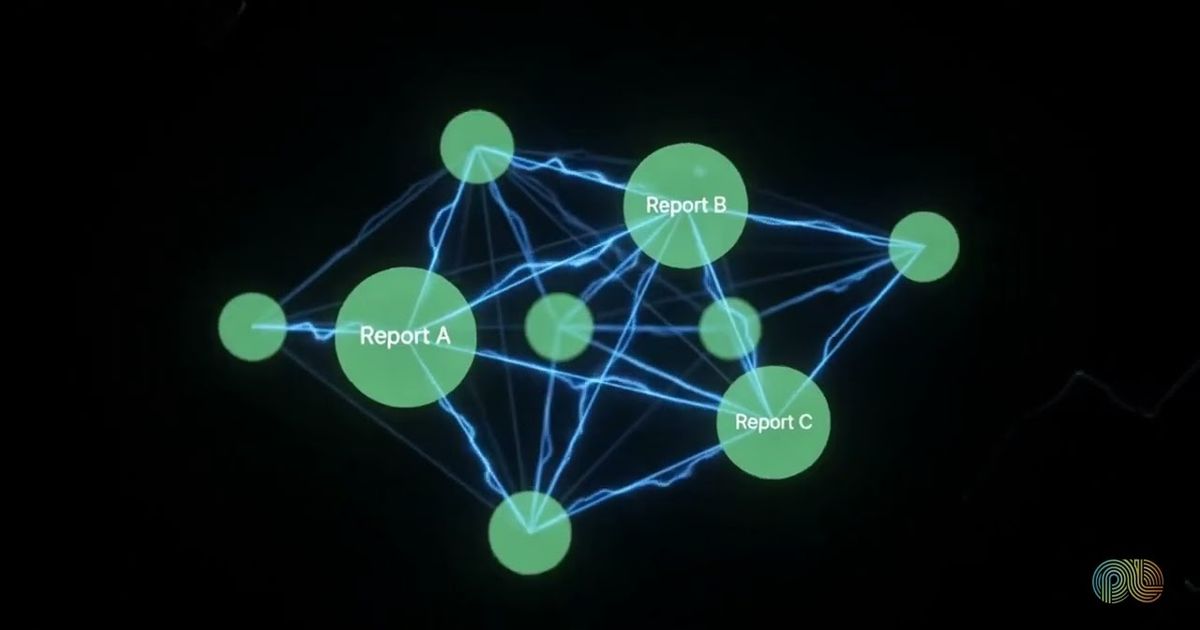
Different words often point at one concept, or at close relatives. Entity extraction notices that, so you can follow an entity across projects without needing exact keyword matches.
Imagine dozens of interviews about account security. One participant says passwords. Another says login verification. A third describes getting back into their account. Keyword search sees three unrelated terms, whereas entity extraction can map all three to stable concepts and keep the wording each source used.
It runs in four steps:
- Identify relevant concepts in transcripts, responses, reports and notes.
- Normalize spelling variations, abbreviations, synonyms and project-specific labels into consistent entities.
- Link each entity to observations, findings, themes, recommendations and decisions.
- Reuse the connected evidence by retrieving and comparing it across studies.
Relationships between entities are where it gets powerful. The system can do more than note that a feature appears: it can record that the feature ties to a usability issue, that a certain customer segment mentioned it or that several recommendations address it. Those links add up to a connected body of research and not a heap of separate documents, which is what makes cross-study knowledge linking possible.

What makes extracted entities reliable and reusable?
Stable definitions, consistent annotation, useful metadata and links you can trace back to the evidence. Those keep entities tied to what the organization means and away from one project's temporary jargon.
Begin with a defined ontology that spells out the entity types, relationships and concepts that matter to the organization, then write annotation guidelines explaining what to include, exclude, merge or separate. Keep links to the original excerpt, study, participant group and relevant metadata, so the source context never drops off.
Handle language carefully after that. Record alternate labels as aliases while the stable entity stays the same across the repository. Send uncertain or domain-specific wording to a person for confirmation. And maintain entities over time, updating definitions and relationships as products, markets and company language change.
Don't try to extract every noun in sight. A smaller set of well-defined entities usually retrieves and compares more dependably than a large set of wobbly labels. With sensible governance, extracted entities become durable organizational concepts that support deeper analysis and knowledge reuse.

How PulseLake helps
PulseLake keeps research evidence, analysis and decisions in a persistent study context, supported by a research knowledge graph, ontology, governance and lineage. Cross-study search and deep research help teams explore linked knowledge with evidence provenance intact, and specialized agents can support qualitative analysis with researcher approvals. To talk about how this fits your research system, talk to our team.
Frequently asked questions
Is entity extraction the same as keyword tagging?
Not really. Keyword tagging usually pins a word or phrase to a document. Entity extraction identifies a defined concept and can tie alternate expressions to it, and that entity can then take part in relationships with findings, themes, segments, recommendations and decisions. That makes it far more useful for structured analysis and cross-study reuse.
Can entity extraction work with interview transcripts and open-ended survey responses?
Yes, and both work well. Each holds people, products, features, goals, behaviors, events and other concepts you can extract by hand or with AI help. Keep the original passage and its study context attached, so researchers can verify meaning, resolve ambiguity and avoid treating one mention as a supported finding.
How do researchers handle different terms for the same entity?
They usually define one stable entity and record the other terms as aliases or related labels. "Sign-in," "login" and "accessing an account" may refer to one concept in a given domain, for example. A human reviewer should confirm they're really equivalent in context before merging them.
Does entity extraction replace thematic analysis?
No, they do different jobs. Entity extraction structures what the evidence refers to, and thematic analysis interprets the recurring patterns and meanings across it. Entities help you gather relevant observations across studies, and themes explain what those connected observations suggest together.