Reusable Research Dimensions: How to Design Them
Reusable research dimensions standardize recurring evidence so teams can compare studies, preserve meaningful context, and build cumulative knowledge.

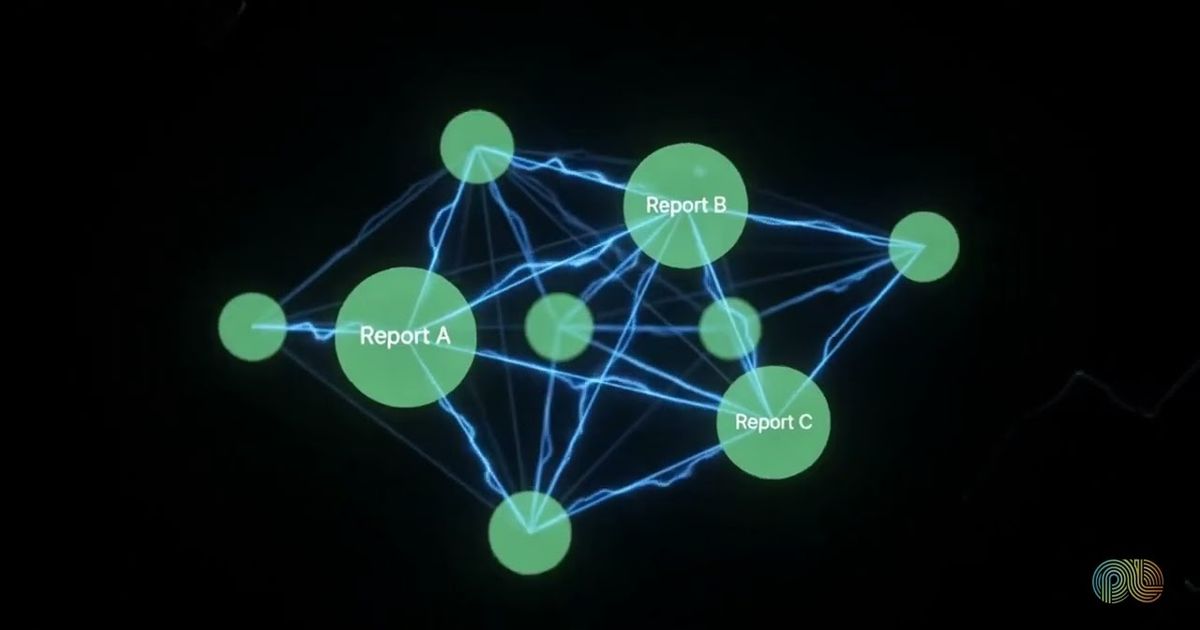
Reusable research dimensions are standardized ways of describing the parts of evidence that keep coming up: user goals, pain points, task stages, emotional responses, environments or customer segments. They let researchers compare findings across studies while each project keeps its own methods, context and meaningful distinctions. Isolated evidence starts adding up into organizational knowledge.
Ask three research teams to code the same interviews and you'll often get three vocabularies. Without a shared structure, every project invents its own labels and frameworks, and comparing them later is slow and unreliable.
Well-designed dimensions fix that. You can spot patterns across products, periods and methods without forcing every study into an identical format.
Why do reusable dimensions improve cross-study analysis?
They let you compare evidence through shared concepts, so matching document formats or identical wording stops mattering. A team can connect findings about the same goal, barrier, capability or segment even when researchers asked different questions in different words.
Once that structure exists, new questions become cheap. Does a pain point show up across products or customer segments? How do emotional responses shift between task stages? Does evidence about a capability stay consistent over time? Which environments or business processes shape a behavior, and where do findings from different methods back each other up or clash? Customer research and market research teams running similar studies year after year tend to leave exactly these questions unanswered.
AI-assisted analysis benefits too. When evidence carries consistent conceptual classifications, AI systems can find patterns across studies without relying only on similar phrasing. The dimensions give structure to cross-study knowledge linking, and the original evidence and study context stay available for checking.
Interpretation doesn't become automatic, though. Researchers still have to weigh methodological differences, sample limitations, changing market conditions and the strength of the evidence underneath. Dimensions make comparison possible; they don't make unlike evidence equivalent.
What are reusable research dimensions?
Stable classification axes you expect to use again and again across different studies. They give evidence a common conceptual structure, even when projects ask different questions or use different methods.
Typical ones cover user goals and desired outcomes, stages in a task or customer journey, pain points and barriers, and emotional responses. Others describe product capabilities or features, business processes and operating environments, and customer, user or organizational segments.
A dimension isn't a complete coding framework. It names the recurring perspective; its values or categories describe the distinctions inside it. "Task stage" might be a reusable dimension, for example, while a particular study assigns evidence to the stages that fit its own journey.
Nobody's trying to make every project identical. Researchers keep their study-specific questions, methods and codes, and classify the relevant evidence through a shared set of dimensions as well. It's closely related to building consistent research taxonomies, though dimensions focus on the perspectives that make comparison possible.
How should reusable research dimensions be designed?
Around the decisions your organization keeps making. The fields that happen to exist in your current datasets are a poor guide. Good dimensions stay relevant as products, teams, methods and research questions change.
Begin with the decisions: which questions do leaders and teams repeatedly need evidence to answer? A dimension earns its place when it helps compare the evidence behind those decisions.
Next, hunt for stable concepts. Look across prior studies for characteristics that recur despite shifts in terminology or project scope. Goals, barriers, contexts, journey stages and capabilities often outlast individual survey questions or interview guides.
Then pick the granularity. Each dimension should be broad enough to apply across many studies but specific enough to keep the distinctions that matter. "Experience" may be too general; a separate dimension for every minor interaction is probably too narrow.
Finally, test the draft against qualitative, quantitative and mixed-method evidence. Revise any dimension that creates ambiguity, swollen catch-all categories or constant requests for new labels.
For each one, write down the definition, intended use, boundaries, allowed values and a few examples. That guidance is what lets different researchers classify comparable evidence the same way without stripping out important context.

What mistakes should you avoid when creating dimensions?
Getting the size wrong. Too broad and a dimension tells you nothing; too narrow and it can't be reused. Either way you land back in the fragmentation shared dimensions were meant to fix.
The too-broad version becomes a bin for unrelated evidence. Labels like "feedback," "experience" or "needs" sound comprehensive, but they offer little analytical precision unless their boundaries and internal distinctions are clear.
The too-narrow version works for one project and breaks the moment the next study brings a slightly different context. Teams then keep adding categories, and the overlapping labels get hard to govern and compare.
Other traps to watch for:
- Designing dimensions around one dataset instead of recurring decisions.
- Renaming the same concept across teams without mapping the terms.
- Stripping out study context once evidence has been classified.
- Treating dimensions as fixed forever instead of reviewing them as needs change.
- Applying categories inconsistently because definitions and examples are missing.
Governance should protect stability without blocking useful change. When a dimension or value changes, document the revision and keep mappings to earlier versions so historical evidence still makes sense.

How PulseLake helps
PulseLake keeps research objectives, methodology, evidence and decisions in a persistent study context. Its ontology, research knowledge graph, cross-study search and evidence provenance can support consistent dimensions while keeping the source and context of each finding. Teams can also package methods, workflows, assessments and ontology as reusable IP. To discuss a setup that fits, talk to our team.
Frequently asked questions
How many reusable dimensions should a research team create?
There's no universally correct number. Start with a manageable set of concepts that recur across important decisions and several studies, and add or refine dimensions only when the existing ones can't hold a meaningful distinction. A smaller, clearly defined system is usually easier to apply consistently than a large pile of overlapping dimensions.
Can reusable research dimensions change over time?
They should, when products, markets or decision needs change in a material way. Make the revisions deliberate and versioned, with definitions and mappings that explain how new categories relate to the old ones. That keeps historical comparisons valid and stops an outdated framework from boxing in new research.
Do reusable dimensions replace study-specific coding frameworks?
No, they work alongside them. Reusable dimensions give you common perspectives for comparison, and study-specific codes capture the details unique to a research question, method or context. Evidence can carry both: a shared dimension such as "user goal" and a more specific project code describing the exact goal observed in that study.