AI Evidence Collection Explained
AI evidence collection helps researchers find, organize, extract, and connect sources while preserving the lineage needed for trustworthy conclusions.
AI evidence collection uses artificial intelligence to find, organize, extract and connect relevant research evidence, so researchers can work through big, scattered pools of information far faster. What keeps the result traceable enough to support conclusions anyone can trust is human review, source context, metadata and evidence lineage.
Add enough sources and manual searching breaks down: relationships slip past, findings stop being comparable, and you can't say how the evidence shaped a decision. AI can widen the search. It shouldn't take over the judgment.
When should you use AI evidence collection?
When the pile has outgrown what a person can search. That means large, fragmented or growing bodies of information, or recurring research workflows where new evidence must be tied into what the organization already knows.
Good fits include reviewing documents across multiple projects, locating related findings in a research repository, preparing evidence for synthesis and tracing themes across sources.
Use it to widen your view, never to skip validation. As these systems sink deeper into research workflows, transparent origins and a visible path from source to conclusion should stay non-negotiable.
What is AI evidence collection?
A research-support process, not an automated verdict. Discovery and preparation belong to the AI; interpretation and the final decision on inclusion belong to researchers.
Inside that boundary an AI system handles several linked tasks. It finds documents or records that may address a research question, retrieves findings related by meaning as well as exact keywords, and extracts concepts, claims, themes or other useful information. It organizes evidence for comparison and spots relationships among sources, findings and research questions.
Reach is the big win. Researchers can cover much larger information environments and surface connections that would stay buried across disconnected files, studies or repositories. One condition from us: reach only helps if collected material stays attached to its source and can be judged in context.
How does AI evidence collection work?
A reliable process starts from a defined research question and moves through discovery, preparation and connection to human review. At each stage the gap should narrow between "this might be relevant" and "this can legitimately inform a conclusion."
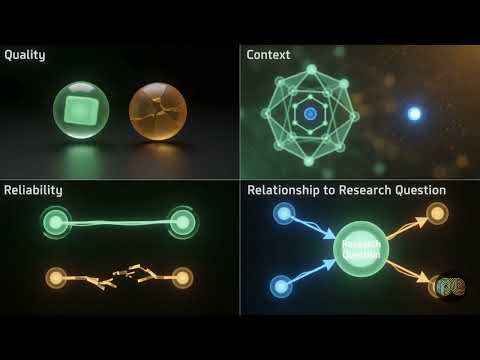
Frame the question first: what must the research explain, compare or decide? The AI then retrieves documents and related findings that may be relevant, extracts important concepts, organizes source details and connects related material. A person closes the loop by judging whether each item has the quality, context and relevance to support the question.
It works best when the question and the evidence requirements are spelled out. Vague questions make a huge, unfocused pile, so guidance on defining research problems and objectives helps keep broad retrieval from producing exactly that.

What mistakes should researchers avoid?
Treating relevance as proof. A source can be packed with matching terms or related concepts and still give no credible evidence for the claim you're testing.
The close relatives: accepting retrieved material without checking credibility or original context; extracting passages and dropping source details, scope or limitations; letting summaries merge findings with no visible evidence lineage; assuming more material means a stronger conclusion; and leaving inclusion or interpretation decisions to AI with no researcher review.
Oversight isn't optional, because choosing evidence takes judgment. Does the source really support the question? Does it clash with other findings? Or does it just look relevant at first glance? Those calls belong to the researcher.
What makes AI-collected evidence trustworthy?
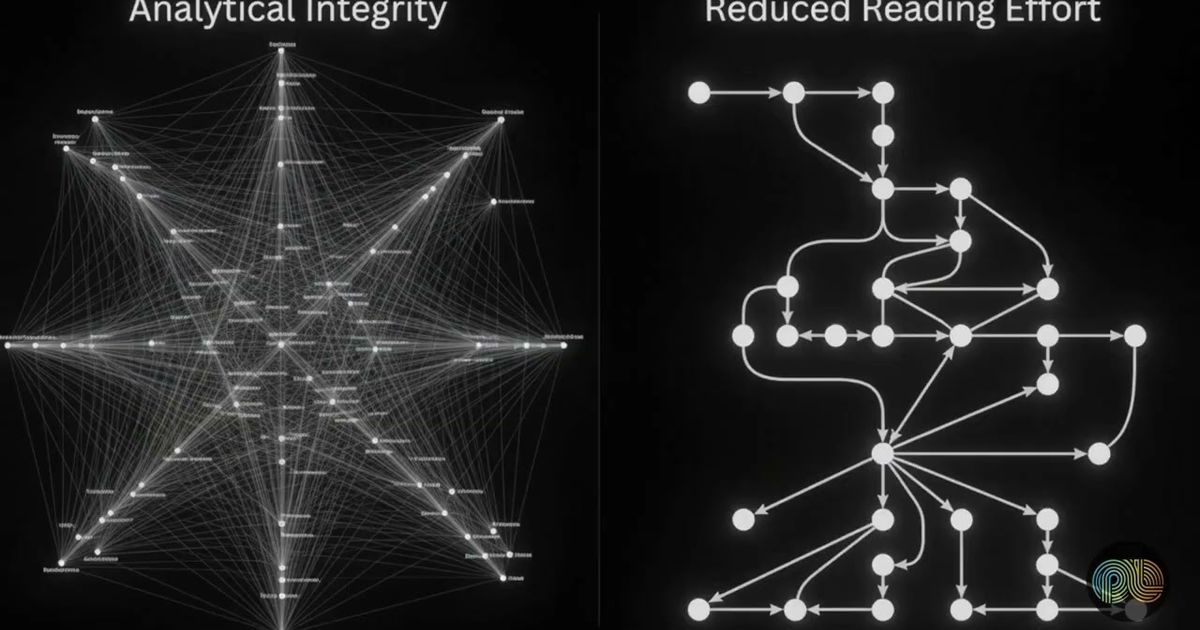
If a researcher can inspect every source and every connection. Retrieval speed counts for much less than seeing where the evidence came from, what it means and how it feeds a conclusion.
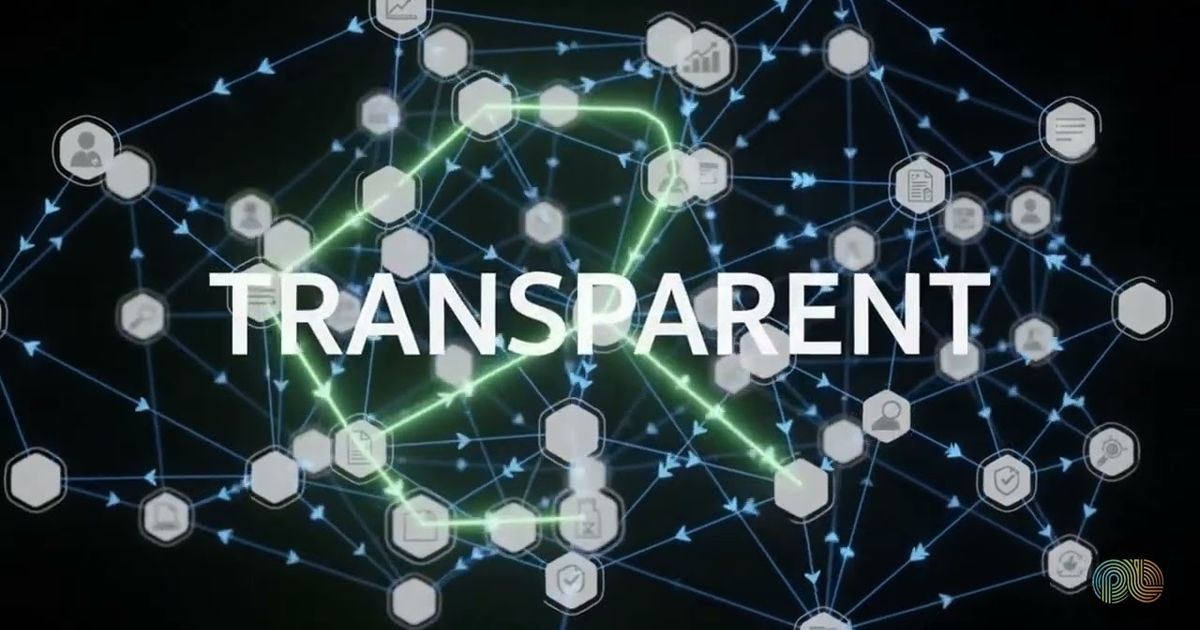
The foundations are structured knowledge systems, consistent metadata, evidence lineage, semantic relationships and clear source connections. Together they let an AI system represent not only what information exists but how documents, concepts, findings and questions relate. Preparing those foundations is part of building AI-ready research data.
On top of that, researchers judge four things. Credibility: is the source dependable enough for the intended use? Context: does an extracted statement keep its original meaning and conditions? Question fit: does the evidence address the actual research question? Limitations: what can't the source establish, and where does uncertainty remain?
Skip the foundations and AI may surface relevant-sounding language that offers weak or ambiguous support for a conclusion. It's one reason AI evidence analysis deserves the same care as collection.

How PulseLake helps
PulseLake keeps research objectives, methodology, evidence and decisions in a persistent study context. Its research knowledge graph, cross-study search, deep research and evidence provenance help teams discover and connect prior knowledge while keeping traceability. Specialized agents can help with research and analysis while researchers keep judgment and approvals. To talk through the approach, talk to our team.
Frequently asked questions
Can AI evidence collection replace a literature review?
No. AI can help with discovery, retrieval, extraction and organization, but a rigorous literature review depends on a person's reasoning. Researchers set inclusion criteria, evaluate source credibility, interpret conflicting findings, name limitations and decide whether the available evidence supports the research question.
How should researchers verify evidence found by AI?
Start at the original source. Confirm the extracted material kept its context, then assess credibility and relevance to the research question. After that, ask whether the evidence has clear lineage, whether key limitations are visible, and whether the AI linked sources by meaning or only by similar wording.
How is AI evidence collection different from semantic search?
Semantic search finds material that is conceptually related to a query. AI evidence collection includes that retrieval and goes on to extract concepts, organize findings, connect evidence to questions and keep source relationships for analysis. It's the broader research process, and semantic search is one capability inside it.