AI-First Qualitative Analysis: A Practical Workflow
AI-first qualitative analysis uses AI to surface themes and organize evidence, while researchers validate context, nuance, and final conclusions.

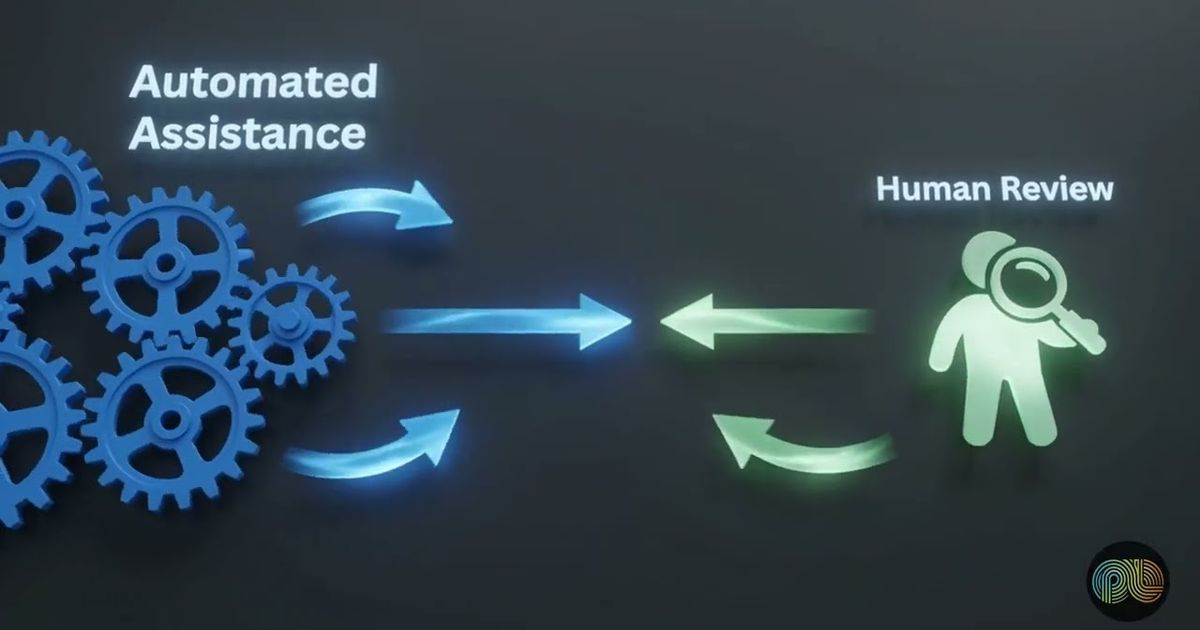
AI-first qualitative analysis is a workflow where AI takes the first pass through interviews, open-ended responses and other qualitative evidence, suggesting themes, clusters, summaries, contradictions and coding structures. Researchers then check each suggestion against the source material, keep, refine or reject it, and remain responsible for the conclusions.
Almost nobody will miss the first-pass sorting. Hand it to AI and researchers get time back for interpretation, synthesis and decisions based on evidence. The human judgment doesn't move.
What is AI-first qualitative analysis?
Think of it as moving the starting line, not the accountability. Normally you read every document by hand before you hunt for patterns. Here you begin with AI-generated hypotheses and use your expertise to investigate them. Whoever answers for the outcome is still the researcher.
In that early pass the AI might summarize interviews, group responses that say similar things, and suggest preliminary themes and codes. It can also flag apparent contradictions or odd responses and link emerging patterns to supporting excerpts.
Treat all of it as provisional. A plausible theme may reflect surface wording more than a shared experience. A small but important perspective may not come up often enough for an automated system to rank it highly. Meaning is the researcher's call, judged against the study's objectives, the participants' context and the original evidence.
What foundations does AI-first analysis require?
Feed it a mess and you'll get a fast mess back. Reliable AI-assisted interpretation depends on well-structured data, consistent metadata, evidence lineage and retrieval-grounded workflows; skip those and automation just speeds up inconsistency.
What does each one do?
- Metadata keeps participants, segments, studies, interview questions and collection periods apart.
- Lineage lets you trace a summary, code or theme back to its source.
- Retrieval grounding keeps the system on relevant study material instead of drifting into unsupported generalizations.
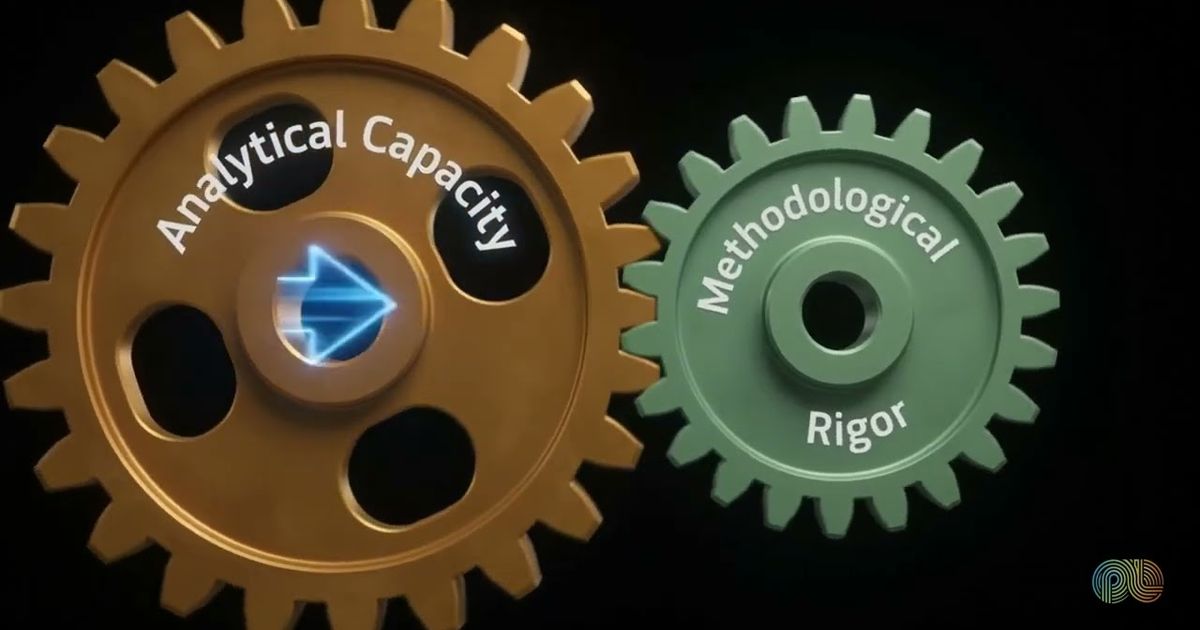
Keep the research question and methodology in view the whole time. A tidy cluster isn't automatically relevant to the objective, and responses gathered under different conditions shouldn't be treated as interchangeable without a review. For us, preparing AI-ready research data is part of analytical rigor, not a technical chore.
How does an AI-first qualitative analysis workflow work?
There are four stages: prepared evidence, automated exploration, human verification, final synthesis. Throughout, keep a clear line between an interpretation and the material behind it.
First, prepare the evidence. Organize transcripts, open-ended responses, field notes and metadata so the system can tell sources and participant contexts apart. Second, let AI explore: summarize, cluster related responses, suggest codes, find recurring themes, surface possible contradictions.
Third comes the part that takes human time. Read source excerpts, compare cases, push on theme boundaries, and go looking for evidence that doesn't fit. Fourth, synthesize: refine or reject the hypotheses, keep nuance and connect validated findings to research questions and decisions.
None of this replaces established practice such as AI-assisted theme extraction. The difference is that automation becomes the opening analytical pass, while deeper interpretation and approval stay with the researcher.

What mistakes should researchers avoid in AI-first qualitative analysis?
The big one: treating AI output as the final word when it's provisional. Speed only helps if conclusions stay tied to traceable evidence and nuance doesn't get flattened into broad summaries.
Some specifics. Recurring language isn't proof of a coherent theme. Distinct participant perspectives shouldn't be merged without checking context. Contradictions shouldn't be reported before you've looked at the material underneath.
Keep the analytical path visible too. Wherever you can, leave revisions to codes, themes and interpretations on the record.
We'd take curiosity over certainty here. Challenge suggested themes, keep the exceptions, look for missing voices, document the refinements that matter and reject claims without support. AI speeds up exploration; meaning and methodological rigor stay with the researcher.

How should researchers validate AI-generated themes?
Start from suspicion. A suggested theme is a lead, not a conclusion. Validating it means checking the supporting evidence, hunting for exceptions, looking for missing perspectives and deciding whether the reading keeps what participants actually meant.
Five questions for each proposed theme:
- Which source excerpts support it?
- Does it show up across contexts, or in one segment only?
- Are similar words covering different experiences?
- Which responses contradict or complicate it?
- Did a rarer but decision-relevant perspective get missed?
Expect to refine code definitions and theme boundaries as you learn. Approving every suggestion was never the job. The suggestions exist to point your careful reading, comparison and judgment at the right places.
How PulseLake helps
PulseLake keeps research objectives, methodology, evidence, analysis and decisions in one persistent study context. Its research knowledge graph, evidence provenance, cross-study search and qualitative analysis agents can support AI-first exploration while researchers keep judgment and approvals. To discuss how this could fit your research workflow, talk to our team.
Frequently asked questions
How is AI-first qualitative analysis different from fully automated analysis?
AI-first analysis automates only the first round of organizing and exploring qualitative material; final interpretation never goes to the system. Researchers examine source evidence, challenge proposed patterns, refine codes, keep nuance and approve conclusions. Fully automated analysis implies less human review, so plausible but unsupported interpretations are more likely to slip through.
Can AI create a qualitative coding framework from scratch?
It can propose a first coding structure from the research question and the available material. After that, researchers test whether the codes are distinct, relevant, consistently applicable and backed by participant evidence. The final framework may blend AI-suggested codes with concepts defined by the methodology, and it still needs human refinement and documentation.
Does using AI-first analysis reduce qualitative research rigor?
Not inherently. Rigor depends on whether researchers keep evidence lineage, review source material, test alternative interpretations, examine contradictions and document analytical decisions. AI-first analysis can cut repetitive effort and speed up discovery. But weak data foundations or uncritical acceptance of generated themes make an analysis faster, not more reliable.