 PulseLake
AI-Native Research Organizations Explained
AI-native research organizations embed AI, connected knowledge, governance, and human judgment into one operating model for better research decisions.

An AI-native research organization embeds artificial intelligence into research processes, knowledge management, decision support, and operations from the outset. It combines connected research assets, reliable evidence systems, governance, and human expertise so AI can extend researchers’ capabilities while people retain responsibility for questions, interpretation, and judgment.
This operating model matters because adding AI to fragmented workflows may accelerate information processing without improving evidence quality or organizational learning. Designing the system as a whole helps teams turn each project into reusable knowledge while keeping decisions grounded and reviewable. The two-minute video above walks through the core ideas.
What is an AI-native research organization?
An AI-native research organization treats AI as part of its foundational research infrastructure, not as an extra tool attached to established processes. AI capabilities, knowledge systems, operating practices, and human expertise are designed to work together.
That integration extends across the research lifecycle. It can support how teams frame questions, organize evidence, analyze information, manage institutional knowledge, and deliver decision support. The goal is not to automate every activity, but to create a connected environment in which intelligence can be continuously developed, shared, and applied.
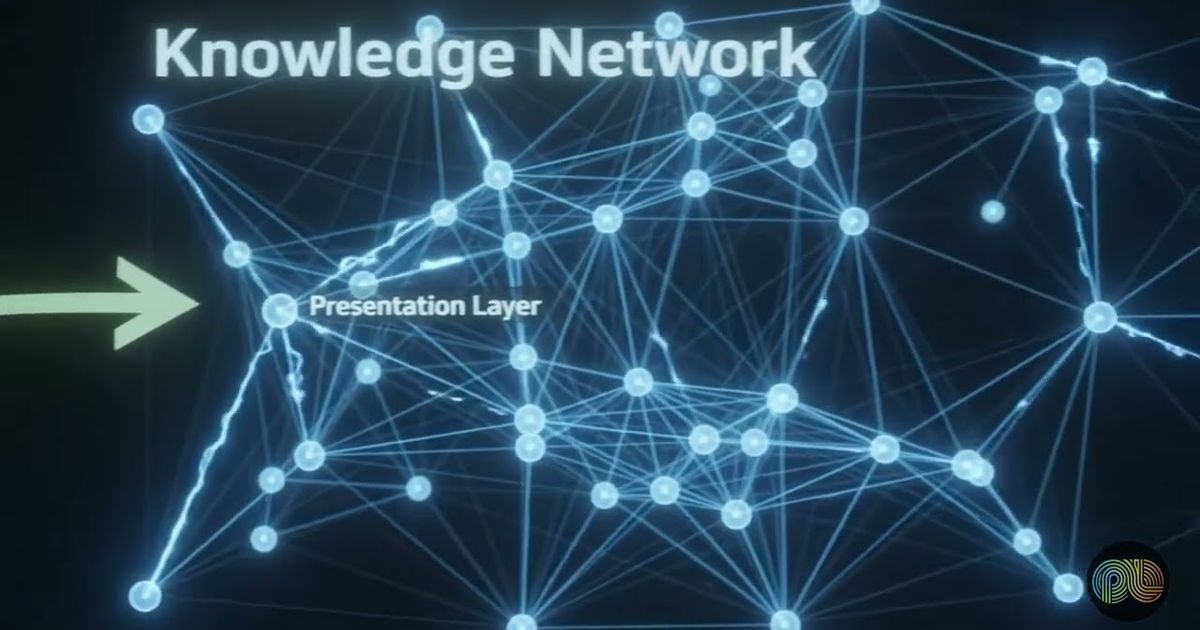
This model also changes the value of completed research. Instead of ending as an isolated report, each project contributes structured evidence, context, and relationships that future researchers and AI systems can use. That requires moving from research reports to research systems that preserve knowledge beyond an individual study.
How is an AI-native research organization different?
The central difference is architectural: traditional teams often add AI to disconnected projects, while AI-native teams design connected research and knowledge systems around it. This affects information access, researcher responsibilities, and the organization’s ability to learn across studies.
In a traditional environment, findings may remain separated across reports, folders, projects, and teams. AI-native organizations structure and connect research assets so intelligent systems can search evidence, identify patterns, reveal relationships, and support learning over time.
The researcher’s role changes as well. AI can handle more repetitive information processing, while researchers concentrate on work that requires context and judgment:
- Defining consequential research questions.
- Evaluating the relevance and quality of evidence.
- Designing appropriate research approaches.
- Interpreting ambiguous or complex situations.
- Deciding when findings are strong enough to inform action.
AI therefore extends researcher capability rather than replacing research judgment. Human accountability remains essential, particularly when evidence is incomplete, assumptions are uncertain, or decisions carry significant consequences.

What foundations does an AI-native research organization need?
An AI-native research organization needs structured knowledge, traceable evidence, governance, evaluation, human oversight, and appropriate organizational skills. Without these foundations, AI may increase output speed without improving research quality.
Structured knowledge models give research assets consistent meaning and relationships. Evidence traceability allows users to inspect where a claim came from, while governance defines acceptable use, responsibilities, approvals, and controls. These elements also make it easier to build AI-ready research data rather than relying on disconnected files with missing context.
Evaluation processes are equally important. Teams need ways to assess whether AI-generated analyses and outputs are accurate, relevant, sufficiently supported, and appropriate for their intended use. Human oversight ensures that methodological and business judgment remain part of the process.
Finally, teams need the skills to work effectively with intelligent systems. Researchers must understand where AI helps, where it can fail, how to inspect its evidence, and when to challenge or reject its output. Technology adoption without these organizational capabilities creates activity, not necessarily better understanding.

How do you build and continuously improve the model?
Building an AI-native model is an operating-model change, not a one-time technology rollout. Teams should connect knowledge, workflows, governance, evaluation, and human responsibilities, then revise them as capabilities and research needs evolve.
A practical sequence is to begin with an important research workflow rather than a broad mandate to “use AI.” Map its inputs, evidence, decisions, handoffs, and quality checks. Then determine which activities AI can support, which approvals must remain human, and what context needs to persist across the workflow.
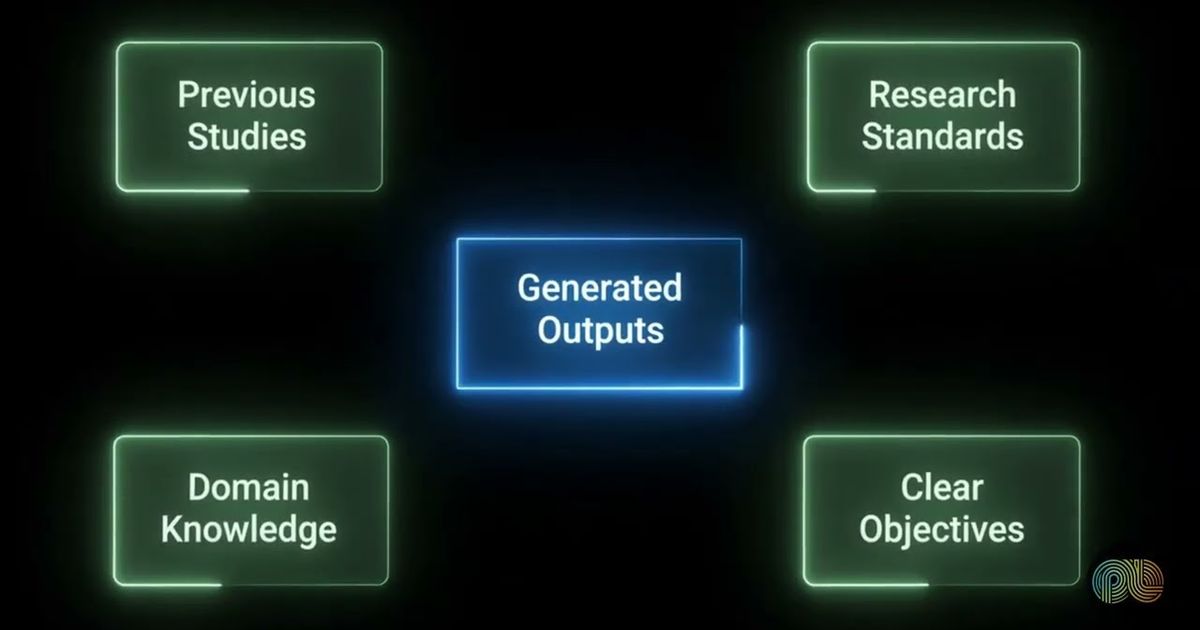
Teams should also make research outputs reusable. Consistent metadata, methods, assumptions, evidence links, and decision records help later projects benefit from earlier work. This creates an interconnected system spanning evidence creation, knowledge management, analysis, and delivery.
Continuous adaptation is part of the model. Organizations need to evaluate workflows regularly, update practices as AI capabilities change, and improve collaboration between researchers and intelligent systems. The objective is not maximum automation; it is a research system that improves understanding and supports better decisions over time.
Key takeaways
- AI-native research organizations design AI, knowledge systems, workflows, and human expertise together from the beginning.
- Connected and structured research assets allow evidence and learning to move across projects and teams.
- Researchers retain responsibility for important questions, methodological choices, evidence evaluation, and interpretation.
- Governance, traceability, evaluation, and organizational skills are necessary to convert greater speed into better research.
- AI-native operating models require continuous review as tools, workflows, and organizational needs change.
How PulseLake helps
PulseLake provides a shared operating system for framing questions, conducting human or AI-native research, analyzing evidence, preserving institutional knowledge, and delivering decision-ready outputs. Persistent study context, a research knowledge graph, evidence provenance, specialized agents, workflow automation, and governance help connect execution, intelligence, and delivery while researchers retain judgment and approvals. For a practical discussion, talk to our team.
Frequently asked questions
Can a small research team become AI-native?
Yes. Being AI-native depends on how research, knowledge, AI, and human judgment are organized, not on team size. A small team can start with one recurring workflow, structure its evidence, define human review points, and establish basic governance before extending the model to additional research activities.
Does an AI-native organization automate every research task?
No. The purpose is to assign work appropriately between people and intelligent systems, not to eliminate human involvement. AI can support repetitive processing, discovery, analysis, and delivery, while researchers remain responsible for defining questions, choosing methods, evaluating evidence, interpreting uncertainty, and approving consequential outputs.
How can an organization tell whether its AI adoption is improving research?
The organization should evaluate more than output volume or processing speed. It should examine whether evidence remains traceable, outputs withstand human review, knowledge becomes easier to reuse, and decisions receive clearer support. If AI produces faster answers without reliable context, evaluation, or accountability, the operating model is not yet functioning effectively.