Benchmark Libraries
Benchmark libraries provide structured reference models, criteria, and maturity examples to help teams assess capabilities and prioritize improvements.
In the full article
Read the video transcript
This transcript was generated from captions and may contain recognition errors.
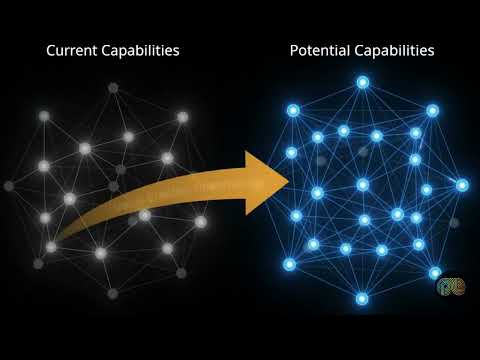
Organizations often struggle to improve capabilities because they lack clear reference points for understanding what good performance looks like. Internal observations alone may reveal current limitations, but may not provide enough context for deciding where improvement should begin. Benchmark libraries create structured collections of reference models, examples, and evaluation criteria that support more informed capability development. A benchmark library is an organized collection of benchmark definitions, assessment criteria, maturity examples, best practices, and reference models used to evaluate and improve organizational capabilities. It provides a shared knowledge base that helps teams compare current practices against established patterns and identify meaningful opportunities for advancement. A useful benchmark library does not simply collect examples of successful organizations. It captures the underlying principles, capabilities, and conditions that contribute to effective outcomes. This allows organizations to adapt relevant lessons rather than copying practices that may not fit their specific environment. Imagine an organization evaluating its research intelligence capability. A benchmark library may include examples of how different levels of maturity handle evidence management, knowledge reuse, governance, and AI supported workflows. These references help teams understand possible development paths without assuming every organization should follow the same model. AI can enhance benchmark libraries by helping organize large collections of reference information, identify relationships between examples, and support discovery of relevant comparisons. However, human interpretation remains necessary because benchmarks require context to determine whether a comparison is meaningful. Benchmark libraries should also evolve continuously. As technologies, organizational practices, and research methods change, outdated references can become misleading. Regular review ensures that benchmark knowledge remains relevant and reflects current understanding. When maintained effectively, benchmark libraries become strategic learning resources. They help organizations move beyond isolated assessments and create a broader understanding of capability development. By providing structured reference points, benchmark libraries support better decisions, clearer improvement strategies, and more consistent approaches to building advanced research and intelligence systems.