Continuous Intelligence Platforms
Continuous intelligence platforms connect evolving evidence, analysis, and human judgment to detect change earlier and support timely, informed decisions.
In the full article
- What is a continuous intelligence platform?
- How is continuous intelligence different from traditional reporting?
- What role should AI and humans play?
- What capabilities does a continuous intelligence platform need?
- How can research teams adopt continuous intelligence?
- How PulseLake helps
- Frequently asked questions
Read the video transcript
This transcript was generated from captions and may contain recognition errors.
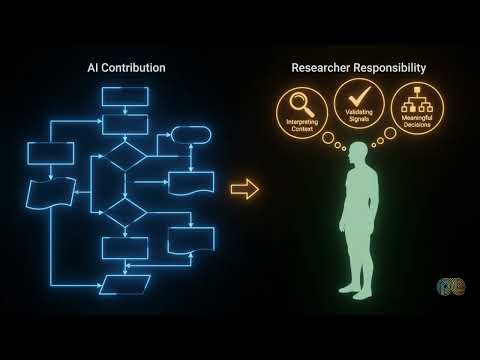
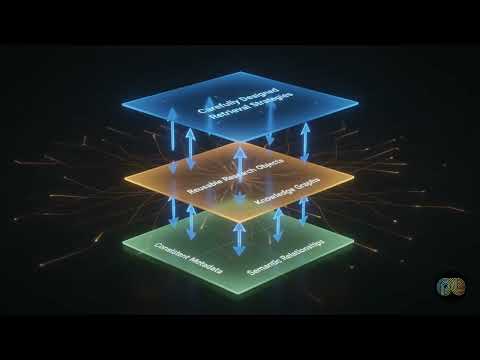
Organizations generate and collect more information than ever before, but information alone does not create intelligence. The challenge is continuously transforming scattered evidence into understanding that can support timely decisions. Continuous intelligence platforms represent a shift towards systems that help organizations discover, connect, and apply knowledge as conditions change. A continuous intelligence platform is an environment designed to collect, organize, analyze, and deliver relevant insights continuously rather than through occasional reporting cycles. It combines data, knowledge structures, analytical capabilities, and human interpretation to create an ongoing understanding of important organizational questions. Traditional reporting often answers questions about what already happened. Continuous intelligence focuses more on maintaining awareness of evolving situations, emerging patterns, changing behaviors, and new evidence. The goal is to help organizations adapt by keeping knowledge active instead of allowing it to become outdated after a single analysis. For research organizations, continuous intelligence platforms can connect findings from multiple studies, monitor new evidence, identify changing themes, and make relevant knowledge easier to discover. This allows research insights to contribute continuously rather than remaining locked inside individual reports or project archives. AI plays an important role by helping process large volumes of information, identify relationships, summarize evidence, and surface potential signals. However, intelligence requires more than automated analysis. Human researchers and decision makers remain responsible for interpreting meaning, evaluating importance, and choosing appropriate actions. Successful continuous intelligence platforms depend on strong foundations including structured knowledge models, evidence traceability, reliable metadata and governance practices. Without these elements, systems may produce faster access to information without producing better understanding. When designed effectively, continuous intelligence platforms transform organizational knowledge from a passive collection into an active capability. They help organizations recognize change earlier, make more informed decisions, and continuously learn from accumulated evidence. The result is a more adaptive environment where research and intelligence become ongoing processes rather than occasional activities.